Chinese Etiquette
Everyday manners in China — dining, chopsticks, greetings, and how to behave politely in daily situations.
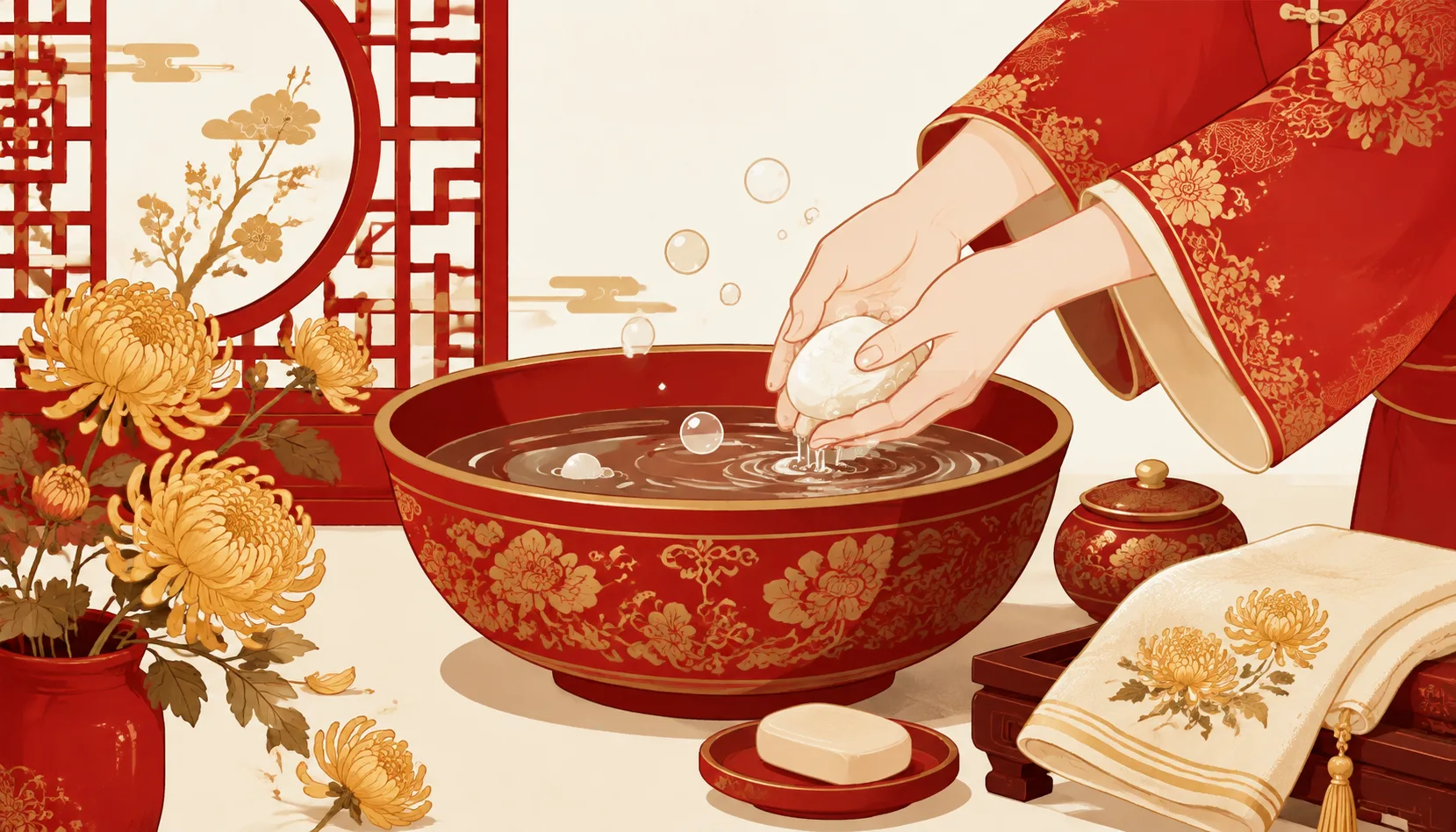
Always Wash Your Hands Before Eating
Yes. Washing hands before meals is standard hygiene in Chinese households. Many hosts will point guests to the bathroom before sitting down for a meal.
Read the guide →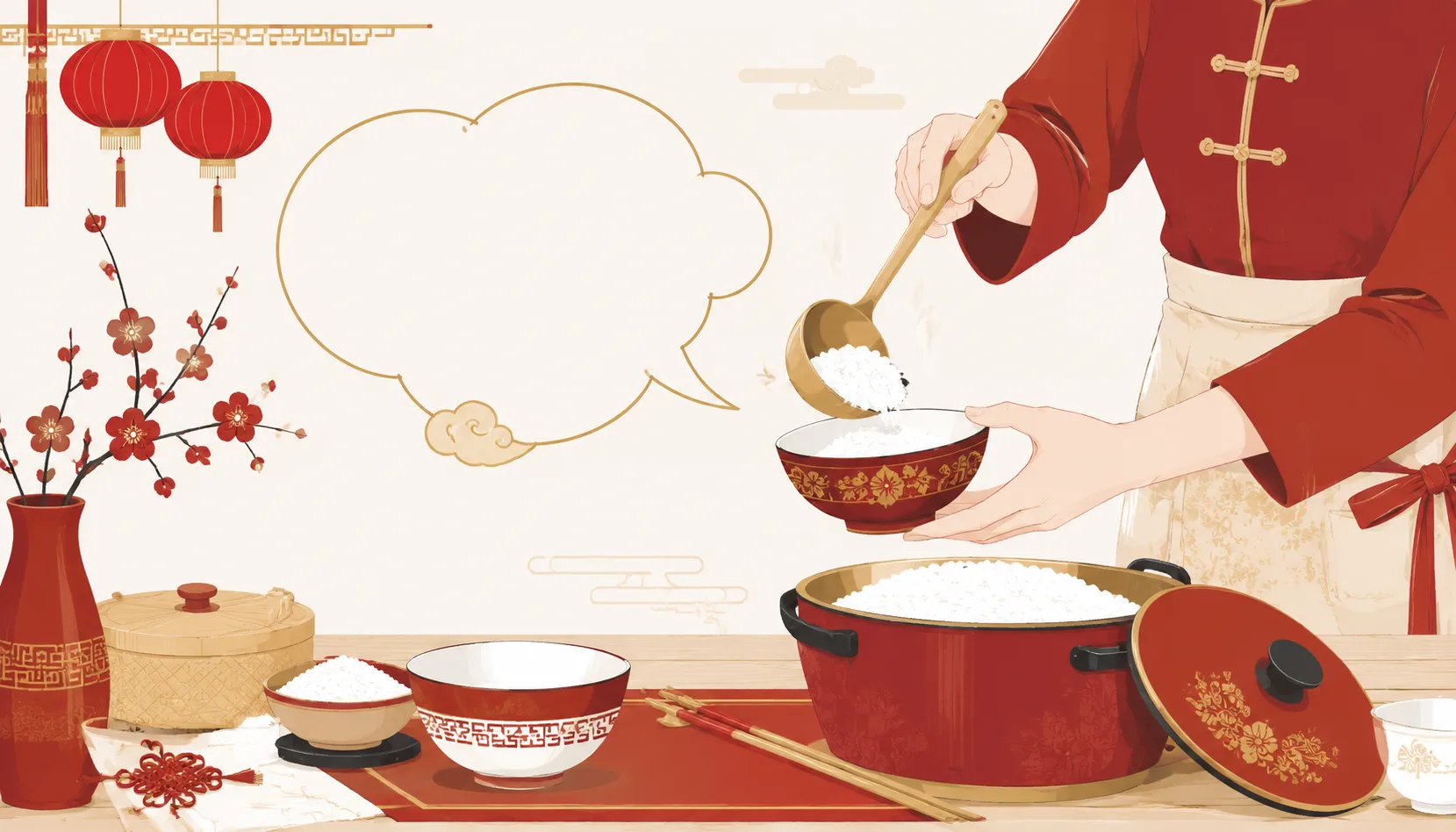
Never Ask 'Do You Still Want Rice?' Using the Wrong Words
The phrase '还要饭吗' (hái yào fàn ma) literally means 'Do you still want rice?' but '要饭' also means 'to beg for food.' It unintentionally implies the guest is a be…
Read the guide →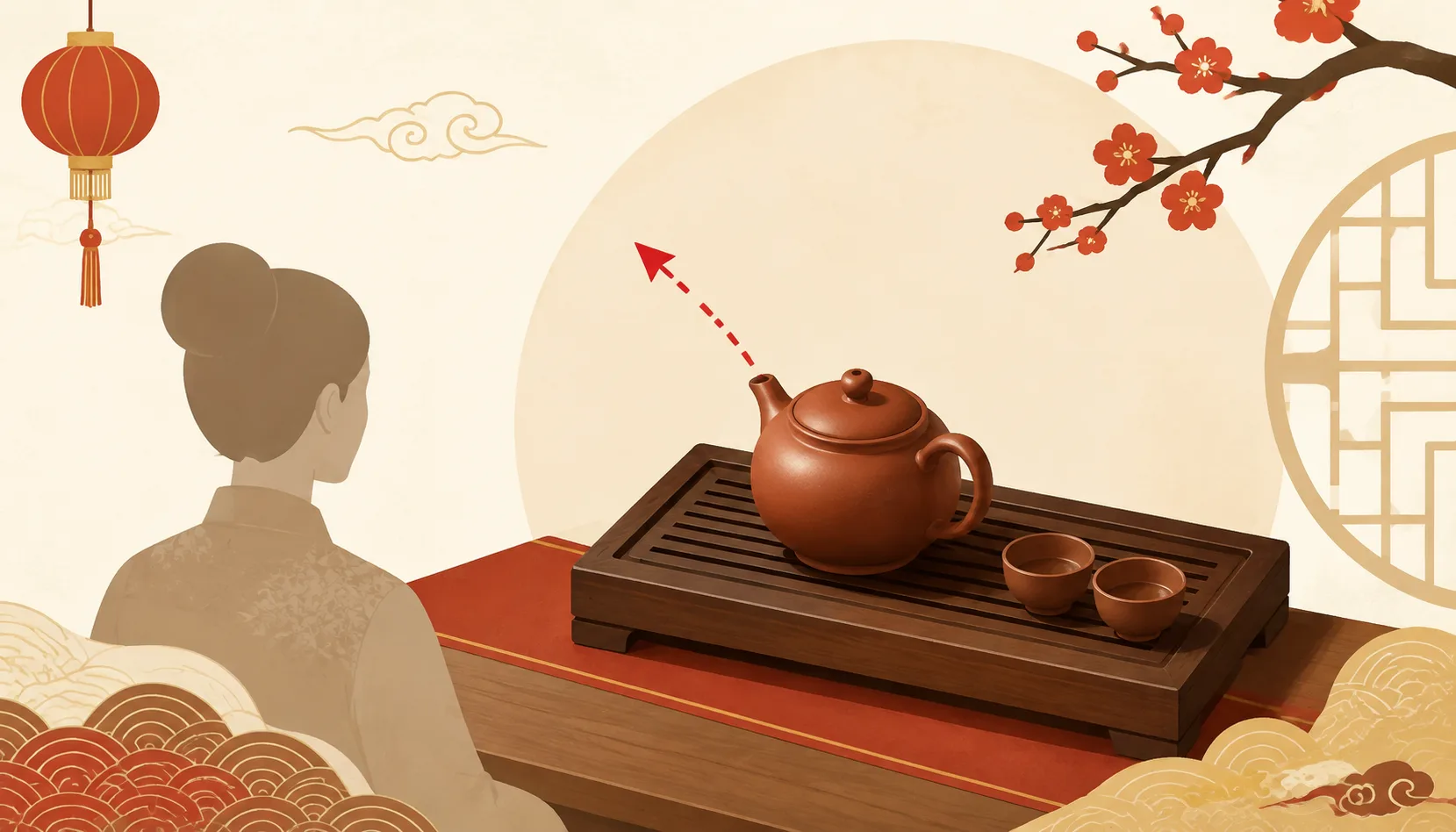
Never Point the Teapot Spout Toward a Guest
Yes. When setting down a teapot, always position the spout away from guests. Pointing the spout at someone is considered offensive and bad luck.
Read the guide →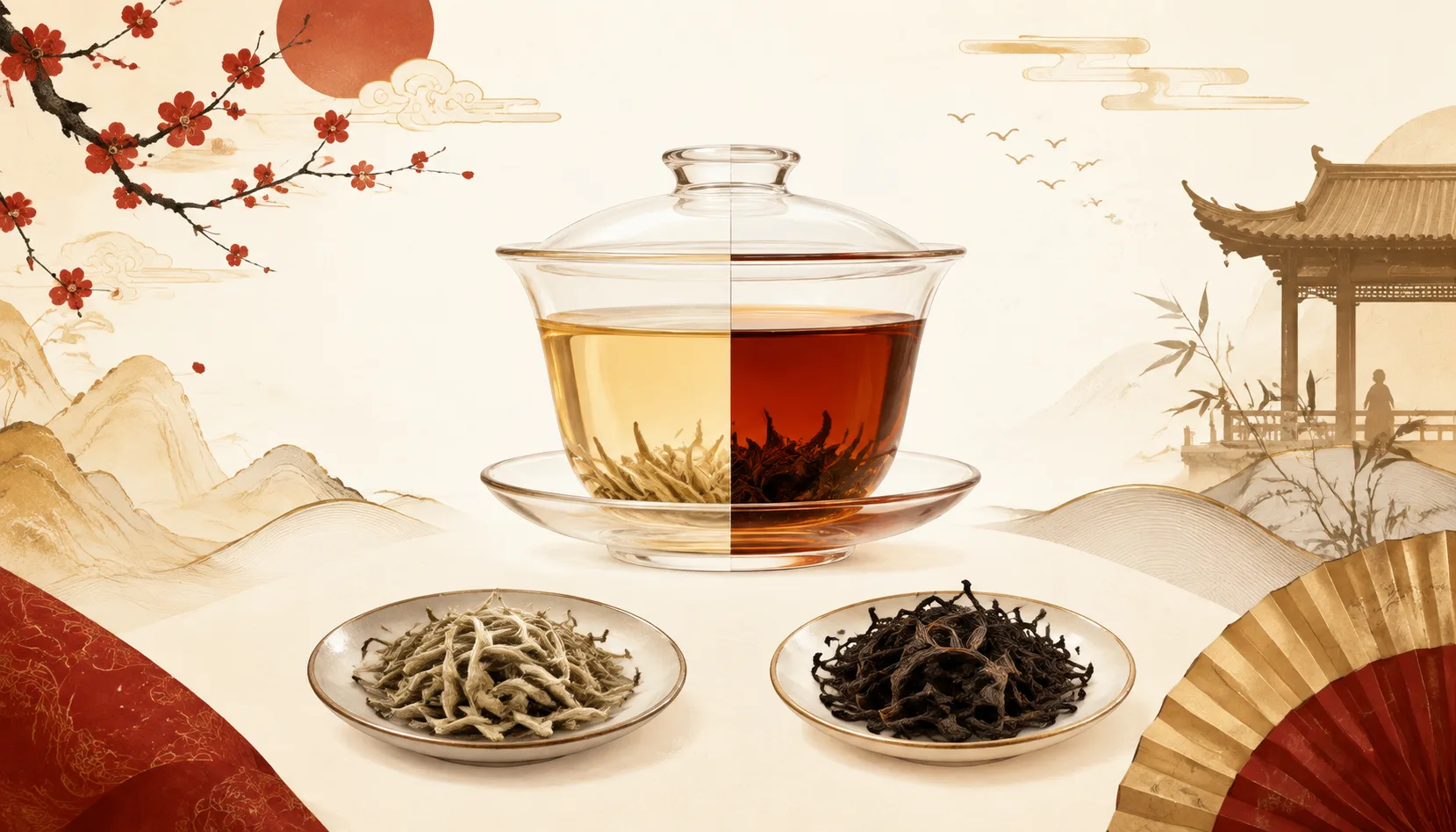
A Host Must Replace Tea Leaves When the Tea Loses Color
When tea becomes pale and flavorless after multiple steepings, a good host replaces the leaves. Serving colorless tea is called 'wú chásè' (无茶色) and signals ind…
Read the guide →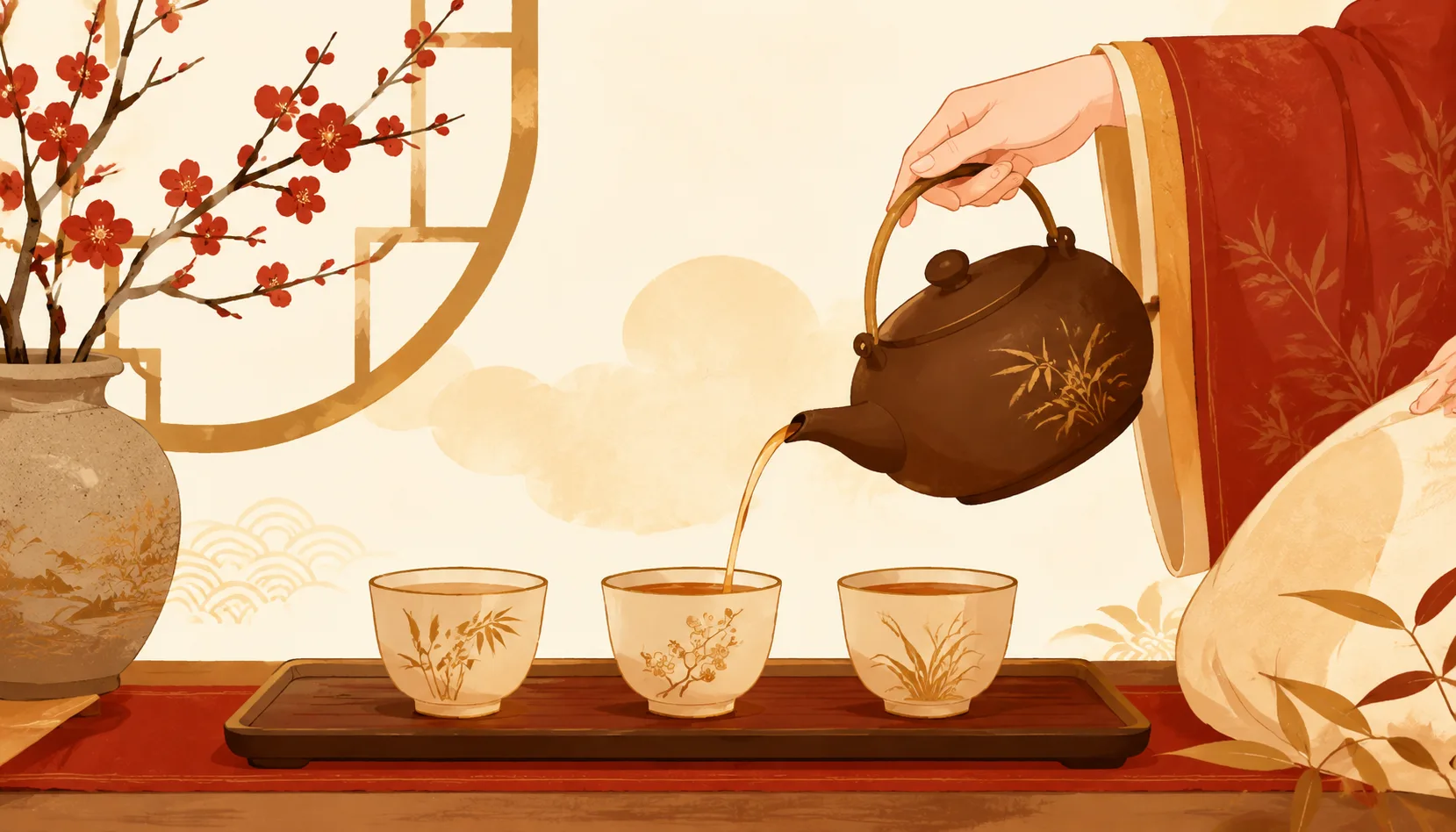
The Three-Cup Tea Rule: When Hosts Want You to Leave
In traditional hospitality, three cups of tea signal the end of a visit. The first is welcome tea, the second is a refill, and the third is subtly hinting it's …
Read the guide →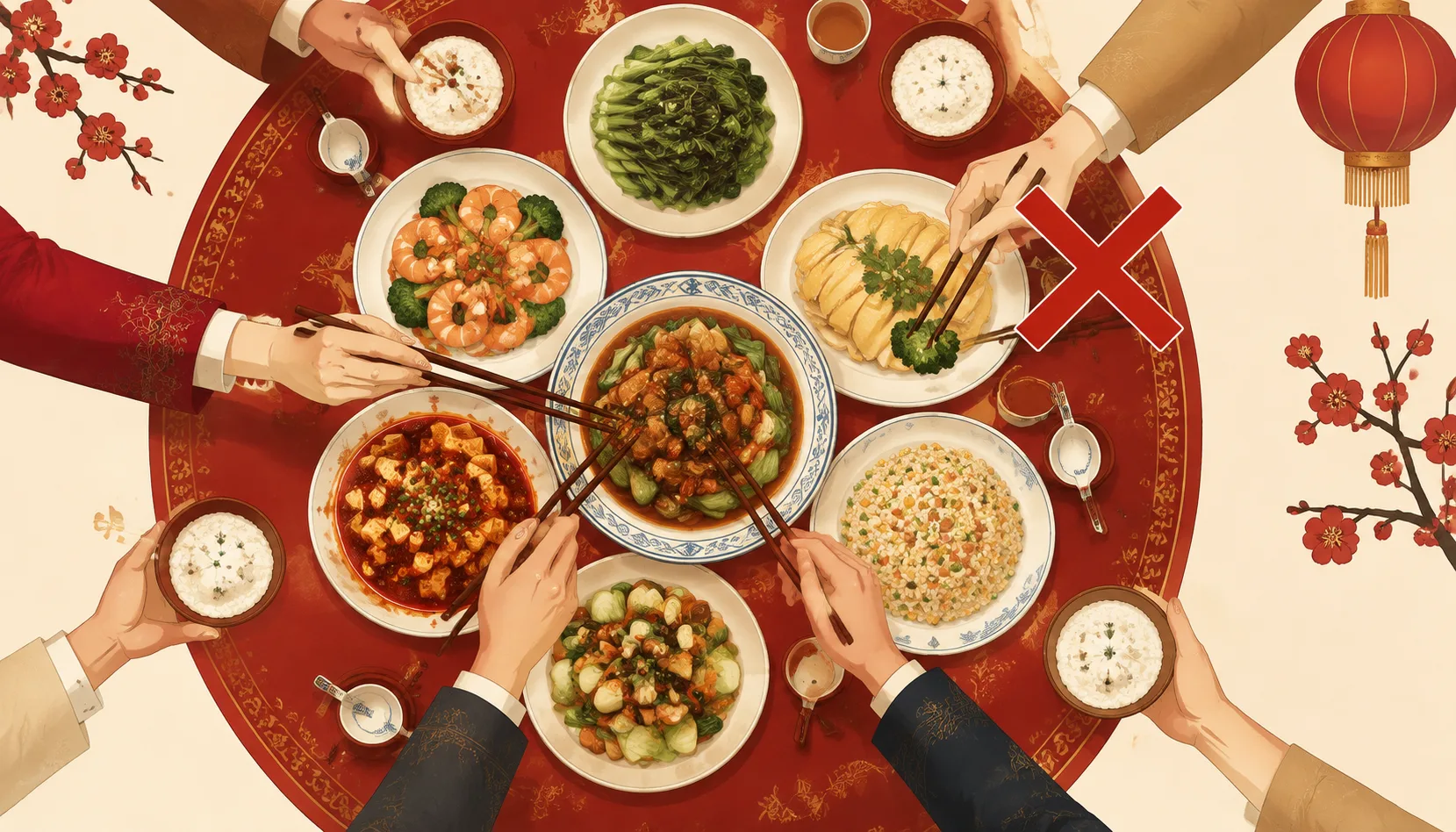
Never Put Food Back in the Shared Dish After Picking It Up
No. Once you pick up food with your chopsticks, it goes on your plate or in your mouth — never back into the shared dish.
Read the guide →
Public Behavior in China: What Is and Isn't Acceptable
Chinese cities have their own public behavior logic: noise levels are higher than Western norms in some contexts and strictly controlled in others, personal spa…
Read the guide →
Chinese Face-Saving Language: Compliments, Refusals & More
Face-saving language in Chinese runs through compliments (always deflect, never accept directly), refusals (always indirect), and farewells (longer and more rit…
Read the guide →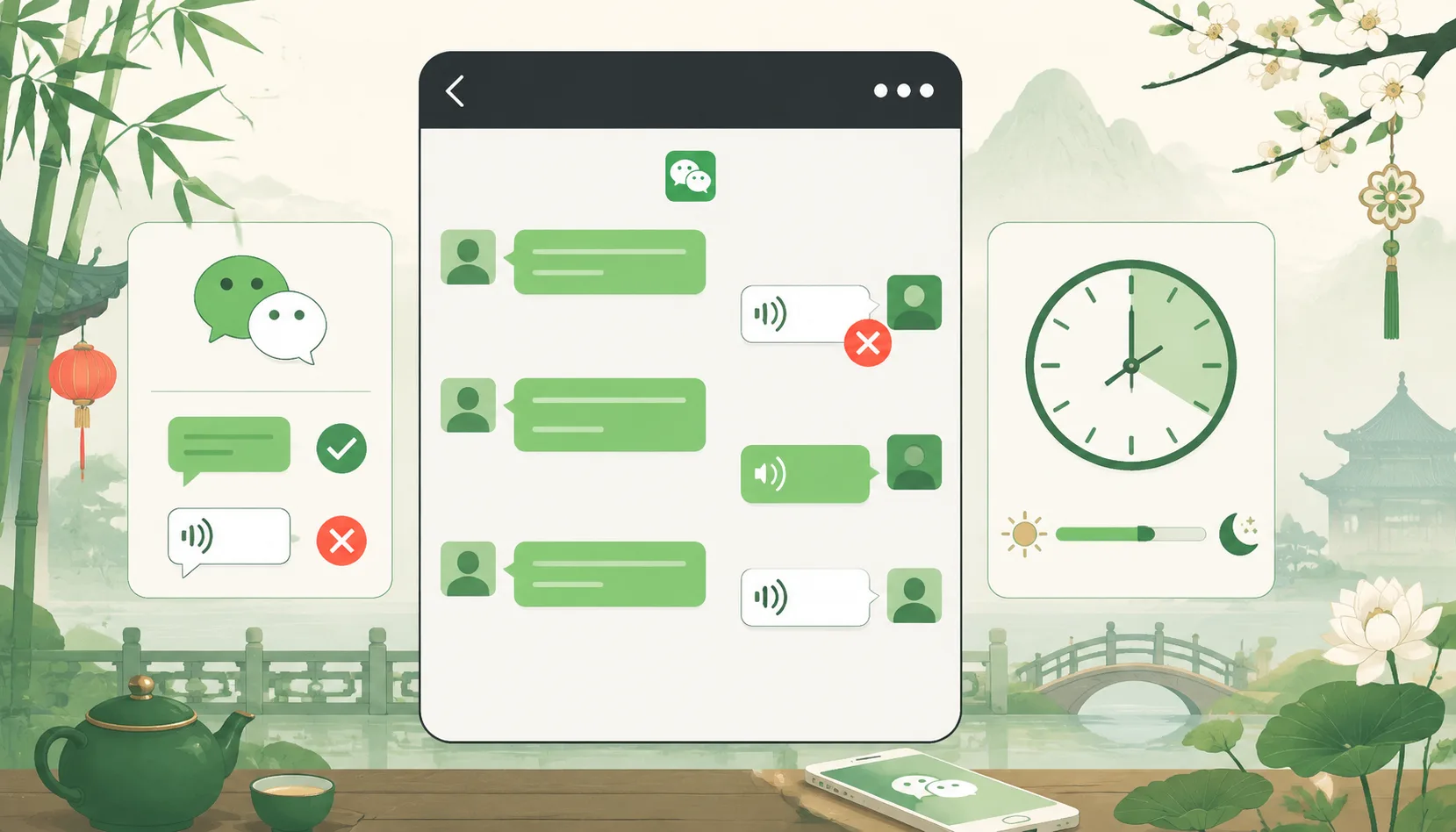
WeChat Messaging Etiquette in China: Rules to Know
Don't send voice messages to colleagues without asking first — text is almost always preferred. Don't message for work matters after 10pm. The 🙂 emoji is not fr…
Read the guide →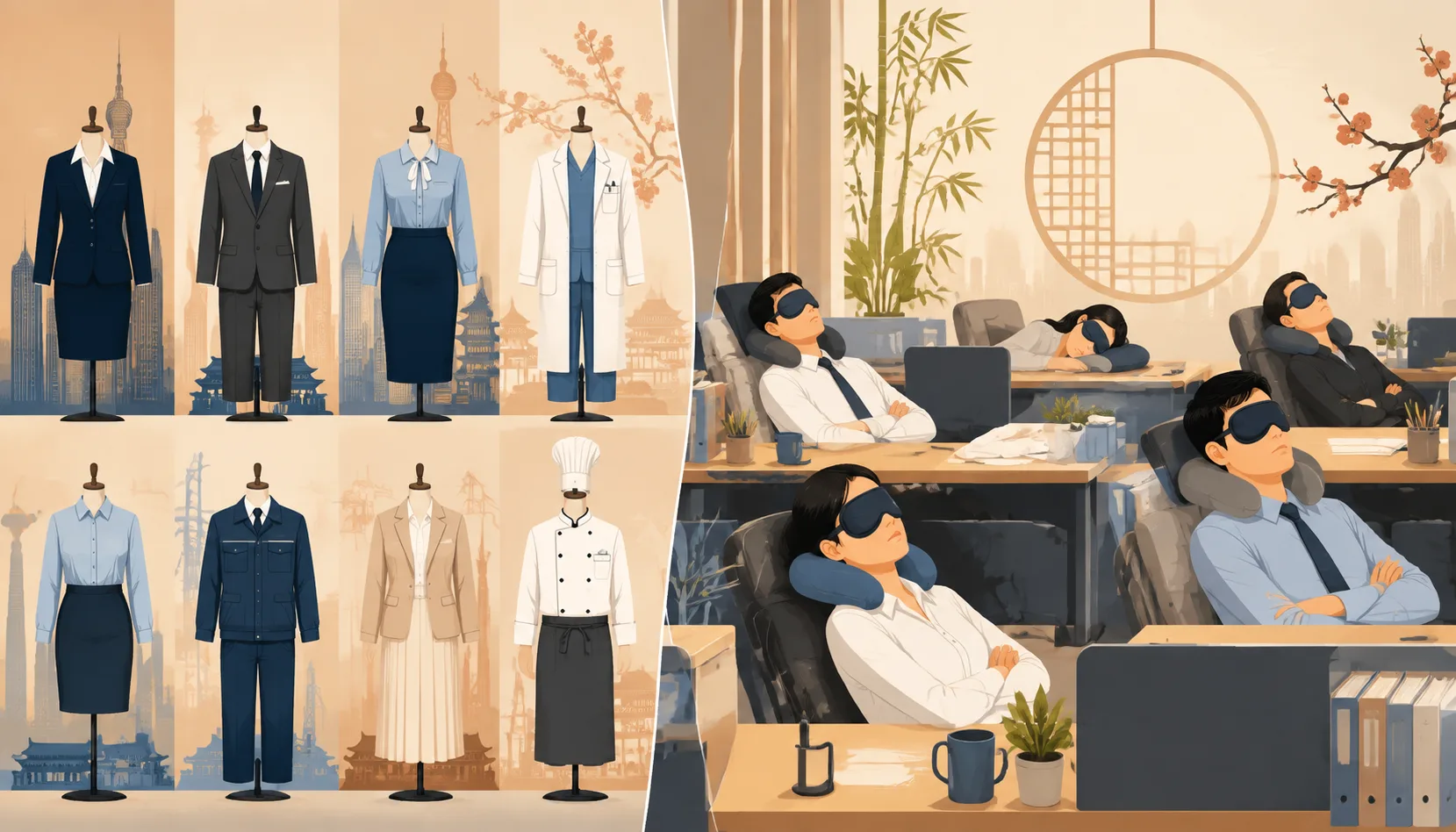
Chinese Office Etiquette: Dress Codes, Naps & Team Building
Chinese office etiquette has three surprises for most Westerners: dress codes are industry-specific and more formal than you'd expect, the lunch nap (午休) is a r…
Read the guide →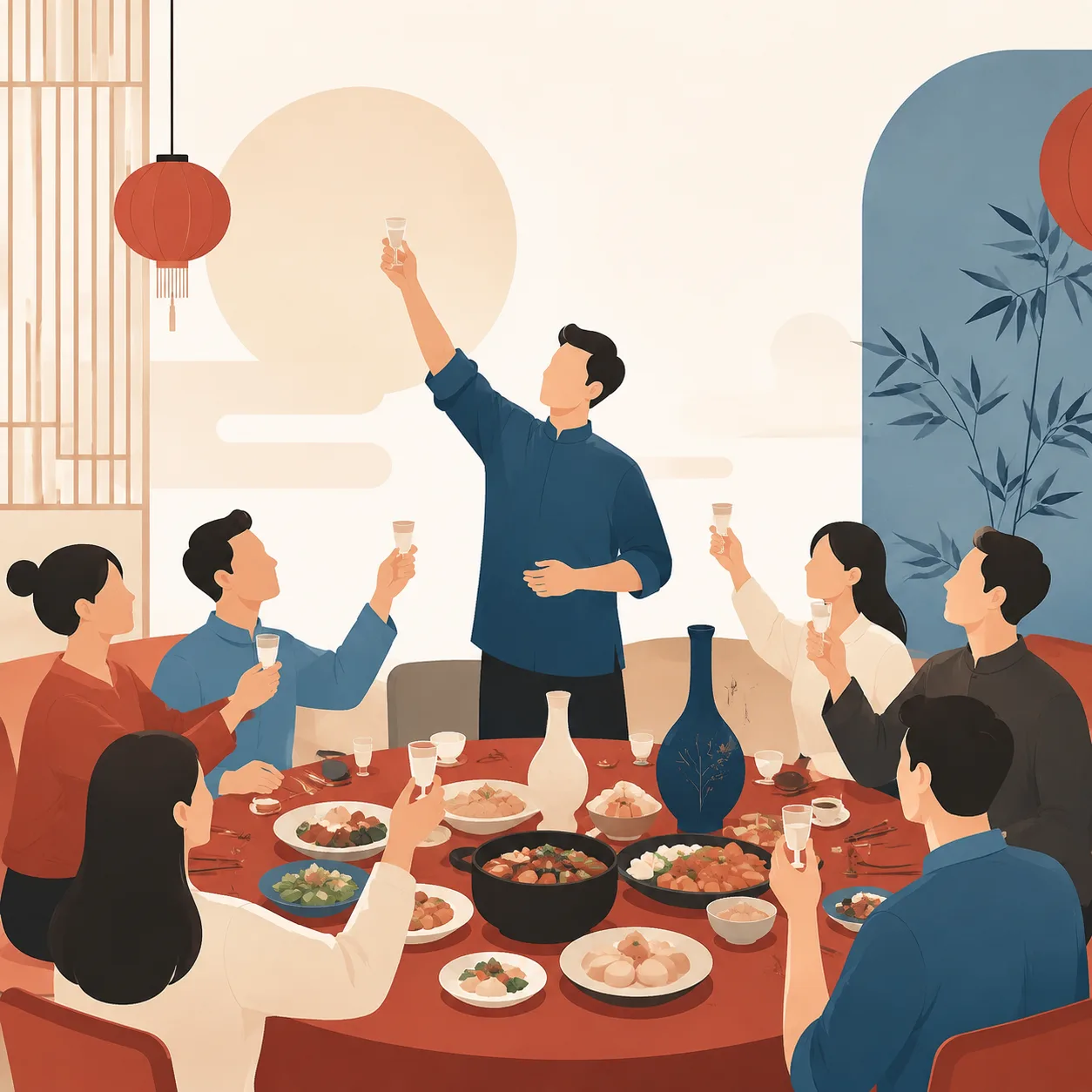
Chinese Drinking Culture: A Foreigner's Survival Guide
Chinese drinking culture is a structured social ritual, not just a meal. The table becomes a live map of relationships, respect, and trust — and knowing the unw…
Read the guide →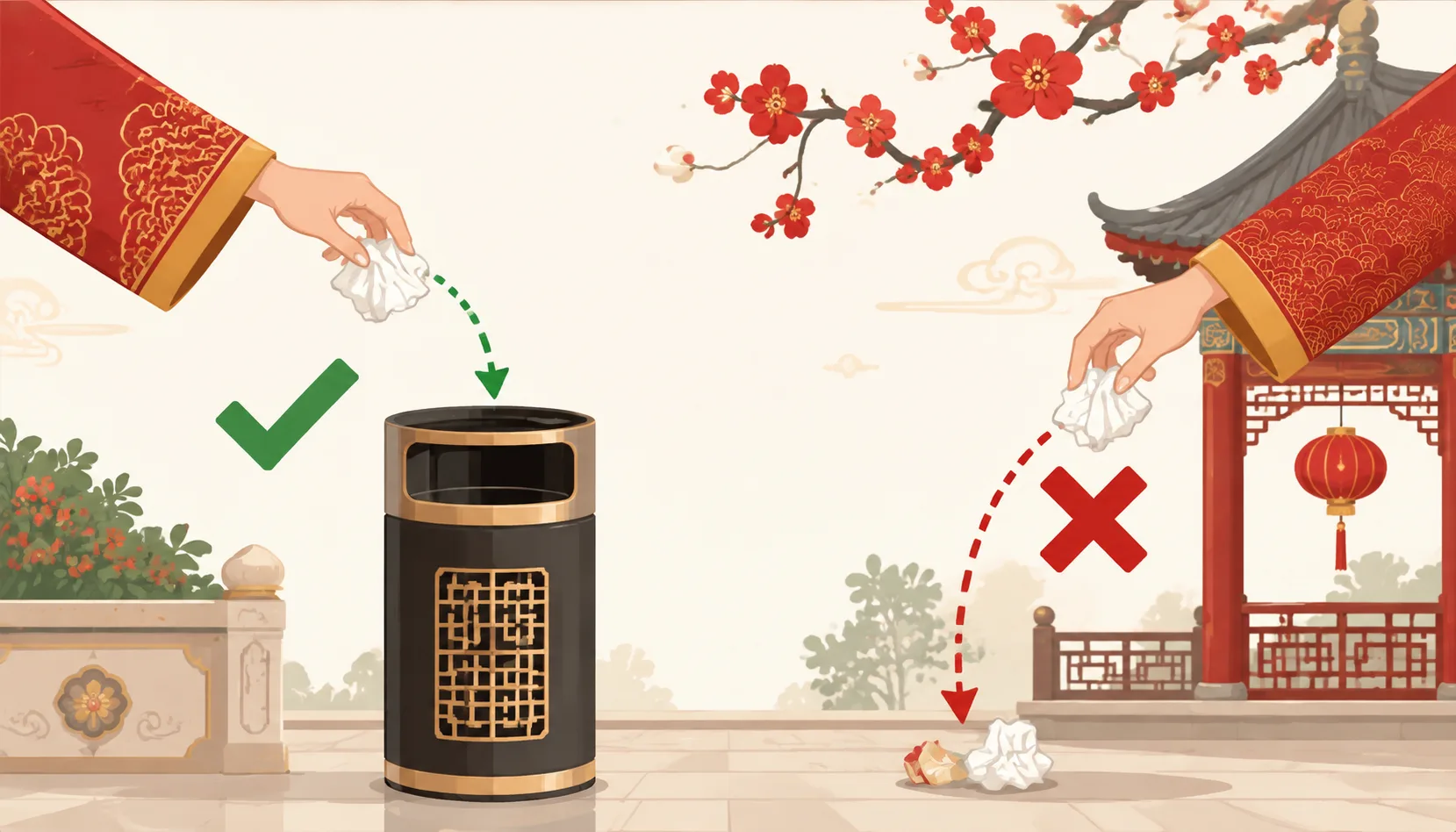
Don't Spit on the Ground — Spit Into a Tissue
No, not anymore. While historically common, spitting on the ground in cities is now widely considered unhygienic and socially unacceptable. Spit into a tissue i…
Read the guide →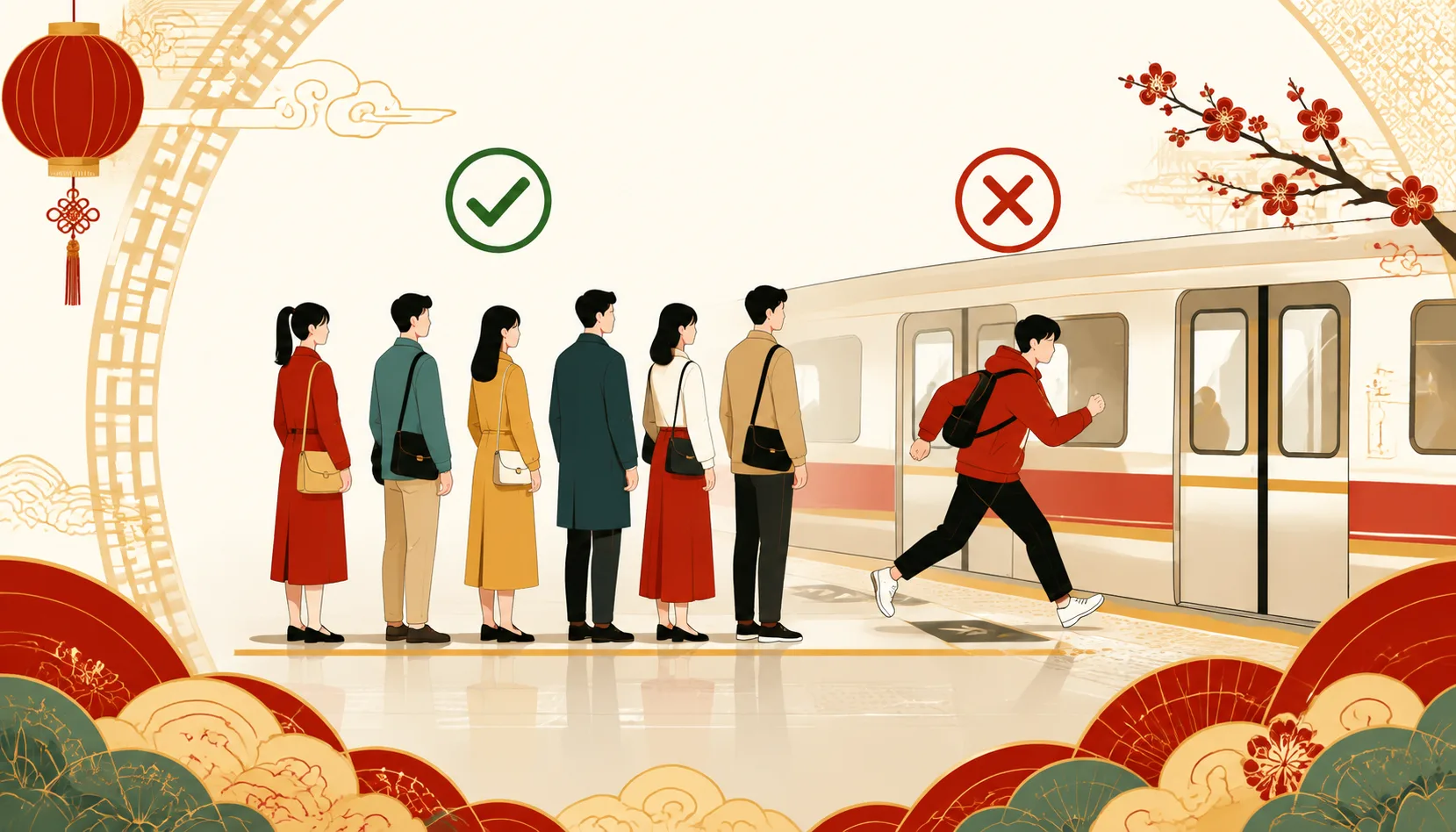
Always Queue — Don't Cut in Line
Yes. Cutting in line (插队, chā duì) is widely disliked and increasingly called out in public. Modern China has a strong culture of orderly queuing in cities.
Read the guide →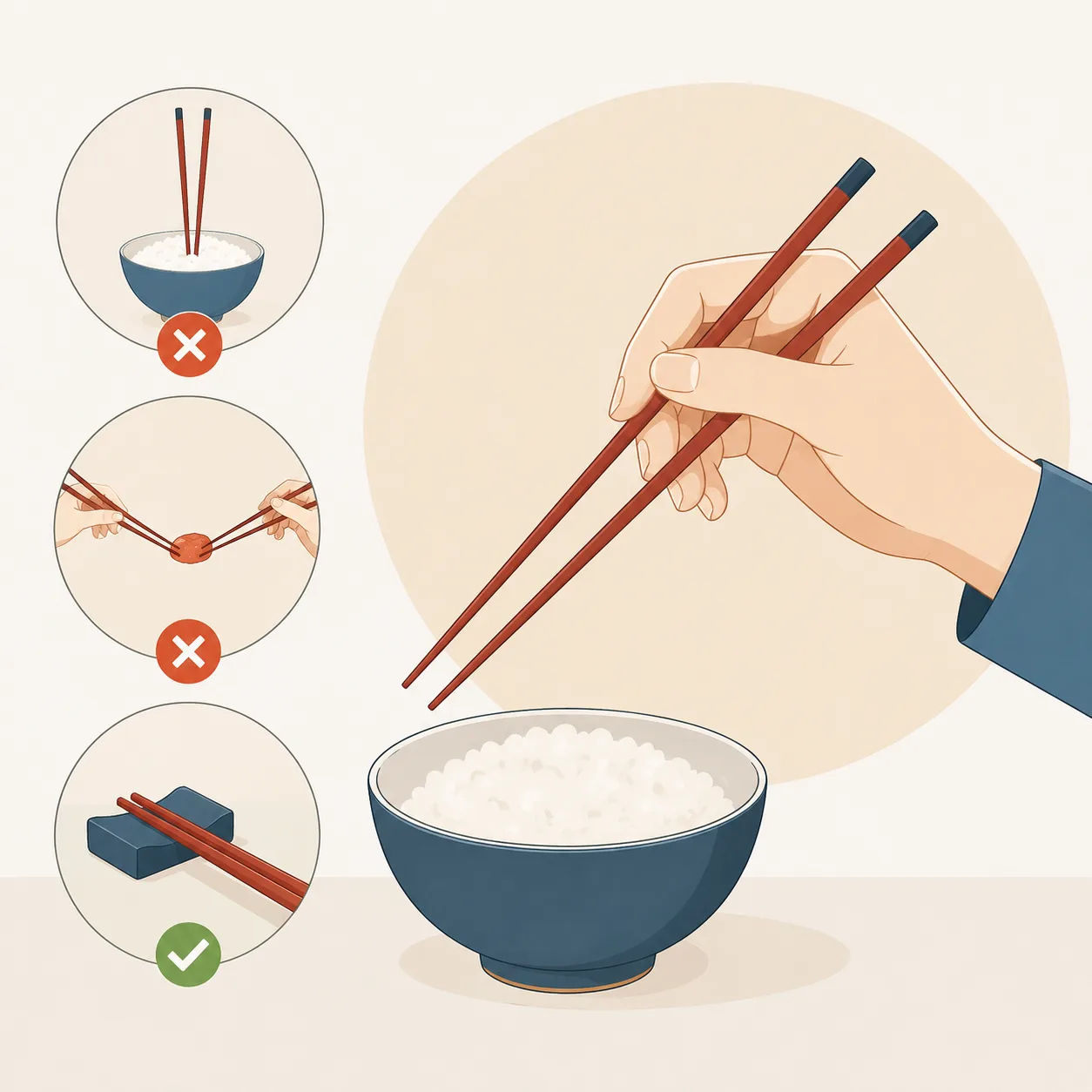
Chopstick Rules in China: What to Do and What to Avoid
The three biggest chopstick taboos in China: never stand them upright in a bowl of rice, never tap your bowl with them, and never dig through shared dishes. Kee…
Read the guide →
Chinese Metro Etiquette: Rules Enforced vs Just Expected
Chinese metros have both legally enforced rules (fines for eating/drinking, smoking, or blocking doors) and socially expected etiquette (giving up seats to elde…
Read the guide →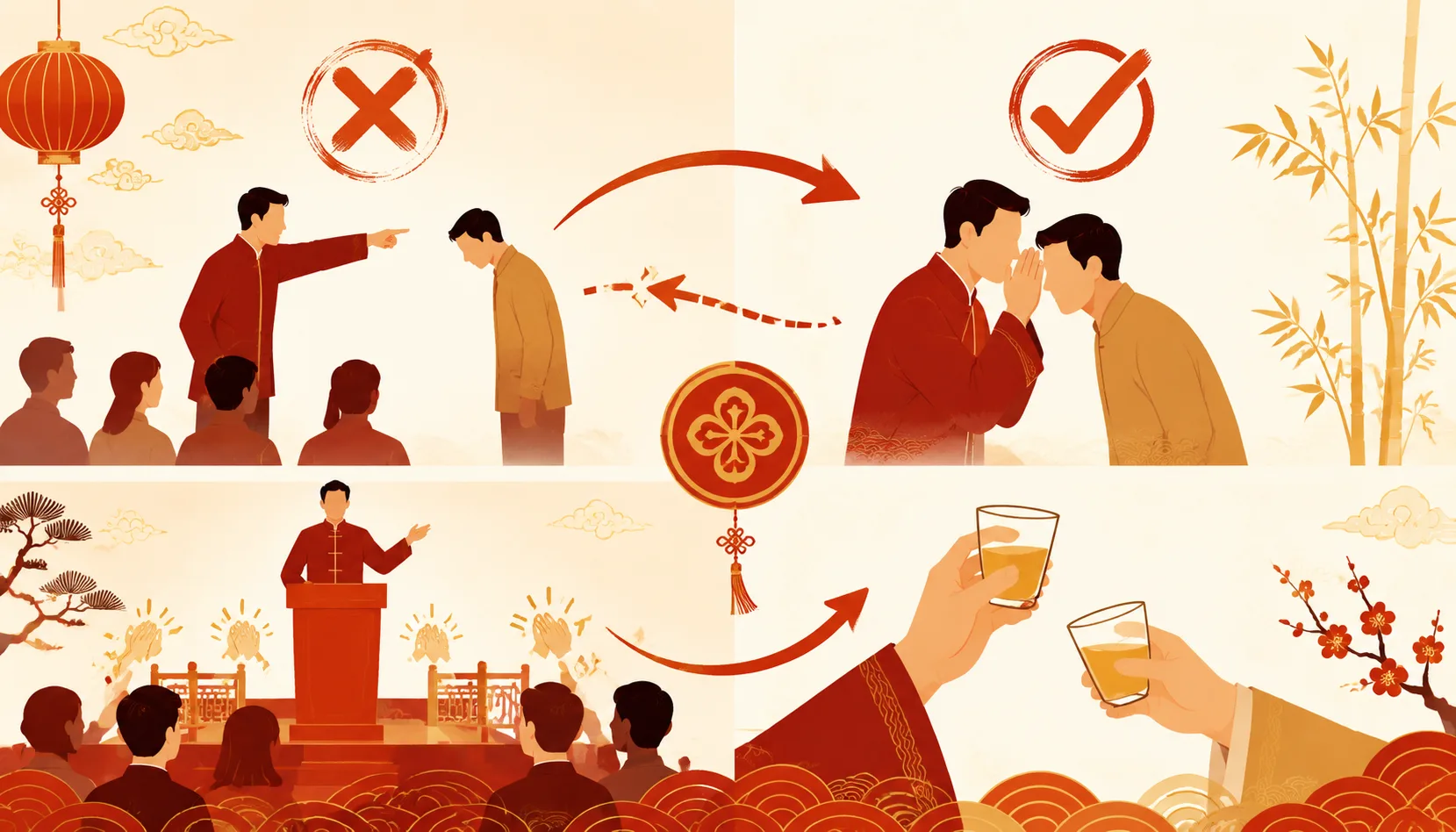
How to Give Face in China: Practical Guide for Foreigners
Giving face means proactively protecting or enhancing someone's social standing in front of others. Key moves: praise publicly, criticize privately; introduce b…
Read the guide →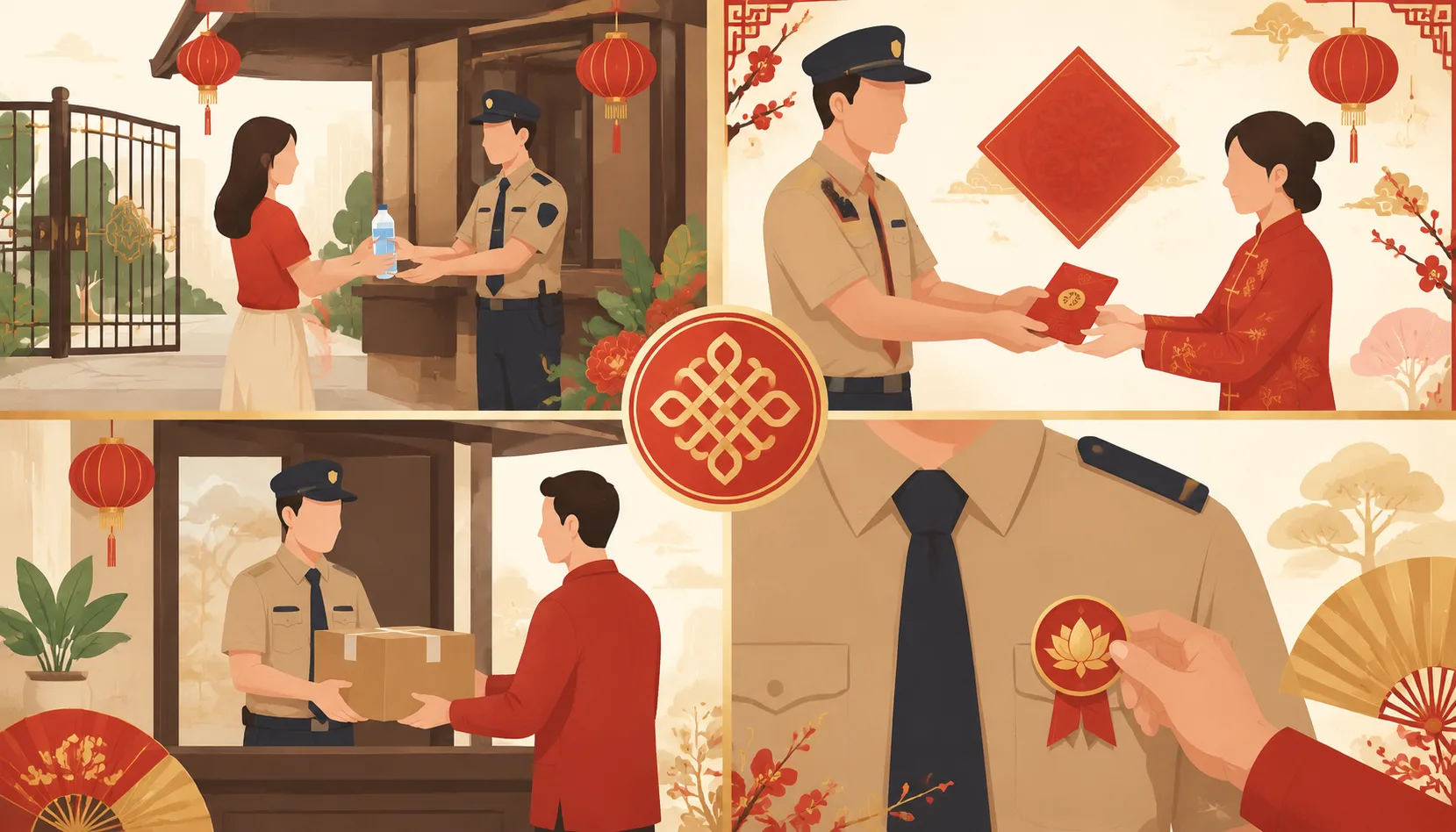
How to Deal with Chinese Security Guards (保安): The Right Way
Treat them as respected neighbors, not servants. Address them as 师傅 (shīfu), never tip cash, and show gratitude with small gestures like cold water in summer or…
Read the guide →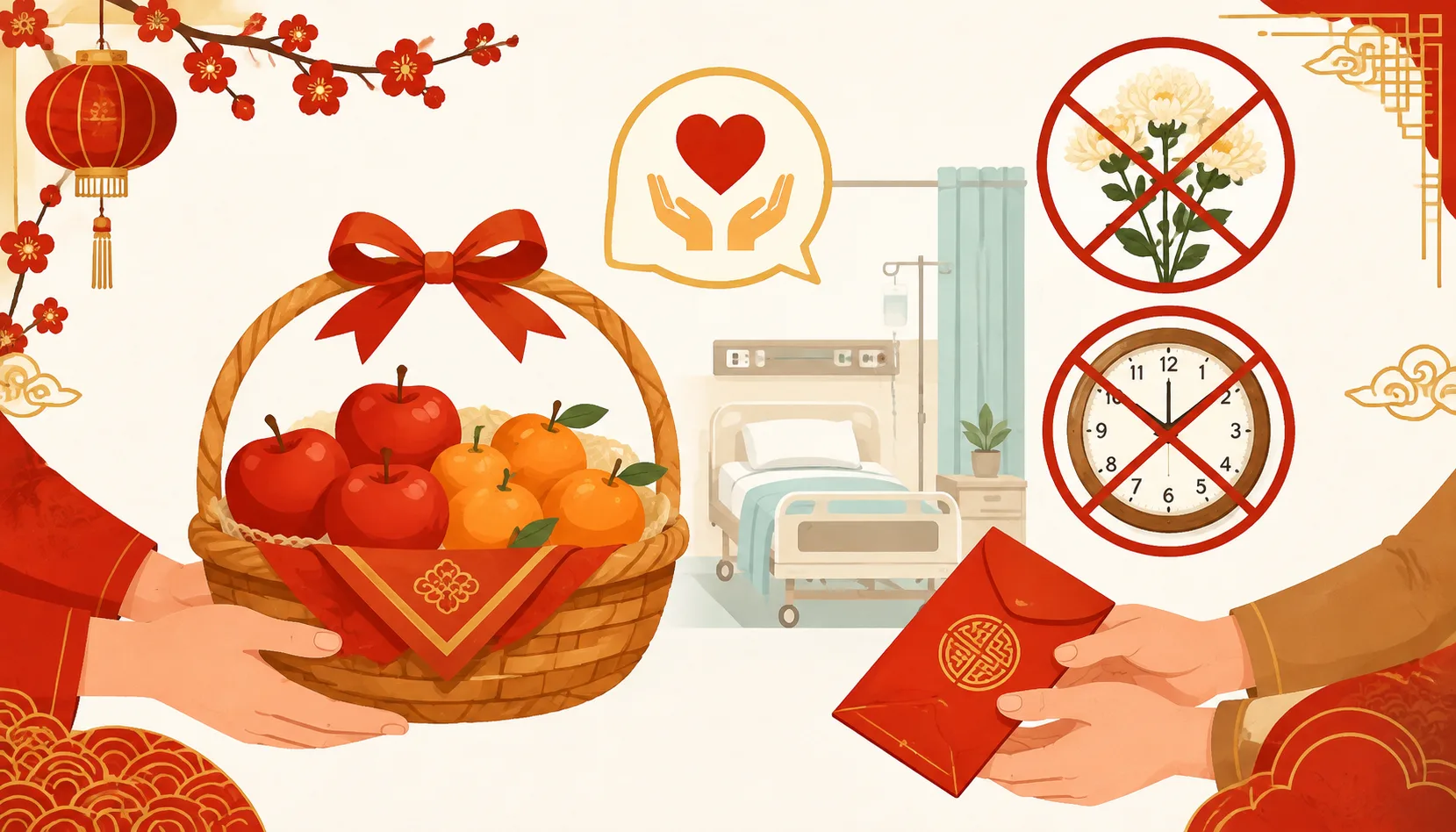
Visiting a Sick Friend in China: Hospital Etiquette Guide
Visit in the afternoon or early evening, keep it to 20–30 minutes, and bring a fruit basket (avoid pears), quality tea, or a red envelope if you're close. Never…
Read the guide →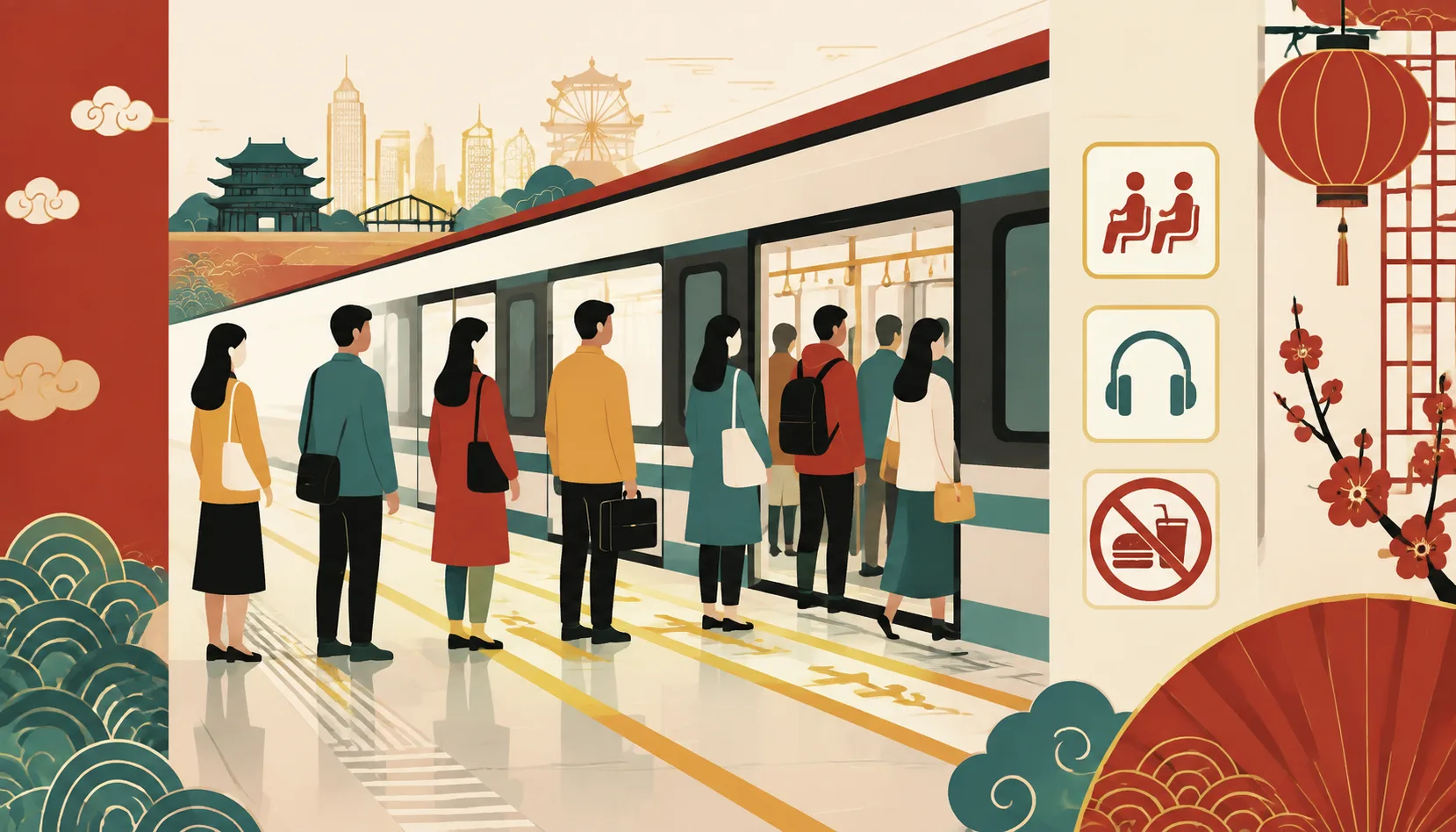
China Subway and Bus Etiquette: The Unwritten Rules
Chinese metro culture has its own logic: people do queue at the painted lines (mostly), crowds at rush hour are extremely dense and this is accepted, phone spea…
Read the guide →
Chinese Restaurant Dining Etiquette: During and After
During a Chinese meal: wait for the host to signal the start, toast with the host before drinking, serve others before yourself, and never leave without a prope…
Read the guide →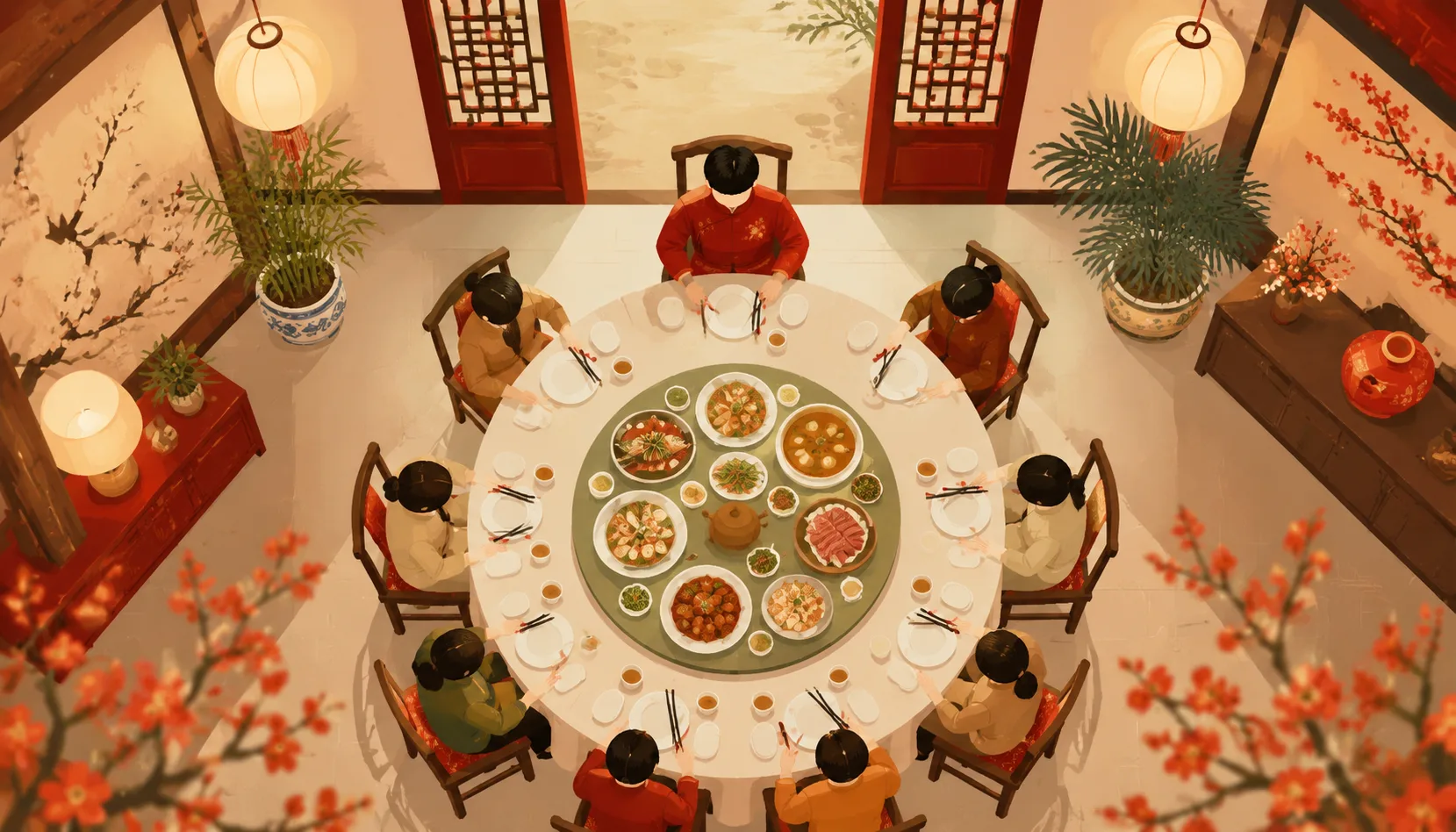
Ordering Food at a Chinese Restaurant: The Unwritten Rules
Chinese restaurant culture has specific rules foreigners often miss: seating is hierarchical (best seat faces the door), the host or senior person typically ord…
Read the guide →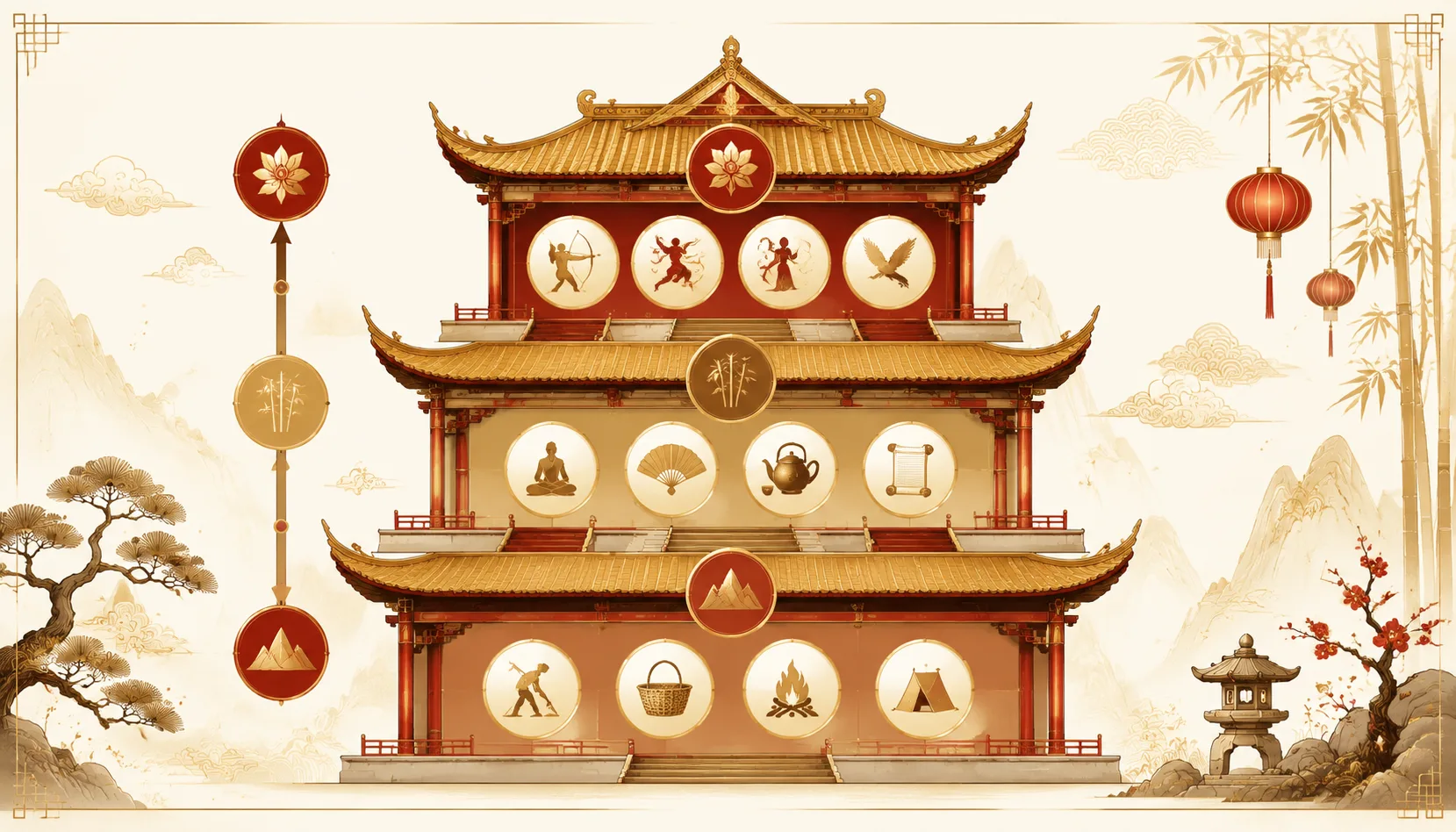
Chinese Etiquette Self-Assessment: What Level Are You At?
Chinese social fluency develops in stages: survival level (avoiding obvious offenses), intermediate (reading indirect signals and participating in rituals), and…
Read the guide →
China Social Situations Quick Guide: 6 Scenario Cheat Sheets
This quick-reference guide covers the six situations foreigners encounter most often: meeting someone new, visiting a Chinese home for dinner, drinking at a Chi…
Read the guide →
10 Social Mistakes Foreigners Commonly Make in China
The most common mistakes cluster around face (publicly correcting or disagreeing with someone), physical greeting norms (hugging or back-patting people who are …
Read the guide →