How should a foreigner visit a hospitalized friend or colleague in China without causing offense?
Quick answer
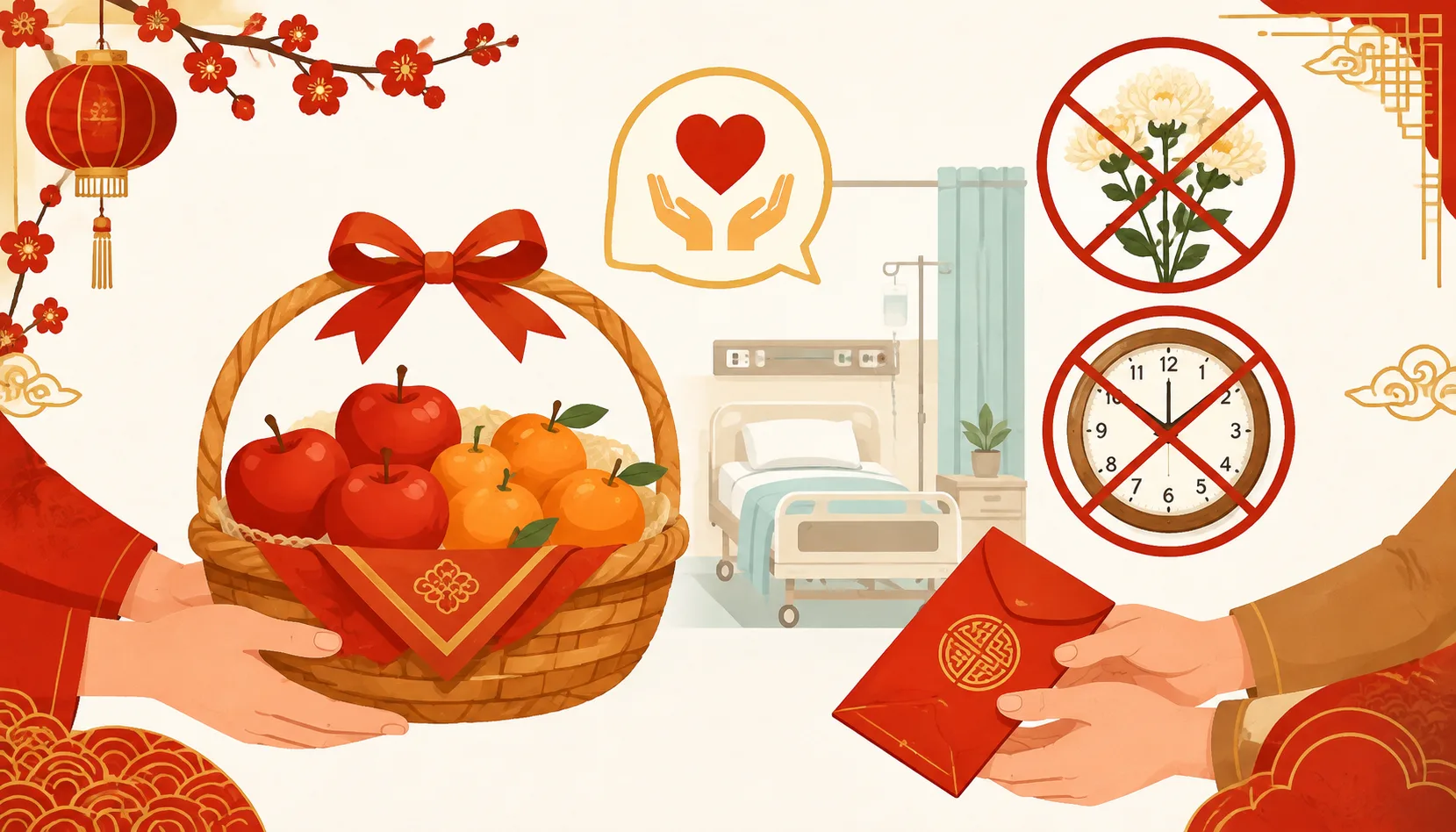
Visit in the afternoon or early evening, keep it to 20–30 minutes, and bring a fruit basket (avoid pears), quality tea, or a red envelope if you're close. Never bring white flowers, clocks, or umbrellas, and focus your words on reassurance, not medical commentary.
Why Visiting Matters in China
In China, visiting a hospitalized friend or colleague isn't just a nice gesture—it's a social obligation for anyone you're close to. The practice is called 探病 (Tànbìng), and it signals that you care about the person's well-being and value the relationship. Skipping a visit when you're expected can be seen as cold or dismissive, especially if you've been close for a long time.
This isn't about formality; it's about showing up. When a Chinese friend or colleague is in the hospital, their family and social circle rally around them. Your presence—even for a short time—carries weight. It says, “You matter to me.”
That said, the rules are specific. Timing, gifts, and words all carry cultural meaning. Get them right, and you'll strengthen your bond. Get them wrong, and you could unintentionally cause distress.
Key takeaway: Treat a hospital visit as a meaningful act of friendship, not a casual drop-by. Prepare in advance, and follow the etiquette outlined in this guide.
When to Visit: Timing is Everything
The best time to visit a hospitalized friend in China is afternoon or early evening, roughly from 2 PM to 7 PM. Avoid the morning hours, especially 8–10 AM, when doctors do their rounds and patients receive treatments. Showing up during this window can disrupt care and annoy the medical staff.
Before you go, always call or send a WeChat message to the patient or their family. Ask if it's a good time. This is especially important if the person just had major surgery or is in intensive care. The family might be exhausted or the patient might need rest. A quick message shows respect and avoids awkwardness.
Keep your visit short—20 to 30 minutes maximum. The patient is tired, and long visits drain their energy. Even if you're having a great conversation, watch for signs of fatigue and wrap up politely. You can say, “You need your rest, I'll head off now.”
Practical tip: If you can't visit in person, a WeChat message with a caring note is better than nothing. But for close friends, make the effort to show up.
What to Bring: Safe Gifts That Show You Care
Choosing the right gift for a hospital visit in China is about symbolism as much as practicality. Here are safe, well-received options:
- Fruit basket – Apples (苹果 píngguǒ) symbolize peace (安 ān), and oranges (橘子 júzi) bring auspiciousness. Avoid pears (梨 lí) – see the taboo section.
- Quality tea – A nice box of tea, like oolong or jasmine, is a thoughtful gift for someone who enjoys tea.
- Nutritional supplements – Bird's nest (燕窝 yànwō) or high-quality honey are traditional choices for recovery. These are expensive but show deep care.
- Practical items – Think about what the patient might need: a comfortable pillow, a warm blanket, or a book. Ask the family if there's anything specific.
In many regions, especially in southern China, close friends also give a red envelope (红包 Hóngbāo) with cash. This is a practical way to help with medical costs. It's not universal, so judge by your relationship and the seriousness of the illness. If you're not sure, ask a mutual friend.
Golden rule: When in doubt, a fruit basket is always safe. It's simple, symbolic, and universally appreciated.
Absolute Prohibitions: What Never to Bring
Some gifts are deeply offensive in Chinese culture because of homophones or symbolism. Avoid these at all costs:
| Item | Chinese | Pinyin | Why It's Taboo |
|---|---|---|---|
| White flowers (especially white chrysanthemums) | 白菊花 | bái júhuā | Associated with funerals and death |
| Clocks | 钟 | zhōng | Homophone for 送终 (sòng zhōng) – attending someone's death |
| Pears | 梨 | lí | Homophone for 离 (lí) – separation |
| Umbrellas | 伞 | sǎn | Homophone for 散 (sàn) – scatter or break up |
These items are not just in poor taste—they can be seen as wishing the patient harm or death. Even if you don't believe in the symbolism, the patient and their family likely do. Never bring these items to a hospital visit.
If you're unsure about a gift, stick with the safe list above. It's better to be boring than offensive.
What to Say (and Never Say) to the Patient
Your words have immense power in a hospital room. The goal is to give the patient peace of mind, not to add stress. Here's what to say:
- “Rest well, don't worry about work. We've got everything covered.” – This reassures them that their responsibilities are handled.
- “You're in good hands. The doctors here are excellent.” – Positive, encouraging words.
- “Take your time to recover. We're all thinking of you.” – Shows support without pressure.
What you should never say:
- “You look terrible.” – Even if true, it's devastating.
- “This disease is hard to cure.” – You're not a doctor, and this crushes hope.
- “I heard someone with this didn't make it.” – Absolutely never. This is psychologically damaging.
Remember, the patient is vulnerable. Your job is to be a source of positivity, not a bearer of bad news. Stick to uplifting, practical reassurances.
If you don't know what to say, a simple “I'm here for you” goes a long way.
When It's a Business Contact, Not a Close Friend
Not every hospital visit is for a close friend. If the patient is a business contact or colleague you're not personally close to, a physical visit might be too much. In that case, a brief WeChat message expressing concern is often more appropriate.
For example: “I heard you're in the hospital. I hope you recover soon. Let me know if there's anything I can do.” This shows care without overstepping.
If you do decide to visit, keep it even shorter—maybe 10–15 minutes—and don't bring a gift unless you're genuinely close. A simple fruit basket is fine if you feel you must.
Scenario: Your Chinese colleague, Mr. Zhang, had surgery and is in the hospital. You've worked together for a year but never socialized outside the office. Instead of showing up unannounced, you send a WeChat message. He replies with a grateful “谢谢” (xièxie). That's enough. You've shown respect without overstepping.
For closer colleagues, a visit might be expected. Use your judgment—when in doubt, ask a mutual friend for advice.
Practical Tips for a Smooth Visit
Here are some final, actionable tips to ensure your visit goes smoothly:
- Always confirm first – Call or WeChat the family before you go. Don't just show up.
- Wash your hands – Hospitals are germ-filled. Use hand sanitizer before entering the room.
- Keep your voice low – Speak softly and avoid loud laughter. The patient needs calm.
- Don't sit on the bed – Use a chair. Sitting on the bed can be seen as disrespectful or unhygienic.
- Follow hospital rules – Some wards have strict visiting hours or limits on visitors. Respect them.
- Leave on time – When your 20–30 minutes are up, say goodbye. Don't linger.
One more thing: don't bring children unless they're very well-behaved. Hospitals are stressful, and kids can be disruptive. If you must bring them, keep them close and quiet.
By following these guidelines, you'll show your friend or colleague that you respect their culture and care about their recovery. That's the essence of 探病 (Tànbìng).
What Chinese People Actually Say
- 早日康复 | zǎo rì kāng fù | "Wishing you a speedy recovery" | Say this when first greeting your sick friend
- 好好休息 | hǎo hǎo xiū xi | "Take a good rest" | Use as a caring suggestion during visit
- 带点水果 | dài diǎn shuǐguǒ | "Bring some fruit" | Common gift to bring when visiting patients
2026 Reality Check
2026 Reality Check: Most hospitals in China have relaxed strict visiting hours, especially in big cities. Digital check-ins and flexible timing are now common.
Gen Z vs Older Generations: Young people often skip traditional rituals like bringing specific fruits or avoiding black/gift wrapping. They're more casual—texting rather than calling, short visits, sometimes sending flowers online instead of going in person. Older generations still observe "don't visit at night," bring营养品 (nutritional supplements), and stay longer.
Big Cities vs Smaller Cities: Beijing and Shanghai hospitals have adopted Western-style visitor policies—open visiting hours, no strict rules about what to bring. Smaller cities and rural areas still lean traditional. Some families insist on midday visits, avoid certain numbers of gifts, or bring homemade soup.
Bottom Line: The rules exist but are fading fast in urban areas. Traditional etiquette survives most in older, rural, or more conservative families.
Frequently asked questions
What gifts should I avoid bringing to a hospital patient in China?
Never bring white flowers, as white symbolizes death and funerals. Clocks (送钟) sound like 'attending one's deathbed' in Chinese, and umbrellas (伞) sound like 'separation.' Also avoid pears (梨), which sound like 'separation' too. Stick to safe options like apples, oranges, or a warm meal.
Can I visit a Chinese hospital patient on weekends or holidays?
Yes, weekends are actually preferred by many families since more relatives can come. However, avoid visiting during major festivals like Chinese New Year or the Mid-Autumn Festival unless you're very close—these days are reserved for family gatherings, and a visit may feel intrusive. If unsure, ask the patient's family first.
Is it appropriate to ask the doctor about my friend's medical condition?
No. In China, medical information is shared primarily with the patient and their immediate family, not friends or colleagues. Asking the doctor directly can embarrass your friend and overstep boundaries. Instead, ask your friend or their family how they're feeling, and let them share details voluntarily.
How long should I stay when visiting a hospital patient in China?
Keep your visit short—20 to 30 minutes is the sweet spot. Patients need rest, and prolonged stays can exhaust them or disrupt hospital routines. If other family members arrive, it's polite to leave soon after. Watch for cues like yawning or glancing at the clock, and excuse yourself gracefully.
What should I say to a sick friend in a Chinese hospital?
Focus on reassurance and positive energy. Say things like '祝你早日康复' (wishing you a speedy recovery) or '好好休息' (rest well). Avoid discussing symptoms, treatments, or asking 'what happened?' in detail—that can cause stress. Compliment their spirit and share light, uplifting news from work or mutual friends.
Can I bring food to a patient in a Chinese hospital?
Yes, but be cautious. Many patients are on strict hospital diets, especially post-surgery or with chronic conditions. Homemade food may also be disallowed due to hygiene rules. If you want to bring food, choose easily digestible items like congee, fruit (excluding pears), or commercially packaged nutritional drinks—and always ask the family first.
Try our tools
Related guides
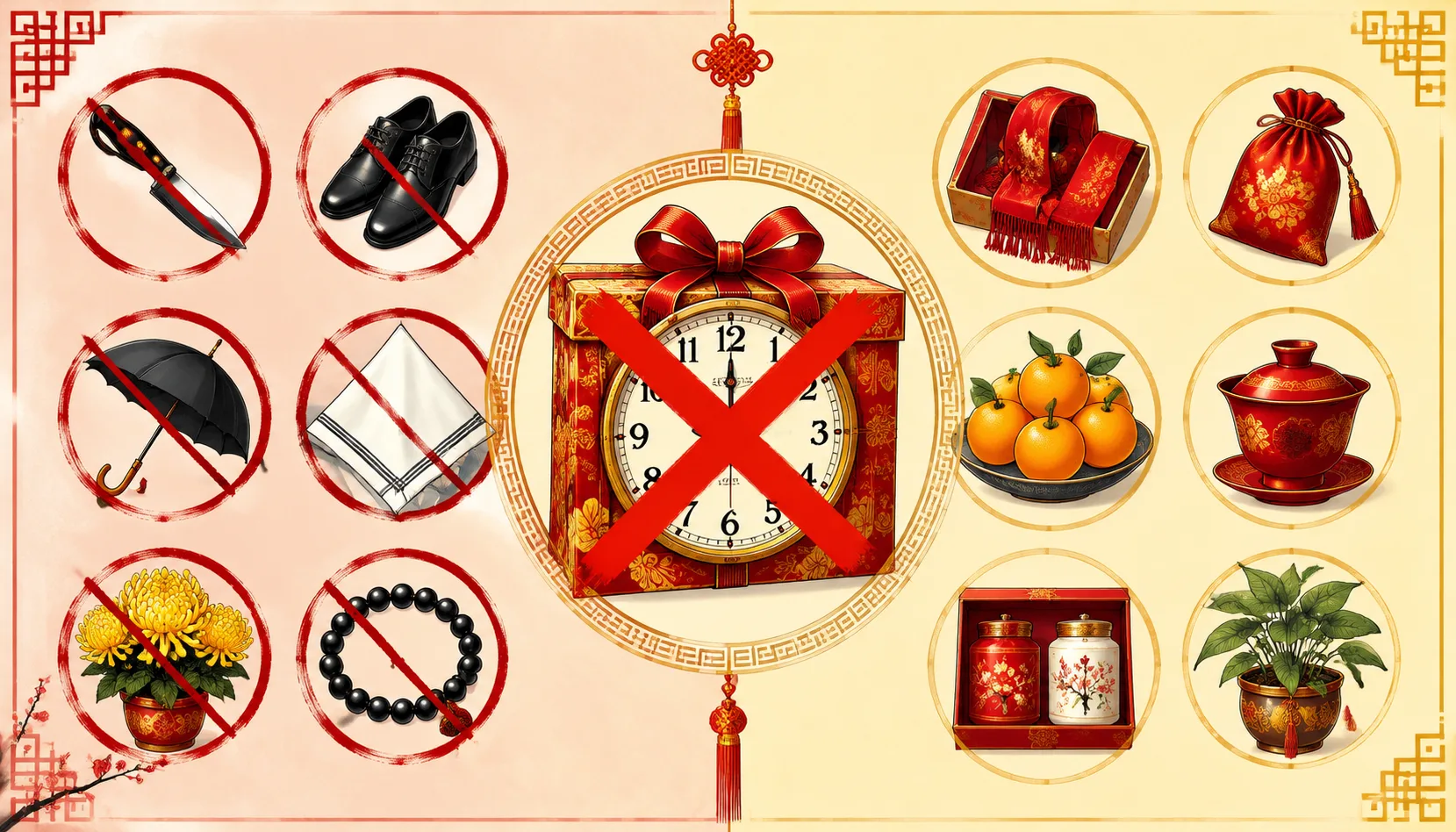
Can You Give a Clock to a Chinese Person?
Traditionally, no. “Giving a clock” (送钟, sòng zhōng) sounds exactly like 送终 (sòng zhōng), an expression for attending to the dying — so clocks and watches are t…
Read the guide →
Buying Medicine in China: Pharmacy Guide for Foreigners
Look for pharmacies with a green cross sign (药). Most common OTC meds are available without a prescription, but antibiotics and many other drugs require a presc…
Read the guide →
China's IV Drip Culture: Why So Many Drips and Can You Refuse?
China's IV drip culture stems from historical patient demand for faster recovery and over-prescription in some clinics, though the government has cracked down o…
Read the guide →