How can foreigners buy medicine in China, and what do they need to know about OTC vs prescription drugs and TCM?
Quick answer
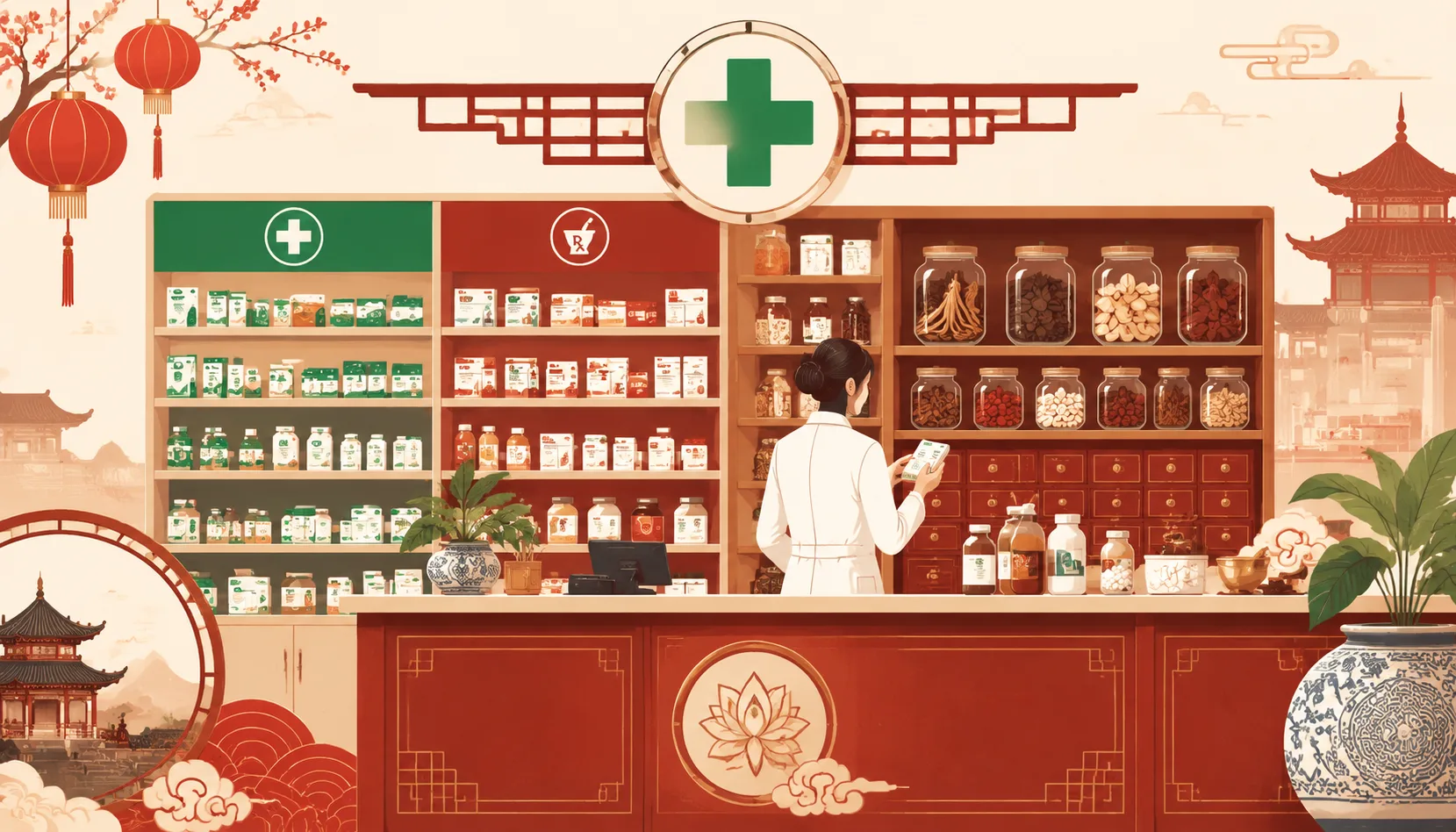
Look for pharmacies with a green cross sign (药). Most common OTC meds are available without a prescription, but antibiotics and many other drugs require a prescription from a registered hospital. Always check labels for active ingredients to avoid double-dosing, and feel free to ask for Western medicine instead of TCM.
Finding a Pharmacy in China
In China, pharmacies are as common as convenience stores. Look for the green cross sign (十字) and the character 药 (yào) on the storefront. Major chains include 老百姓大药房 (Lǎobǎixìng Dà Yàofáng), 国大药房 (Guódà Yàofáng), and 益丰药房 (Yìfēng Yàofáng). These chains are reliable and have consistent stock.
Most pharmacies are open from 9:00 to 21:00, but some 24-hour ones exist in big cities. You’ll find them in residential areas, near hospitals, and inside shopping malls. If you’re in a pinch, use a map app like Amap (高德地图) and search “pharmacy” – it will show the nearest options.
Practical tip: Save a screenshot of the Chinese characters for “pharmacy” (药店 yàodiàn) on your phone. If you’re lost, just show it to a taxi driver or local.
OTC vs Prescription: Understanding the Categories
In China, medicines are divided into two main categories: 处方药 (Chǔfāngyào, prescription drugs) and 非处方药 (Fēichǔfāngyào, OTC). OTC drugs are further split into two subcategories:
- 甲类 (jiǎlèi) – red label, sold under pharmacist supervision. You can buy them without a prescription, but the pharmacist will ask about your symptoms.
- 乙类 (yǐlèi) – green label, freely available on shelves. These are considered safer and can be purchased without any consultation.
Here’s a quick reference table:
| Chinese | Pinyin | English |
|---|---|---|
| 处方药 | Chǔfāngyào | Prescription drug |
| 非处方药 | Fēichǔfāngyào | OTC drug |
| 甲类 | Jiǎlèi | OTC Class A (red label) |
| 乙类 | Yǐlèi | OTC Class B (green label) |
Important: The classification may differ from your home country. Some drugs that are prescription-only in the West (e.g., certain painkillers) might be OTC here, and vice versa. Never assume – always ask the pharmacist or check the label.
Antibiotics: Strict Rules You Must Know
China has tightened antibiotic regulations significantly. In the past, you could walk into any pharmacy and buy amoxicillin over the counter. That era is largely over, especially in cities. Most antibiotics now require a valid prescription from a registered hospital.
If you need antibiotics, you’ll need to see a doctor first. This can be done at a hospital’s outpatient department (门诊, ménzhěn) or at a community clinic. The process is straightforward: register, see a doctor, get a prescription, and then take it to the pharmacy (either hospital pharmacy or any licensed pharmacy).
Practical tip: If you have a chronic condition that requires antibiotics, bring a copy of your medical records and a letter from your home doctor. It may help the Chinese doctor prescribe appropriately. Also, note that some hospitals have English-speaking staff, but it’s wise to have a translation app ready.
Don’t try to buy antibiotics without a prescription – you’ll likely be refused, and it’s not worth the risk of counterfeit or substandard drugs.
What Pharmacists Can Help With (and When to See a Doctor)
Pharmacists in China are generally knowledgeable and can recommend OTC remedies for common ailments like colds, fever, stomach upset, and minor skin issues. They can also help you choose between generic and brand-name versions of the same drug.
However, be aware that pharmacists may have sales commission incentives – they might push more expensive brands or supplements. If you’re unsure about your condition, or if symptoms are severe, see a doctor instead of relying solely on pharmacy advice.
Here are some useful phrases to use at the pharmacy:
| Chinese | Pinyin | English |
|---|---|---|
| 我有这些症状:发烧、咳嗽、头痛。 | Wǒ yǒu zhèxiē zhèngzhuàng: fāshāo, késou, tóutòng. | I have these symptoms: fever, cough, headache. |
| 有便宜一点的版本吗? | Yǒu piányi yīdiǎn de bǎnběn ma? | Is there a cheaper version? |
| 这个药怎么吃? | Zhège yào zěnme chī? | How do I take this medicine? |
| 饭前还是饭后吃? | Fàn qián háishì fàn hòu chī? | Before or after meals? |
Practical tip: Always ask about dosage and timing. Chinese medicine labels often have English, but not always – use a translation app if needed.
Drug Stacking Warning: Check Active Ingredients
Many Chinese cold medicines are compound formulas containing multiple active ingredients. For example, a common cold remedy might include paracetamol (对乙酰氨基酚, duìyǐxiān'ānjīfēn), antihistamines, and caffeine. If you take two different “cold medicines” together, you could double-dose on the same ingredient, leading to liver damage or severe drowsiness.
Always read the label and check the active ingredients. If you’re not sure, ask the pharmacist: “这个药里有什么成分?” (Zhège yào lǐ yǒu shénme chéngfèn? – What are the ingredients in this medicine?).
Practical tip: Stick to one medicine at a time. If you need to combine, wait at least 4-6 hours between doses, and never exceed the maximum daily dose of paracetamol (usually 4g per day for adults).
Scenario: You have a cold and buy “Ganmao Ling” (感冒灵) and also take a Western cold medicine you brought from home. Both contain paracetamol – you could easily exceed the safe limit. Check before you combine.
Traditional Chinese Medicine (TCM): What to Expect
Traditional Chinese Medicine (中医, Zhōngyī) is widely available in China, but you are never forced to use it. If you prefer Western medicine, simply say: “我要西药” (Wǒ yào xīyào – I want Western medicine).
TCM includes acupuncture (针灸, Zhēnjiǔ) and cupping (拔罐, Báguàn), which are often effective for musculoskeletal pain. Many foreigners find these treatments helpful for back pain or sports injuries. You can get them at TCM hospitals or specialized clinics.
TCM herbal decoctions (中药汤剂, Zhōngyào tāngjì) are complex and bitter. If a doctor prescribes them, you can politely decline and ask for Western medicine instead. No doctor will force TCM on you – it’s your choice.
Practical tip: If you’re curious about TCM, start with acupuncture or cupping – they have fewer side effects and are easier to understand. For herbal remedies, ask about potential interactions with any Western drugs you’re taking.
Key Vocabulary and Final Tips
Here’s a summary table of essential pharmacy vocabulary:
| Chinese | Pinyin | English |
|---|---|---|
| 药店 | Yàodiàn | Pharmacy |
| 药 | Yào | Medicine |
| 处方 | Chǔfāng | Prescription |
| 非处方药 | Fēichǔfāngyào | OTC drug |
| 感冒药 | Gǎnmào yào | Cold medicine |
| 止痛药 | Zhǐtòng yào | Painkiller |
| 抗生素 | Kàngshēngsù | Antibiotic |
| 中药 | Zhōngyào | Traditional Chinese Medicine |
| 西药 | Xīyào | Western medicine |
| 成分 | Chéngfèn | Ingredients |
Final tips:
- Bring your passport – some pharmacies may ask for ID when selling certain OTC meds (like cough syrups containing codeine).
- Check expiration dates – Chinese pharmacies are generally reliable, but it’s a good habit.
- Use hospital pharmacies for prescription drugs – they are more likely to have genuine products.
- Keep a list of your regular medications with generic names – this helps when communicating with pharmacists or doctors.
With these tips, you’ll navigate Chinese pharmacies with confidence. Stay safe and healthy!
What Chinese People Actually Say
- 我要买... | wǒ yào mǎi... | "I want to buy..." | Use when requesting any specific medicine
- 有退烧药吗? | yǒu tuì shāo yào ma? | "Do you have fever medicine?" | Replace with any symptom (咳嗽药/咳嗽, 感冒药/感冒)
- 一天吃几次? | yì tiān chī jǐ cì? | "How many times a day?" | Always ask this for dosage instructions
2026 Reality Check
2026 Reality Check: Yes, the basic rule still applies—you need your passport for any prescription medication. But the process has gotten much easier. Most chain pharmacies (like LBX, Renhe, and Guoda) now have English labels or QR codes linking to translations.
Gen Z vs Older Generations: Gen Z mostly uses apps like Meituan or JD Health to order medicine delivery—super fast, no language needed. Older foreigners still prefer walking into pharmacies and pointing at products. Both work fine.
Beijing/Shanghai vs Smaller Cities: Big cities have pharmacies with English-speaking staff, 24-hour delivery, and imported medicines. Smaller cities still struggle—expect language barriers and limited selection. But even there, WeChat Translate on camera solves most problems.
Bottom line: It's way easier than 5 years ago. Just have your passport ready and WeChat installed.
Frequently asked questions
Can I buy antibiotics in China without a prescription?
No. Antibiotics are strictly prescription-only in China. You must see a doctor at a registered hospital or clinic to get a prescription. Some smaller pharmacies may sell them illegally, but this is risky—counterfeit or improperly dosed antibiotics are common. Always go through official channels to protect your health.
What does the green cross pharmacy sign mean in China?
The green cross (with the character 药 for medicine) marks licensed pharmacies, known as yaodian. These are regulated by the government and generally sell both Western and traditional Chinese medicines. Avoid unmarked shops selling pills or herbs, as they may stock counterfeit or unapproved products.
How do I ask for Western medicine instead of traditional Chinese medicine?
Simply say 'xiyao' (Western medicine) when requesting. Pharmacists in urban areas usually stock both. If you prefer TCM, ask for 'zhongyao.' Be specific about your symptoms, and if you're taking other medications, tell the pharmacist to avoid dangerous herb-drug interactions.
Is it safe to buy TCM (traditional Chinese medicine) from a pharmacy?
Yes, from a licensed pharmacy it's generally safe, but TCM can interact with Western drugs and may not be suitable for pregnant women or those with chronic conditions. Always tell the pharmacist about any prescription meds you take. For serious conditions, consult a hospital TCM department rather than self-medicating.
What if I run out of my prescription medication from home?
Bring a copy of your prescription and medical records, ideally translated into Chinese. For common chronic conditions (like hypertension), a hospital doctor can often prescribe an equivalent. However, some drugs—especially psychotropics or narcotics—are tightly controlled and may not be available. Plan ahead with your insurance or a travel health provider.
Can I buy cold medicine or painkillers at a convenience store in China?
No. Even basic OTC meds like ibuprofen or cold remedies are only sold in licensed pharmacies (green cross stores). Convenience stores and supermarkets don't sell them. However, you can buy herbal teas and some traditional remedies at markets, but these aren't regulated as medicines. Always go to a pharmacy for reliable treatment.
Try our tools
Related guides
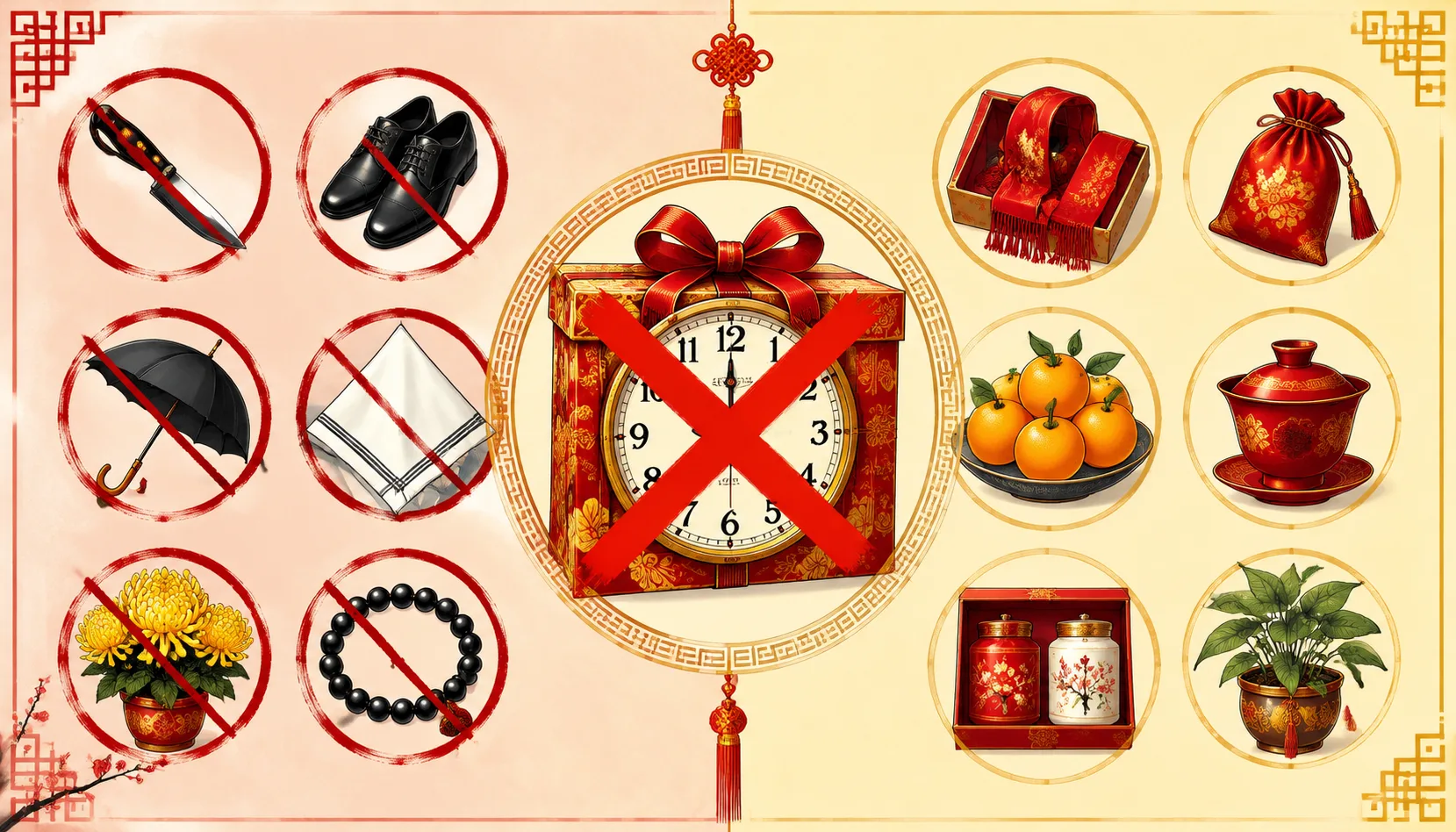
Can You Give a Clock to a Chinese Person?
Traditionally, no. “Giving a clock” (送钟, sòng zhōng) sounds exactly like 送终 (sòng zhōng), an expression for attending to the dying — so clocks and watches are t…
Read the guide →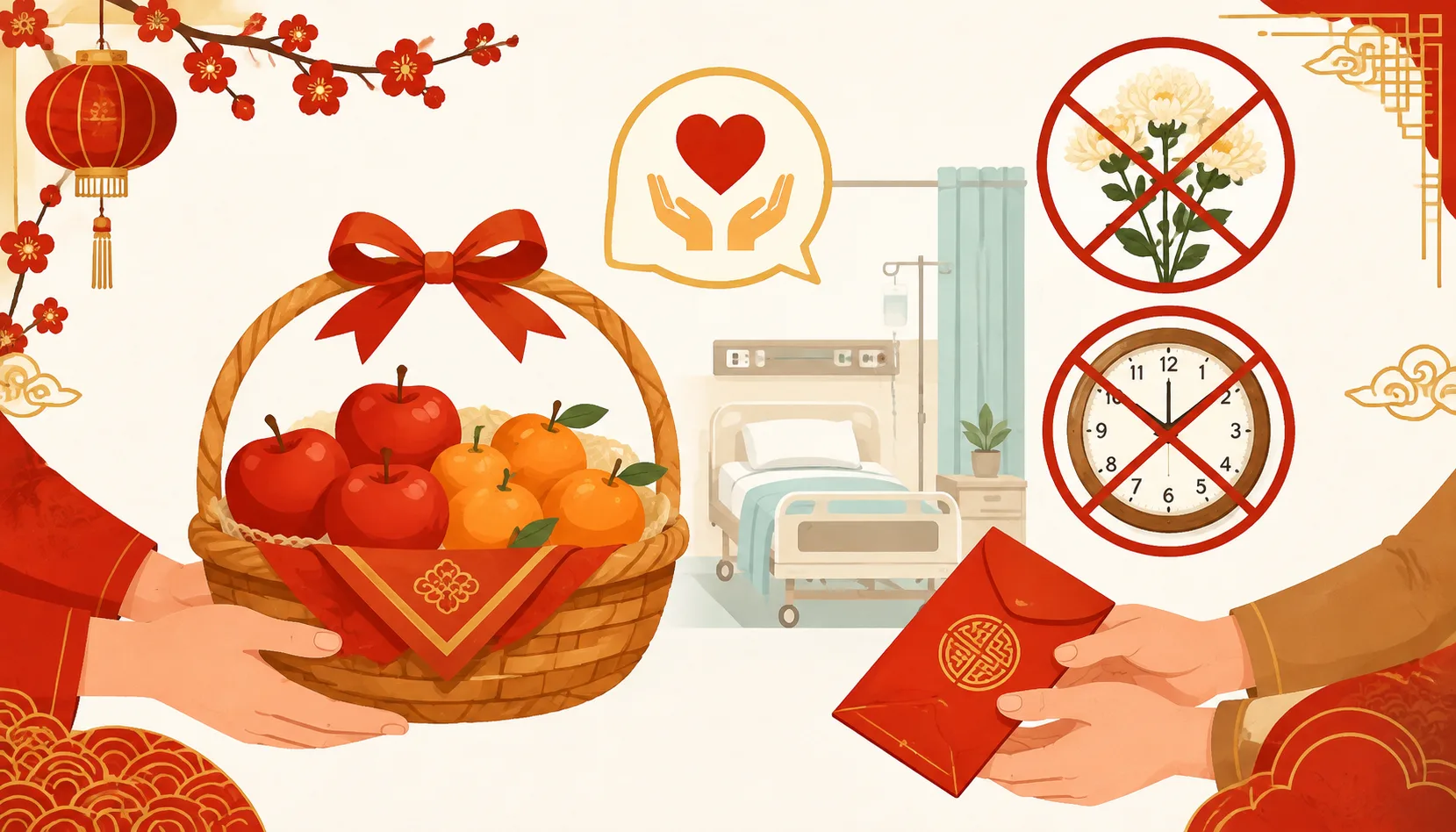
Visiting a Sick Friend in China: Hospital Etiquette Guide
Visit in the afternoon or early evening, keep it to 20–30 minutes, and bring a fruit basket (avoid pears), quality tea, or a red envelope if you're close. Never…
Read the guide →
China's IV Drip Culture: Why So Common and Can You Refuse?
China's IV drip culture stems from historical patient demand for faster recovery and over-prescription in some clinics, though the government has cracked down o…
Read the guide →