Chinese Customs & Traditions
Traditions, symbolism, lucky and unlucky numbers, festivals, and family customs.
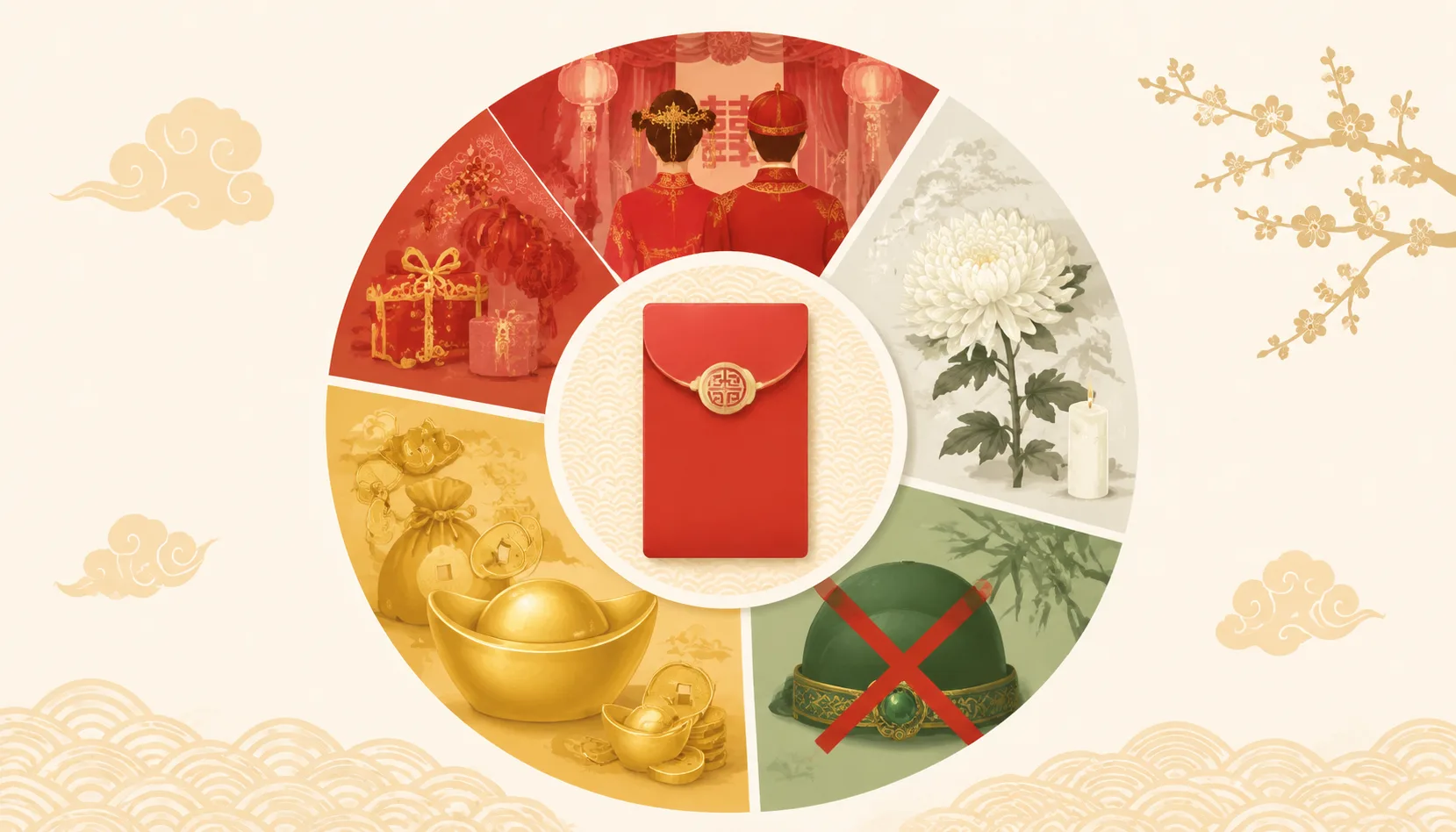
Chinese Color Symbolism: What to Wear & Avoid
Red is widely associated with joy and good fortune in many Chinese celebrations; white and black can carry mourning associations in some traditional settings; g…
Read the guide →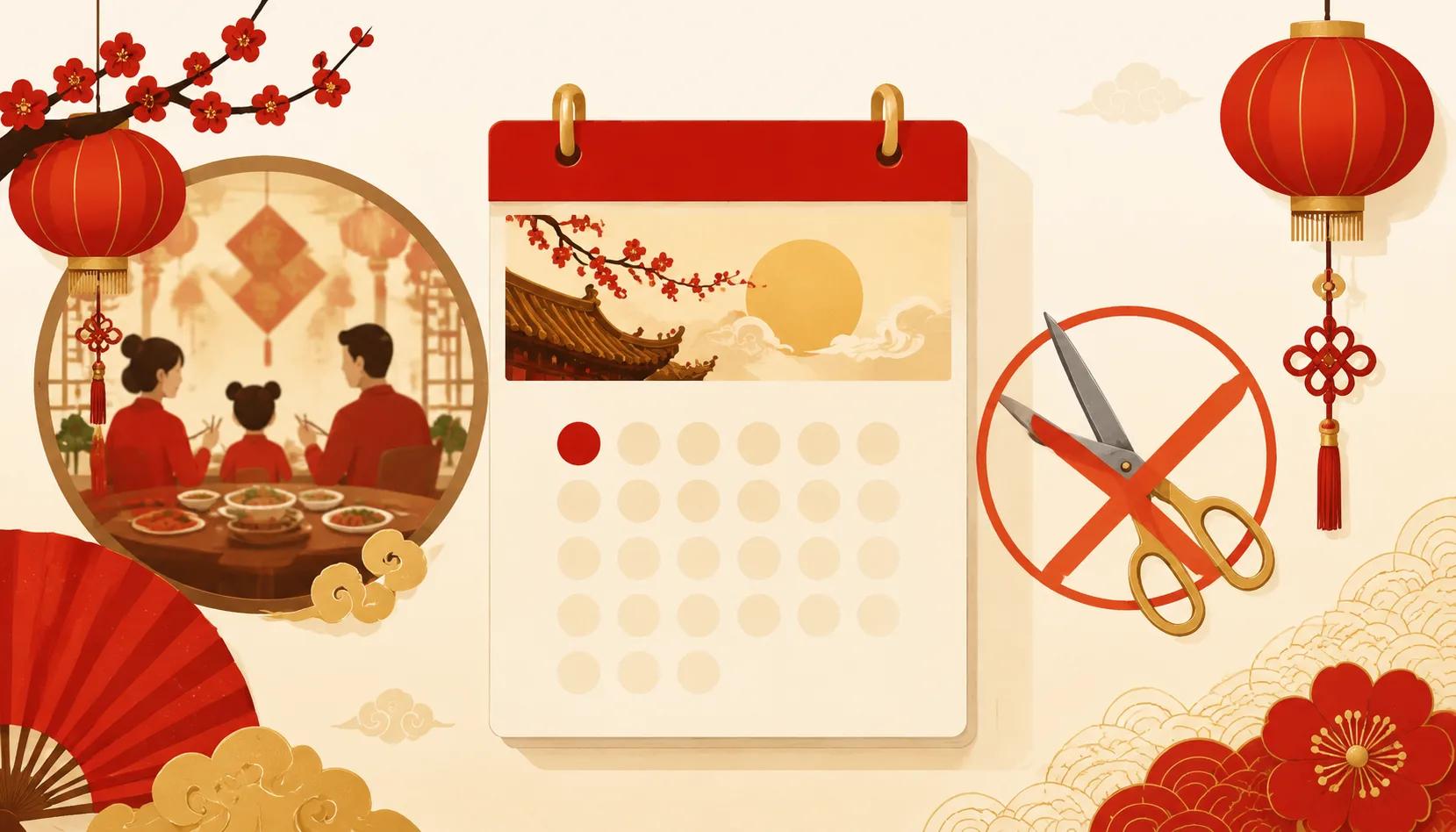
Don't Get a Haircut in the First Lunar Month of the Year
A folk superstition holds that getting a haircut in the first lunar month (正月, zhēngyuè, roughly January–February) will bring bad luck to your maternal uncle. M…
Read the guide →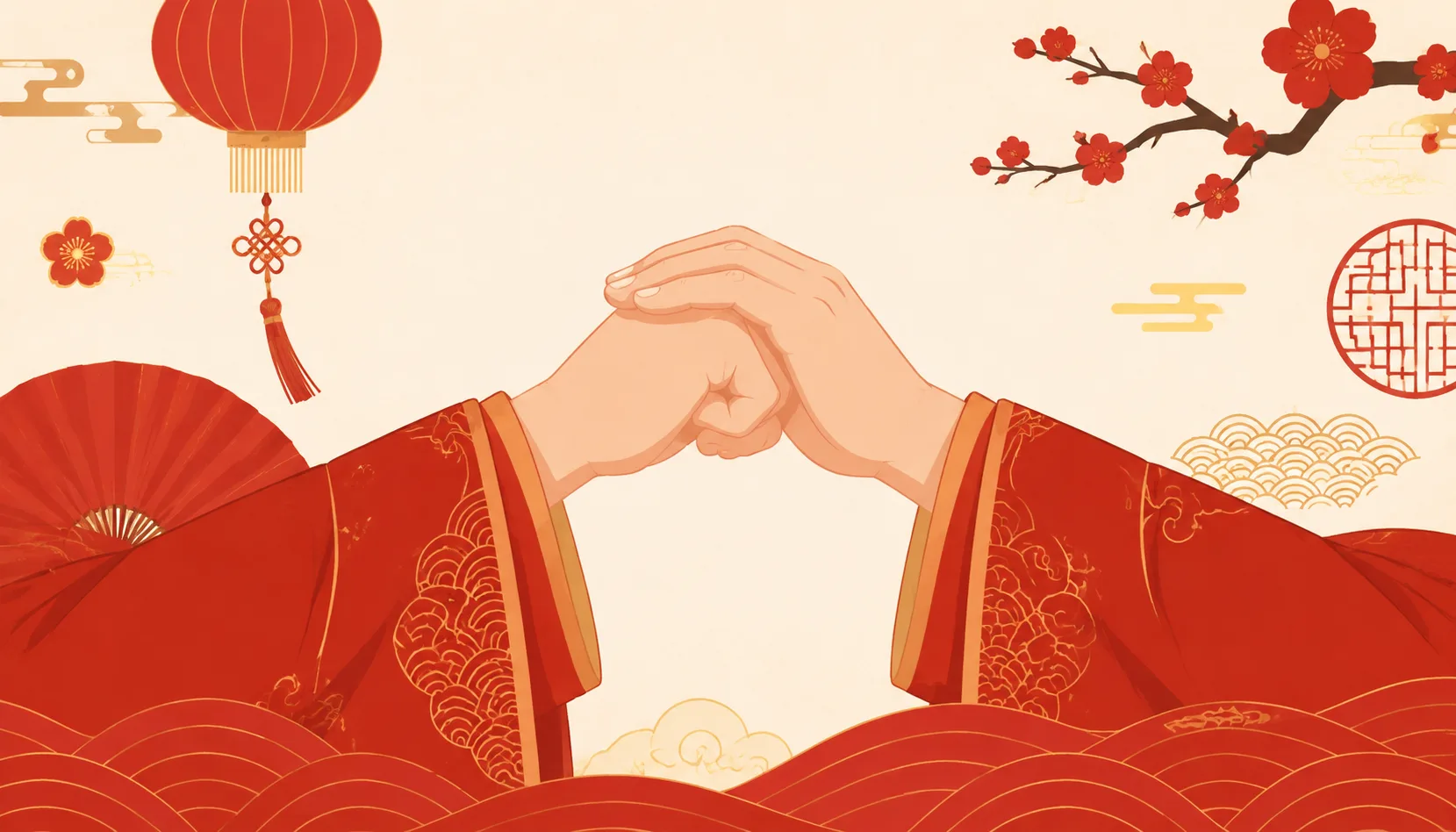
Chinese Bow Greeting (拱手礼): Left Hand Outside or Right?
For happy occasions (New Year, celebrations), left hand goes on the outside. Right hand on the outside is used at funerals. Mixing these up is a significant soc…
Read the guide →
Eye Contact in China: Why Looking Away Shows Respect
In China, sustained direct eye contact with seniors or authority figures can signal challenge, not confidence. Instead, lower your gaze slightly or look away pe…
Read the guide →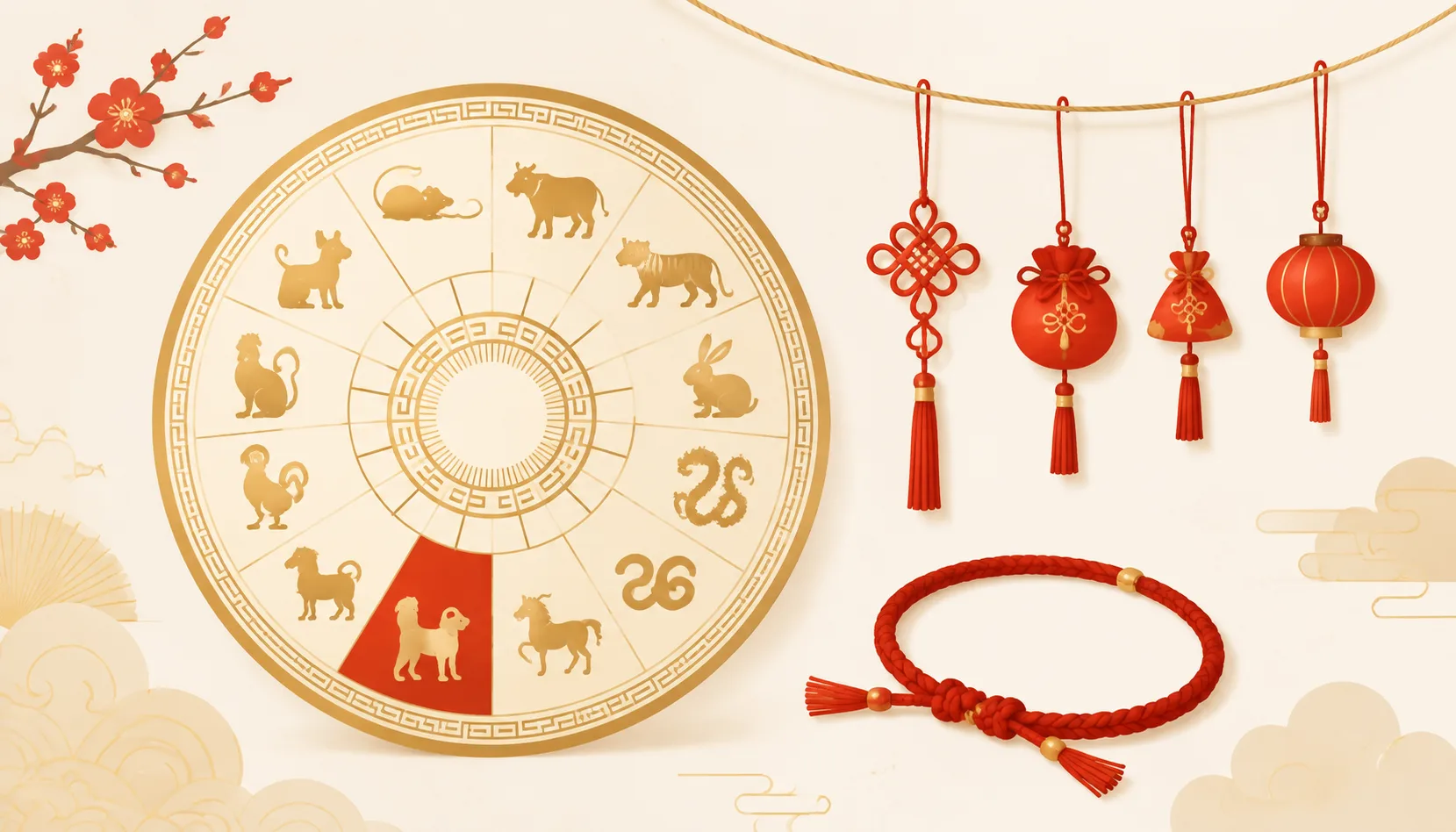
Why Wear Red in Your Chinese Zodiac Year (本命年)
In your zodiac year (本命年, běn mìng nián) — the year matching your birth animal — Chinese tradition says you are more vulnerable to bad luck. Wearing red underga…
Read the guide →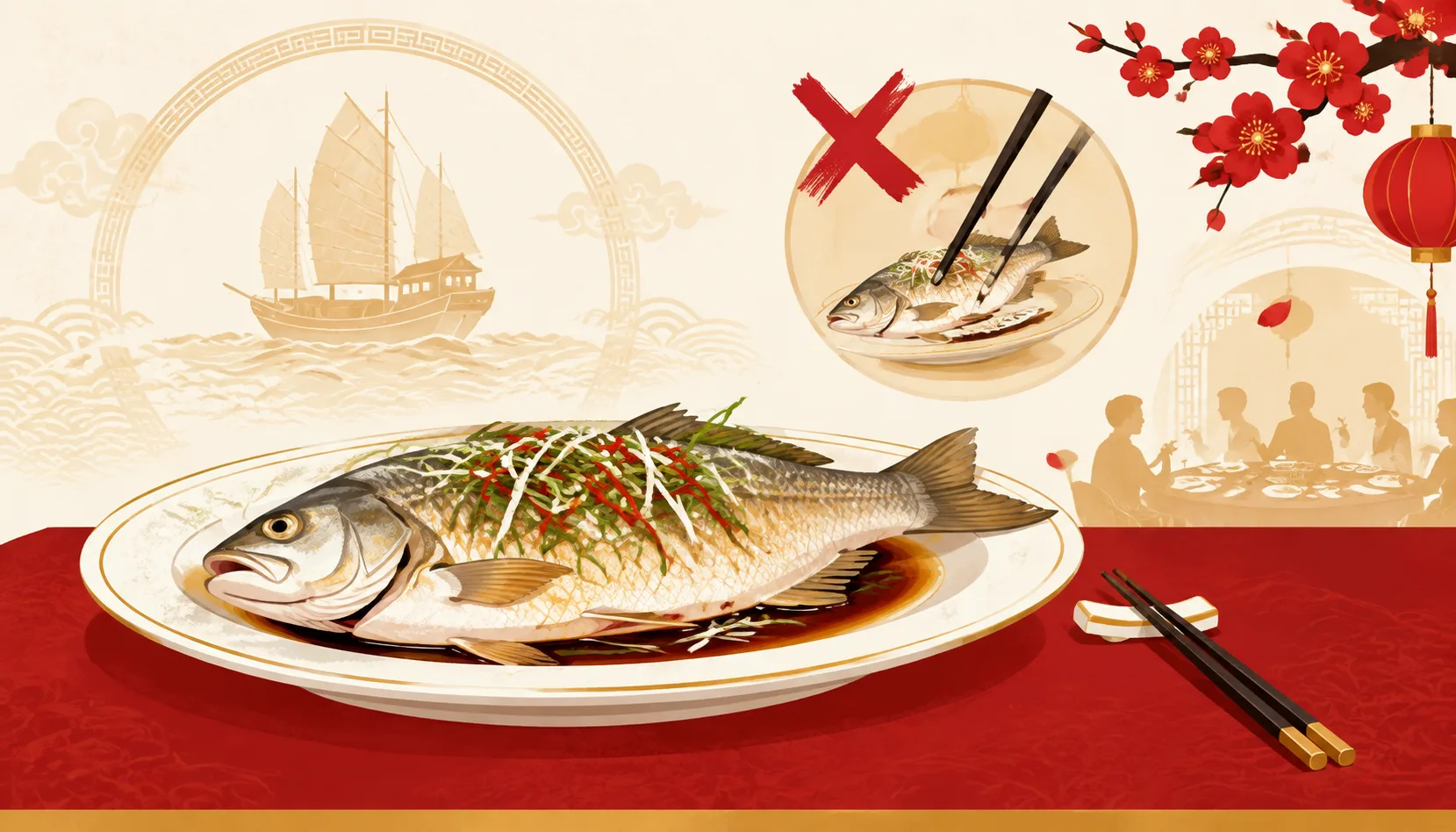
Never Say 'Flip' or Turn the Fish Upside Down at the Table
Yes. When eating a whole fish, never flip it upside down or say the word 'flip' (翻, fān). This is considered bad luck, especially in coastal communities where i…
Read the guide →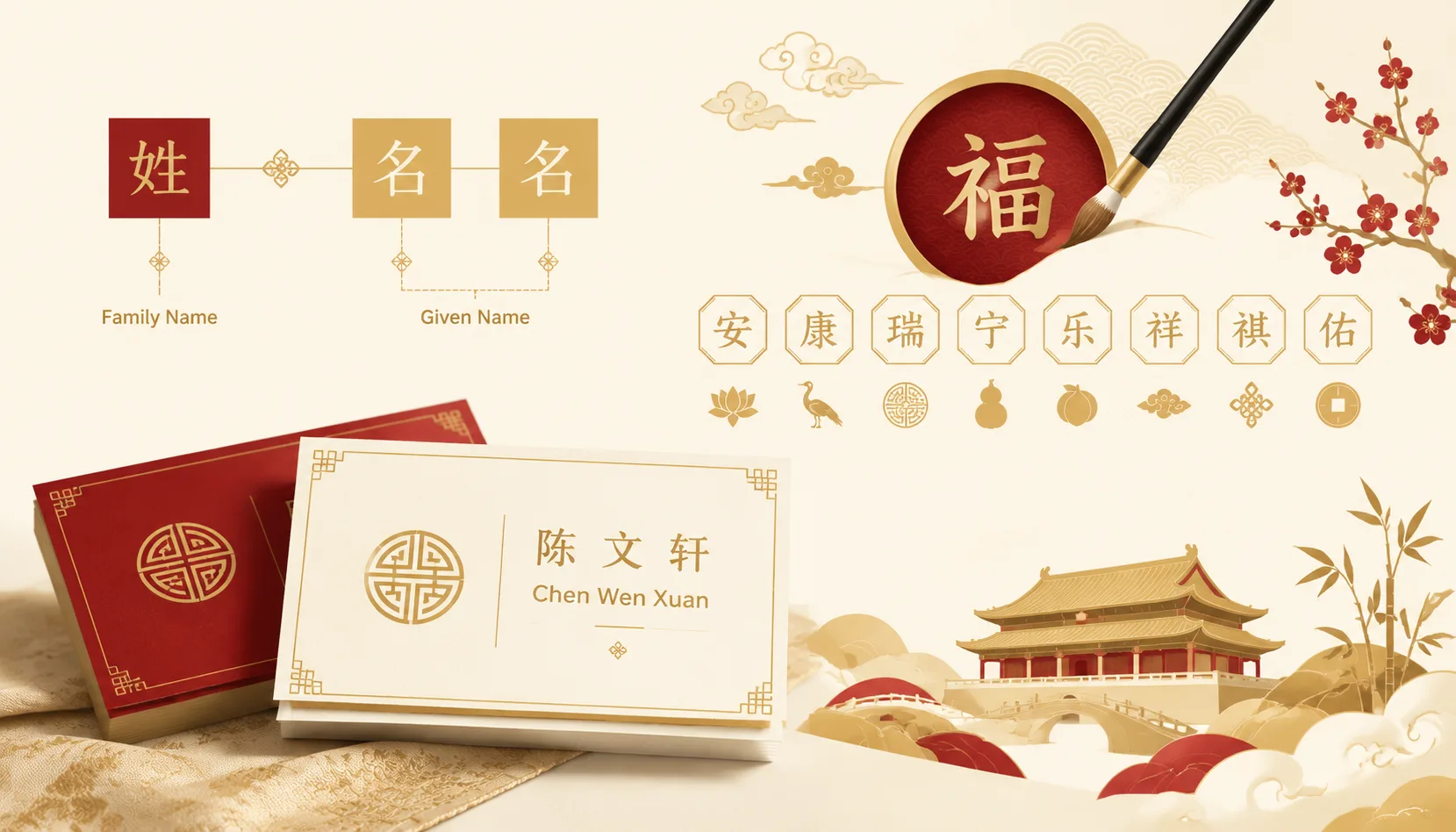
Chinese Naming Customs: How to Address People Correctly
Chinese names put the family name first (e.g., Wang Wei – Wang is the family name). Always address someone by their full name or title + family name (e.g., Mana…
Read the guide →
Chengdu Etiquette: What Foreigners Get Wrong in Sichuan
Chengdu is more relaxed than Beijing or Shanghai, but foreigners still commonly make mistakes with tea etiquette, tipping, bargaining, and social dining customs…
Read the guide →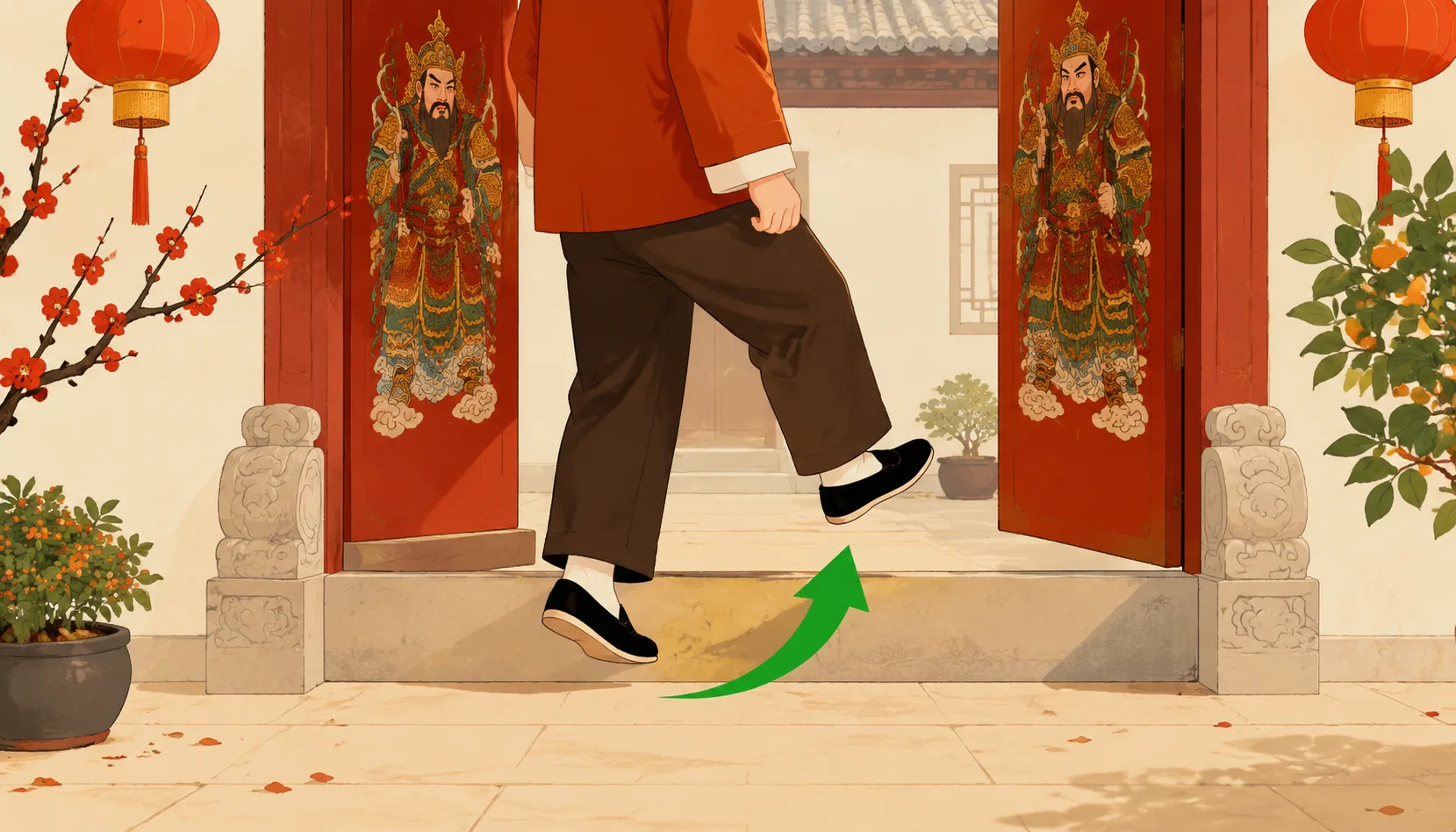
Step Over, Not On: Door Threshold Etiquette in China
Stepping on the threshold is considered disrespectful and bad luck. Always step over it, not on it.
Read the guide →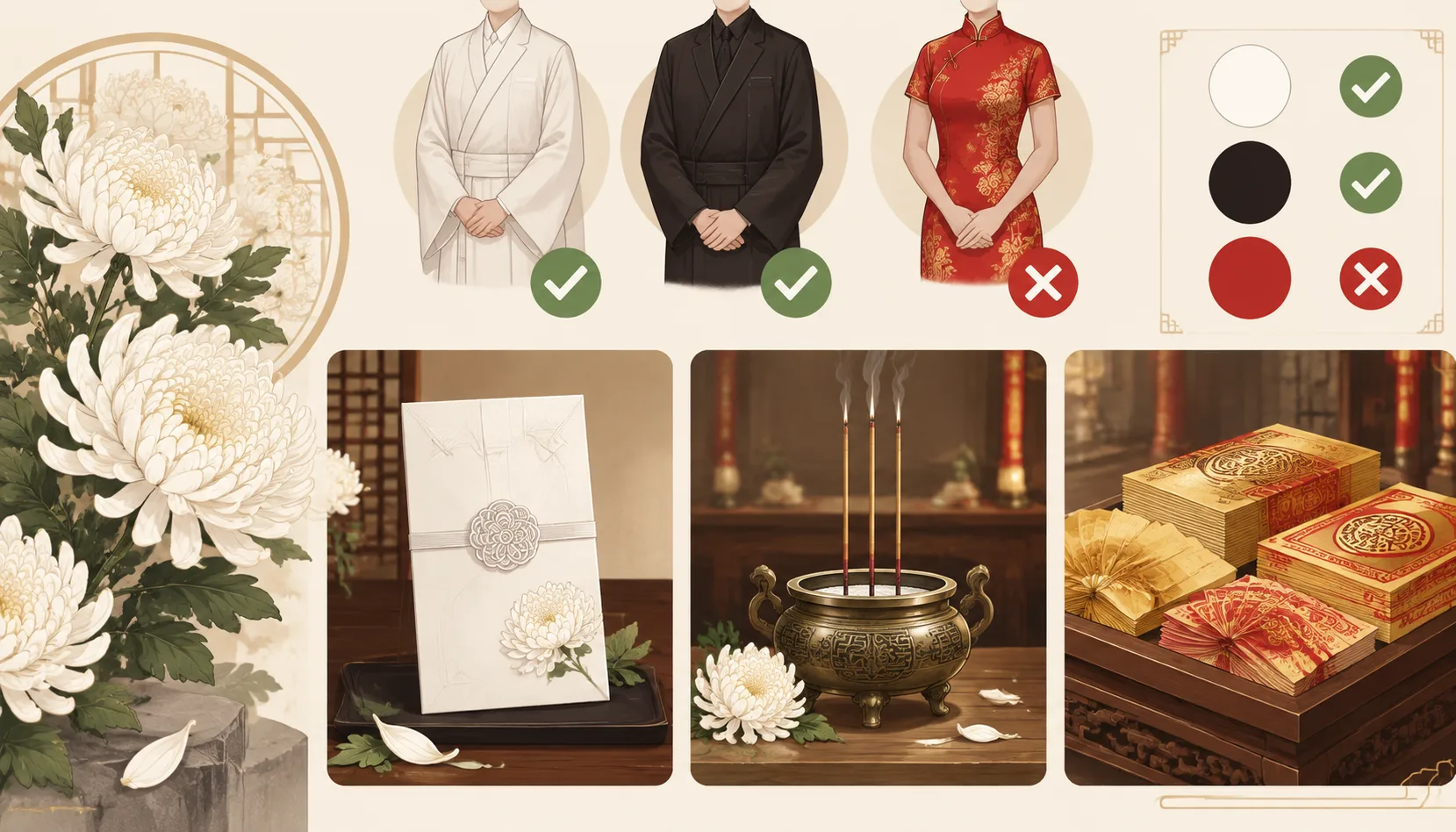
Chinese Funeral Customs: What Foreigners Must Know
Wear black or white, avoid red and bright colors. Bring a white envelope with cash in an even amount (no 4s) and white flowers — never red roses. Offer brief co…
Read the guide →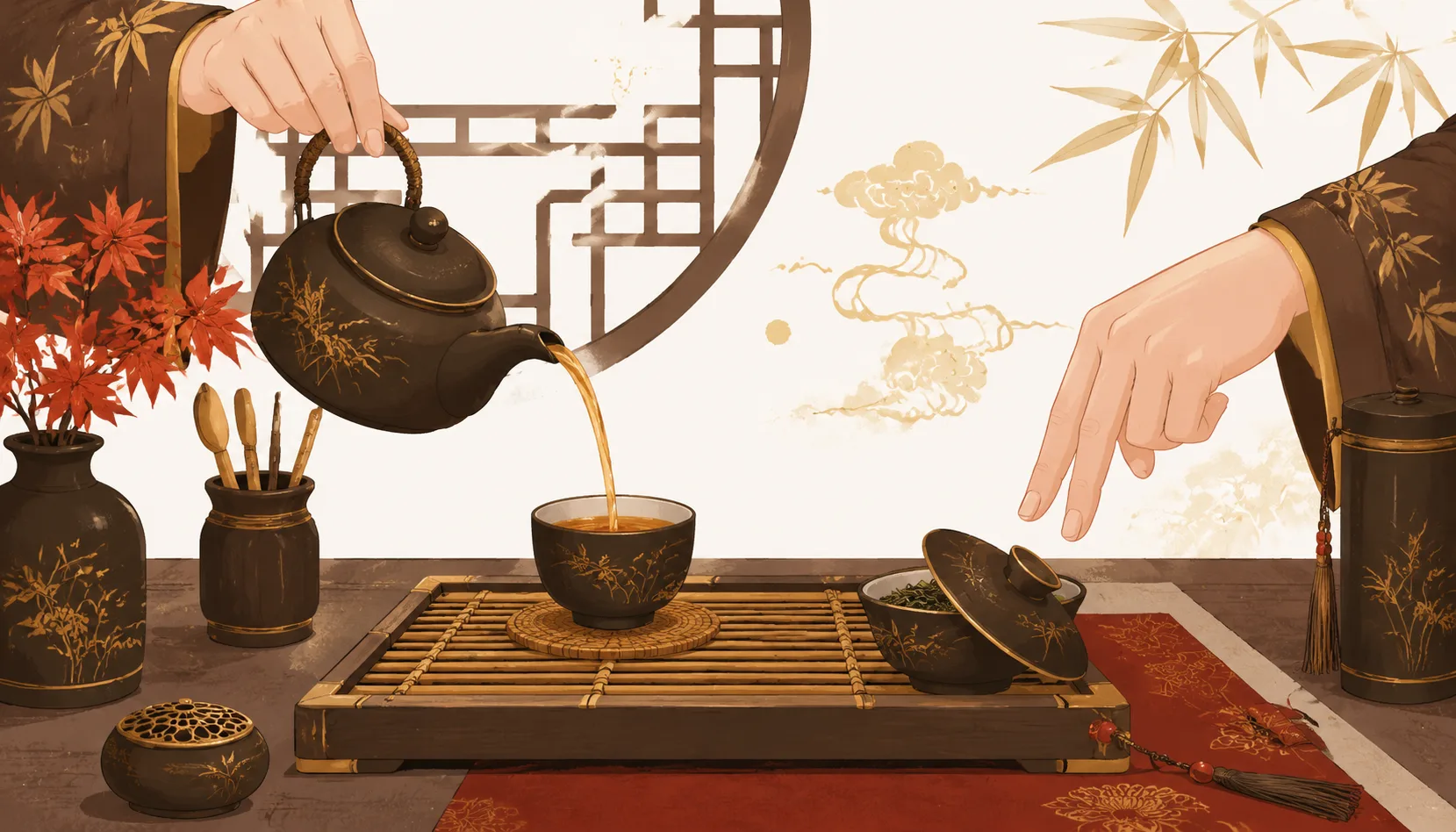
Chinese Tea Etiquette: Knuckle Tap, Pouring Rules & Signals
When someone pours your tea, tap the table with two fingers (index and middle) to say thanks. Always pour for others before yourself, and keep their cups filled…
Read the guide →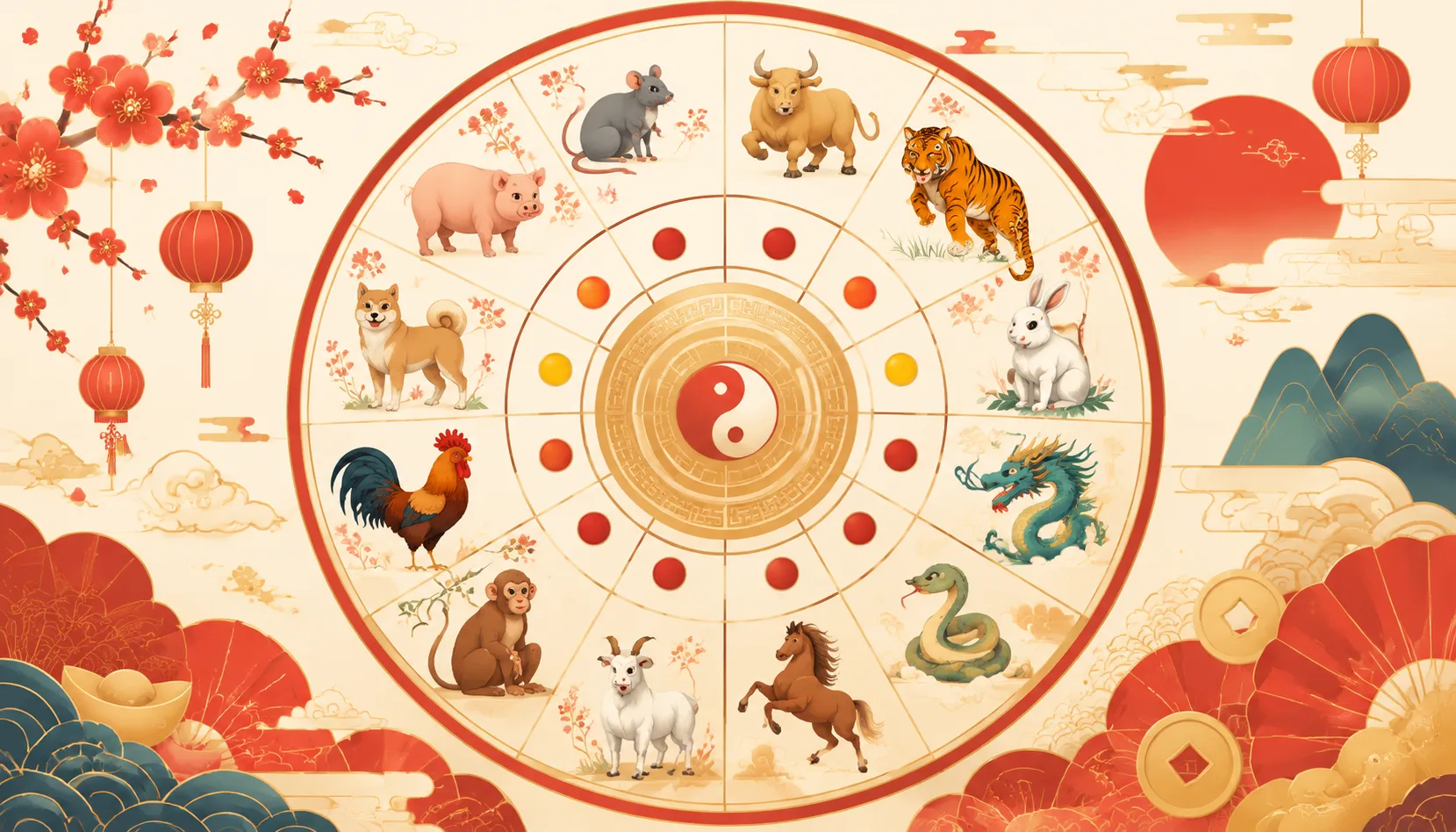
Chinese Zodiac in Daily Life: What Expats Need to Know
The Chinese zodiac influences everything from gift-giving and wedding dates to office dynamics and personal decisions. Many Chinese people consult zodiac compat…
Read the guide →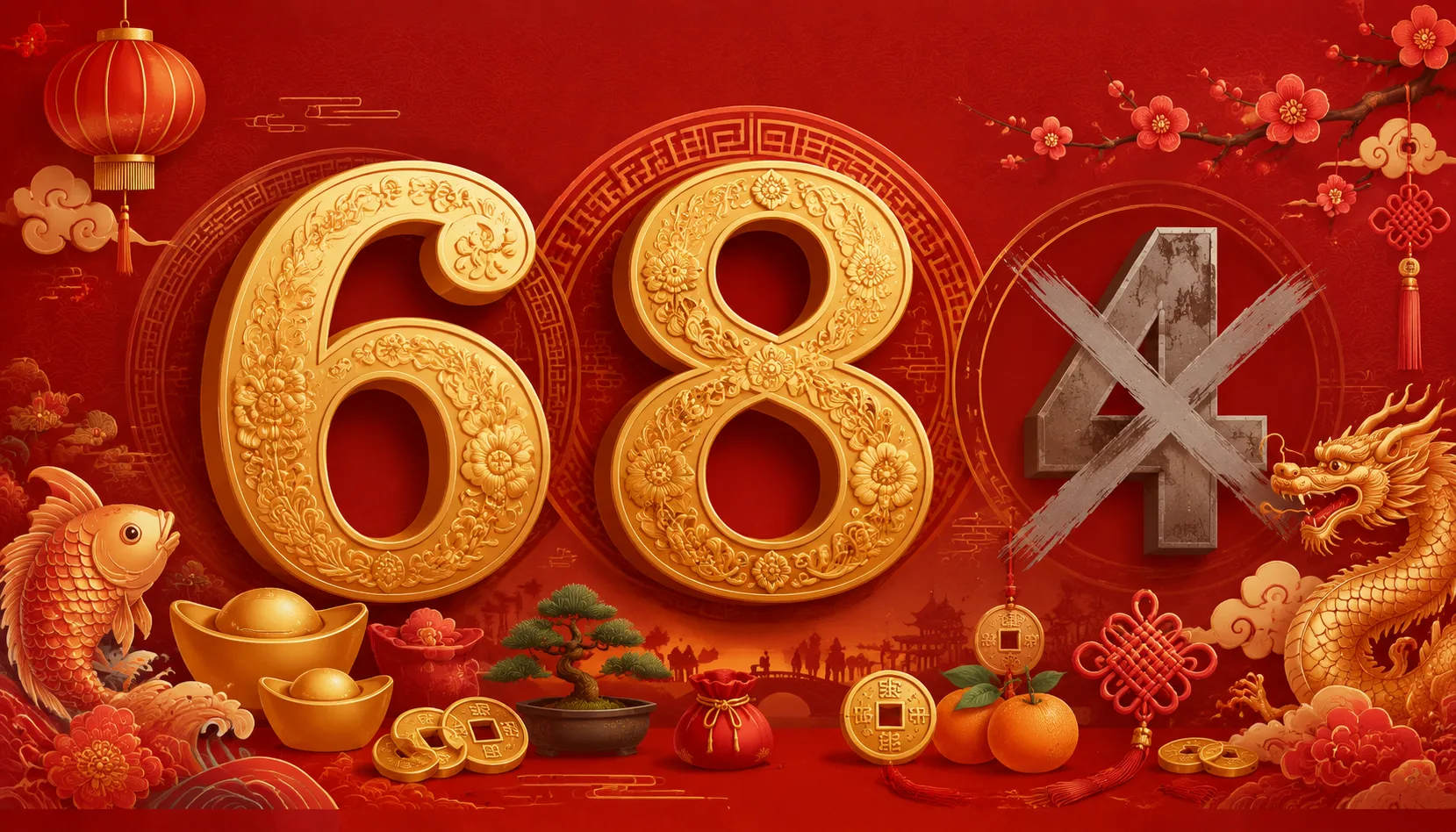
Chinese Lucky and Unlucky Numbers: Why 8 Is Gold, 4 Is Fatal
In China, 8 is the luckiest number (sounds like 'prosper'), 6 means smooth sailing, and 9 means longevity. The number 4 is avoided like death — because it sound…
Read the guide →
Public Park Etiquette in China: Exercise & Square Dancing
When visiting Chinese public parks, observe group activities like tai chi and square dancing from a respectful distance, keep noise levels moderate, and never i…
Read the guide →
Chinese School Etiquette for Expat Parents: Gifts & Meetings
In Chinese schools, building respectful relationships with teachers through appropriate gift-giving and active participation in parent-teacher meetings is essen…
Read the guide →
Taking Didi in China: Etiquette and Rating System
Didi is China's essential ride-hailing service, and understanding local etiquette around pickup points, communication, and the rating system ensures smooth trip…
Read the guide →
Chinese Massage and Spa Etiquette Guide for Foreigners
Always remove your shoes at the entrance and follow the staff's guidance on changing into provided garments—Chinese spas operate on a strict hygiene protocol. N…
Read the guide →
Renting an Apartment in China as a Foreigner: Key Rules
Renting in China as a foreigner requires building personal trust with landlords, often through real estate agencies, and understanding that relationship-buildin…
Read the guide →
Temple Etiquette in China: What to Wear and What Not to Do
When visiting Chinese temples, foreigners should dress modestly by covering shoulders and knees, remove hats and sunglasses, and follow local customs like bowin…
Read the guide →
China vs Japan Etiquette: 12 Differences Foreigners Miss
China and Japan share Confucian roots but have distinct etiquette practices. In China, communication tends to be more direct with hierarchical customs, while Ja…
Read the guide →
WeChat Pay & Alipay for Foreigners 2026: Setup & Etiquette
Foreigners can now use WeChat Pay and Alipay by linking international credit cards (Visa, Mastercard, American Express) through the 'Foreign Card' feature. For …
Read the guide →
Beijing Etiquette for Foreigners: Rules That Matter
Beijing etiquette centers on showing respect through proper greetings, gift-giving, and dining customs. Always use both hands for business cards, avoid sticking…
Read the guide →
Shanghai Etiquette for Foreigners: What's Different vs China
Shanghai blends international business customs with Chinese traditions in ways that differ significantly from Beijing and smaller cities. As China's most global…
Read the guide →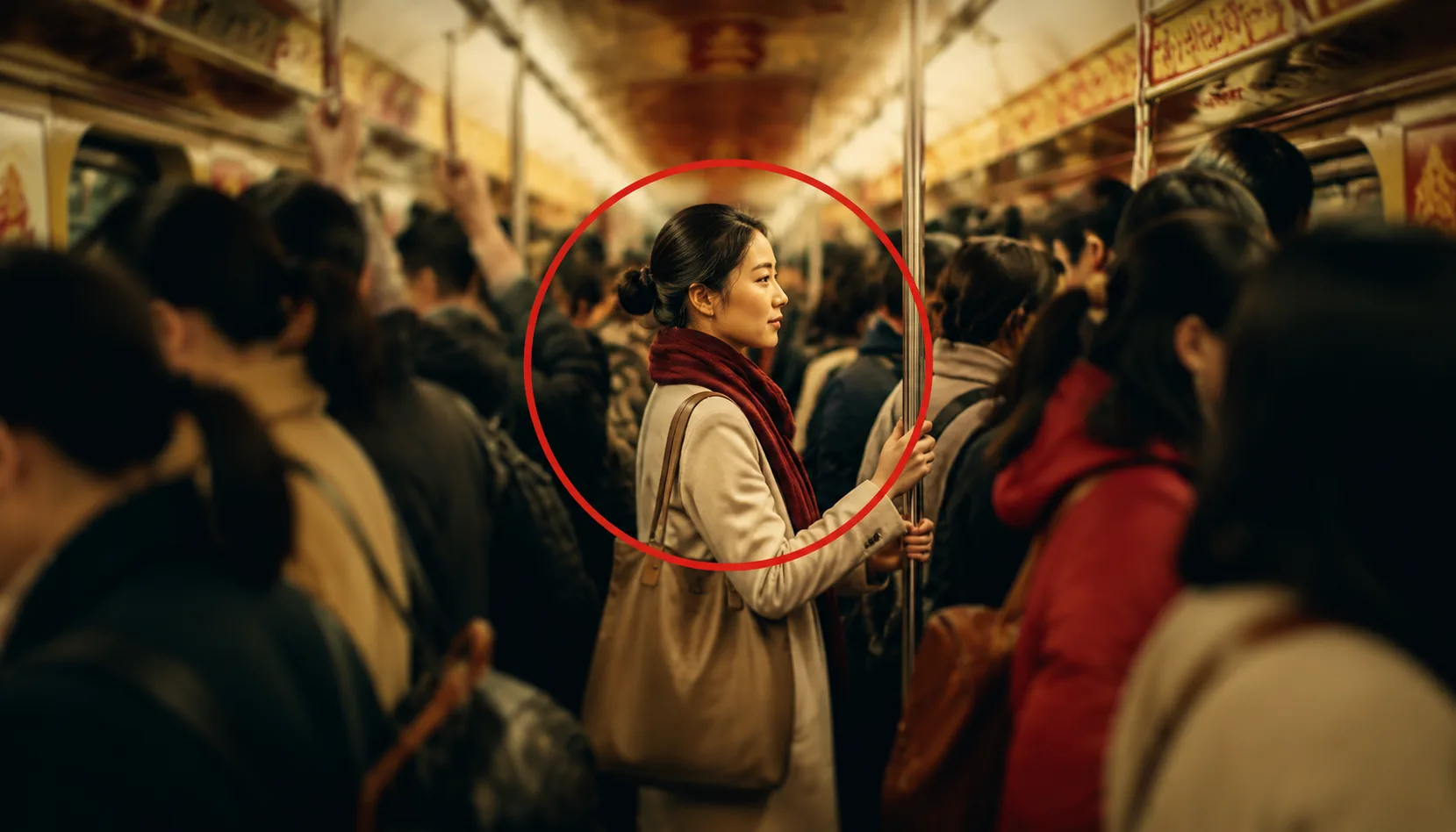
Personal Space in China: Why Someone Stands So Close
In China, close physical proximity isn’t rudeness—it’s a practical response to dense urban living, where space is scarce and efficiency rules. With over 1.4 bil…
Read the guide →