Temple Etiquette in China: What to Wear and What Not to Do

Quick answer
When visiting Chinese temples, foreigners should dress modestly by covering shoulders and knees, remove hats and sunglasses, and follow local customs like bowing before statues while avoiding pointing at sacred objects. Key taboos include not stepping on door thresholds, not taking photos where prohibited, and maintaining a quiet, respectful demeanor throughout your visit.
Quick Answer
When visiting Chinese temples, foreigners should dress modestly by covering shoulders and knees, remove hats and sunglasses, and follow local customs like bowing before statues while avoiding pointing at sacred objects. Key taboos include not stepping on door thresholds, not taking photos where prohibited, and maintaining a quiet, respectful demeanor throughout your visit.
DO
- Remove your hat and sunglasses before entering
- Cover your shoulders and knees
- Speak quietly and walk softly
- Bow slightly before Buddha statues (双手合十, shuāng shǒu hé shí)
- Use your right hand for giving or receiving items
- Remove shoes when entering certain halls
- Follow the clockwise direction when circling sacred objects
- Ask permission before photographing ceremonies
- Dress in modest, neutral colors
- Accept tea or incense offered to you politely
DON'T
- Point your finger at Buddha statues or altars
- Step on door thresholds (门槛, mén kǎn)
- Take photos where signs prohibit it
- Wear shorts, tank tops, or revealing clothing
- Point your feet at Buddha statues
- Make noise or laugh loudly inside halls
- Touch or lean on ancient structures
- Eat or drink inside temple grounds (except designated areas)
- Show public affection near altars
- Critique or compare religious beliefs
Why This Matters
Chinese temples are not just tourist attractions—they are living centers of worship where millions of people practice Buddhism, Taoism, and folk religions daily. Understanding temple etiquette demonstrates respect for Chinese culture and ensures you don't inadvertently cause offense or disrupt religious ceremonies. Many foreigners unknowingly commit cultural faux pas that, while not intentionally disrespectful, can frustrate local worshippers and temple staff. Beyond basic politeness, understanding the meaning behind the rituals transforms your visit from a superficial photo opportunity into a meaningful cultural exchange. The practices you observe—from the burning of incense (香, xiāng) to the prostration ceremonies—carry centuries of philosophical meaning about humility, gratitude, and the connection between the living and the divine. When you understand why certain behaviors are expected, you become a more thoughtful traveler and often receive warmer welcomes from locals who appreciate your cultural sensitivity.
Regional and Generational Differences
Temple etiquette varies significantly across China's diverse regions, and understanding these differences can help you navigate local expectations more effectively. In major cosmopolitan cities like Beijing and Shanghai, temples have adapted to international tourism and often provide clear English signage, designated photo areas, and more relaxed enforcement of traditional rules. At famous sites like the Temple of Heaven (天坛, Tiāntán) in Beijing or the Jing'an Temple in Shanghai, you'll find many foreigners, and staff are accustomed to visitors who may not know every custom. However, in smaller cities and rural areas, particularly at smaller temples off the beaten tourist path, expectations for traditional behavior remain much stricter. Local worshippers may be more visibly uncomfortable with loud or inappropriate behavior, and temple guardians (often elderly volunteers) may be more direct in correcting visitors. Generational differences also play a significant role. Older Chinese visitors (60+) typically maintain traditional practices, including full prostrations, specific prayer postures, and elaborate offerings. Middle-aged visitors often perform simplified versions of these rituals. Younger Chinese, including Gen Z (born after 1995), approach temple visits differently—many treat them as cultural tourism experiences rather than religious observance, though they still observe basic respectful behavior. Some young people blend traditional elements with modern social media culture, creating unique hybrid practices like making offerings while live-streaming their visits. This generational shift means you'll encounter a wide range of behaviors at any given temple, from elderly devotees in deep prayer to young couples taking selfies with elaborate temple architecture.
What Chinese People Actually Say
- 「请保持安静」 (qǐng bǎo chí ān jìng) - Please keep quiet
- 「请脱帽」 (qǐng tuō mào) - Please remove your hat
- 「这里不能拍照」 (zhè lǐ bù néng pāi zhào) - No photos allowed here
- 「请穿上长裤」 (qǐng chuān shàng cháng kù) - Please wear long pants
- 「不要踩门槛」 (bù yào cǎi mén kǎn) - Don't step on the threshold
- 「请点香」 (qǐng diǎn xiāng) - Please light the incense
- 「拜一拜」 (bài yi bài) - Bow and pay respects
- 「功德箱」 (gōng dé xiāng) - Merit box (for donations)
- 「许个愿吧」 (xǔ gè yuàn ba) - Make a wish
- 「求签」 (qiú qiān) - Draw a fortune stick
2026 Reality Check
As of 2026, Chinese temple tourism has evolved significantly post-pandemic, with several key changes foreigners should know. Digital payment is now standard at virtually all temples—most no longer accept cash for tickets, donations, or fortune-telling services. Many major temples have implemented timed entry reservations through apps like Alipay or WeChat, so booking ahead is essential. QR codes throughout temples provide multilingual audio guides, making it easier to understand ritual meanings without a physical guide. Some temples have introduced designated "photo zones" where photography is permitted, addressing the tension between tourists wanting pictures and worshippers seeking peaceful contemplation. Additionally, younger temple staff and volunteers are often more accustomed to explaining customs to foreigners in basic English, though learning a few Chinese phrases still goes a long way. Be aware that some smaller temples have restricted visitor hours to protect religious activities—arrive early to avoid disappointment. Finally, sustainability practices have improved: many temples now offer eco-friendly incense alternatives and have reduced traditional burning practices in response to environmental concerns, so don't be alarmed if you see different offerings than those described in older travel guides.
Related guides
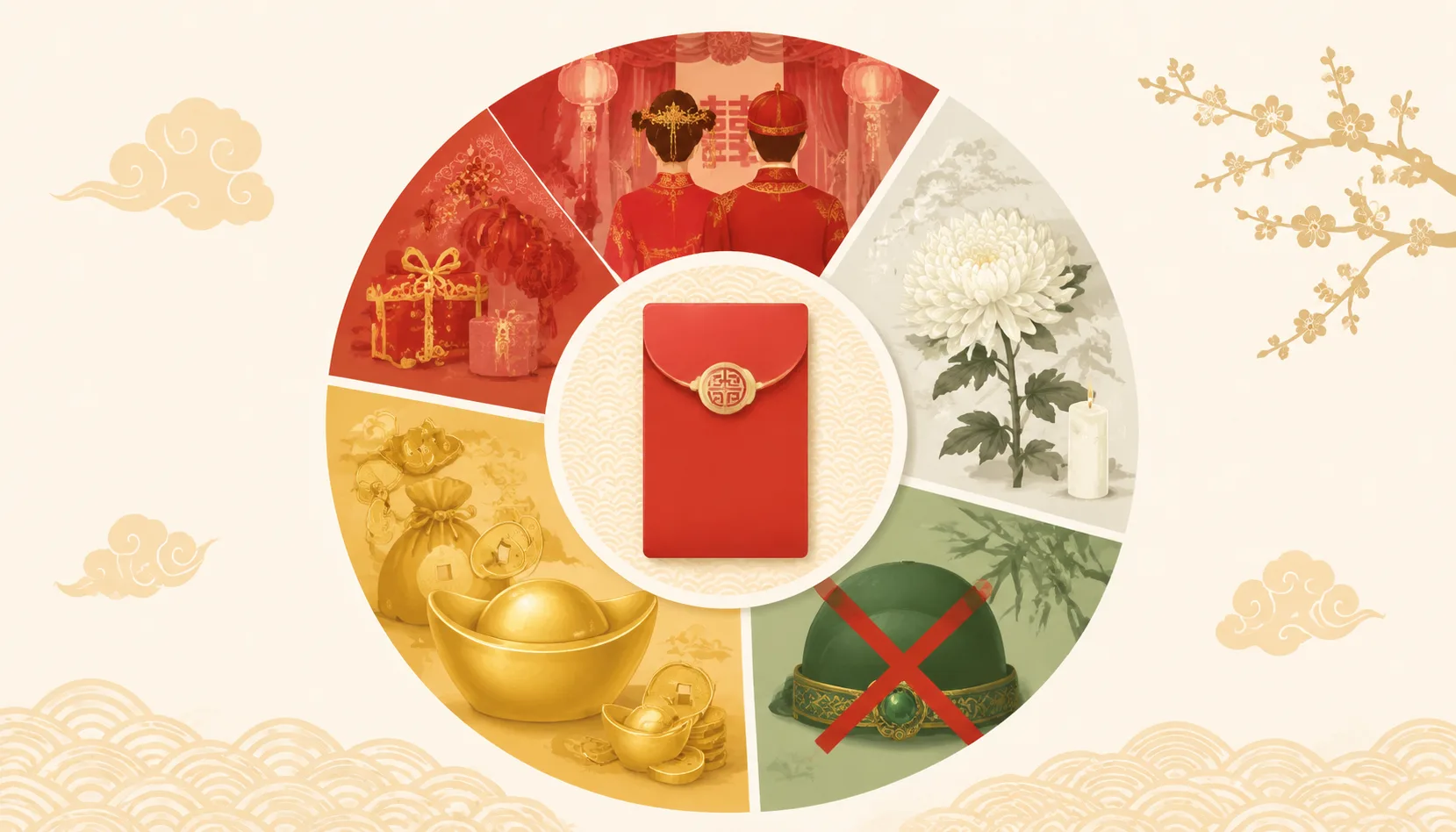
Chinese Color Symbolism: What to Wear & Avoid
Red is widely associated with joy and good fortune in many Chinese celebrations; white and black can carry mourning associations in some traditional settings; g…
Read the guide →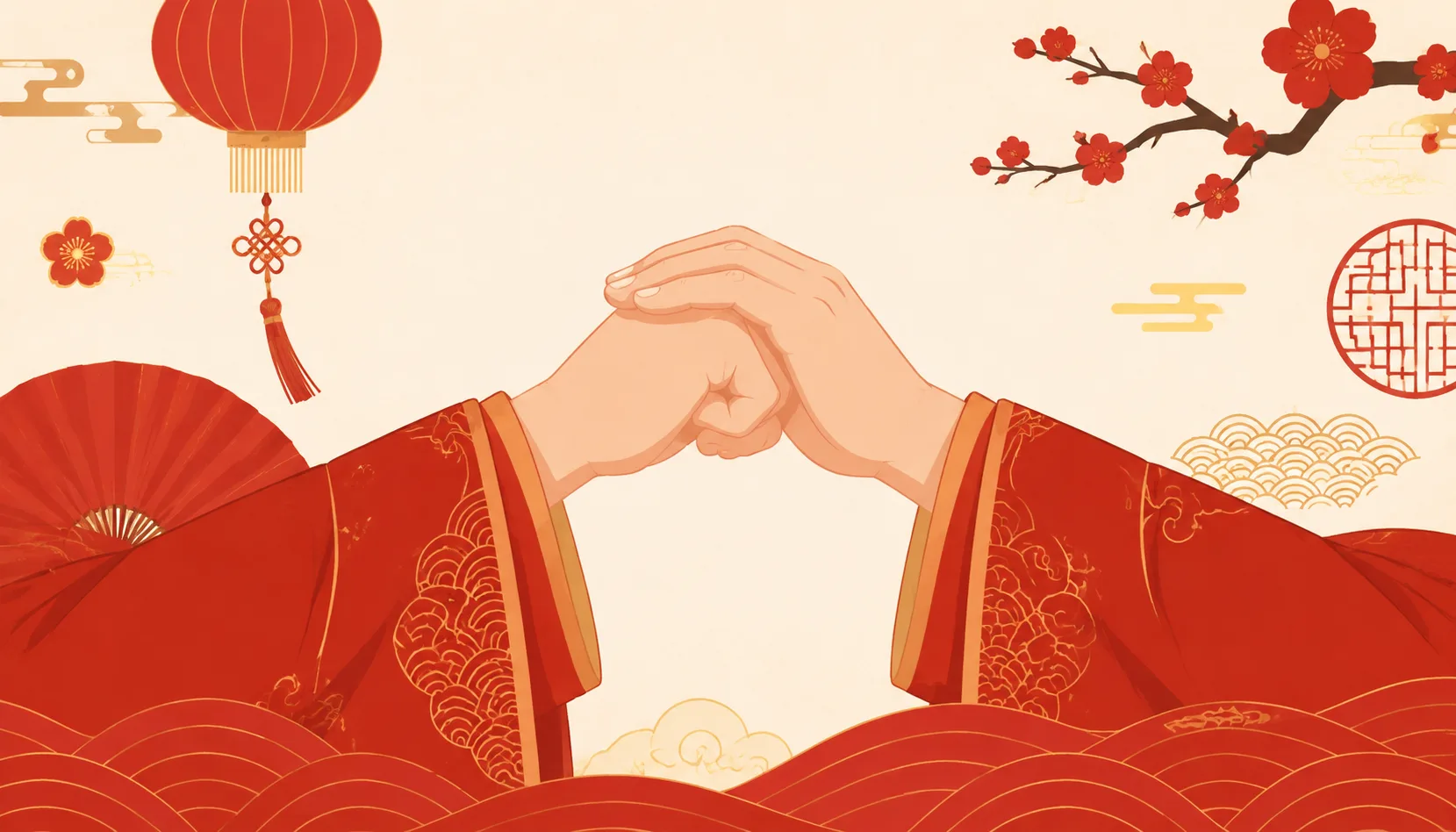
Chinese Bow Greeting (拱手礼): Left Hand Outside or Right?
For happy occasions (New Year, celebrations), left hand goes on the outside. Right hand on the outside is used at funerals. Mixing these up is a significant soc…
Read the guide →
Don't Get a Haircut in the First Lunar Month of the Year
A folk superstition holds that getting a haircut in the first lunar month (正月, zhēngyuè, roughly January–February) will bring bad luck to your maternal uncle. M…
Read the guide →