Why do some Chinese people avoid cutting their hair in the first lunar month?
Quick answer
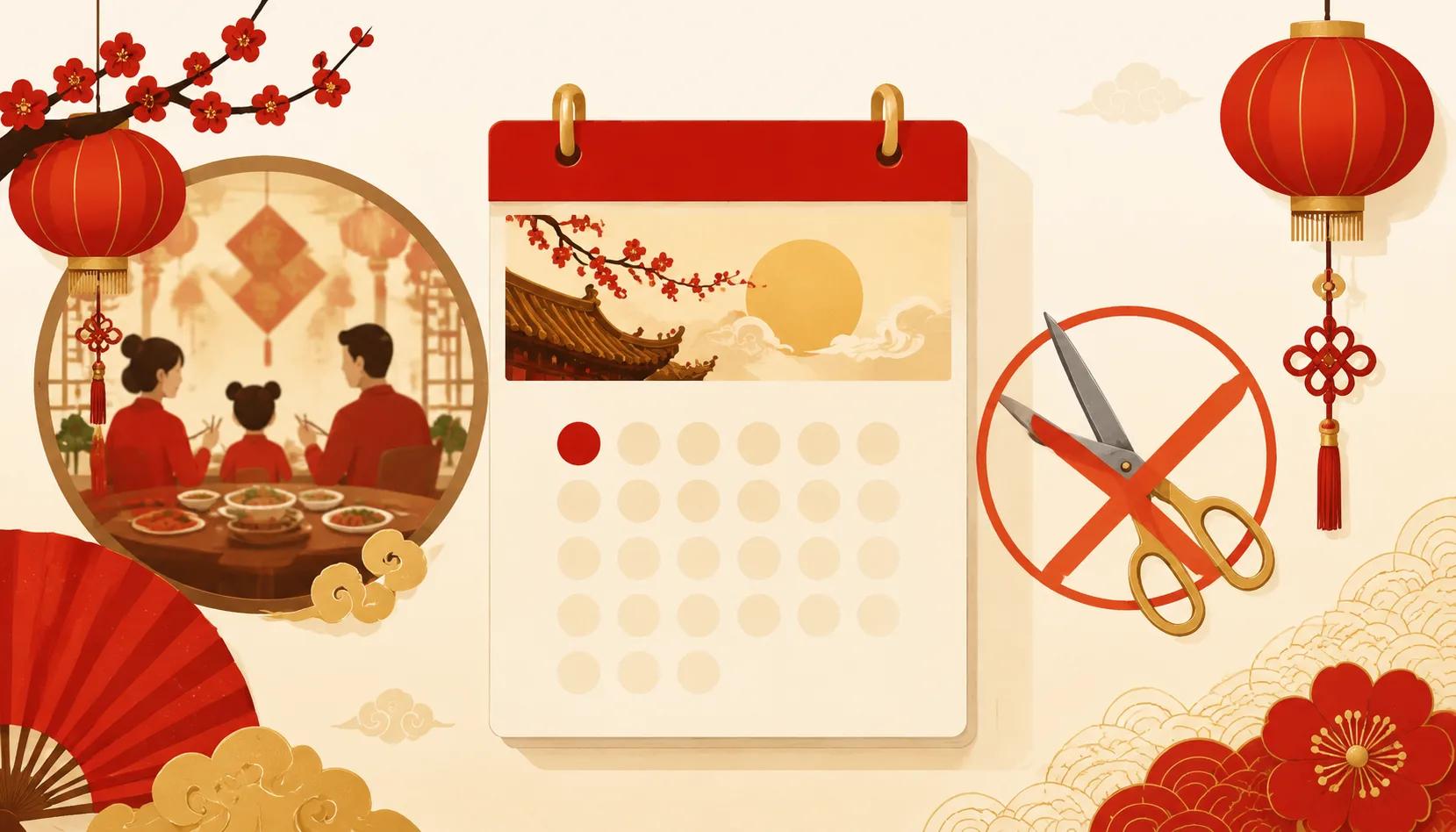
A folk superstition holds that getting a haircut in the first lunar month (正月, zhēngyuè, roughly January–February) will bring bad luck to your maternal uncle. Most young people don't follow this, but some elders take it seriously.
Why This Rule Matters
The custom reportedly originated during the Ming-Qing dynasty transition, when Han Chinese shaved their heads to resist Manchu rule. The phrase 'zhēngyuè bù tìtóu' (正月不剃头) meant 'remembering the past' (思旧, sī jiù), which sounds like 'dead uncle' (死舅, sǐ jiù) — leading to the folk belief that a first-month haircut kills your maternal uncle.
What You Should Do
- Get your haircut before Chinese New Year if you need one
- Understand this is a regional folk custom, not a universal modern rule
- Respect elders who take this seriously without mocking the belief
What You Shouldn't Do
- Mockingly suggest someone get a haircut during this period if they've mentioned following the custom
- Assume all Chinese people follow this rule — many don't
- Get a haircut in front of relatives who observe this custom
Practical Tips for Foreigners
This rule applies in most social and formal settings across China. When in doubt, watch what your Chinese host or senior colleague does and follow their lead. Breaking this rule once is forgivable — breaking it repeatedly signals a lack of cultural awareness.
Where the Custom Bites Hardest
The taboo isn't uniform across China. In northern cities like Beijing, Tianjin, and Harbin, you'll still find older colleagues who visibly flinch if you mention a barber in February. In the south, especially Guangdong and Shenzhen, the rule is far looser among the under-40 crowd — many tech workers there have never even heard of it. The real stronghold is rural areas and smaller towns in Shandong, Henan, and the Northeast, where family elders still enforce it. If your company has a factory or office in a tier-3 city, treat this as a hard rule. In tier-1 coastal hubs, it's mostly a joke — but a joke you don't want to test <a href="/business/communicating-with-chinese-boss/">with your</a> boss's 70-year-old mother.
Real Scenes You Might Walk Into
- A British engineer in Qingdao mentioned needing a trim in early February at a team lunch. His Shandong colleague, normally easygoing, went quiet for a full minute before changing the subject. The foreigner later learned the man's uncle had just passed away — and he genuinely believed a haircut would have made it worse.
- An American teacher in Chengdu joked to her students that she'd get a buzz cut to 'test the superstition.' One girl burst into tears. Her family in rural Sichuan still observes the rule strictly, and she took the comment as a personal attack on her grandfather.
- In Shanghai, a French expat got a haircut in February and posted it on WeChat Moments. His Chinese landlord, a 58-year-old Shanghainese woman, left a comment: 'Your uncle must be very brave.' It was dry humor — but she never offered him tea again during the month.
- A Canadian manager in Shenzhen scheduled a team haircut day in February as a bonding exercise. His younger staff laughed and joined, but his 45-year-old deputy quietly declined, saying 'my mother would kill me.' The manager learned to run cultural events past local staff first.
What Your Host Thinks But Won't Say
When a foreigner flouts this rule, the Chinese counterpart usually won't scold you — that would be rude. But you'll get subtle signals: a pause, a forced smile, a change of subject. What they're thinking is: 'Doesn't he care about family?' Because the taboo isn't really about hair — it's about respect for kinship ties and the idea that your actions can harm people you love. If you're seen as careless <a href="/etiquette/walk-with-proper-posture/">with your</a> own uncle's wellbeing, how careful will you be with a client's business? In more traditional circles, this becomes a quiet test of your cultural sensitivity. Passing it is easy: just wait a month.
The Dragon Head Rises on Day 2
The ban lifts on the second day of the second lunar month (二月二, 'Dragon Raises Its Head'). This is the traditional day for haircuts — barbershops across China get packed, and many offer promotions. If you skipped your February trim, schedule it for this day. It's a great conversation starter: mention that you're waiting for '龙抬头' and locals will be impressed you know the rhythm. In many northern cities, this day is a mini-festival with performances and food, so you can turn a grooming chore into a cultural experience.
What Chinese People Actually Say
- 正月不剃头 | zhèngyuè bù tìtóu | "Don't get a haircut in the first lunar month" | Direct statement of the taboo; used when warning others.
- 正月理发死舅舅 | zhèngyuè lǐfā sǐ jiùjiu | "Getting a haircut in the first lunar month kills one's maternal uncle" | The classic folk saying explaining the superstition's consequence.
- 出了正月再理发 | chūle zhèngyuè zài lǐfā | "Get a haircut after the first lunar month ends" | Practical advice for when it's finally safe to cut hair.
2026 Reality Check
The rule is largely fading but not extinct. In 2026, most younger Chinese ignore it entirely.
Gen Z vs Older Generations: Young people (under 30) mostly see it as superstition. Many don't even know the rule exists. Those who do mention it treat it as a joke. Older generations (50+) are more likely to follow it, though even many elders now skip the taboo—convenience wins.
Beijing/Shanghai vs Smaller Cities: In Tier-1 cities, this taboo is nearly dead. Urban millennials book haircuts anytime. In smaller towns and rural areas, adherence is higher—about 20-30% still avoid it, especially among older residents and more traditional families.
The core reason for the fade: Lunar New Year is now a busy holiday period, and salons stay open. Waiting until "second month" means weeks of bad hair. Practicality beats tradition.
Frequently asked questions
What is the origin of the belief about not cutting hair in the first lunar month?
The superstition likely stems from a pun: '正月剃头死舅舅' (zhēngyuè tìtóu sǐ jiùjiu) sounds like a curse on your maternal uncle. It may have originated from a Qing Dynasty-era protest, but today it's mostly a cultural tradition rather than a literal threat.
Is it strictly forbidden to get a haircut in the first lunar month?
No, it's not a law or a strict rule. It's a folk custom that some elders observe. Many young people ignore it, and you'll find barbershops open and busy during this period, especially after the Lantern Festival.
When can I safely get a haircut after the first lunar month?
The taboo typically ends on the second day of the second lunar month (龙抬头, Lóng tái tóu, 'Dragon Raises Its Head'), which is considered an auspicious day for haircuts. This falls around late February or early March in the Gregorian calendar.
Does this superstition apply to foreigners living in China?
No, it's a cultural belief tied to Chinese family traditions. Foreigners are generally exempt, and barbers won't refuse service. However, if you're visiting a Chinese friend's home, it's polite to avoid mentioning haircuts during this time to respect their customs.
What should I do if I need a haircut urgently during the first lunar month?
You can still go to a barbershop—most are open. If you're concerned about offending an elder, you can wait until after the first month or use a hat or hair tie to manage your style temporarily. Alternatively, visit a salon in a non-Chinese area where the custom is less observed.
Are there any other taboos related to hair in Chinese culture?
Yes, some people avoid cutting hair on certain days like the first day of the lunar month or during funerals, as hair is seen as connected to vitality. Also, giving a clock (送钟, sòng zhōng) as a gift is taboo because it sounds like 'attending a funeral,' but that's unrelated to hair.
Try our tools
Related guides
Chinese Superstitions in Everyday Life: What Foreigners Should Know
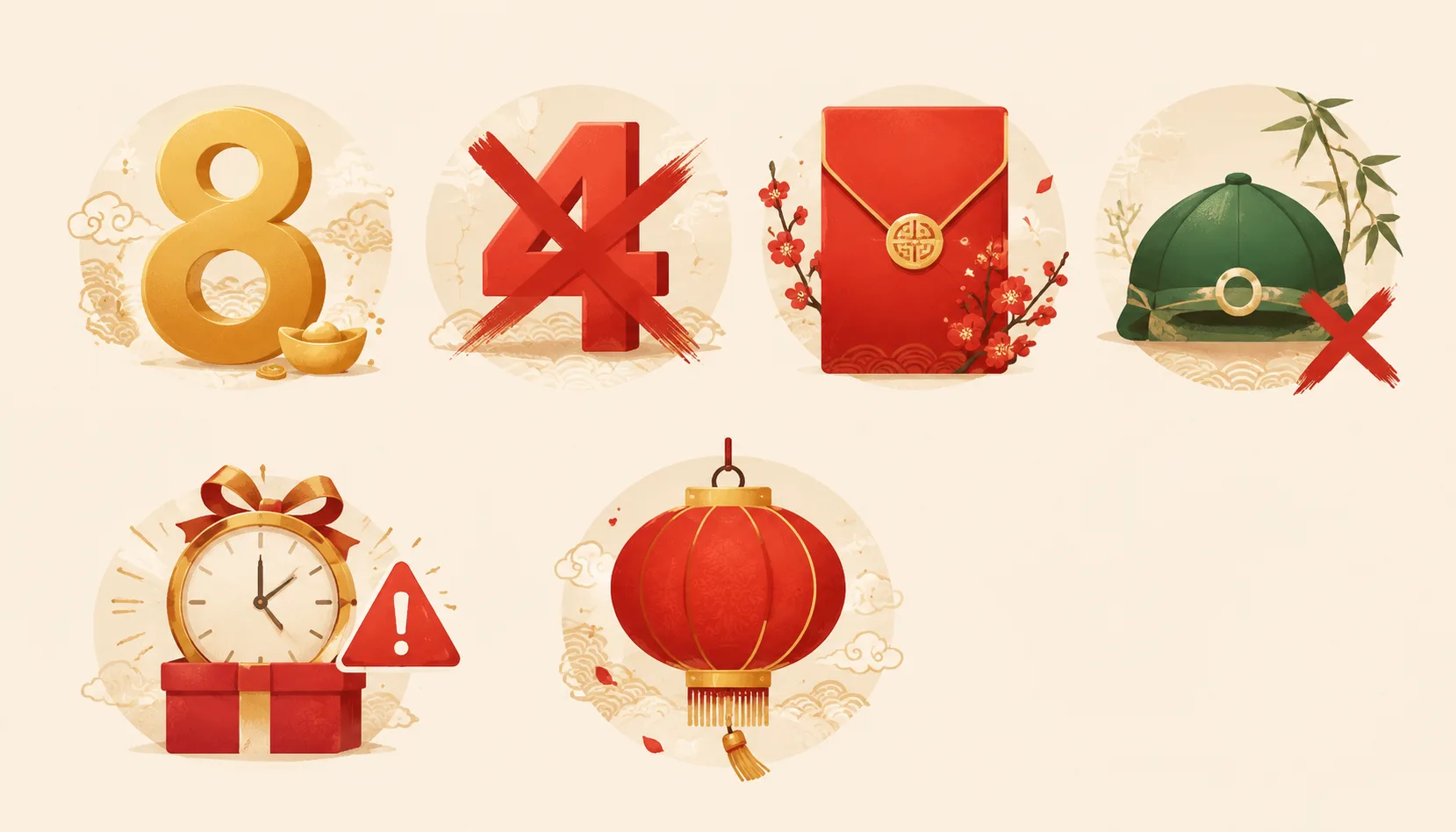
Several Chinese superstitions remain genuinely active in modern life — especially around gifts (clocks, pears, green hats), numbers (4 = death, 8 = prosperity),…
Read the guide →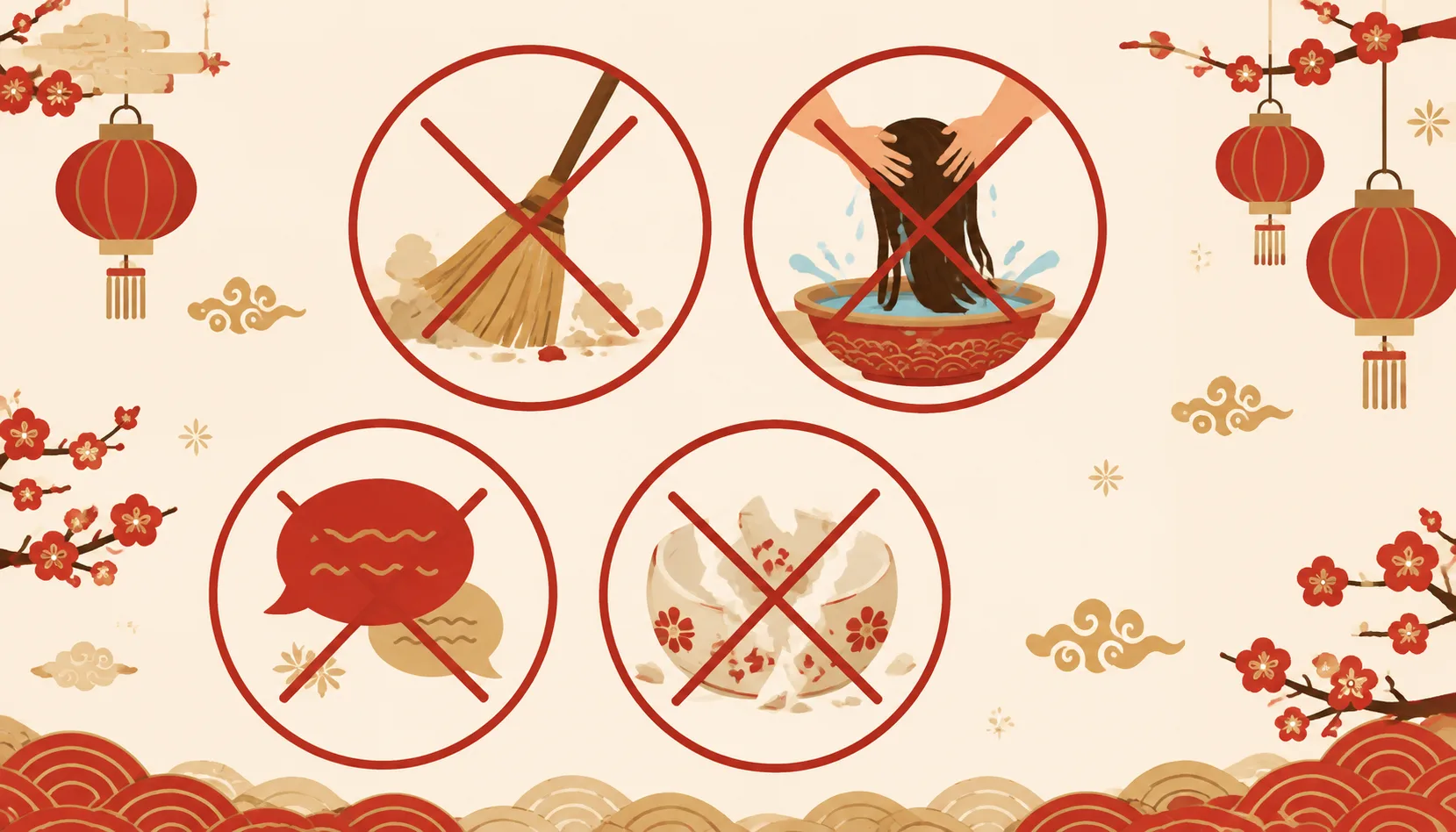
Chinese New Year Taboos: What You Cannot Do on Spring Festival Day (2026)
On Chinese New Year's Day (正月初一, Zhēngyuè chūyī), the major rules are: no sweeping, no taking out trash, no using knives or scissors, no washing hair or bathing…
Read the guide →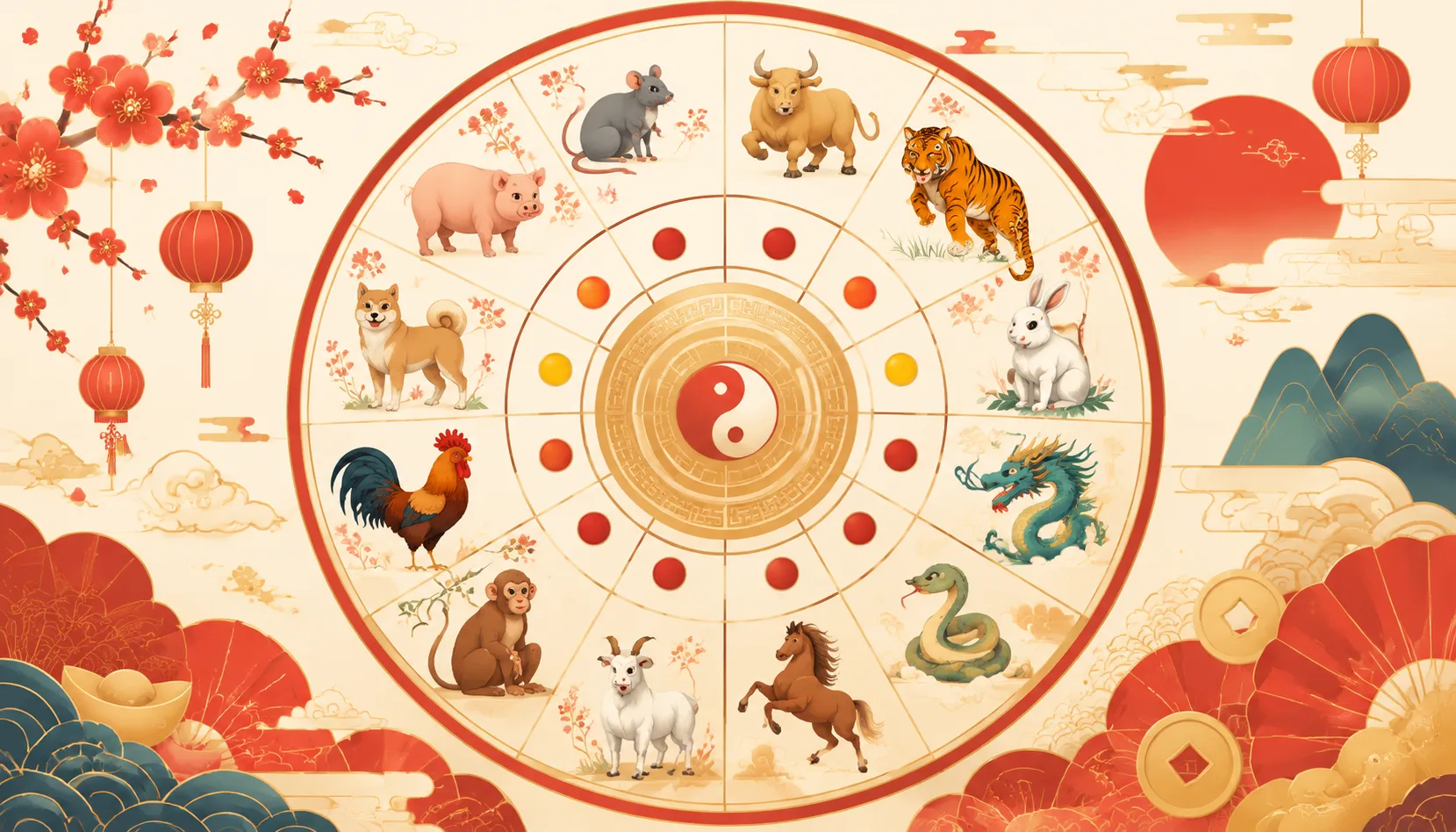
Chinese Zodiac in Daily Life: What Expats Need to Know
The Chinese zodiac influences everything from gift-giving and wedding dates to office dynamics and personal decisions. Many Chinese people consult zodiac compat…
Read the guide →