How does the Chinese zodiac affect everyday life and relationships in China?
Quick answer
The Chinese zodiac influences everything from gift-giving and wedding dates to office dynamics and personal decisions. Many Chinese people consult zodiac compatibility before dating or hiring, and during your zodiac year (ben ming nian) you're expected to wear red underwear for good luck. While not everyone is superstitious, zodiac talk is a common icebreaker and social currency you should understand.
The 12 Animals and Your Sign
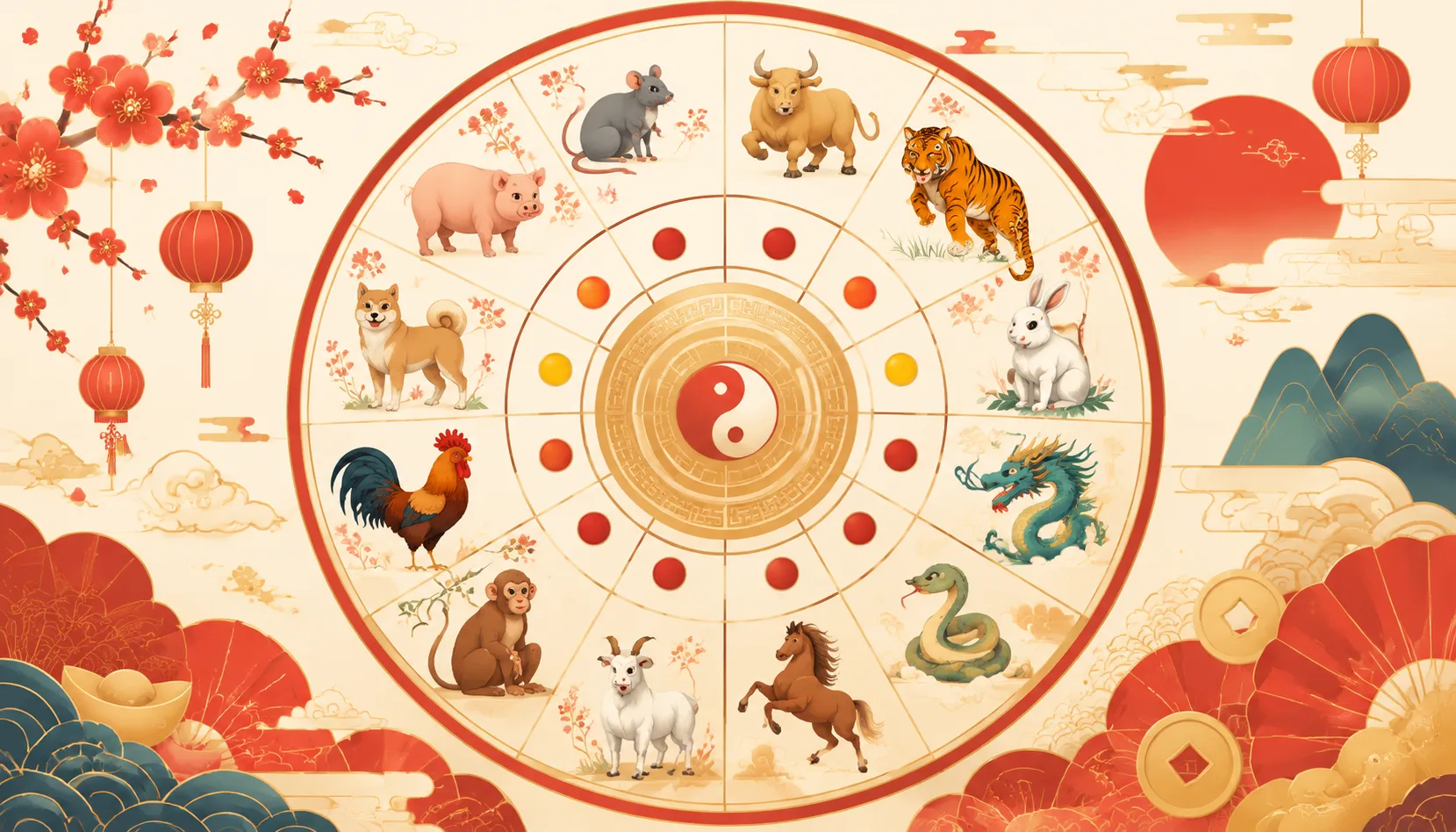
The Chinese zodiac (生肖, shēngxiào) follows a 12-year cycle, each year represented by an animal: Rat, Ox, Tiger, Rabbit, Dragon, Snake, Horse, Goat, Monkey, Rooster, Dog, and Pig. Your sign is determined by your birth year (according to the lunar calendar, which starts around late January or February).
To find your sign, simply look up the Chinese New Year date for your birth year. For example, if you were born in 1990, you're a Horse (the year of the Horse began January 27, 1990). If born in January before the lunar new year, your sign belongs to the previous year.
Knowing your sign is essential because it's a common conversation starter. When Chinese colleagues or new friends ask 'What's your zodiac sign?' (你属什么?), they're not just making small talk—they're trying to gauge your personality and compatibility. It's a friendly way to connect, similar to asking about your hometown.
Each animal has associated personality traits: Rats are clever, Oxen are diligent, Tigers are brave, Rabbits are gentle, Dragons are powerful, Snakes are wise, Horses are energetic, Goats are artistic, Monkeys are witty, Roosters are punctual, Dogs are loyal, and Pigs are honest. You'll hear these stereotypes referenced in everyday conversation.
Compatibility Beliefs: Who Matches Whom
Zodiac compatibility (配对, pèiduì) is a big deal in dating, marriage, and even business partnerships. There are four 'harmonious' pairs: Rat-Dragon-Monkey, Ox-Snake-Rooster, Tiger-Horse-Dog, and Rabbit-Goat-Pig. These are called the 'three harmonies' (三合). There are also 'six harmonies' (六合) pairs: Rat-Ox, Tiger-Pig, Rabbit-Dog, Dragon-Rooster, Snake-Monkey, and Horse-Goat.
Conversely, some signs are considered incompatible, especially the 'clashing' pairs (相冲): Rat-Horse, Ox-Goat, Tiger-Monkey, Rabbit-Rooster, Dragon-Dog, and Snake-Pig. If you're dating or marrying someone, their family might check your signs. If you're incompatible, they might suggest remedies like wearing a specific jade pendant or choosing an auspicious wedding date.
In the workplace, zodiac compatibility can subtly affect team dynamics. A manager might unconsciously favor a colleague whose sign 'harmonizes' with theirs. Don't be surprised if a Chinese colleague jokes about not working well with a particular sign—it's often said half in jest, but the underlying belief persists.
As a foreigner, you're not expected to follow these rules, but being aware helps you understand why a Chinese friend might hesitate to introduce you to their family if your signs clash. It's not personal—it's tradition.
Ben Ming Nian: Your Zodiac Year and the Red Underwear Rule
Every 12 years, you enter your 'ben ming nian' (本命年), the year of your zodiac animal. For example, if you're a Dragon, your ben ming nian falls in Dragon years (e.g., 2024, 2036). This year is traditionally considered unlucky—a time when you're more vulnerable to setbacks, accidents, and illness. The saying goes: '太岁当头坐,无喜必有祸' (When Tai Sui sits overhead, if there's no joy, there will be disaster).
To ward off bad luck, the most common practice is to wear red underwear (红内裤) or red socks, because red is believed to scare away evil spirits. You'll see red underwear prominently displayed in stores before Chinese New Year. Many Chinese people, even the less superstitious, will wear at least a red bracelet or belt during their ben ming nian.
If you're in your ben ming nian, expect your Chinese friends to remind you to 'wear red' (穿红). They might even gift you red underwear as a thoughtful gesture. Accept it graciously—it's a sign of care, not a joke.
Other traditions include wearing a red string around your wrist or ankle, and avoiding major life changes like moving or changing jobs unless absolutely necessary. Some people also visit a temple to pray for protection.
Zodiac Year Gifts: What to Give and Avoid
Gift-giving is deeply tied to the zodiac. During Chinese New Year, it's common to give gifts related to the upcoming year's animal. For example, in the Year of the Dragon (2024), dragon-themed items—toys, ornaments, jewelry—are popular. But be careful: giving a gift with the animal of your own zodiac year can be seen as inauspicious if the recipient's sign clashes with it.
More importantly, when someone is in their ben ming nian, red gifts are ideal. Red underwear, red socks, red bracelets, or red scarves are all appropriate. You can also give 'protective' items like jade pendants or Buddhist beads, which are believed to offer spiritual protection.
Avoid giving clocks (送钟, sòng zhōng, sounds like 'attending a funeral'), umbrellas (伞, sǎn, sounds like 'separate'), or pears (梨, lí, sounds like 'leave'). These are taboo regardless of zodiac, but especially so during zodiac years.
If you're invited to a Chinese New Year gathering, a red envelope (红包, hóngbāo) with money is always safe. The amount should be even (odd numbers are for funerals), and avoid the number 4 (sounds like 'death').
When Colleagues Mention Their Sign: Workplace Etiquette
In Chinese workplaces, zodiac talk is common. You might hear colleagues say, 'I'm a Tiger, so I'm naturally a leader' or 'She's a Rabbit, so she's gentle and careful.' This isn't just banter—it's a way to build rapport and understand each other's working styles.
If a colleague asks your sign, answer confidently. If you don't know, look it up beforehand. You can even use it to your advantage: 'I'm a Monkey, so I'm quick-witted and adaptable'—a positive trait in business.
Be cautious about making negative comments about someone's sign. Even if you think it's nonsense, saying 'Tigers are aggressive' could offend a Tiger colleague. Instead, frame it positively: 'Tigers are brave and decisive.'
Also, be aware that during someone's ben ming nian, they might be extra cautious. If a colleague seems unusually stressed or avoids taking risks, it might be because they're in their zodiac year. Offer support, and if you're close, you could even gift them a red bracelet—it'll be much appreciated.
How Seriously Do Modern Chinese Take It?
The answer is: it varies. Many young, urban Chinese are less superstitious than their parents, but zodiac beliefs persist in subtle ways. A 2023 survey by the China Youth Daily found that about 60% of young people say they 'sometimes' consider zodiac compatibility when dating, and nearly 30% have checked their zodiac year fortune.
In business, zodiac is often consulted for major decisions like launching a company, signing contracts, or choosing a wedding date. Many couples still pick an auspicious date (黄道吉日) based on their zodiac signs, and wedding planners often include this as a standard service.
However, it's not a rigid belief system. Most people treat it as a cultural tradition or a fun conversation topic. You'll find plenty of Chinese who say 'I don't really believe it, but I wear red underwear anyway just in case.' It's a pragmatic approach—why risk bad luck?
As a foreigner, you don't need to adopt these beliefs, but respecting them is crucial. If a Chinese friend gives you red underwear for your ben ming nian, wear it (at least on New Year's Day) and thank them. It's a gesture of friendship, and participating in the tradition shows cultural sensitivity.
Practical Tips for Navigating Zodiac Culture
1. Find your sign before your next trip to China. Use a reliable online calculator that accounts for the lunar calendar. Write it down and remember the associated traits.
2. Ask others about their sign as an icebreaker. It's a friendly, non-invasive way to connect. You can say, '你属什么?' (What's your sign?) or '我属龙' (I'm a Dragon).
3. If you're in your ben ming nian, buy yourself some red underwear or socks. It's a fun way to participate, and it makes a great story for your friends back home.
4. When giving gifts, avoid taboo items and consider zodiac relevance. A small red item is always safe.
5. In business settings, never mock zodiac beliefs. Even if you're skeptical, respect the cultural context. If a client asks about your sign, answer positively and pivot to your strengths.
6. Learn the current year's animal. For example, 2025 is the Year of the Snake. You'll see snake decorations everywhere—embrace the theme.
By understanding these basics, you'll navigate social and professional situations with confidence, showing that you respect and appreciate Chinese culture.
What Chinese People Actually Say
- 犯太岁 | fàn tài suì | "Offending the Tai Sui (year deity)" | Mention when someone has bad luck in their zodiac year; common phrase: "今年犯太岁" (This year I'm offending Tai Sui).
- 属相 | shǔ xiàng | "Zodiac animal sign" | Use to ask someone's sign: "你属什么?" (What's your zodiac animal?).
- 冲 | chòng | "Clash/conflict" | Used when two zodiac signs conflict: "属鼠的和属马的相冲" (Rat and Horse clash).
2026 Reality Check
Is zodiac etiquette still followed in 2026? Yes, but selectively. The taboo against saying someone was born in the Year of the Tiger if they are a Monkey (conflict between "Ma" and "Hou") is fading fast in big cities.
Gen Z vs Older Generations: Young Chinese largely treat zodiac as entertainment—checking compatibility for dating, sharing memes, buying zodiac-themed products. Older generations still observe taboos, especially in rural areas and during Lunar New Year. Many Gen Z joke about it rather than fear it.
Beijing/Shanghai vs Smaller Cities: Tier-1 cities are cosmopolitan; zodiac rules are optional, often seen as superstition. Smaller cities and family gatherings still observe traditional avoidances, particularly among elders. Expats in Shanghai can ignore most taboos without offense; in smaller towns, it's wiser to follow the host's lead.
Bottom line: Know the basics, but don't overthink it. Politeness matters more than perfect adherence.
Frequently asked questions
What should I buy as a gift if I don't know someone's zodiac sign?
If you're unsure of someone's zodiac sign, avoid gifts that clash with the current year's animal. For example, in a Year of the Dragon, avoid dragon-themed items if you're not certain of their sign. Safe bets include fruit baskets, tea, or quality pens—these are neutral and don't carry zodiac connotations.
Can zodiac compatibility actually affect my chances of getting hired in China?
Some employers, especially in traditional industries, may informally consider your zodiac sign during hiring. They might believe certain signs work better with their management style. It's not official policy, but you can mention your sign positively if asked, framing it as a strength, like saying a Rooster is diligent and detail-oriented.
Is it true that I have to wear red underwear during my zodiac year?
Yes, many Chinese believe wearing red underwear, socks, or a red bracelet during your ben ming nian (the year of your zodiac sign) wards off bad luck. It's most common around Lunar New Year, but some wear it all year. You can buy these items at any market; it's seen as a fun, protective tradition, not a strict rule.
How do I respond if a colleague asks my zodiac sign and then laughs?
Laugh along and ask them to explain. This is a social icebreaker, not an insult. You can say, 'I'm a Pig, is that good or bad?' Most Chinese will happily explain your sign's traits. Use it as a chance to build rapport—showing interest in their culture goes a long way in building workplace relationships.
What if my zodiac sign is considered incompatible with my Chinese partner's family?
If a partner's family is traditional, they might worry about zodiac compatibility. Don't panic—this is rarely a dealbreaker. Show respect by asking about their concerns and, if needed, consult a fortune teller for a 'remedy,' like choosing an auspicious wedding date. Most families soften once they see you're serious and respectful.
Are there regional differences in how the zodiac is used in daily life?
Yes, southern China (like Guangdong and Hong Kong) tends to be more commercially superstitious, with businesses consulting zodiac forecasts for launch dates. Northern cities like Beijing are more pragmatic but still use zodiac talk for social bonding. Rural areas often take traditions more seriously, like strictly avoiding starting a house build in your ben ming nian.
Try our tools
Related guides
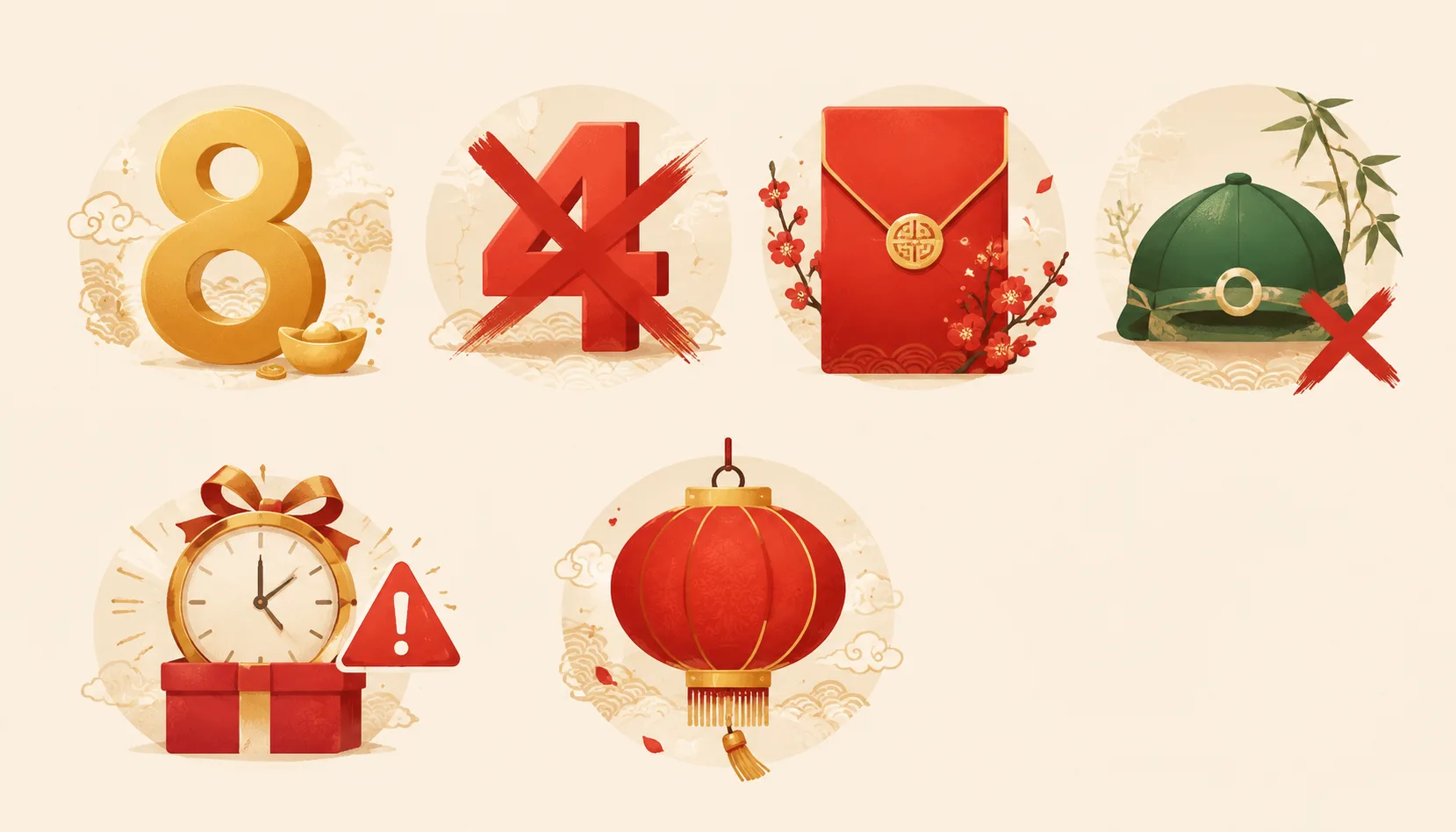
Chinese Superstitions in Everyday Life: What Foreigners Should Know
Several Chinese superstitions remain genuinely active in modern life — especially around gifts (clocks, pears, green hats), numbers (4 = death, 8 = prosperity),…
Read the guide →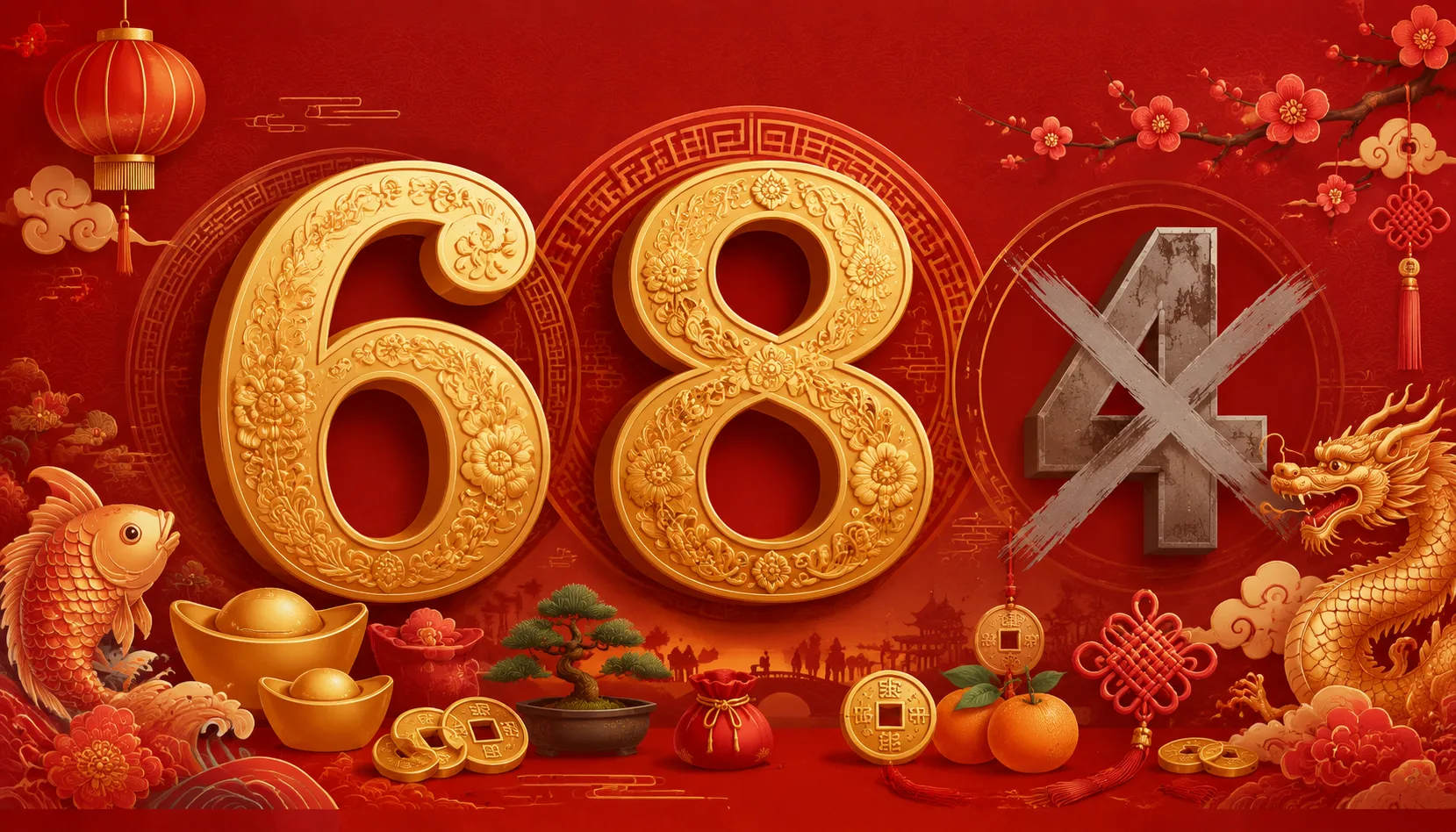
Chinese Lucky and Unlucky Numbers: Why 8 is Gold and 4 is Catastrophic
In China, 8 is the luckiest number (sounds like 'prosper'), 6 means smooth sailing, and 9 means longevity. The number 4 is avoided like death — because it sound…
Read the guide →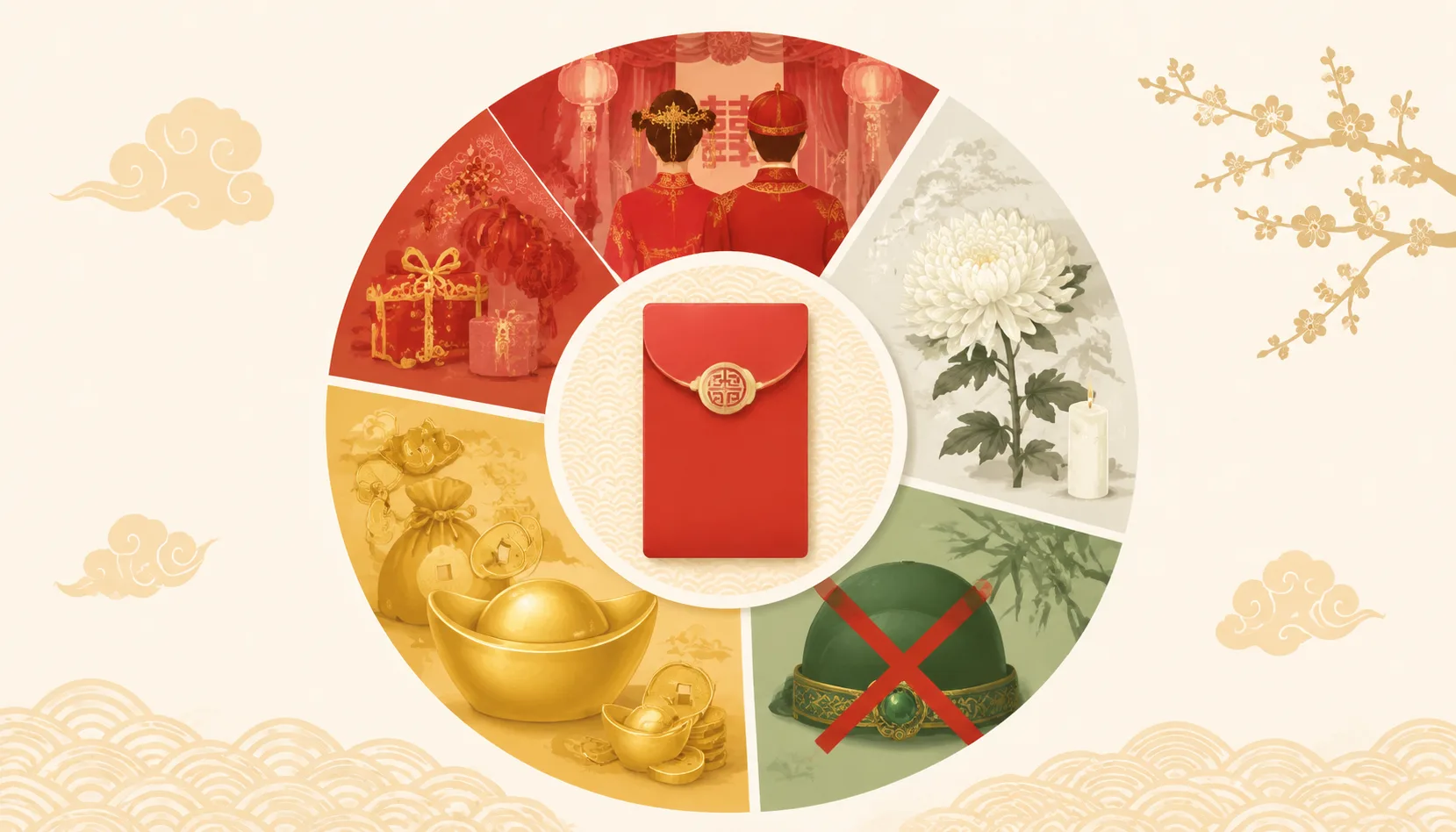
Chinese Color Symbolism: What to Wear & Avoid
In China, red symbolizes luck and joy, white is for mourning, gold means prosperity, and green hats imply infidelity. Wear red at weddings and festivals, avoid …
Read the guide →