Why do Chinese people wear red in their zodiac birth year?
Quick answer
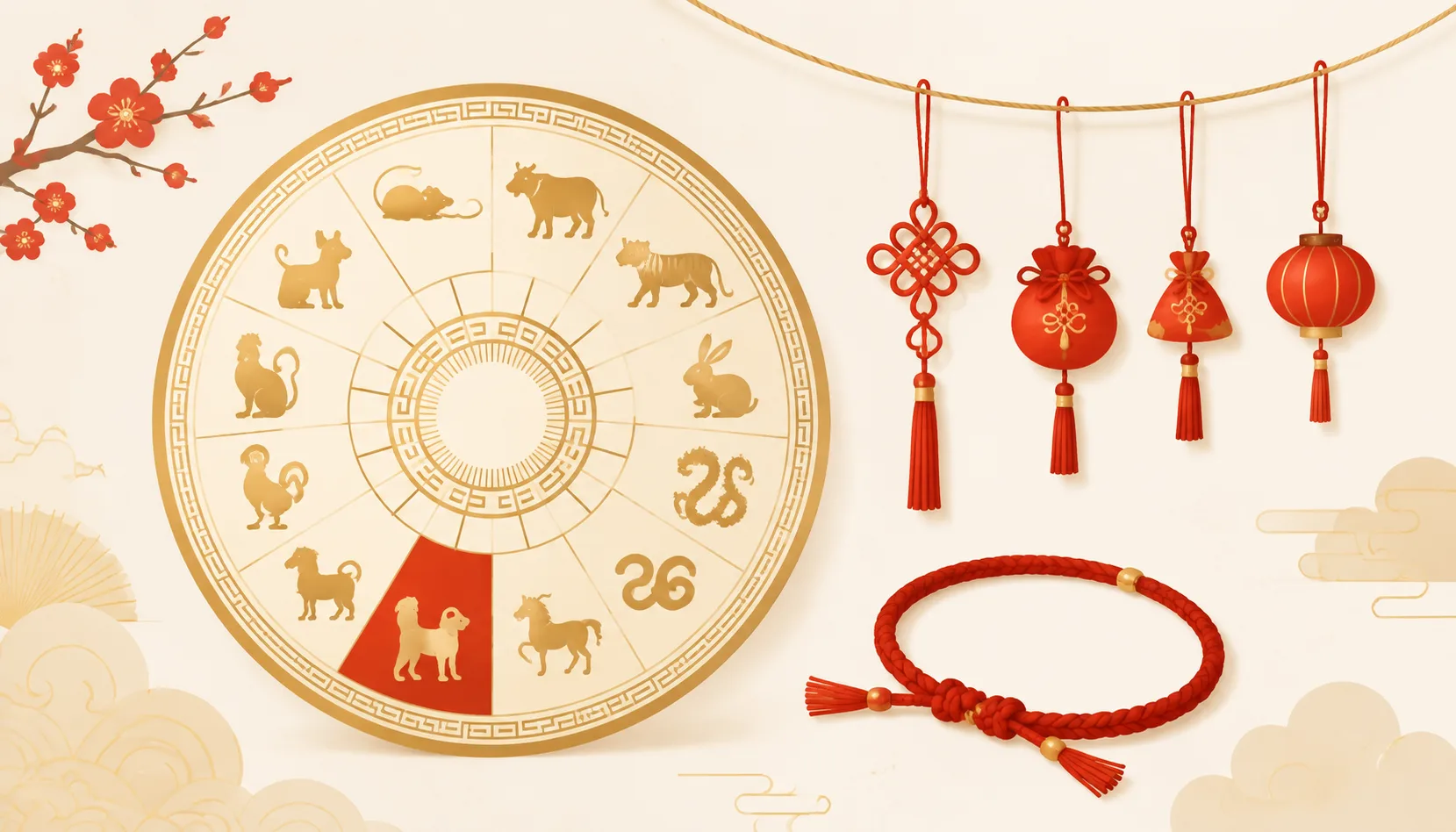
In your zodiac year (本命年, běn mìng nián) — the year matching your birth animal — Chinese tradition says you are more vulnerable to bad luck. Wearing red undergarments or accessories is believed to ward off misfortune.
Why This Rule Matters
The zodiac year is believed to be your most turbulent year because you 'offend' (犯, fàn) the year deity (太岁, tài suì) who governs that year. Red has been used in Chinese culture to ward off evil spirits since ancient times. The custom of wearing red undergarments specifically means the protection stays with you all day.
What You Should Do
- If it's your zodiac year, wear red underwear, red socks, or a red wristband for good luck
- Accept red gifts of this type graciously from elders — it is a gesture of care
- Recognize your zodiac year: Rat, Ox, Tiger, Rabbit, Dragon, Snake, Horse, Goat, Monkey, Rooster, Dog, Pig — cycle every 12 years
What You Shouldn't Do
- Dismiss this custom as foolish in front of elders who take it seriously
- Skip wearing any red if your Chinese partner or family emphasizes its importance during your zodiac year
Practical Tips for Foreigners
This rule applies in most social and formal settings across China. When in doubt, watch what your Chinese host or senior colleague does and follow their lead. Breaking this rule once is forgivable — breaking it repeatedly signals a lack of cultural awareness.
Regional and generational differences in practice
The strictness of wearing red varies by region and age. In northern cities like Beijing and Tianjin, older generations often insist on red underpants from the first day of <a href="/holidays/chinese-new-year-gifts/">Spring Festival</a> until the end of the lunar year. In Shanghai and other coastal hubs, younger professionals might only wear a red bracelet or a small red string around the ankle — a quiet nod to tradition. In Guangdong and Fujian, where business culture is strong, many entrepreneurs wear red belts or socks during important negotiations in their zodiac year, believing it steadies their luck. Meanwhile, in rural areas of Sichuan or Yunnan, the custom is more rigid — elders may gift red undergarments to adult children, and refusing them is seen as rejecting family protection. For foreigners, the practical rule is simple: if you're in a formal or family setting, a red accessory (socks, a bracelet, a belt) is enough; full red underwear is expected only if you're close to the host's family.
Real scenarios from expat life
- A British expat in Beijing, born in the Year of the Dog, laughed off his Chinese colleague's gift of red socks during his zodiac year. The colleague didn't mention it again, but later told a mutual friend that the foreigner was 'courting trouble' — and avoided inviting him to key client meetings for the rest of the year.
- An American teacher in Chengdu wore a red wristband her host family gave her. When she visited a rural school in Yunnan, an elderly principal noticed it and nodded approvingly, saying she was 'smart to protect herself.' That small detail opened a warm conversation about local customs.
- A Canadian manager in Shenzhen, born in the Year of the Rat, noticed his Chinese deputy wearing red socks every day for a full year. When he asked, the deputy explained it was his zodiac year and he couldn't risk a downturn in the company's biggest quarter. The manager then bought him a red tie as a gesture — the deputy was visibly moved.
- In Shanghai, a French expat's Chinese mother-in-law insisted he wear red underwear for his entire zodiac year. He found it uncomfortable and switched to red boxers only on weekends. When his wife's grandmother visited and noticed, she quietly told his wife that her husband was 'inviting accidents' — the tension lasted until the next Spring Festival.
What hosts think but won't say
When a foreigner dismisses the zodiac year red custom, Chinese colleagues and friends rarely argue. But silently, they may interpret it as a lack of respect for their culture — or worse, as recklessness that could bring bad luck to shared projects. If you're in a business setting, your Chinese counterpart might think: 'He doesn't believe, so if something goes wrong this year, it's on him.' In family settings, elders may assume you're rejecting their care, not just the superstition. The unspoken rule is that participating — even symbolically — signals that you value their worldview enough to adapt. A red bracelet or pair of socks costs little but buys immense goodwill. Missing this signal can make you seem arrogant, especially in smaller cities where tradition runs deeper.
Quick adaptation tip for newcomers
If you're in your zodiac year and want to avoid friction, buy a simple red bracelet or keychain from any convenience store or market — they're everywhere in January. Wear it visibly during the first week of Spring Festival, then you can keep it in your pocket or bag for the rest of the year. If a Chinese friend or elder gifts you something red, accept it with both hands and say '谢谢' (xièxiè). You don't need to believe in the luck — you just need to show you respect the gesture. That single act will open more doors than any explanation of your own cultural logic.
What Chinese People Actually Say
- 本命年 | běnmìng nián | "year of one's zodiac sign" | Wear red from head to toe, especially red underwear and a red belt
- 犯太岁 | fàn tàisui | "offending Tai Sui (the deity of the year)" | Your zodiac clashes with the year's guardian; wearing red counters this
- 穿红辟邪 | chuān hóng bì xié | "wear red to ward off evil" | Traditional saying meaning red protects you from misfortune in your zodiac year
2026 Reality Check
In 2026, wearing red during your zodiac year remains a widely known tradition in China, but actual practice varies significantly across demographics and regions.
Gen Z vs Older Generations: Young people (Gen Z) are largely skeptical of this superstition. Many view it as an "old people thing" or follow it ironically for fashion. Millennials show moderate adherence—some wear red accessories casually without full belief. Boomers and seniors remain the most faithful practitioners, with many still buying red underwear, belts, or strings as a genuine precaution.
Beijing/Shanghai vs Smaller Cities: Major cities like Beijing and Shanghai show weaker compliance, especially among educated, urban professionals who treat it as optional or ignore it entirely. Smaller cities and rural areas maintain stronger tradition—red items are still sold prominently near Chinese New Year, and older residents actively remind family members to wear them.
Verdict: The rule persists but is fading, especially in tier-1 cities and among youth. It's now more cultural nod than mandatory belief.
Frequently asked questions
What is a zodiac birth year (本命年) in Chinese culture?
A zodiac birth year is the year that matches your Chinese zodiac animal sign, occurring every 12 years. It's believed to be a period of heightened vulnerability to bad luck.
Why is red specifically worn during a zodiac birth year?
Red is considered an auspicious color in Chinese culture, symbolizing energy, vitality, and protection. Wearing red is thought to counteract the negative influences associated with your birth year.
What types of red items should I wear during my zodiac year?
Common items include red underwear, socks, bracelets, or belts. Many people also wear red strings or accessories with zodiac symbols for extra protection.
Do I need to wear red every day during my zodiac year?
It's not mandatory to wear red daily, but many Chinese people choose to wear at least one red item, like underwear or a bracelet, throughout the entire year for continuous protection.
Can I wear red if I'm not Chinese or don't believe in zodiac signs?
Yes, wearing red is a cultural tradition open to everyone. It's a fun and respectful way to engage with Chinese customs, and it's also considered a festive color for celebrations.
When should I start wearing red for my zodiac year?
Traditionally, you start wearing red on Chinese New Year's Eve or the first day of the lunar new year. You can also begin earlier if you want to prepare, as the year follows the lunar calendar.
Try our tools
Related guides
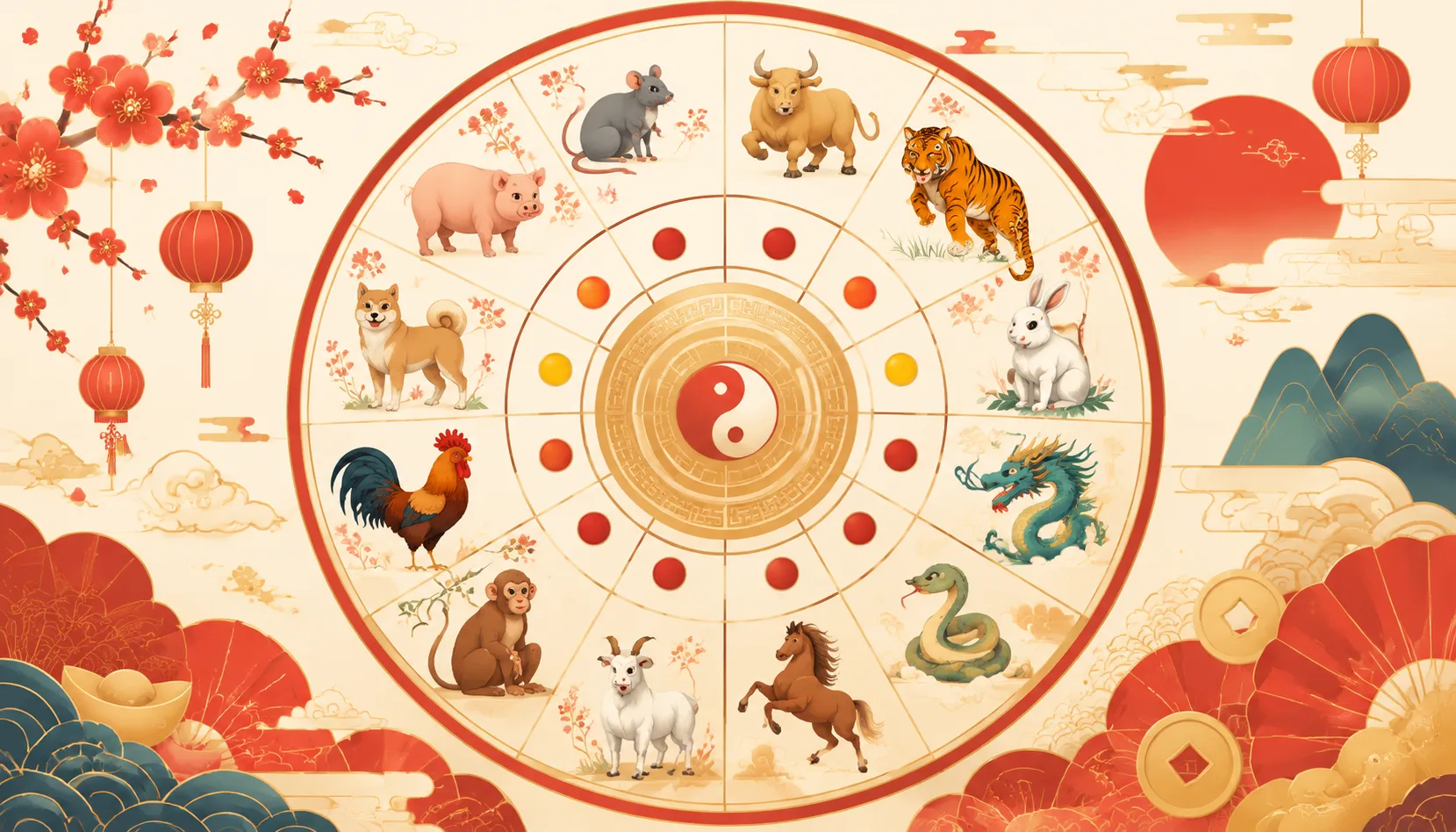
Chinese Zodiac in Daily Life: What Expats Need to Know
The Chinese zodiac influences everything from gift-giving and wedding dates to office dynamics and personal decisions. Many Chinese people consult zodiac compat…
Read the guide →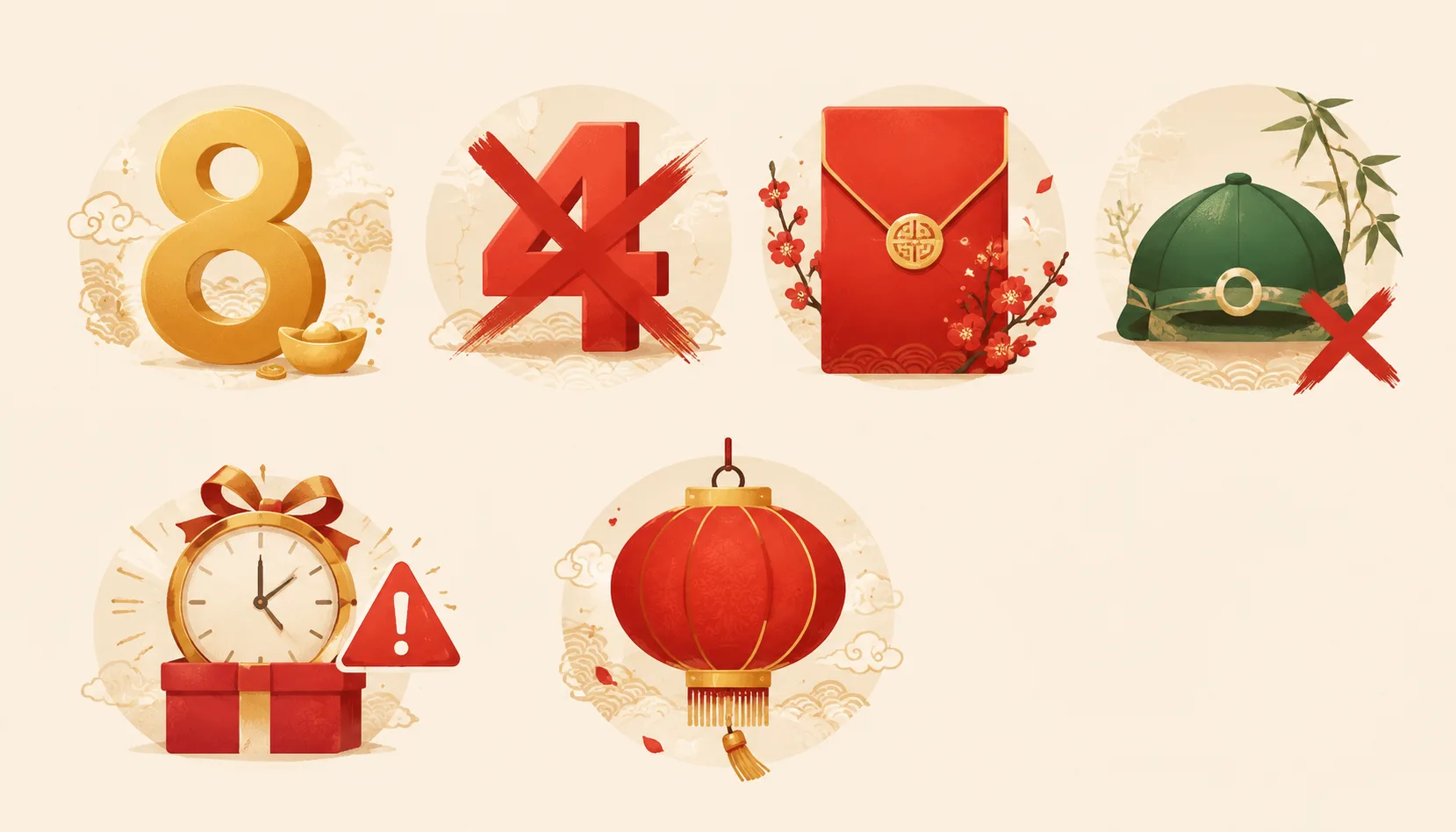
Chinese Superstitions in Everyday Life: What Foreigners Should Know
Several Chinese superstitions remain genuinely active in modern life — especially around gifts (clocks, pears, green hats), numbers (4 = death, 8 = prosperity),…
Read the guide →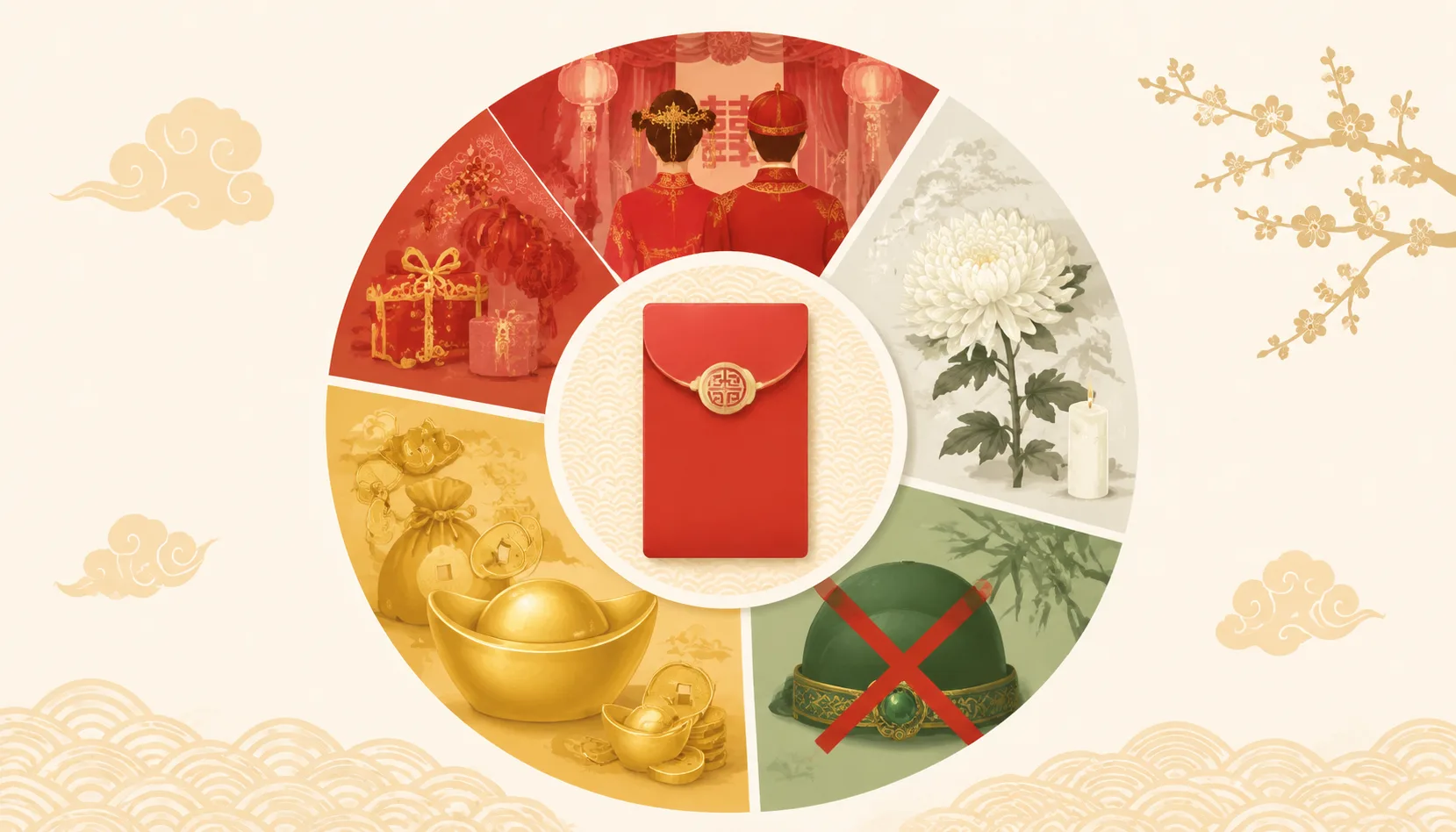
Chinese Color Symbolism: What to Wear & Avoid
In China, red symbolizes luck and joy, white is for mourning, gold means prosperity, and green hats imply infidelity. Wear red at weddings and festivals, avoid …
Read the guide →