Chinese Customs & Traditions
Traditions, symbolism, lucky and unlucky numbers, festivals, and family customs.
How Chinese People Apologize: When 'Sorry' Isn't Enough
In China, “I’m sorry” often isn’t enough—context and action matter more than the phrase itself. 不好意思 (bù hǎo yìsi) covers everything from “excuse me” to deep re…
Read the guide →
Humor in China: What Makes People Laugh (and What to Avoid)
Chinese humor thrives on wordplay, puns, and self-deprecating jokes about everyday struggles—like surviving hot summers or office life—rather than sarcasm or ir…
Read the guide →
China's Elastic Time Culture: When 'Around 7' Means 7:20
In China, "around 7" (七点左右) often means 7:20, and arriving early can actually signal over-eagerness. Social gatherings follow flexible time, while business meet…
Read the guide →
Chinese Modesty: What '哪里哪里' Means (Compliment Guide)
When a Chinese person says “哪里哪里” (nǎlǐ nǎlǐ), they’re not asking for directions—it’s a humble way of saying “I don’t deserve your praise.” Similarly, “还行吧” (há…
Read the guide →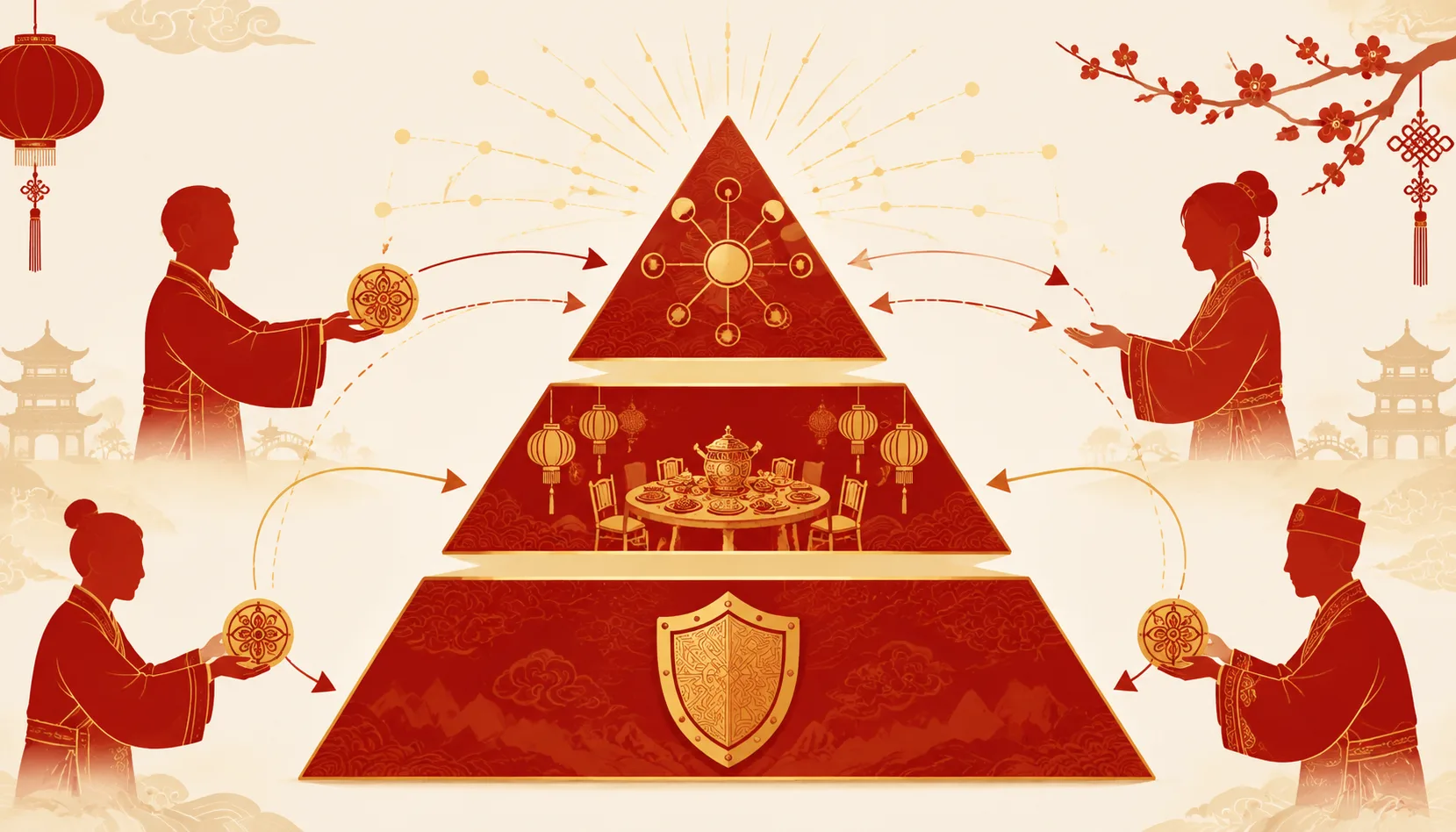
The 3 Layers of Chinese Face (Mianzi), Explained
Chinese face operates on three levels: 尊严 (zūnyán, dignity) — the baseline right not to be humiliated; 排场 (páichǎng, social grandeur) — the display of respect t…
Read the guide →
China Parcel Delivery: Lockers, Stations & Door Delivery
In China, couriers typically leave packages at smart lockers (快递柜) or pickup stations (菜鸟驿站) rather than delivering to your door. You'll receive a pickup code v…
Read the guide →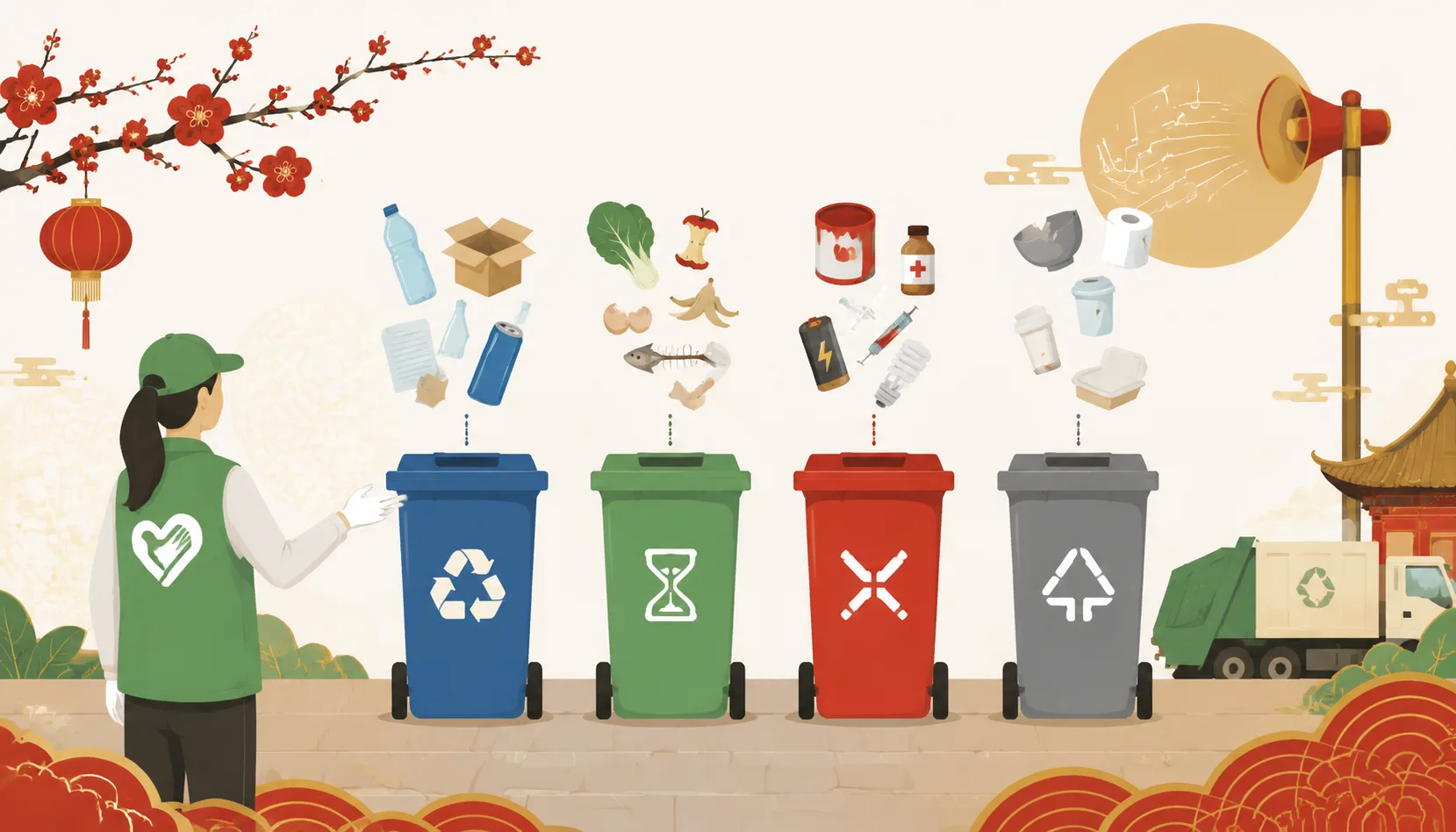
China Waste Sorting: A Foreigner's Practical Guide
Learn the 4-category system (recyclables, hazardous, food waste, other), but always check your specific compound's rules. Listen for the music signal to bring o…
Read the guide →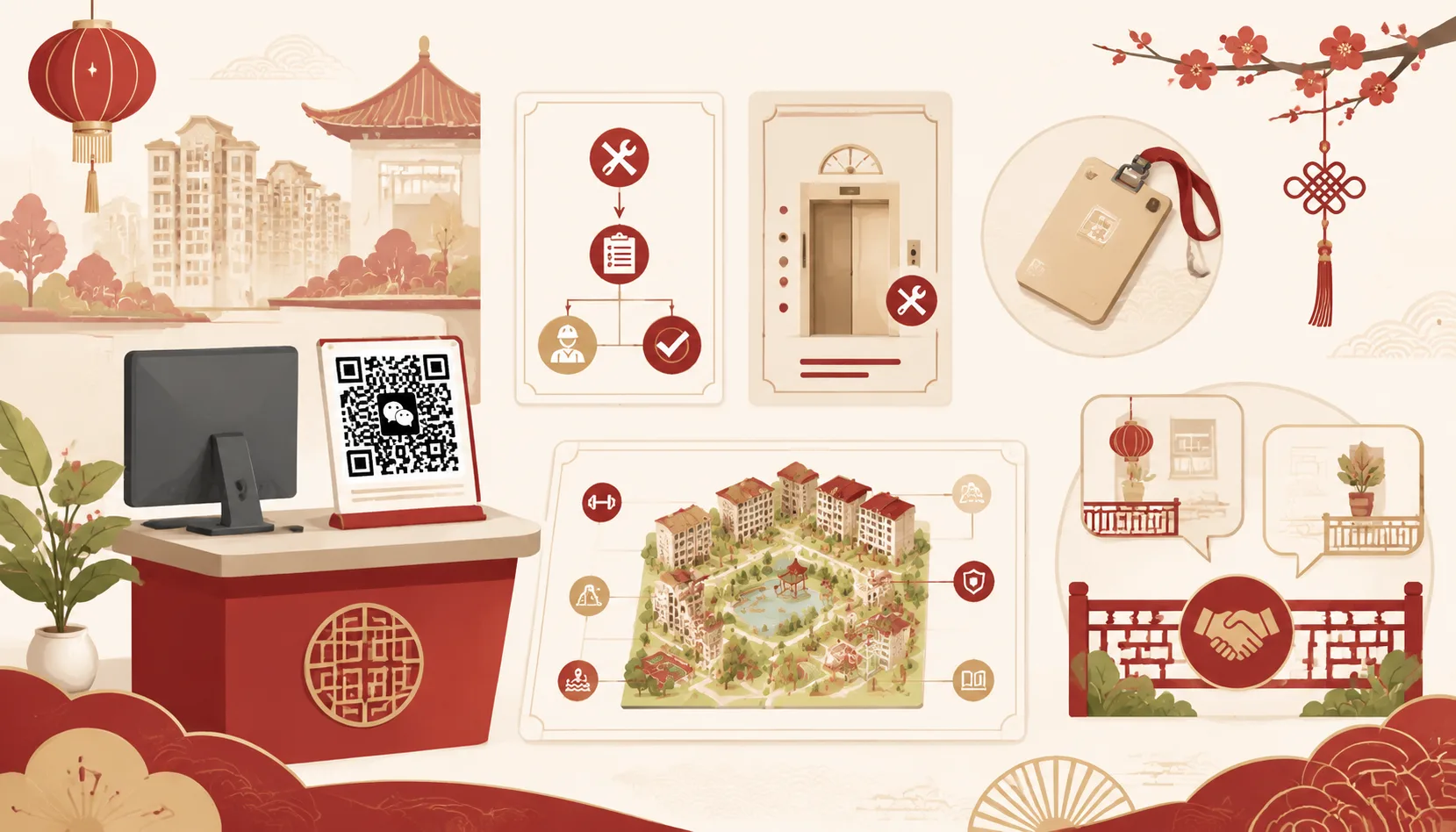
Chinese Property Management (物业): What They Do & How to Pay
物业 handles common areas, security, and community coordination—not private repairs. Pay your 物业费 on time, join the WeChat group, and file complaints with specifi…
Read the guide →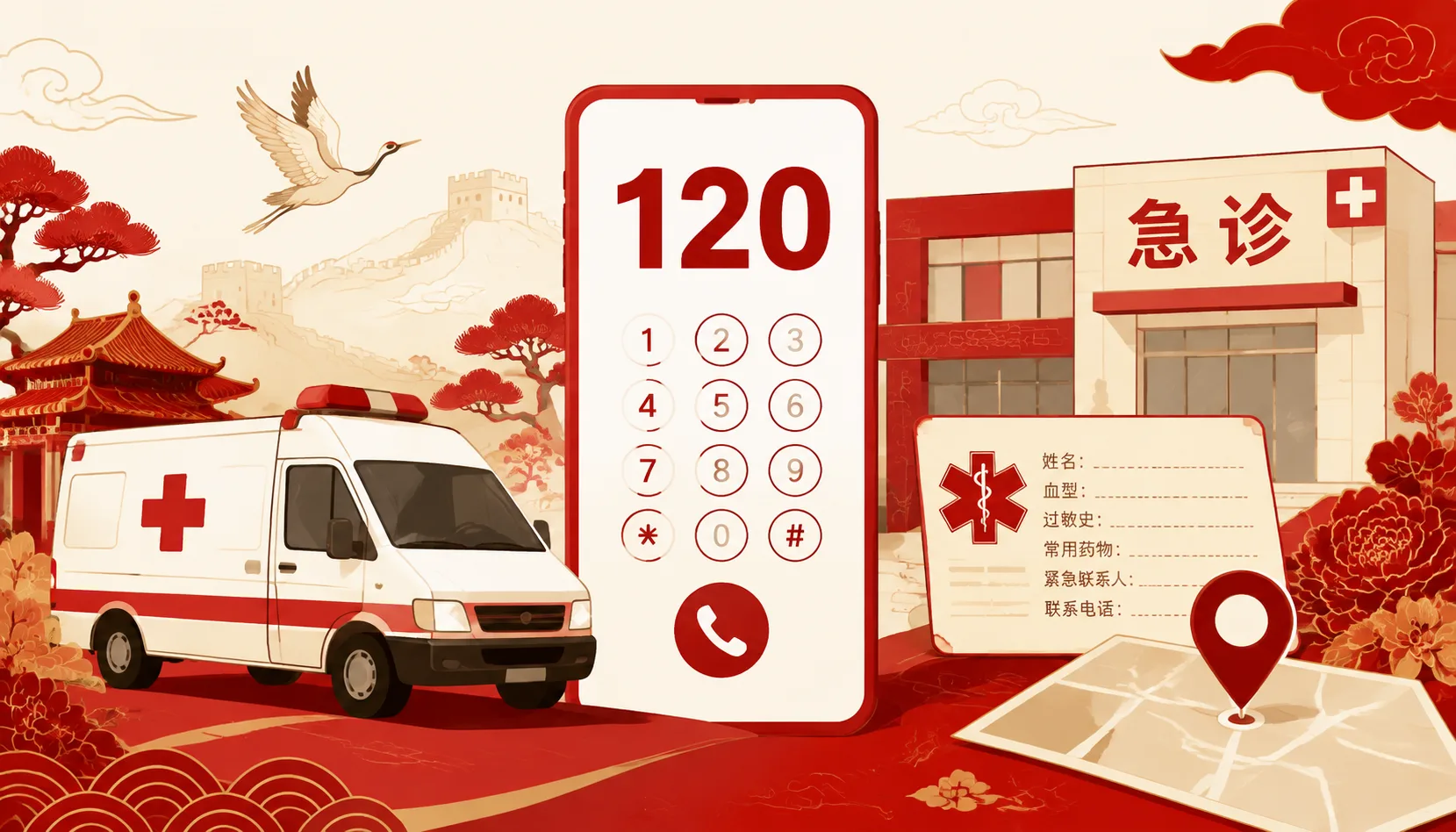
Medical Emergencies in China: What Foreigners Must Know
Call 120 (yāo-èr-líng) for life-threatening emergencies, or go directly to the nearest Grade 3-A hospital's emergency department (急诊科 Jízhěn Kē) for serious but…
Read the guide →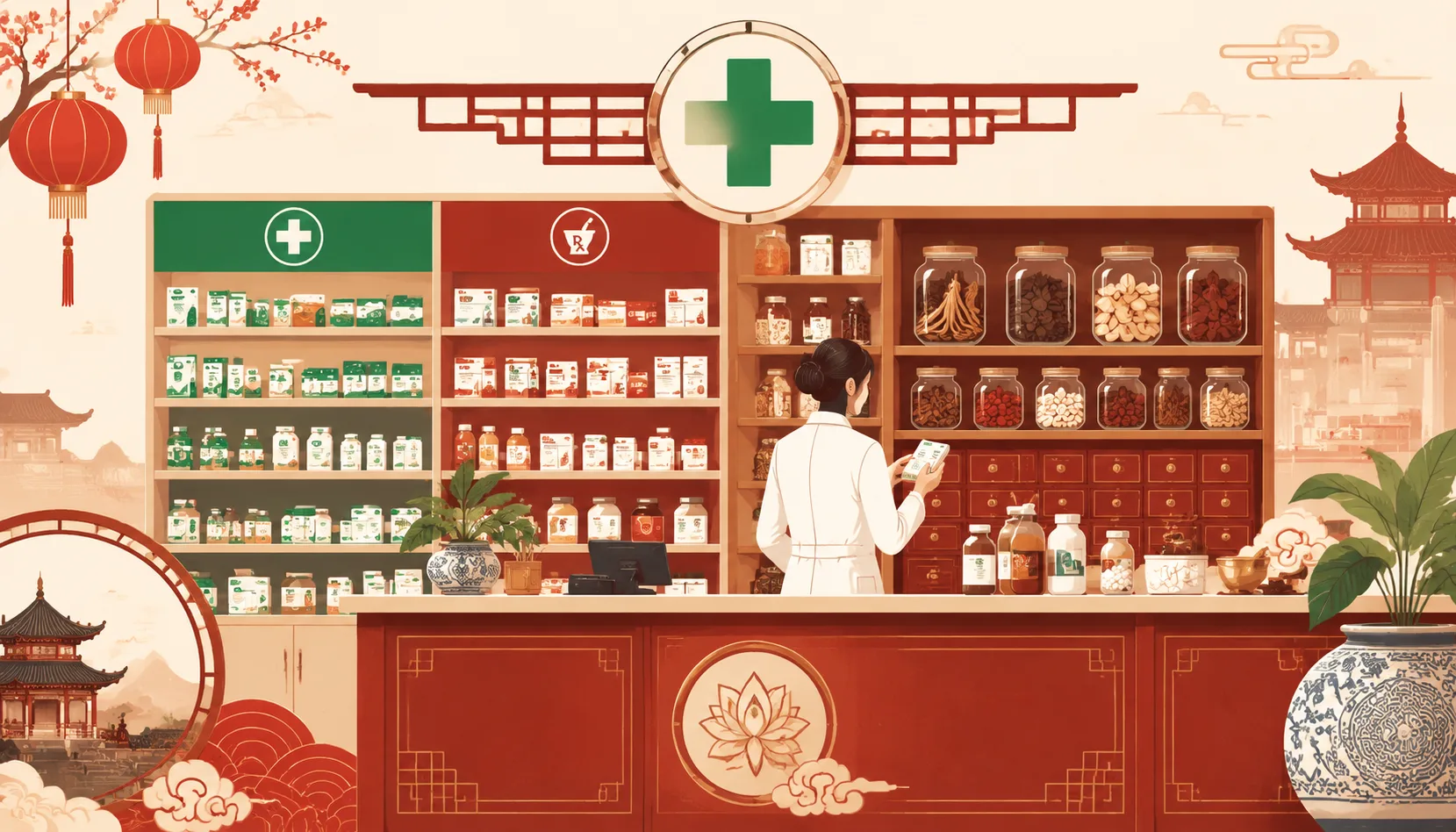
Buying Medicine in China: Pharmacy Guide for Foreigners
Look for pharmacies with a green cross sign (药). Most common OTC meds are available without a prescription, but antibiotics and many other drugs require a presc…
Read the guide →
China's IV Drip Culture: Why So Common and Can You Refuse?
China's IV drip culture stems from historical patient demand for faster recovery and over-prescription in some clinics, though the government has cracked down o…
Read the guide →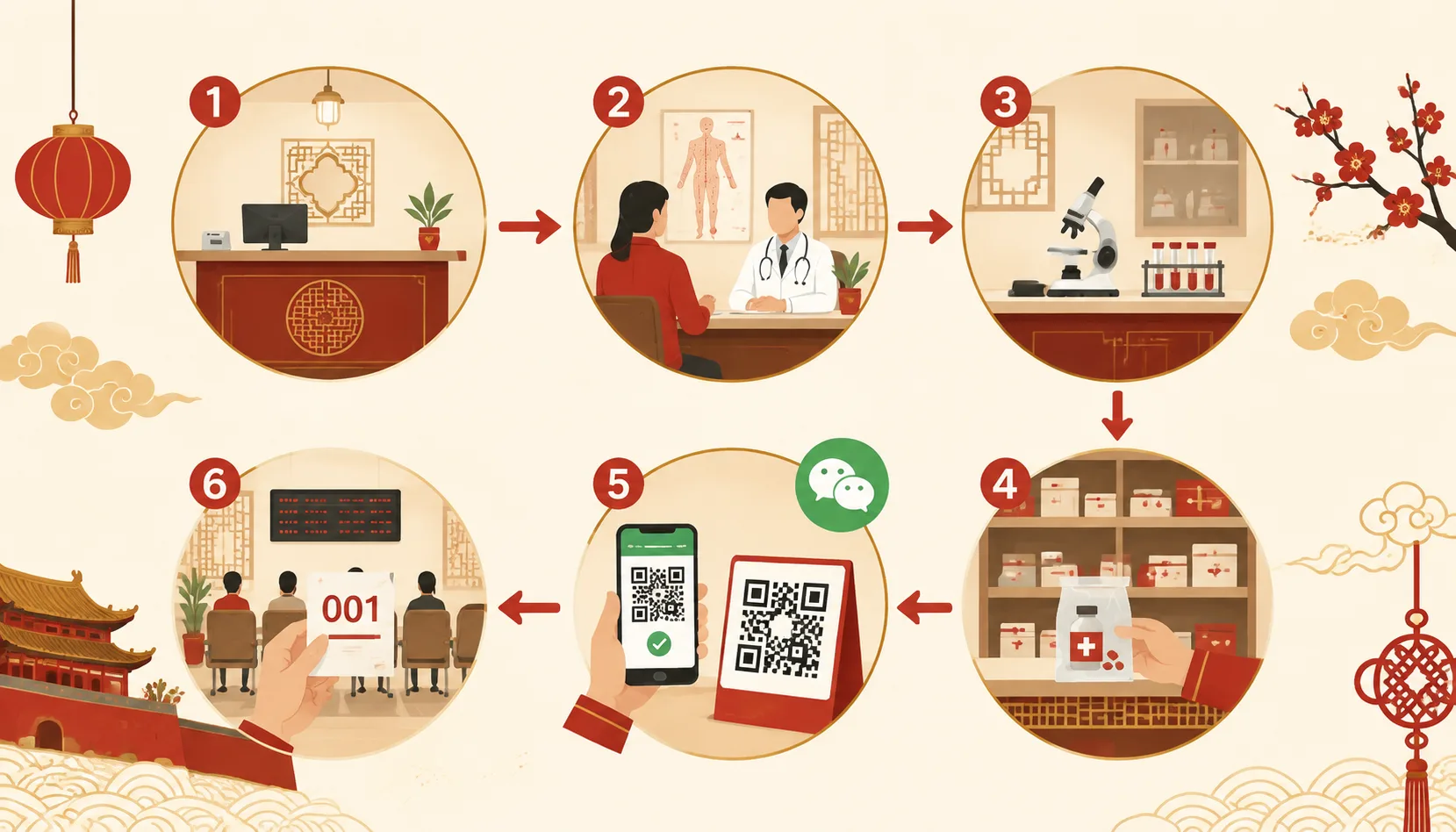
Chinese Hospital Visit: Step-by-Step Registration Guide
Register via the hospital's WeChat mini-program (挂号, Guàhào) to book a department, doctor, and time slot. Bring your passport, a phone with WeChat Pay or Alipay…
Read the guide →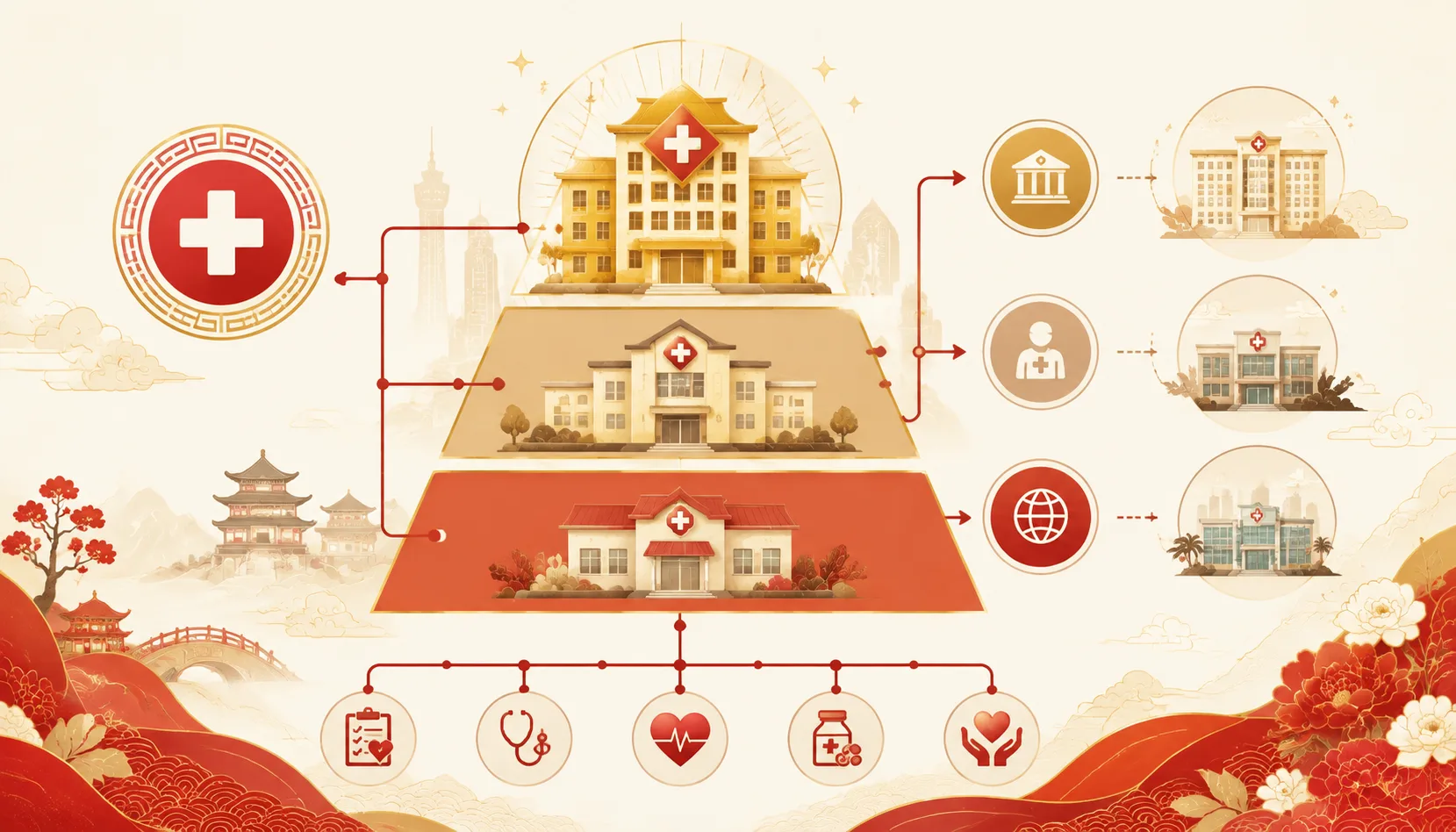
Chinese Hospital System: Public, Private & International
China's hospitals are tiered from Grade 3-A (top-tier, crowded) to community health centers (basic, local). For foreigners, the smart move is often a Grade 2 ho…
Read the guide →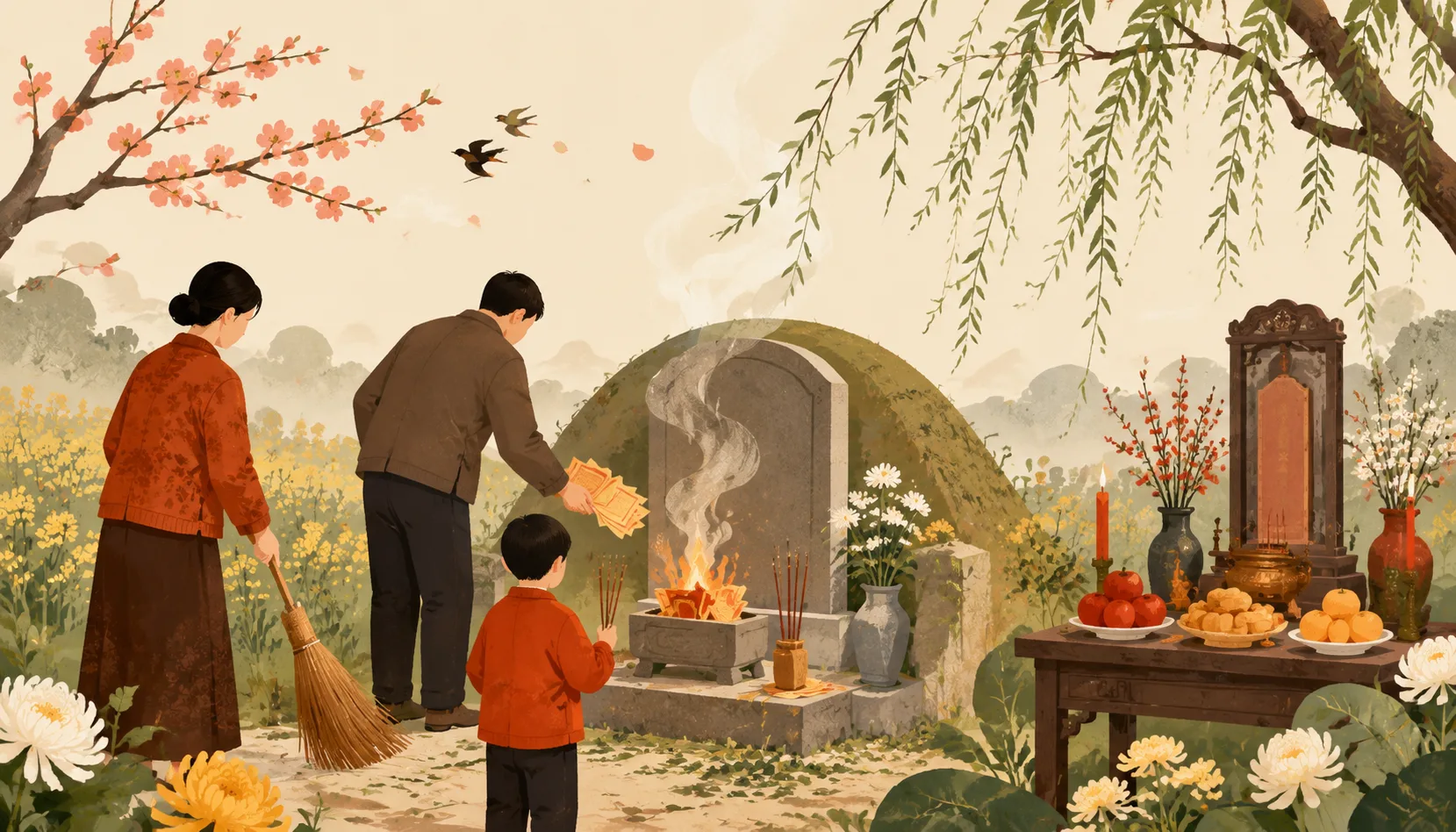
Ancestor Worship & Qingming Festival: A Foreigner's Guide
Ancestor worship in China centers on honoring deceased family members through rituals like Qingming grave sweeping, burning paper offerings, and maintaining hom…
Read the guide →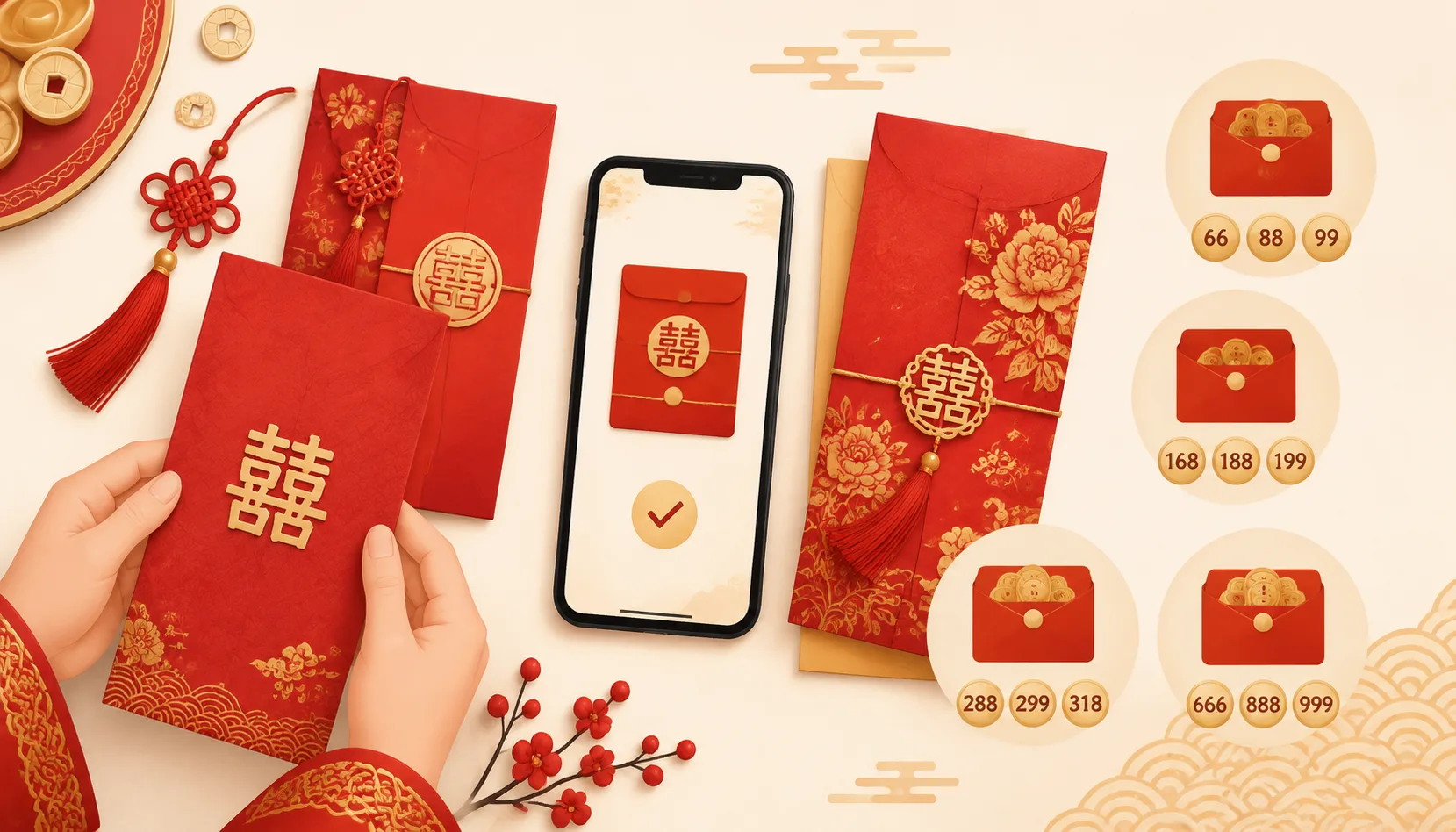
Red Envelopes: The Complete Hongbao Guide for Foreigners
Red envelopes are given at weddings, birthdays for elders, baby full-moon celebrations, and hospital visits, not just New Year. Amounts vary by city and occasio…
Read the guide →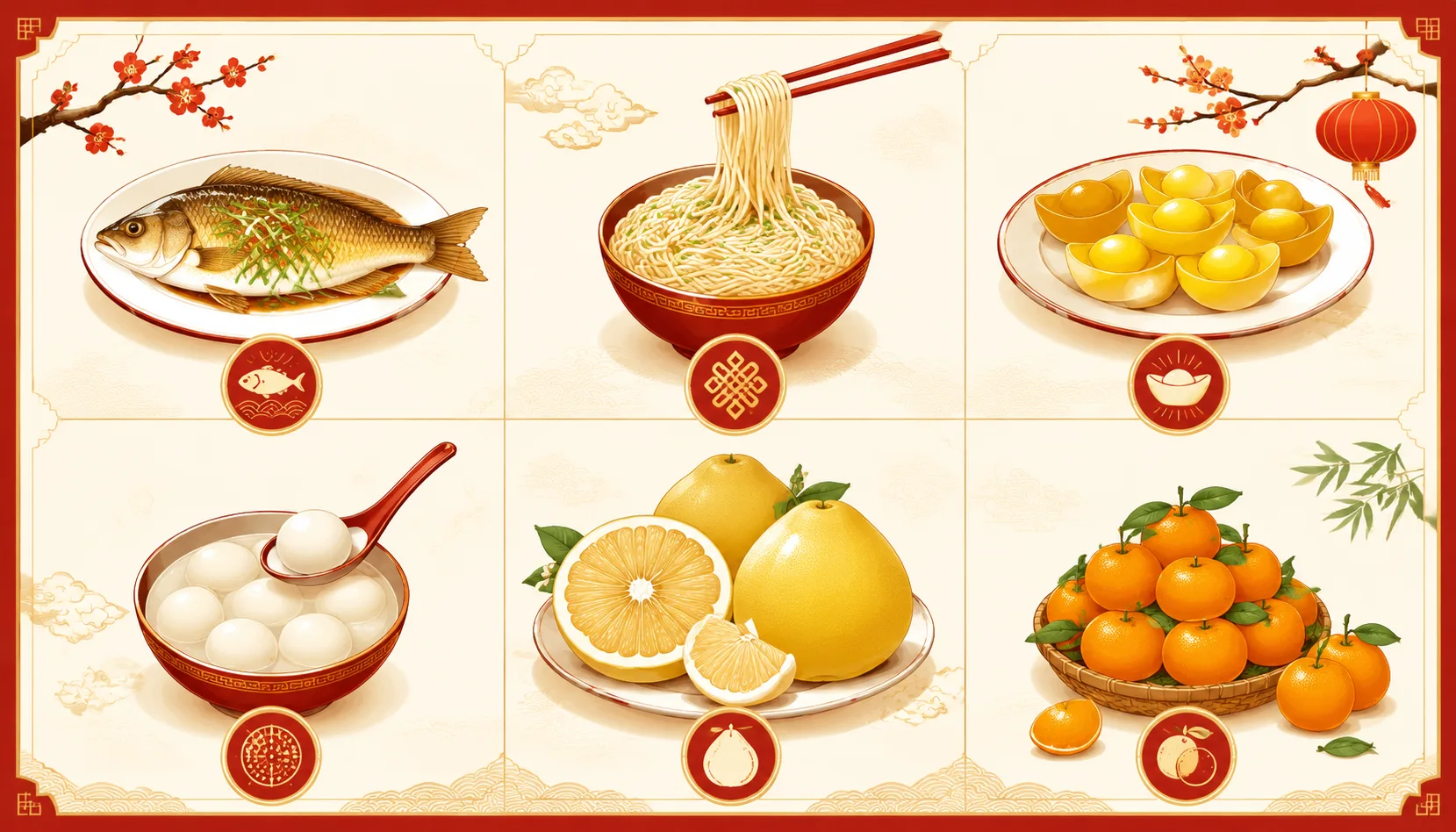
Lucky Foods in China: Symbolism & Etiquette Guide
In China, certain foods carry deep symbolic meanings—fish for surplus, dumplings for wealth, long noodles for longevity, and more. When these foods appear, it's…
Read the guide →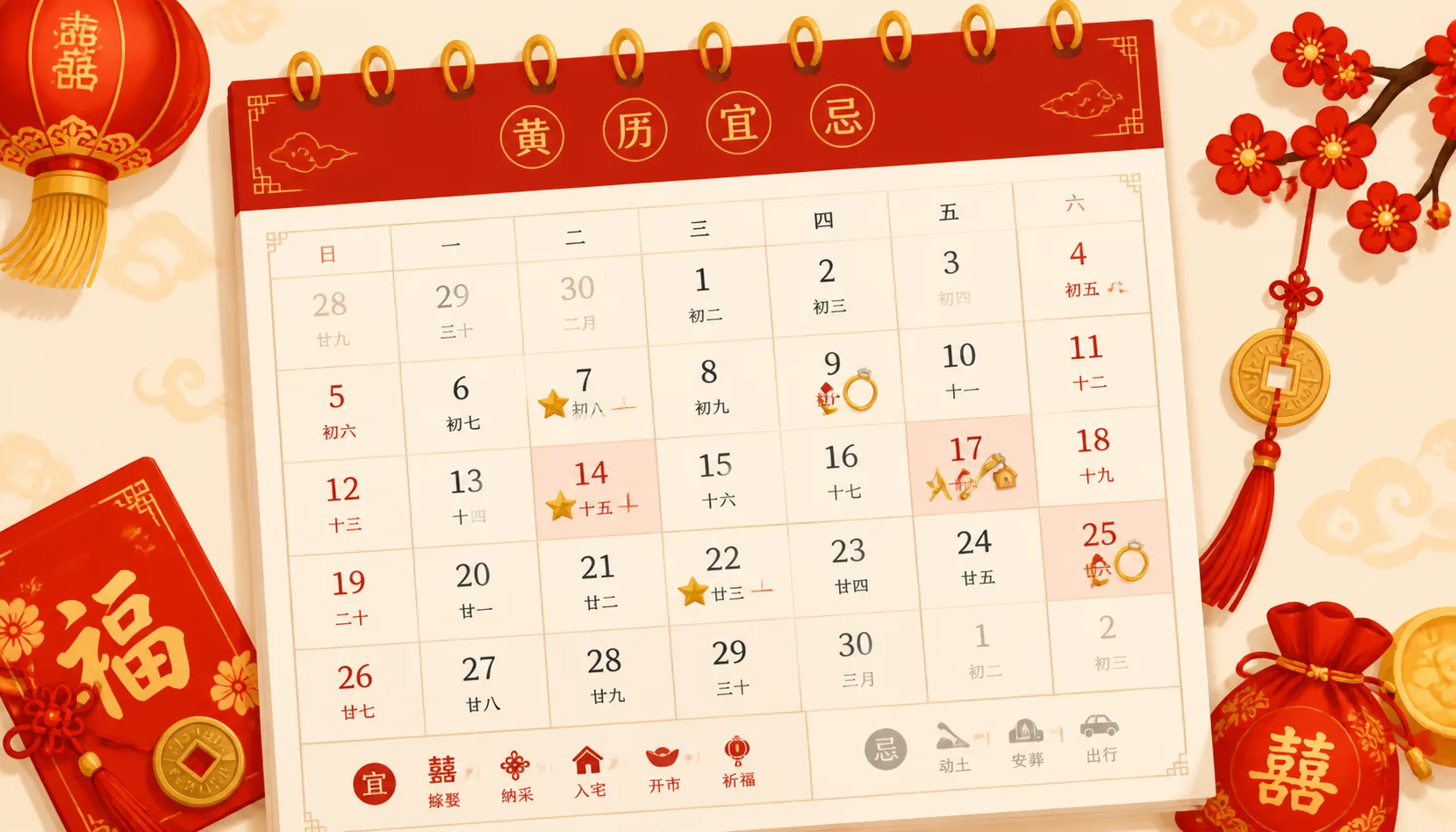
Choosing Auspicious Dates in China: A Foreigner's Guide
Chinese people often consult the lunar calendar and the almanac (tong shu) to pick dates that are believed to bring good luck for events like weddings, moving, …
Read the guide →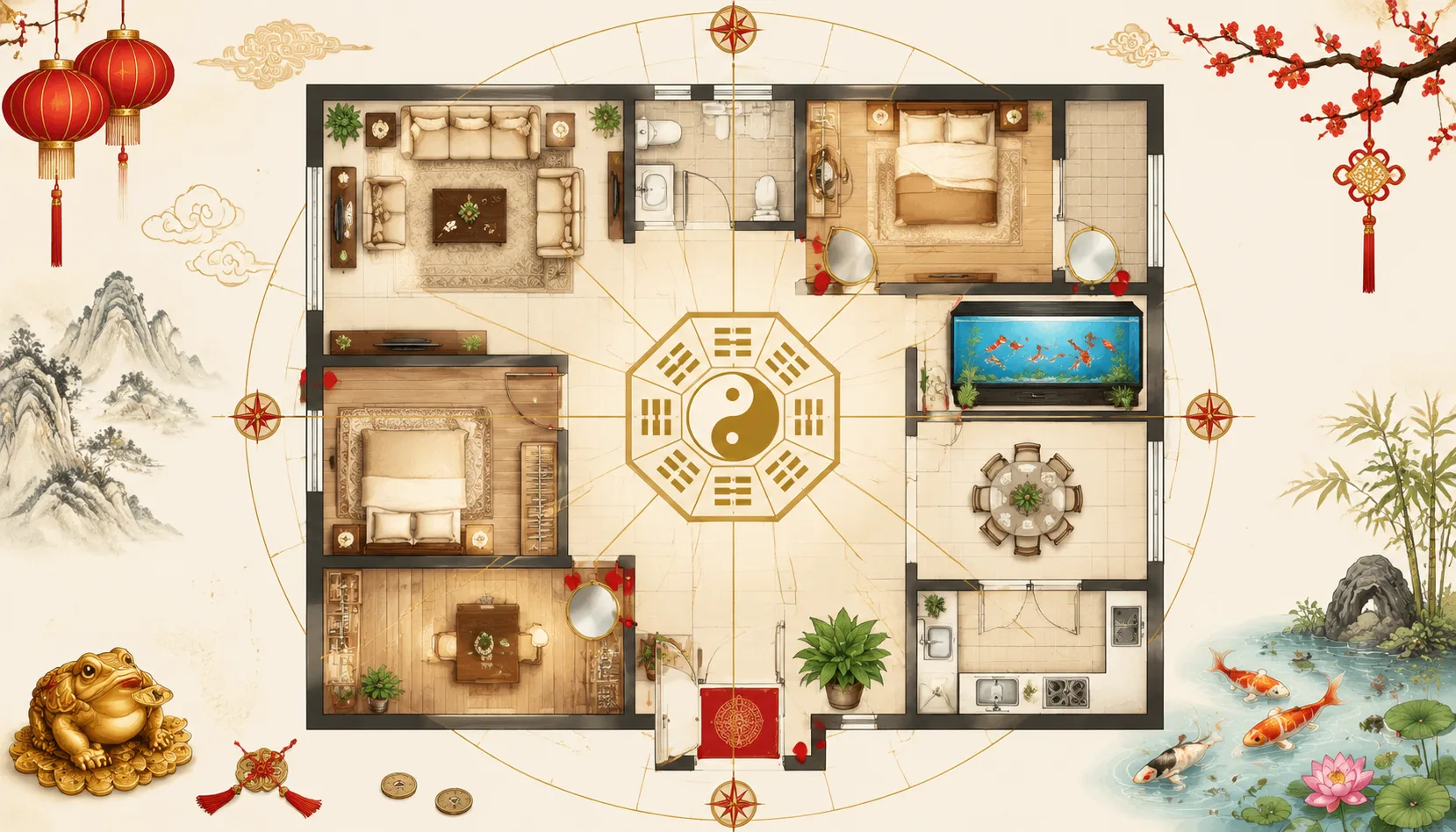
Feng Shui Basics: What Foreigners Must Know in China
Feng shui influences everything from apartment floor numbers to mirror placement and home orientation. In China, many buildings skip the 4th floor, mirrors are …
Read the guide →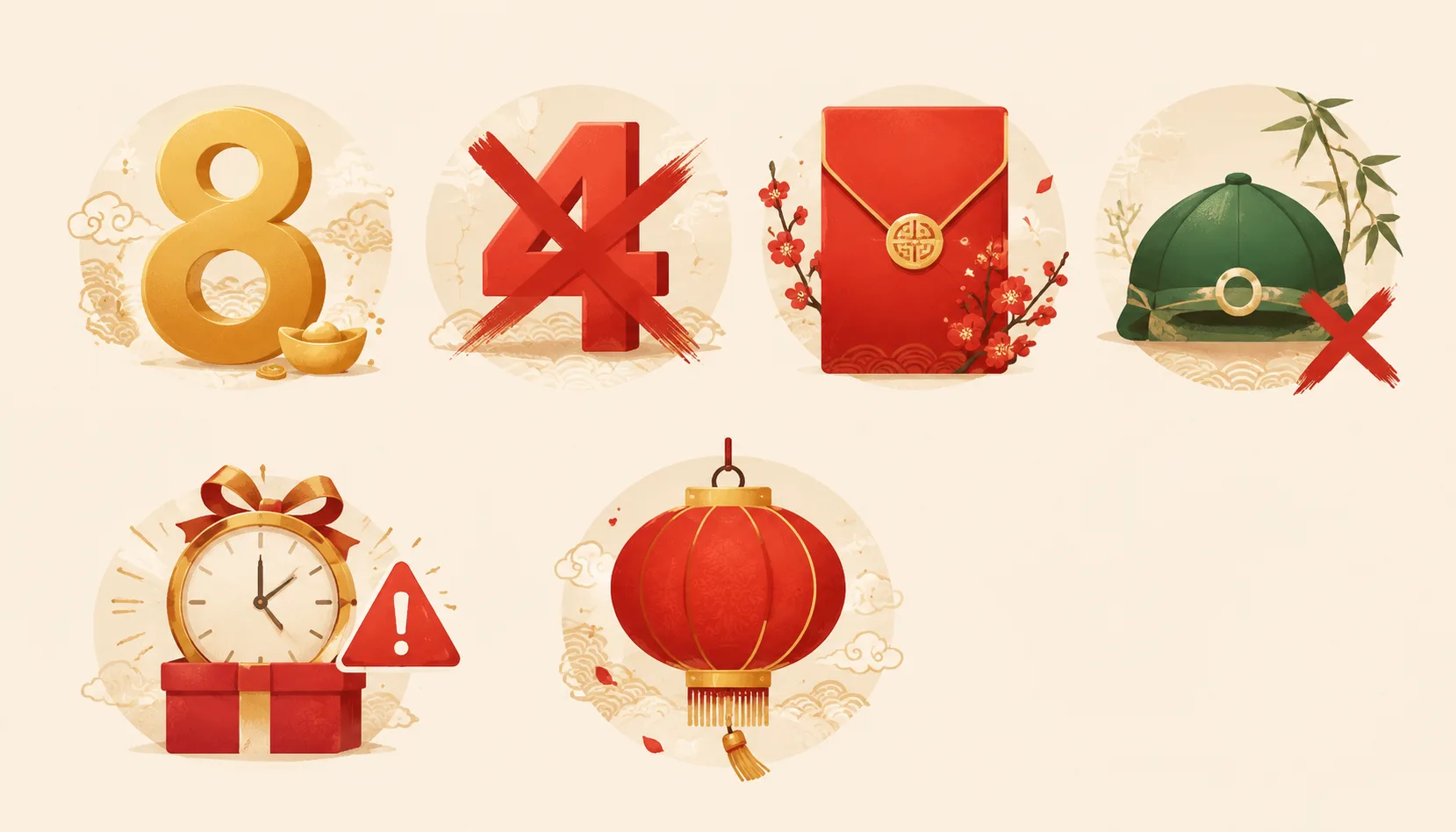
Chinese Superstitions in Everyday Life: What to Know
Several Chinese superstitions remain genuinely active in modern life — especially around gifts (clocks, pears, green hats), numbers (4 = death, 8 = prosperity),…
Read the guide →
China High-Speed Rail and Taxi Guide for Foreigners
China's high-speed rail (高铁, gāotiě) is fast, punctual, and remarkably comfortable — but requires a passport for ticket purchase, a name-to-seat system, and spe…
Read the guide →
Living With or Near Chinese In-Laws: A Foreigner's Guide
Chinese parents typically maintain a much closer involvement in their married children's lives than Western families expect — especially around major holidays, …
Read the guide →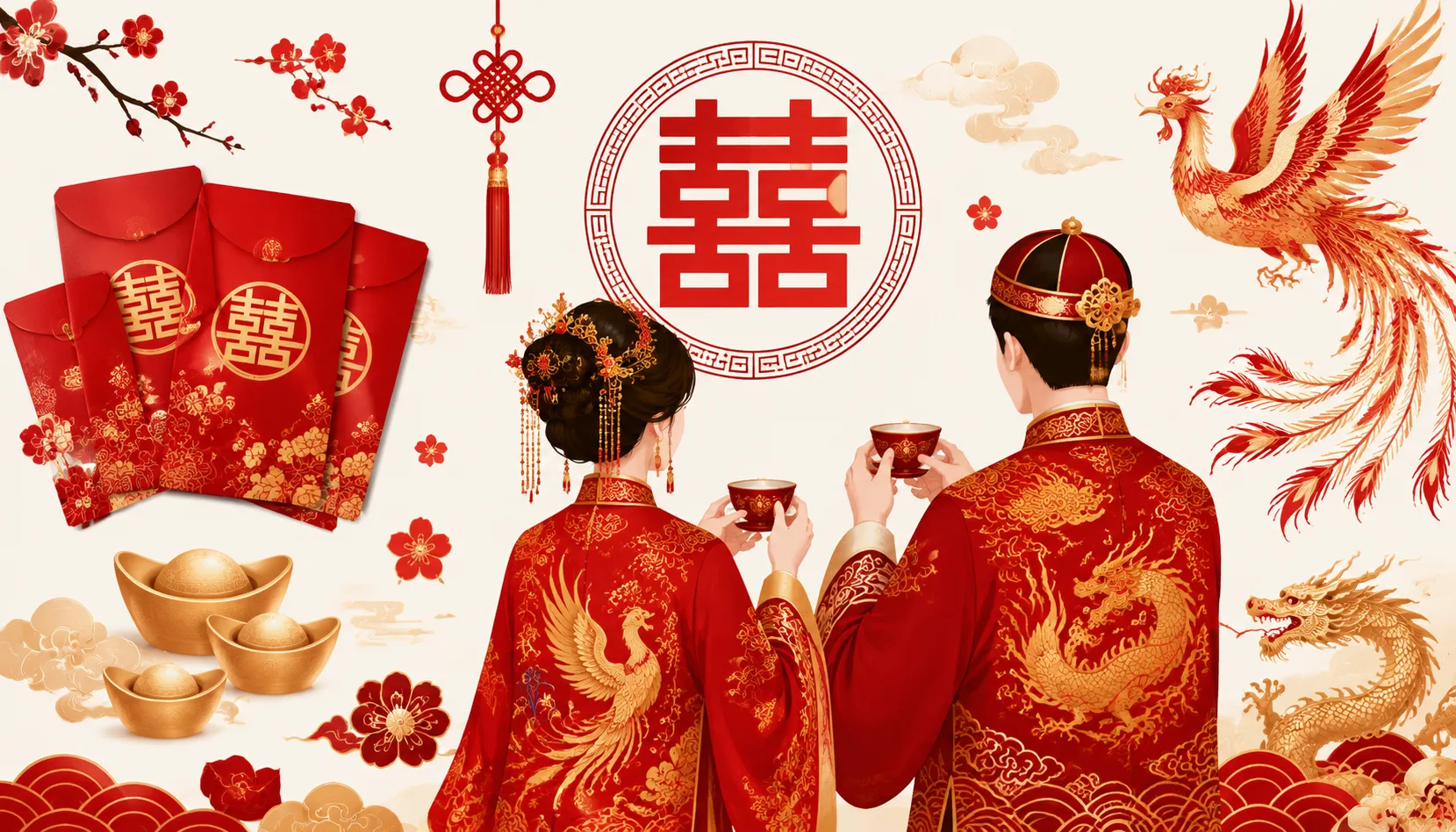
Chinese Wedding Traditions: What Foreigners Need to Know
Chinese weddings involve rituals foreign partners rarely expect: cǎilǐ (bride price), elaborate pre-wedding photo shoots, multiple toasting rounds, and sometime…
Read the guide →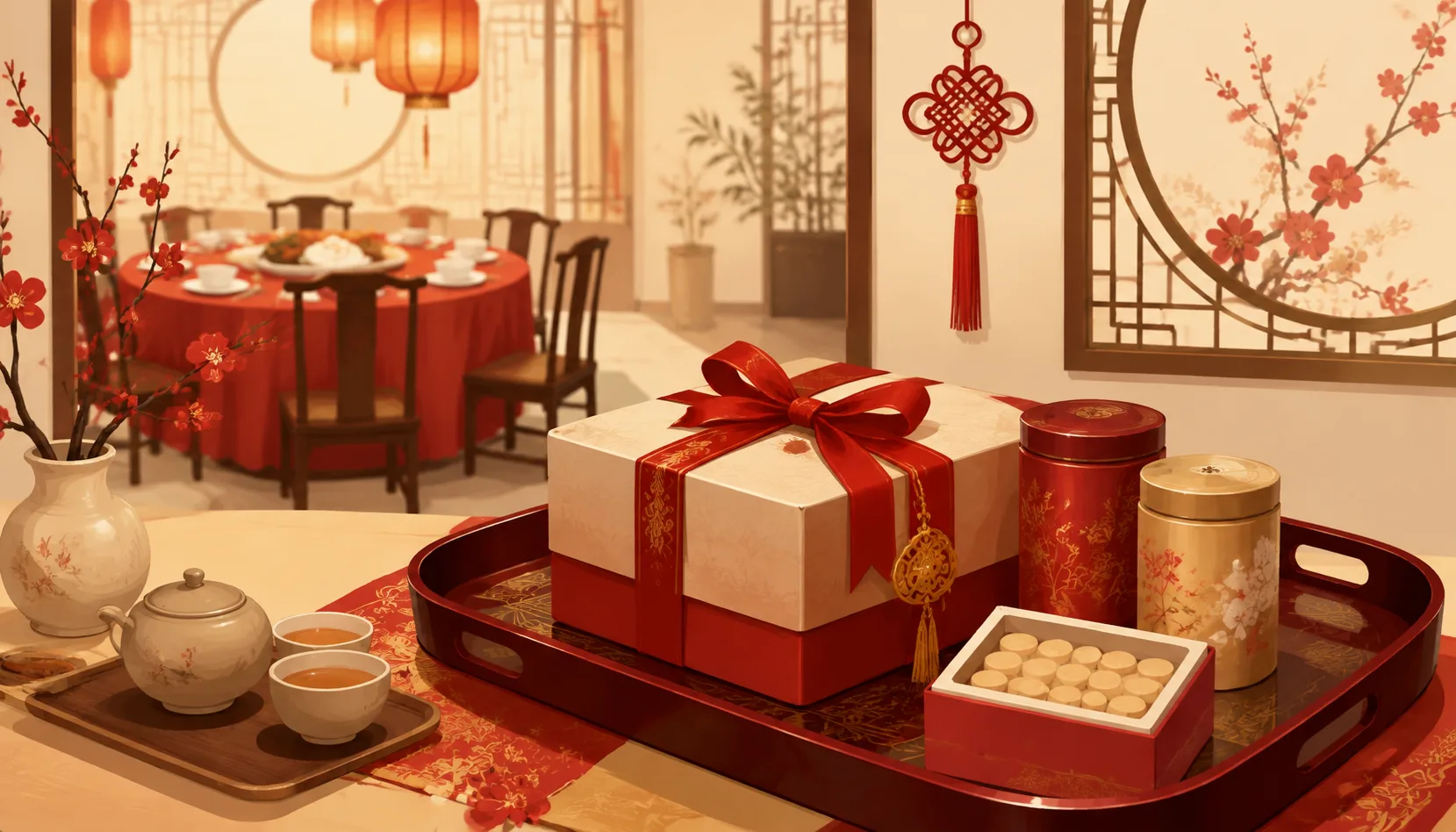
Meeting Your Chinese Partner's Parents: A Foreigner's Guide
Meeting Chinese parents is a major milestone — it signals the relationship is marriage-track. Bring a quality gift (¥300–800), expect interview-style questions …
Read the guide →