How does feng shui affect daily life and property choices in China, and what should foreigners know?
Quick answer
Feng shui influences everything from apartment floor numbers to mirror placement and home orientation. In China, many buildings skip the 4th floor, mirrors are placed away from doors, and offices feature fish tanks for prosperity. When renting or buying, pay attention to the building's direction and surrounding environment, as these are believed to impact health and wealth.
Why the Number 4 is Avoided
In Chinese culture, the number 4 (sì) sounds like the word for 'death' (sǐ). This is why many buildings—especially residential towers and offices—skip the 4th floor entirely. You'll notice floor numbers go from 3 to 5, or use 3A and 3B instead. Similarly, apartments with the number 4 in the unit number (e.g., 404) are often harder to sell or rent at market price.
For foreigners, this is crucial when choosing a home. If you're offered a unit on the 4th floor, it might be cheaper, but you may face difficulty reselling or subletting later. Conversely, the number 8 is considered extremely lucky (it sounds like 'prosperity'), so floors with 8, 18, 28 are often more expensive. When renting, you might find that landlords are willing to negotiate on 'unlucky' numbers—use this to your advantage.
Also, be aware that some elevators won't have a button for 4 at all. If you're visiting a friend on the '4th' floor, it might actually be the 5th physical floor. Always confirm the actual floor number when giving directions.
Mirrors: The Doorway Dilemma
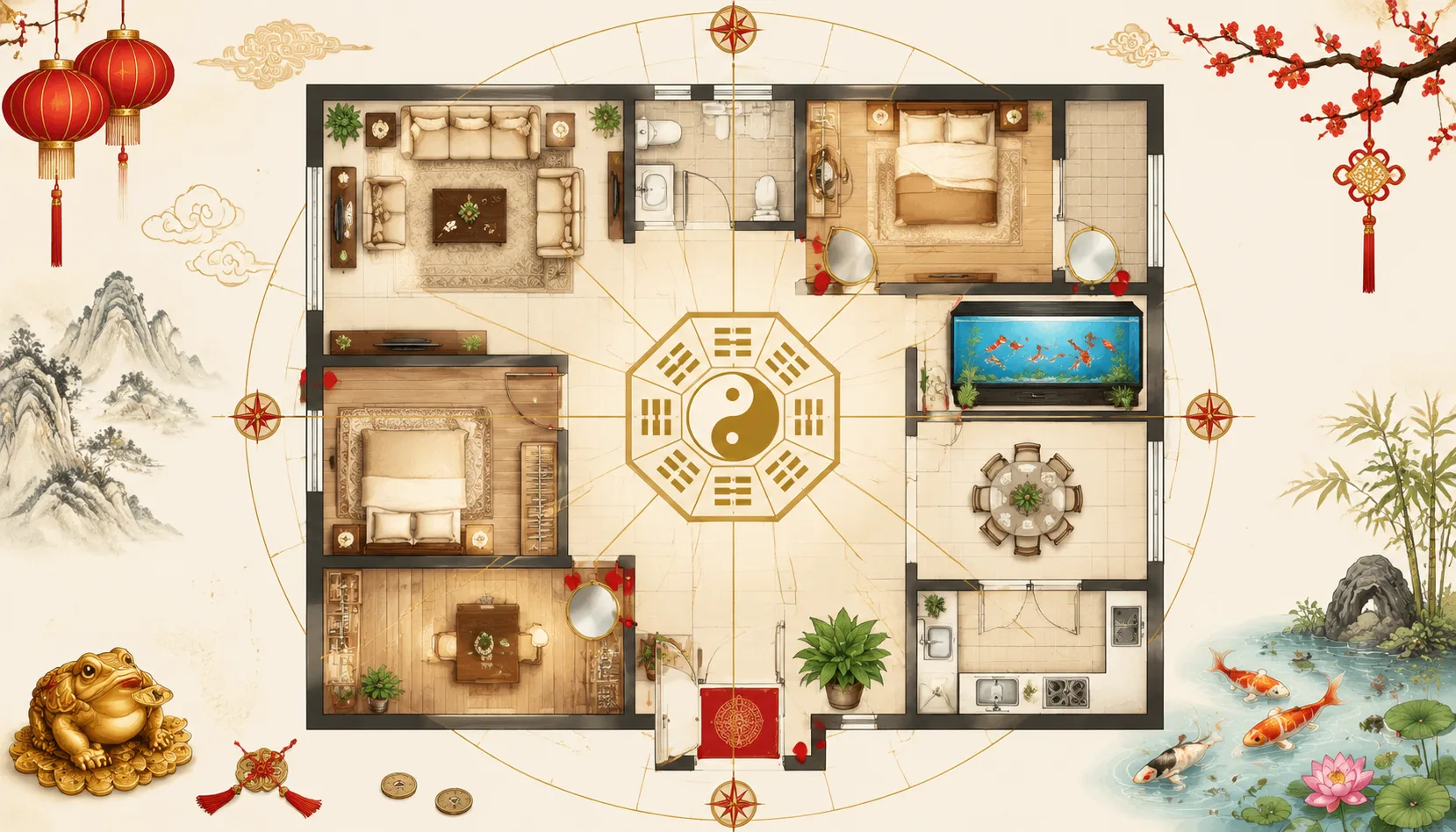
In feng shui, mirrors are believed to reflect energy (qi). A common rule is that a mirror should never face the front door directly. The logic: the mirror bounces positive energy back out of the home, preventing good fortune from entering. You'll see this in many Chinese homes—mirrors are placed on side walls, inside wardrobes, or in bathrooms, but rarely directly opposite an entrance.
As a foreigner, you might be tempted to hang a mirror in the entryway for convenience. If you do, position it at an angle so it doesn't directly face the door. Another common practice is to place a mirror in the dining room to reflect the dining table, symbolizing abundance. But avoid mirrors in the bedroom facing the bed—this is thought to disrupt sleep and invite third-party interference in relationships.
If you're renting, you can adjust mirror placement without major renovation. Just use command hooks or temporary adhesive. However, if you're buying, consider the existing layout—some buyers will pay a premium for a home that already follows feng shui principles, so it's wise to maintain or improve them.
Fish Tanks: Prosperity in Offices and Homes
Fish tanks are a classic feng shui cure for wealth and career success. In offices, you'll often see a large aquarium near the entrance or in the reception area. The moving water and live fish are believed to activate positive energy and attract financial opportunities. The number of fish matters: 8 goldfish (prosperity) and 1 black fish (protection) is a common combination.
At home, a fish tank is often placed in the living room, but never in the kitchen or bedroom. The tank should be positioned so that it's visible when you enter the room, but not directly under a window or facing a door. Water that is stagnant or dirty is considered bad feng shui, so regular maintenance is essential—a neglected tank can bring negative energy.
For foreigners, if you're setting up an office in China, adding a fish tank could be seen as a sign of respect for local customs. It's also a conversation starter. Just be prepared for the upkeep. Alternatively, a small tabletop fountain can serve a similar purpose with less hassle. Remember, the key is moving water—still water is associated with stagnation.
Choosing a Home: Direction and Location
When Chinese people select a home, direction and location are paramount. The ideal orientation is 'south-facing' (朝南), because it maximizes sunlight in winter and keeps the home warm. North-facing homes are considered cold and dark, which is less desirable. East and west are acceptable, but south is the gold standard. Many apartment listings will explicitly state 'south-facing' as a selling point.
Location also matters: homes near hospitals, cemeteries, or funeral homes are often avoided, as these are associated with negative energy. Conversely, proximity to water (rivers, lakes) or green spaces (parks) is considered auspicious. A home near a busy road is thought to have 'sha qi' (killing energy) due to the constant traffic, so quieter streets are preferred.
For foreigners, pay attention to these factors when renting or buying. A south-facing apartment will be brighter and warmer, saving on heating costs. Avoid units directly facing a T-junction or a sharp corner—these are considered 'poison arrows' in feng shui. If you find a great deal on a north-facing unit, remember it may be harder to sell later, so negotiate accordingly.
What 'Bad Feng Shui' Means in Practice
'Bad feng shui' (风水不好) is a common phrase used to explain everything from financial difficulties to health issues. In practice, it refers to a home or office that has an imbalance of energy flow. Common bad feng shui features include: a staircase facing the front door (energy rushes out), a bathroom in the center of the home (drains wealth), exposed beams over the bed (creates pressure), and clutter in hallways (blocks qi).
For foreigners, hearing that a property has 'bad feng shui' might seem superstitious, but it has practical implications. Such properties are often cheaper to rent or buy. If you're not sensitive to feng shui, you could get a bargain. However, be aware that when you leave, the next tenant or buyer might be deterred by the same label, making it hard to sublet or resell.
If you want to improve the feng shui of your space, simple fixes include: adding plants (especially bamboo), using mirrors to redirect energy, keeping the entrance clean and well-lit, and decluttering regularly. Many foreigners find that following these principles creates a more pleasant living environment, regardless of belief.
Practical Tips for Foreigners Renting or Buying
When searching for property in China, always ask about the floor number and orientation. If a landlord mentions 'feng shui,' don't dismiss it—it can affect the price and future resale value. Here are some actionable tips:
- Floor numbers: Avoid 4, 14, 24, etc. if you plan to resell. Prefer 8, 16, 18, or 28 if possible.
- Building entrance: Check if the main door faces a road directly or is opposite a sharp corner. If so, ask for a discount.
- Natural light: South-facing rooms are best. Test the lighting at different times of day.
- Water features: If there's a pond or fountain outside, it's generally positive. Avoid living directly above a parking garage entrance.
- Clutter: Before signing a lease, ensure the space is clean and uncluttered—this is both practical and feng shui-friendly.
Remember, feng shui isn't a legal requirement, but respecting it can make your life easier. Landlords and neighbors will appreciate your awareness, and you'll avoid potential misunderstandings. When in doubt, ask a local friend or colleague for advice—they'll be happy to help you navigate these cultural nuances.
Common Feng Shui Symbols and Their Meanings
Beyond structural elements, you'll encounter various feng shui symbols in Chinese homes and offices. Understanding them helps you appreciate the culture and avoid inadvertently offending someone. Here are a few:
| Symbol | Meaning | Common Placement |
|---|---|---|
| Bamboo plant | Good luck and resilience | Entrance, living room |
| Laughing Buddha | Happiness and abundance | Entryway, facing the door |
| Dragon turtle | Protection and career success | Office desk, near the door |
| Three-legged toad | Wealth attraction | Living room, not facing the door |
| Chinese coins | Prosperity | Under doormats, in wallets |
If you receive such items as gifts, accept them graciously—they are meant to bring you good fortune. You don't need to believe in feng shui to respect the gesture. When visiting someone's home, avoid moving or touching these objects without permission. And if you're invited to a housewarming, a small plant or fruit basket is a thoughtful gift that aligns with feng shui principles.
Ultimately, feng shui is about creating harmony with your environment. Even as a foreigner, incorporating a few of these practices can help you feel more connected to your new home in China.
What Chinese People Actually Say
- 风水 | fēng shuǐ | Feng Shui (literal: wind and water) | Core term for the practice of harmonizing with environment
- 坐北朝南 | zuò běi cháo nán | Sit facing south | Ideal building orientation for good qi flow
- 靠山 | kào shān | Backed by a mountain | Ideal positioning for stability and support
2026 Reality Check
Feng Shui in 2026: Still practiced, but less rigidly. It's now often viewed as cultural heritage rather than strict rule.
Gen Z vs Older Generations: Younger Chinese treat Feng Shui as optional decor advice—mirrors to "fix" qi, not mandatory. Boomers and elders still consult masters before major moves, business launches, or funerals. Gen Z posts about it ironically on social media.
Beijing/Shanghai vs Smaller Cities: Tier-1 cities: Modern apartments ignore compass rules; developers market "feng shui-friendly" layouts as marketing, not mandate. Smaller cities and rural areas: Ancestor worship keeps Feng Shui more relevant—burial sites, house orientations, and temple placements still follow traditional advice.
Reality Check: Foreigners in China won't face social fallout for ignoring Feng Shui. Locals may gently joke about bad "qi flow" in your office. It's now cultural flavor, not enforcement.
Frequently asked questions
Why do Chinese buildings skip the 4th floor and how does this affect my apartment search?
The number 4 sounds like 'death' in Chinese, so many residential buildings omit it entirely or label it 3A. When searching for an apartment, you may notice floor numbering jumps from 3 to 5. This is purely superstitious, but if you're sensitive to resale value, avoid 4th-floor units—some Chinese buyers will negotiate harder or refuse them.
What should I do if my apartment door faces a staircase or elevator?
In feng shui, a door directly facing stairs or an elevator is considered bad because energy (qi) rushes in or out too quickly. Practical fixes include placing a mirror on the door (facing outward) to deflect negative energy, or installing a decorative screen inside. Many Chinese landlords expect tenants to make these small adjustments, so it's normal to ask before moving in.
Can I hang a mirror anywhere, or are there specific rules I must follow in China?
Mirrors are powerful feng shui tools but have strict placement rules. Never hang one directly opposite your front door—it's believed to push away good fortune. Also avoid mirrors facing your bed, as they're thought to disrupt sleep. In shared apartments, common areas like hallways are fine. If unsure, ask your Chinese housemate or landlord; they'll appreciate your cultural awareness.
Is a fish tank really necessary for good luck, and can I skip it?
Fish tanks are common in Chinese offices and homes, but they're not mandatory. They symbolize wealth and abundance, especially with 8 or 9 goldfish (8 is lucky, 9 for growth). However, a poorly maintained tank brings bad energy, so it's better to skip it than neglect it. If you want the benefit without the hassle, a small bowl with a single lucky bamboo plant works as a substitute.
How do I check the feng shui of a rental apartment before signing a lease?
Start with the building's orientation: a south-facing entrance is considered best for sunlight and positive qi. Walk around the neighborhood—avoid properties facing a hospital, cemetery, or sharp road angles (called 'poison arrows'). Inside, check if the kitchen and bathroom are not directly opposite the front door. If something feels off, ask the landlord about previous tenants' health and business—locals often take this seriously.
Are feng shui rules different in southern China versus northern China?
Yes, regional variations exist. In southern cities like Guangzhou and Hong Kong, feng shui is deeply tied to water—buildings near rivers or with curved roads are prized. In northern cities like Beijing, mountain alignments and government buildings matter more. Also, southerners are stricter about floor numbers and door directions, while northerners focus on overall layout. When in doubt, observe what local neighbors do—that's the best guide.
Try our tools
Related guides
Choosing Auspicious Dates in China: A Foreigner's Guide
Chinese people often consult the lunar calendar and the almanac (tong shu) to pick dates that are believed to bring good luck for events like weddings, moving, …
Read the guide →
Chinese Lucky and Unlucky Numbers: Why 8 Is Gold, 4 Is Fatal
In China, 8 is the luckiest number (sounds like 'prosper'), 6 means smooth sailing, and 9 means longevity. The number 4 is avoided like death — because it sound…
Read the guide →
Chinese Superstitions in Everyday Life: What to Know
Several Chinese superstitions remain genuinely active in modern life — especially around gifts (clocks, pears, green hats), numbers (4 = death, 8 = prosperity),…
Read the guide →