How does parcel delivery work in Chinese residential compounds, and how can I get my packages delivered to my door?

Quick answer
In China, couriers typically leave packages at smart lockers (快递柜) or pickup stations (菜鸟驿站) rather than delivering to your door. You'll receive a pickup code via SMS, then collect your parcel at your convenience. To get door delivery, add '请送上门' to your address or call the courier when notified.
Welcome to China's Parcel Delivery Revolution
When I first moved to China, I was baffled by the constant stream of SMS notifications with pickup codes. Coming from a country where packages were left on my doorstep (or stolen), I soon realized China's system is a different beast — and once you understand it, it's incredibly efficient.
China processes over 100 million parcels per day, and the last-mile delivery ecosystem has evolved to handle this scale. In your residential compound (小区, xiǎoqū), you'll encounter three main delivery methods. Understanding them will save you confusion and missed packages.
Here's the golden rule: always answer unknown calls when expecting a delivery — it's likely your courier (快递员, kuàidìyuán) trying to arrange delivery. Ignoring calls is the #1 reason expats miss their packages.
Option 1: Door Delivery (送上门) — The Ideal Scenario
Door delivery (送上门, sòng shàngmén) is possible but not guaranteed. Couriers often call first to confirm you're home. If you answer, you can request door delivery politely.
Actionable tip: Add a delivery instruction to your shipping address. For example, after your building number, add: 请送上门,谢谢 (qǐng sòng shàng mén, xièxiè) — meaning "Please deliver to my door, thank you."
Here's a typical phone conversation:
Courier: 你好,你有快递,在家吗?
(Nǐ hǎo, nǐ yǒu kuàidì, zài jiā ma?)
"Hello, you have a package. Are you home?"
You: 在的,请送上门。
(Zài de, qǐng sòng shàng mén.)
"Yes, please deliver to my door."
If you're not home, you can ask them to leave it at the locker or station instead.
Option 2: Smart Lockers (快递柜) — The 24/7 Solution
Smart lockers (快递柜, kuàidì guì) are common in compounds. Major brands include 丰巢 (Fēngcháo) and 中邮速递 (China Post). When your parcel is placed in a locker, you receive an SMS with a pickup code (取件码, qǔjiàn mǎ).
You walk to the locker, enter the code on the touchscreen, and the door pops open. Simple as that.
Important: Lockers have a time limit — usually 12 to 24 hours before storage fees kick in (typically 0.5–1 RMB per day). After a few days, your parcel may be returned to the sender.
Actionable tip: Set your phone to show SMS notifications prominently, and check your messages when expecting a delivery. If you're away, ask a neighbor to pick it up for you — just share the code.
Option 3: Pickup Stations (菜鸟驿站) — The Flexible Choice
The most common option in residential areas is the 菜鸟驿站 (Càiniǎo Yìzhàn), Alibaba's logistics network. It's a small shop or room inside or near your compound, often run by a local family.
When your parcel arrives, you get an SMS or app notification with a pickup code. You visit the station, show the code to the staff (or scan it yourself), and collect your package. No time pressure — most stations hold parcels for several days, sometimes a week.
Here's a typical interaction at the station:
You: 你好,我来取快递。
(Nǐ hǎo, wǒ lái qǔ kuàidì.)
"Hello, I'm here to pick up a package."
Staff: 取件码是多少?
(Qǔjiàn mǎ shì duōshǎo?)
"What's your pickup code?"
You: 123456。
They'll hand you the parcel, and you're done.
Why Couriers Don't Always Deliver to Your Door
Many expats get frustrated when couriers skip door delivery. But here's the reality: a single courier handles hundreds of parcels daily. In a large compound with multiple buildings, door-to-door for every package is physically impossible.
It's not laziness — it's efficiency. By using lockers and stations, couriers can deliver more packages in less time, which keeps costs low and speeds up delivery for everyone.
Actionable tip: If you really need door delivery (e.g., heavy items), call the courier as soon as you get the notification and politely ask. Many will accommodate if you're home.
You can also add a note in your address: 请放门口 (qǐng fàng ménkǒu) — "please leave at my door" — but this is risky if you're not home.
Tracking Your Packages Like a Pro
All major e-commerce platforms — Taobao, JD.com, Pinduoduo — have real-time tracking. But the most powerful tool is the 菜鸟 app (Cainiao app), which aggregates all your pending pickups from all carriers in one place.
You can see which parcels are at which locker or station, with codes and addresses. No more digging through SMS messages.
Actionable tip: Download the Cainiao app and link your phone number. It automatically syncs with your packages. You'll get notifications when a parcel is delivered, and you can even extend locker storage time in some cases.
If a parcel goes missing, contact the platform's customer service (客服, kèfú) first, not the courier. They have resolution protocols and typically replace or refund within 3–5 days. Just say: 我的快递丢了 (wǒ de kuàidì diū le) — "My package is lost."
Key Vocabulary for Parcel Delivery
Master these terms to navigate the system confidently:
| Chinese | Pinyin | English |
|---|---|---|
| 快递员 | kuàidìyuán | Courier |
| 取件码 | qǔjiàn mǎ | Pickup code |
| 快递柜 | kuàidì guì | Smart locker |
| 菜鸟驿站 | Càiniǎo Yìzhàn | Cainiao pickup station |
| 签收 | qiānshōu | Sign for receipt |
| 送上门 | sòng shàng mén | Deliver to door |
| 客服 | kèfú | Customer service |
Actionable tip: Save these words in your phone's notes. When you see a notification, you'll know exactly what to do.
Remember: China's parcel system is designed for speed and convenience. Once you get used to it, you'll wonder how you ever managed without it.
What Chinese People Actually Say
- 快递 | kuài dì | express delivery | Use when referring to the delivery service or company.
- 取件码 | qǔ jiàn mǎ | pickup code | The numeric code needed to open lockers or collect packages.
- 签收 | qiān shōu | sign for receipt | Used when confirming package collection at stations or door delivery.
2026 Reality Check
2026 Reality Check: Parcel lockers are now standard in Beijing and Shanghai—Gen Z uses them without hesitation. Older generations still prefer door delivery, but many have adapted to lockers for speed and convenience. In smaller cities, door delivery remains dominant. Lockers exist but sit underutilized—residents often refuse to use them, preferring to wait for couriers to hand over packages face-to-face.
The Shift: Gen Z sees lockers as normal. Older gens view them as impersonal. Tier-1 cities embraced automation; Tier-2/3 cities largely haven't. The "rule" still exists but compliance varies wildly by age and location. Delivery is faster in big cities, slower elsewhere—but everyone still gets their packages.
Frequently asked questions
Can I request door delivery for every package in China, or is it only for certain items?
You can request door delivery for most parcels, but it's not guaranteed. Couriers prioritize lockers and stations due to volume. Add '请送上门' (please deliver to door) to your address and call the courier when you get the SMS. Heavy or fragile items—like furniture or electronics—are more likely to be brought up. For small packages, expect pushback; offering to meet them at the building entrance helps.
What happens if I miss the pickup code SMS for my parcel locker?
Don't panic—the code stays valid for 1–3 days depending on the locker network. After expiry, the courier retrieves the package and may redeliver or hold it at the station. You can also find the code in the delivery app (e.g., Cainiao, SF Express) or by calling the courier. For pickup stations like Cainiao, they keep parcels for 5–7 days before returning to sender, so check your phone regularly.
Is it safe to have packages left at a smart locker or pickup station in a Chinese residential compound?
Yes, it's generally very safe. Lockers require a unique pickup code sent to your phone, so only you can access your parcel. Pickup stations are staffed and check your ID or code before handing over packages. Theft is rare, but if something goes missing, file a claim through the courier app or the station—they're liable. For high-value items, request door delivery or add insurance.
How do I change my delivery preference from locker to door delivery if I've already ordered something?
Once your parcel ships, you can't change the address in the app, but you can redirect the courier. When you receive the SMS notification, reply with '送上门' or call the courier directly—their number is in the message. If the parcel is already in a locker, wait for the 24-hour grace period, then request redelivery. Alternatively, contact the seller to update the address on future orders.
Are there regional differences in parcel delivery across China—like in Beijing versus smaller cities?
Yes, big cities like Beijing, Shanghai, and Shenzhen have dense locker networks and couriers who default to them. In smaller cities or rural areas, door delivery is more common because lockers are scarce, and couriers often know residents personally. In gated compounds with strict security, couriers may not enter at all—you'll need to pick up at the gate. Tourist-heavy areas like Chengdu have more stations but fewer lockers.
What should I do if my parcel is delivered to the wrong locker or pickup station—can I get it corrected?
Yes, it's fixable. First, check the SMS—it lists the exact locker or station name and address. If it's wrong, call the courier immediately; they can transfer the parcel to the correct location, usually within 24 hours. For pickup stations, you can also ask the staff to help locate it via their system. Don't try to access a locker you weren't assigned—it won't open with your code. Always confirm the location before heading out.
Try our tools
Related guides

What to Bring to a Chinese Home Dinner: 2026 Gift Guide
Never arrive empty-handed at a Chinese home dinner. Safe options: a fruit basket, quality packaged pastries or snacks, good quality tea, or imported wine/spirit…
Read the guide →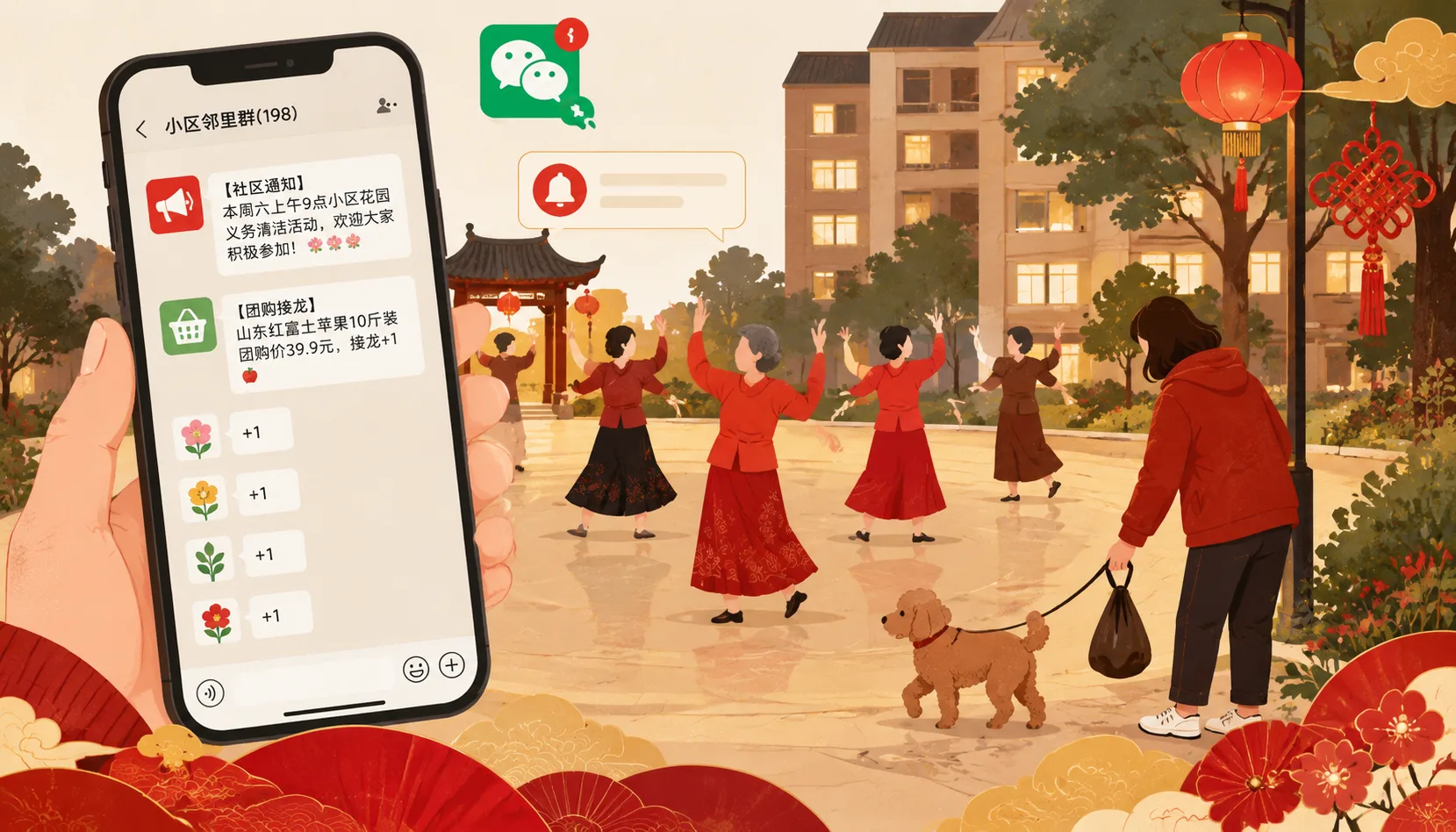
Chinese Neighborhood WeChat Groups: Expat Survival Guide
Join your compound's WeChat group via your property management office or landlord. Use it to get critical notices, participate in group buying, and connect with…
Read the guide →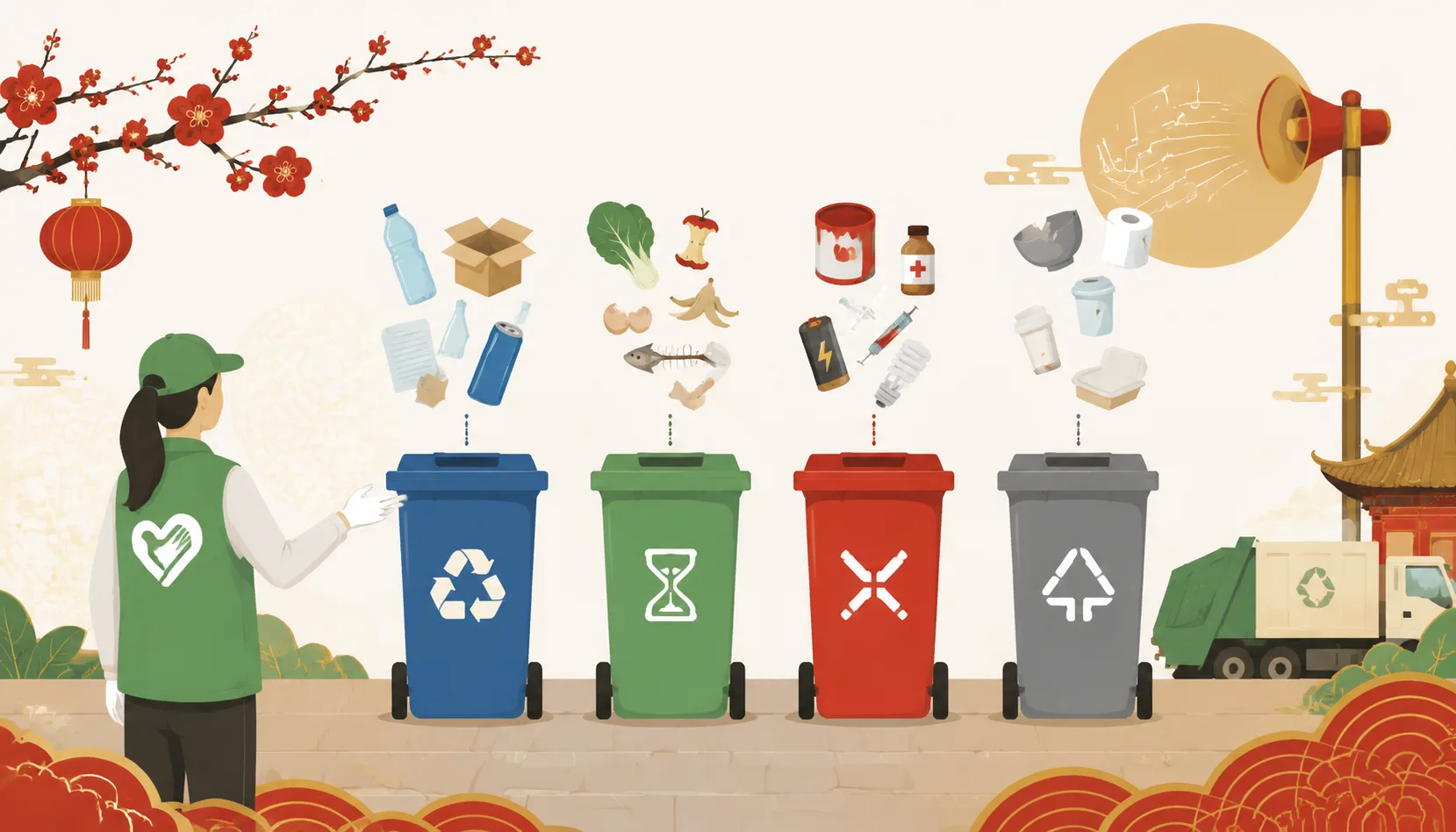
China Waste Sorting: A Foreigner's Practical Guide
Learn the 4-category system (recyclables, hazardous, food waste, other), but always check your specific compound's rules. Listen for the music signal to bring o…
Read the guide →