What to Bring to a Chinese Home for Dinner: Guest Gift Guide for 2026

Quick answer
Never arrive empty-handed at a Chinese home dinner. Safe options: a fruit basket, quality packaged pastries or snacks, good quality tea, or imported wine/spirits. Spend ¥80–200 for a regular dinner with friends, ¥150–400 for something more formal. Bring the gift with both hands within 2–3 minutes of arriving. Don't bring a clock, pears, or anything in white packaging.
Quick Answer
Never arrive empty-handed at a Chinese home dinner. Safe options: a fruit basket, quality packaged pastries or snacks, good quality tea, or imported wine/spirits. Spend ¥80–200 for a regular dinner with friends, ¥150–400 for something more formal. Bring the gift with both hands within 2–3 minutes of arriving. Don't bring a clock, pears, or anything in white packaging.
The First Rule: You Must Bring Something
In Chinese culture, accepting a home dinner invitation without bringing a gift is not "casual" — it's noticed as bad manners. The host has spent hours preparing food, often making specialty dishes they don't cook normally. Arriving empty-handed signals that you didn't think about them.
What you bring is less important than that you bring something. A modest fruit basket from the supermarket, thoughtfully presented, is better than arriving without anything.
The exception: if you've been told explicitly "just yourself, don't worry about bringing anything" — Chinese hosts say this as a courtesy. Bring something modest anyway. If they push back harder ("really, genuinely, don't bring anything — we have everything"), a small token (single specialty item, artisan chocolates, a bottle of quality juice) is still appropriate.
The Ranked Gift List
Rank 1: Fruit (Most Versatile, Always Safe)
A quality fruit basket is the default safe gift in almost any Chinese social context.
What to choose:
- Apples (苹果, píngguǒ) — 平安 (peace) — always welcome
- Oranges or tangerines — auspicious, bright color
- Grapes — abundance, seasonal
- Cherries (高档, premium when in season)
- Mangoes, kiwis, strawberries (luxury seasonal)
- Dragon fruit (火龙果) — visually impressive, appreciated
What to avoid:
- Pears (梨, lí) — sounds like "separation" (离, lí) — for a dinner celebrating togetherness, this is the wrong symbolic note
- Unripe or poor quality fruit — the freshness and quality matters
- Anything in a plastic supermarket bag — a proper basket or gift box is better
How many: 6 or 8 pieces of each variety (even numbers for good luck). A basket of 10–16 pieces looks generous without being excessive.
Price range: ¥60–200 depending on seasonality and variety. Cherries, premium grapes, and imported varieties push the price up.
Affiliate placement: → Curated auspicious fruit baskets for Chinese home visits | Premium seasonal fruit gift sets (cherries, premium grapes, dragon fruit)
Rank 2: Quality Pastries, Sweets, or Specialty Foods
This is the "bring something from your world" category, and it's increasingly popular:
Imported items:
- A quality box of European chocolates (Swiss, Belgian, French — recognizable brands)
- Artisan cookies or shortbread
- Specialty tea from your home country
- Local honey or jam (if you have something distinctive)
Premium Chinese options:
- 糕点 (gāodiǎn) — quality Chinese pastries from a known brand
- Quality 茶点 (chá diǎn) — tea pastries
- Regional specialty snacks (something specific to your area that they may not have)
What works here: The "I specifically thought of you and brought something from my world" frame. This is particularly effective for foreigners — your home country's specialty items are exotic and interesting.
Price range: ¥80–250.
Affiliate placement: → Premium imported chocolate boxes for Chinese gifting | Artisan specialty food gift sets
Rank 3: Quality Tea
Tea is universally appropriate for Chinese home visits and has the advantage of being something the whole family uses.
Safe choices:
- 龙井 (Lóngjǐng — Longjing / Dragon Well green tea): China's most prestigious green tea
- 铁观音 (Tiě Guānyīn — Tie Guanyin oolong): fragrant, widely beloved
- 普洱 (Pǔ'ěr — Pu'er): aged, complex, particularly appreciated by tea connoisseurs and older hosts
- 金骏眉 (Jīn Jùnméi): premium red (black) tea from Fujian
How to buy: A packaged gift tin or gift box matters — loose tea in a plastic bag is not a gift-worthy presentation. A ¥100–300 tea gift tin looks and feels intentional.
Affiliate placement: → Chinese tea gift sets for home visits (Longjing, Oolong, Pu'er) | Premium tea tins and gift packaging
Rank 4: Wine or Spirits
When this works well:
- The host drinks and you know it
- The dinner is celebrating something
- Your relationship with the host includes shared drinking history
What to bring:
- A bottle of good imported wine (recognizable French, Italian, or Australian) — ¥100–300
- Premium baijiu (白酒) — appropriate if you know the host appreciates it; Moutai or Wuliangye for VIP relationships
- Quality imported whisky or cognac for hosts who appreciate Western spirits
What doesn't work as well:
- Cheap wine in nice packaging — the value-to-appearance gap often doesn't help
- Bringing alcohol to a household that doesn't drink (this requires knowing your host)
Affiliate placement: → Imported wine gift sets for Chinese occasions | Premium baijiu gift sets for home visits
Rank 5: Practical Household Items (Know Your Relationship)
For closer relationships, practical items that genuinely help the household:
- Quality kitchen knives (not scissors — see gift taboos)
- Premium chopstick sets in a gift box
- Quality cookware accessories
- A beautiful tea set or teapot
Caution: This category requires knowing the host's taste and household. Getting it wrong (wrong style, duplicate item) is awkward. Safe for close friends; riskier for less familiar relationships.
What NOT to Bring
| Avoid | Why |
|---|---|
| Pears (梨) | Sounds like "separation" — wrong note for family gathering |
| Clock or watch | 送钟 = 送终 (gift a clock = attend a funeral) |
| Shoes | 鞋 (xié) = 邪 (evil, misfortune) |
| Umbrellas | 伞 (sǎn) = 散 (to scatter/separate) |
| White or yellow chrysanthemums | Funeral flowers |
| Anything in white/black packaging | Mourning colors |
| 4 of anything | 4 = death |
| Candles | Altar/funeral associations |
| Green hat | Infidelity symbolism (specific to hats) |
How Much to Spend
| Relationship | Budget | What to Buy |
|---|---|---|
| Casual acquaintance (first time at their home) | ¥80–150 | Fruit basket, quality sweets |
| Regular friend or colleague | ¥120–250 | Quality fruit + tea, or premium sweets |
| Close friend (frequent dinners) | ¥150–400 | Premium fruit, quality wine, or tea |
| First visit to a senior person's home | ¥200–400 | Quality tea, premium fruit, or imported wine |
| Important business relationship's home | ¥300–600 | Premium combination (fruit + tea, or wine + chocolates) |
How to Give the Gift
Timing: Within 2–3 minutes of arriving. After saying your hellos, before sitting down.
The hand: Both hands, with a slight forward lean.
What to say:
- "来您家吃饭,不能空手啊!一点小东西,请笑纳。"
(Lái nín jiā chīfàn, bù néng kōngshǒu a! Yīdiǎn xiǎo dōngxi, qǐng xiàonà.) "Coming to your home for dinner, I couldn't arrive empty-handed! Just a small thing — please accept it."
- For fruit: "这是给您买的水果,新鲜的!"
(Zhè shì gěi nín mǎi de shuǐguǒ, xīnxiān de!) "I brought some fresh fruit for you."
- For something from your country: "这是从我的家乡带来的特产,希望您喜欢!"
(Zhè shì cóng wǒ de jiāxiāng dài lái de tèchǎn, xīwàng nín xǐhuān!) "This is a specialty from my hometown — hope you enjoy it!"
The push-pull: The host will say "you didn't need to!" Persist once: "Please — I wanted to bring something. It's just a small gesture." That's usually enough for a casual dinner. Let them take it.
What Happens to Your Gift
Expect the host not to open it in front of you. The gift will be set aside and opened after you leave. This is polite behavior, not indifference. You'll likely get a WeChat message later: "Just tried the chocolates — delicious!" That message completes the exchange.
Exception: Fruit that's going to be served at dinner will be washed and presented as part of the meal. That's a compliment — they liked it enough to serve it immediately.
Navigating the First Visit to a Chinese Home
A first visit (第一次登门, dì yī cì dēngmén) has higher gift expectations than a regular dinner:
- Spend at the upper end of the relationship tier
- Bring something that can be displayed or savored slowly (premium tea, quality wine)
- If the host has children: bring a small additional item for the kids (quality chocolate, imported candy, a small toy) — this is remembered warmly
- If the host has elderly parents present: acknowledge the elders in your greeting and gift presentation
When the host has children: Bring something child-appropriate alongside the main gift — an imported candy box, a small packet of quality snacks, a small toy. Saying "这是专门给小朋友的!" (Zhè shì zhuānmén gěi xiǎopéngyǒu de!) — "This is specially for the little one!" — earns enormous goodwill from the parents.
Affiliate placement: → Imported children's candy and snack boxes for Chinese home visits
FAQ
Q: I'm bringing wine. Should I open it at dinner or leave it for them? A: Leave that decision to the host entirely. Say "I brought this for you — feel free to open it tonight if you'd like, or save it." If they open it, share in the enjoyment. If they put it aside, that's completely fine.
Q: My host told me not to bring anything. Should I listen? A: Bring something modest — a small box of quality chocolates, a fruit arrangement, or specialty snacks. The host is being polite. A genuinely small token (¥60–100) allows you to arrive with something while not making a big deal of it.
Q: I'm vegetarian and I know the host may not remember. Can I bring this up? A: Before the dinner (via WeChat), not at the door. Most Chinese hosts will want to accommodate dietary needs and will be embarrassed to hear at arrival that they've prepared something you can't eat.
Q: What if the dinner is at a restaurant and the host is paying? A: In a restaurant setting, the gift expectation is lower — the host is already spending significantly on the meal. A small token (specialty item, quality sweets) is still appreciated but not mandatory for a restaurant dinner. If there are children at the table, something for the kids is always well received.
The WeChat message may close the moment, but 礼尚往来 means the relationship ledger is still open — the deeper guide to what to do after receiving a gift, from return-gift timing to value matching is the next layer.
What Chinese People Actually Say
- 一点心意 | yì diǎn xīnyì | "a small token of appreciation" | Use when presenting a gift to show humility.
- 薄礼 | báo lǐ | "humble gift" | Self-deprecating phrase to downplay the gift's value.
- 小意思 | xiǎo yìsi | "small gesture" | Casual expression meaning "it's nothing much."
2026 Reality Check
2026 Reality Check: The core rule—never show up empty-handed—still holds, but what you bring has changed dramatically.
Gen Z vs. Older Generations: Millennials and Gen Z now prefer practical gifts like premium tea, specialty snacks, or trendy home goods. Older generations still favor traditional items: fruit, tea, wine, or packaged treats. The "four nice things" (sì lǐ) tradition is fading among young urbanites but remains strong in rural areas and with elders.
Beijing/Shanghai vs. Smaller Cities: Tier-1 cities see more flexibility—guests often just order delivery or bring wine. Smaller cities and family homes still expect tangible gifts, ideally in even numbers (luckier). The cash red envelope (hongbao) is now acceptable as an alternative in many urban settings.
Bottom line: Always bring something. The specific gift matters less than the gesture—especially in 2026.
Frequently asked questions
What should I do if I forgot to bring a gift to a Chinese dinner?
If you realize you forgot a gift, don't panic. Apologize politely and offer to bring something next time. A quick fix is to buy fruit or snacks from a nearby convenience store on the way. If you're already at the door, a sincere compliment about the home or meal can soften the mistake, but never mention the oversight yourself.
Can I bring flowers as a gift to a Chinese host?
Flowers are risky in China. Avoid white flowers, which symbolize funerals, and yellow flowers, often associated with infidelity. If you choose flowers, pick red or pink ones like roses or lilies, and wrap them in colorful paper. However, fruit or tea is generally safer and more appreciated than a bouquet.
Is it okay to bring a bottle of wine or champagne to dinner?
Wine is acceptable, but champagne is not—it's traditionally served at weddings and celebrations, which can feel odd for a casual dinner. Red wine is the safest choice, especially a good imported label. Avoid giving baijiu unless you know the host drinks it, as it's strong and can imply you expect them to consume it.
What should I say when presenting the gift?
When you hand over the gift, say something modest like 'This is just a small token' (xiaoyi si) or 'I hope you'll like it.' Avoid praising the gift's cost or quality, as that can seem boastful. Present it with both hands and a slight bow. Don't expect the host to open it immediately—they'll likely set it aside and open it later.
Are there regional differences in what gifts are appropriate?
Yes. In southern cities like Guangzhou or Shenzhen, fruit and tea are highly favored. In northern cities like Beijing, pastries and snacks are more common. In Shanghai, imported gifts like wine or premium chocolates are appreciated. Always avoid clocks, pears, and umbrellas nationwide, as they symbolize death or separation.
How much should I spend on a gift for a formal dinner vs. a casual one?
For a casual dinner with close friends, ¥80–150 is plenty—think a nice fruit basket or a box of quality pastries. For a formal dinner, such as meeting parents or a business host, spend ¥150–400 on premium tea, imported wine, or a luxury gift box. Overspending can embarrass the host, so stay within these ranges.
Try our tools
Related guides
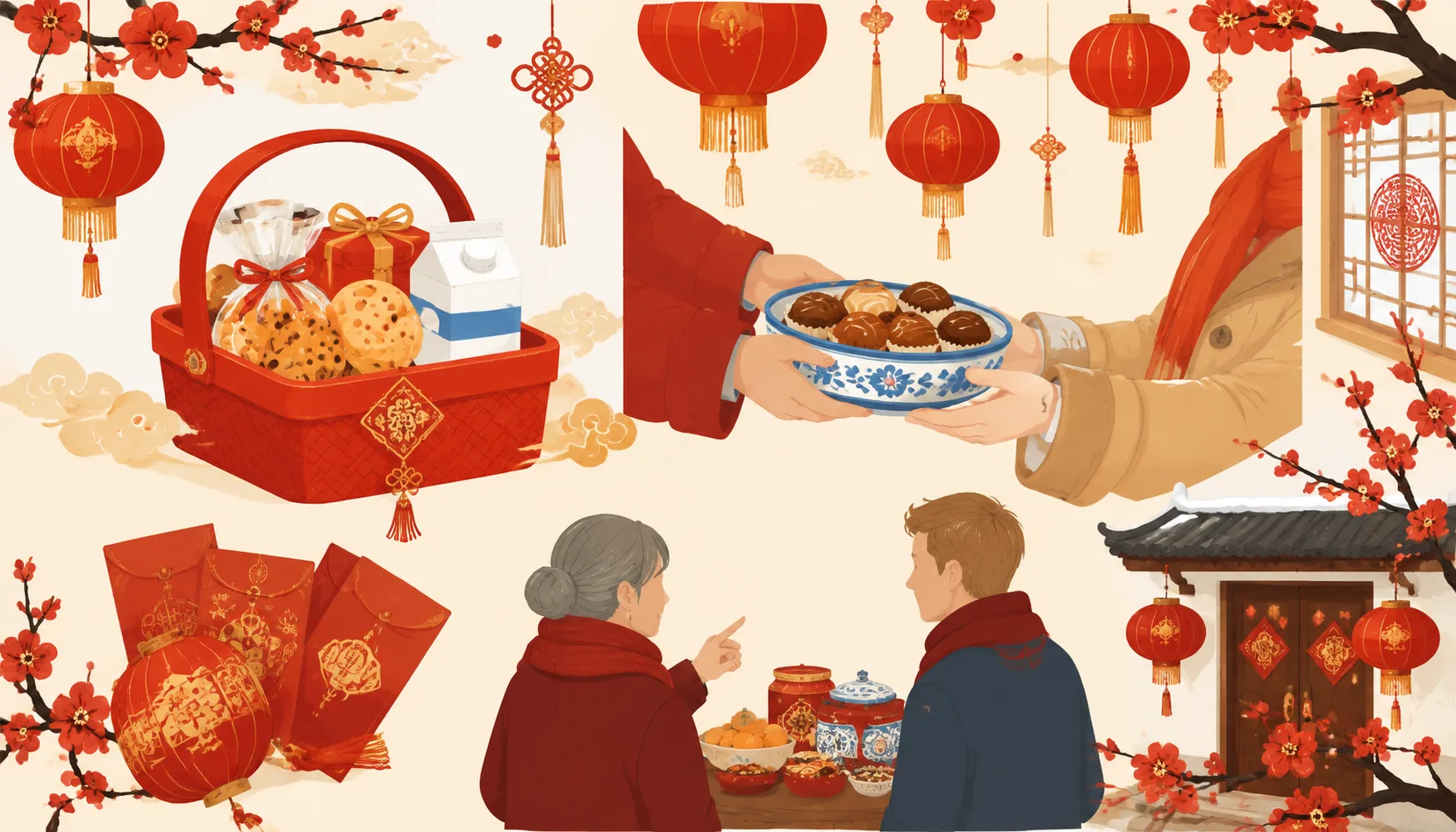
Chinese Compound Gift Giving: Guards, Cleaners & Neighbors
In Chinese compounds, small gifts to guards, cleaners, and neighbors are a normal way to build goodwill (人情 rénqíng). Give practical items like biscuits or frui…
Read the guide →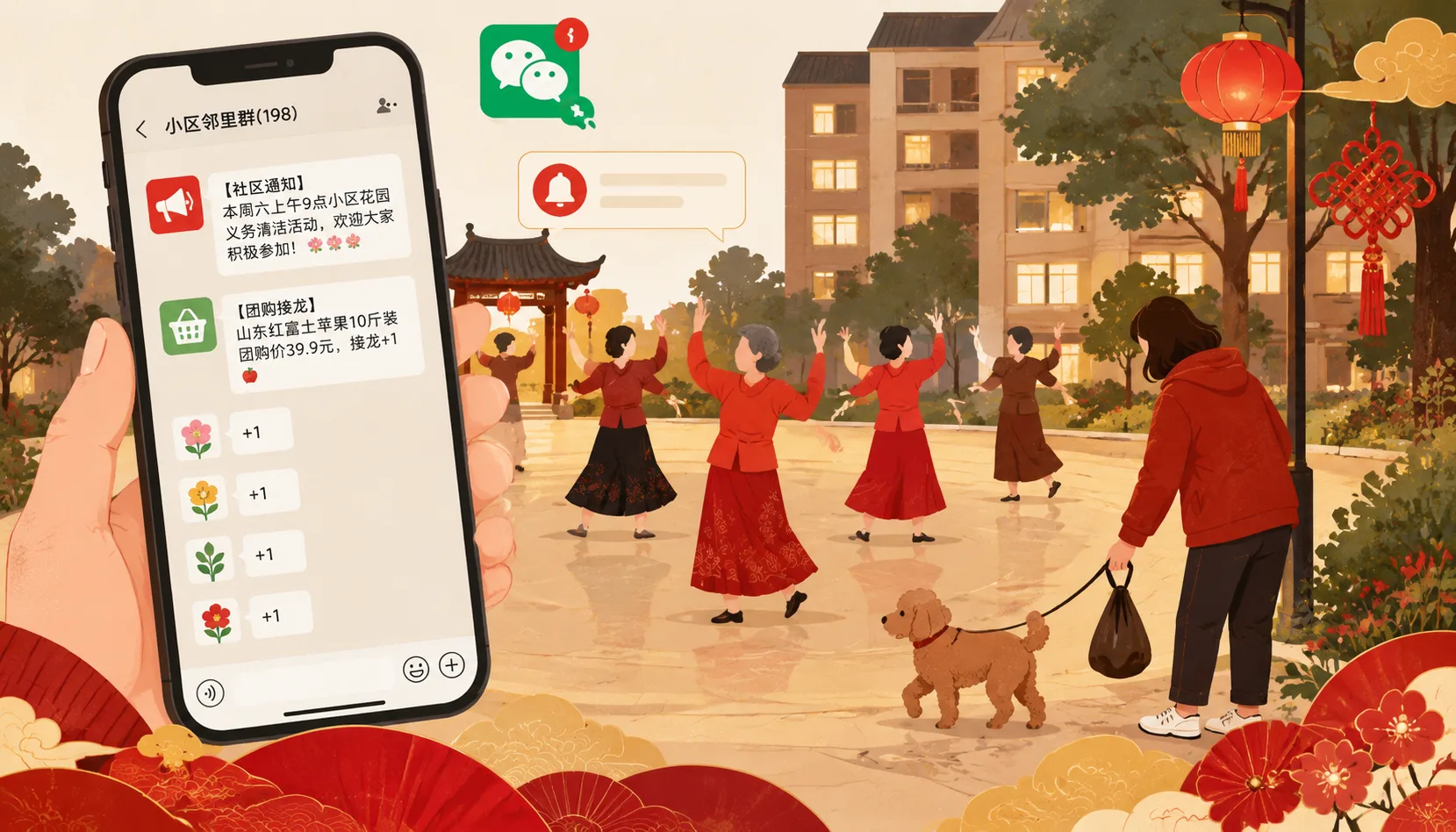
Chinese Neighborhood WeChat Groups: Expat Survival Guide
Join your compound's WeChat group via your property management office or landlord. Use it to get critical notices, participate in group buying, and connect with…
Read the guide →
China Parcel Delivery: Lockers, Stations & Door Delivery
In China, couriers typically leave packages at smart lockers (快递柜) or pickup stations (菜鸟驿站) rather than delivering to your door. You'll receive a pickup code v…
Read the guide →