What gifts are safe to give to Chinese people in any situation?
Quick answer
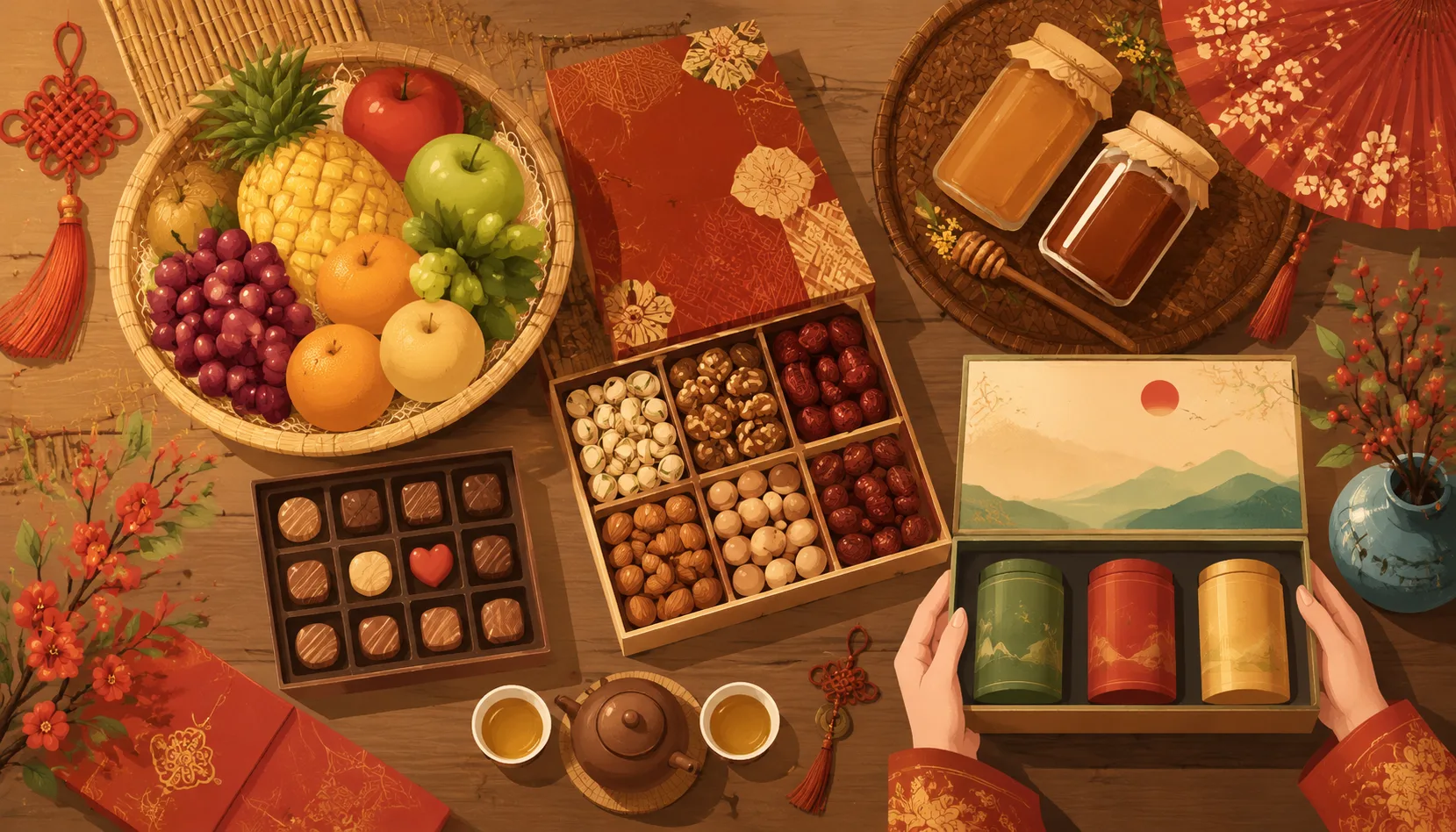
The 5 most universally safe Chinese gift categories: premium fruit in gift packaging, quality tea, imported chocolates, specialty food from your home country, and health-oriented products like honey or premium nuts. These work for any occasion, any recipient age, and any relationship depth.
Chinese gift-giving has many nuances — what's appropriate for a boss differs from a colleague, Spring Festival rules differ from everyday visits. But some gifts transcend all those variables. These are the ones that:
- Carry no negative symbolism
- Work for both genders and all age groups
- Don't create the "why is this so expensive" discomfort that premium gifts can trigger
- Can be found in most cities and online
When in doubt, pick from this list.
The 10 Universally Safe Chinese Gifts
1. Premium Seasonal Fruit (Gift Box) — ¥80–250
Why it works: Fruit is associated with life, vitality, and abundance in Chinese culture. It's entirely gender-neutral, embraced by all age groups, and carries no taboo associations. The key word is presentation — purchase from a specialty fruit shop and request gift packaging. "I picked some seasonal fruit" in a beautiful woven basket or lacquered box is a completely different gift from the same fruit in a convenience store bag.
Best choices by season: Spring Festival → imported cherries or premium apple gift boxes; Summer → peaches, lychee; Mid-Autumn → pomelo (traditional) or imported grapes; Winter → citrus gift boxes.
One rule: Do not give pears (梨, lí) — the word sounds like 离 (lí), meaning separation. All other fruit is safe.
2. Premium Boxed Tea — ¥100–500
Why it works: Tea is the most deeply embedded daily ritual in Chinese culture. A quality tea gift communicates respect for tradition and health consciousness. It's consumed, not displayed, so there's no awkwardness about where to put it. Works for every occasion from a casual dinner visit to a formal business gesture.
Best brands: Eight Horses Tea (八马茶业) for mid-to-premium range, Xiǎo Guàn Chá (小罐茶) for a modern aesthetic, Tieguanyin or Dragon Well for traditional preferences.
Safe varieties: Tieguanyin oolong, Longjing (Dragon Well) green tea, Yunnan black tea. Avoid very bitter varieties unless you know the recipient's taste.
3. Specialty Food from Your Home Country — ¥50–400
Why it works: Chinese people are deeply curious about foreign cultures, especially food. A box of genuine Belgian chocolates, Scottish shortbread, French macarons, Italian olive oil, or New Zealand honey carries instant story value. You become the person who "brought us something we can't get here." This type of gift consistently outperforms expensive local gifts in memorability.
Tips: Opt for recognizable premium brands from your country, not generic items. Include a brief note about what it is and how it's typically enjoyed.
4. Imported Chocolate Gift Box — ¥80–400
Why it works: Quality Western chocolate has strong aspirational cachet in China. Brands like Godiva, Lindt, and Ferrero Rocher are widely recognized as "premium European" regardless of the recipient's age or background. Especially beloved by female recipients and families with teenage children.
Choose elegantly packaged options — a Godiva ribbon box or Lindt gold tin signals effort. Avoid generic bulk chocolate bars, which read as afterthoughts.
5. Premium Mixed Nut / Health Snack Gift Box — ¥100–280
Why it works: Nuts and dried fruits in premium gift packaging are considered both practical (the family will eat them) and health-conscious — a dual value that Chinese consumers appreciate. Well-packaged gift sets from brands like Three Squirrels (三只松鼠), Bestore (良品铺子), or Boocoo (百草味) hit the right notes of quality without being pretentious.
6. Premium Honey Gift Set — ¥120–350
Why it works: Honey carries strong health associations in Chinese culture — natural, traditional, good for immunity and complexion. A set of two or three premium honey varieties in elegant glass jars (mountain wildflower honey, date honey, acacia honey) reads as thoughtful and health-oriented. Especially appreciated by older recipients and health-conscious professionals.
7. High-Quality Olive Oil or Cooking Oil Gift Set — ¥120–380
Why it works: This surprises many Westerners, but premium cooking oil is a genuinely coveted gift in Chinese households, especially extra-virgin olive oil and premium camellia seed oil. Good oil is used daily and is expensive. A beautifully packaged two-bottle set of imported Spanish or Italian olive oil signals that you think about their wellbeing in a practical, daily-life kind of way.
8. Quality Coffee Gift Set (For Urban Professionals Under 50) — ¥150–400
Why it works: Coffee culture has exploded in Chinese cities over the past decade, especially among the 25–45 urban professional demographic. A well-selected bag of single-origin beans (Ethiopian Yirgacheffe, Colombian Supremo) or a capsule set from a premium brand (Nespresso, Lavazza) carries aspirational appeal for this audience. Check first that the recipient actually drinks coffee — this does not apply to all Chinese adults.
9. Baked Goods / Pastry Gift Box — ¥80–250
Why it works: A well-curated box of pastries, butter cookies, or specialty baked goods is universally appreciated because it's shared immediately and enjoyed by the whole household. Danish butter cookie tins, French butter galettes, or a selection of artisan shortbreads all work. Presentation should be clean, elegant, and from a recognized brand — not homemade (this can be interpreted as insufficient effort in China unless you're very close).
10. Wine (Correct Type) — ¥150–600
Why it works when it works: French red wine has strong gifting culture in urban China, especially among business professionals. A bottle of Bordeaux or Burgundy in the ¥150–400 range is a solid gesture for any host who drinks. Don't overthink the label — the French origin is the signal that matters more than the specific château.
Why it sometimes doesn't work: Chinese elders, rural households, or strongly traditional recipients may not drink wine and may not know how to open or store it. If you don't know the recipient's wine familiarity, default to tea or fruit instead.
Presentation: The Final Multiplier
In Chinese gift culture, presentation is nearly as important as the item itself. Apply these principles to any gift from the list above:
- No plastic shopping bags. Transfer to a proper gift bag or ask the shop for gift wrapping.
- Red or gold ribbon/tissue paper elevates any gift box for festive occasions.
- Present with both hands. This is non-negotiable — single-handed gift giving reads as casual and indifferent.
- Have a brief verbal statement ready: "一点小心意,希望你们喜欢。" (Just a small token — I hope you enjoy it.)
- Even numbers. If giving multiple items, give 2, 6, or 8 units — not 4 (death symbolism).
Quick Situation Reference
| Situation | Best Gift from This List | Budget |
|---|---|---|
| First visit to friend's home | Premium fruit box or chocolate | ¥100–200 |
| Holiday visit (any festival) | Tea or specialty food from your country | ¥150–350 |
| Visiting elderly relatives/parents | Tea or health product | ¥200–400 |
| Colleague's housewarming | Premium cooking oil or coffee set | ¥150–300 |
| Thank-you gift for help received | Chocolate or pastry box | ¥80–200 |
| First meeting with business contact's family | Premium tea + fruit combination | ¥300–500 |
What Chinese People Actually Say
- 礼尚往来 | lǐ shǎng wǎng lái | Etiquette demands reciprocity | Use to remind giftee that returning gifts maintains the relationship.
- 千里送鹅毛,礼轻情意重 | qiān lǐ sòng é máo, lǐ qīng qíng yì zhòng | A goose feather from afar—the gift is small but the sentiment is deep | Use when presenting modest gifts to emphasize thought over value.
- 略表心意 | luè biǎo xīn yì | A small token of my feelings | Use as a humble phrase when giving gifts to show modesty.
2026 Reality Check
2026 Reality Check: The "universally safe" rule still holds, but with major shifts. Gen Z now prefers digital hongbao over physical gifts—WeChat Red Packets dominate in major cities. Traditional gift-giving feels outdated to anyone under 30.
Gen Z vs Older Generations: Boomers still value fruit baskets, tea, and premium mooncakes. Millennials and Gen Z see these as "grandparent gifts." They'd rather receive cash, gift cards, or experience-based presents.
Beijing/Shanghai vs Smaller Cities: Tier-1 cities have gone minimalist—presentation matters more than the item itself. Smaller cities and rural areas still embrace traditional gifts like tobacco, alcohol, and premium food products. Status signaling remains stronger outside major urban centers.
The Shift: Practicality beats tradition now. Health products, quality skincare, and cash equivalents work across all demographics. The old "four nice" rule (水果、烟、酒、营养品) is fading fast in urban China.
Frequently asked questions
What is the safest gift to give a Chinese person you don't know well?
Premium fruit in an elegant gift box is your safest bet. It's universally appreciated, carries no personal meaning, and suits any age or relationship level. Choose high-quality imported fruits like cherries or kiwis. Avoid giving a single item of fruit, as that can symbolize bad luck. Always present it with both hands.
Can I give alcohol or wine as a safe gift in China?
Yes, but with caution. High-quality imported wine or whisky is generally safe for business partners or older male relatives. However, avoid giving alcohol if you're unsure about the recipient's drinking habits or religious beliefs. Also, never gift a single bottle—always give a pair or a set, as even numbers are considered lucky.
Is it safe to give money as a gift in China?
Giving cash in a red envelope (hongbao) is traditional for weddings, birthdays, and Lunar New Year, especially to younger people or service staff. However, for a casual gift-giving occasion or to a peer, cash can feel impersonal or even awkward. If you choose cash, always use a new, crisp red envelope and never give amounts containing the number 4.
What if the person has dietary restrictions or allergies?
This is where food gifts get tricky. To stay safe, choose items with minimal ingredients like premium nuts, high-quality honey, or well-known brands of imported chocolate. When in doubt, ask a mutual friend discreetly. Alternatively, switch to a non-food gift like a high-quality tea set or a premium thermos, which are universally safe and useful.
Are there any regional differences in what is considered a safe gift in China?
Yes, some. In southern China, especially Guangdong, fruit like apples and oranges are highly auspicious. In northern China, tea and liquor are more traditional. In cities like Shanghai, imported premium goods carry more status. However, the universally safe categories—fruit, tea, chocolate, and health foods—work well across all regions, so you can't go wrong with those.
Can I regift something I received from someone else as a gift in China?
Technically yes, but it's risky. Chinese culture values sincerity, and if the original giver finds out, it's a major social faux pas. If you must regift, ensure the item is brand new, in original packaging, and from a different person. Also, don't regift within the same social circle. For safety, it's better to keep or donate the item instead.
Try our tools
Related guides

Chinese Gift-Giving Guide 2026: Rules, Taboos, and What Actually Works
In China, gift-giving is not about the gift. It's about the relationship. The right gift, delivered at the right time with the right words and two hands, commun…
Read the guide →
14 Chinese Gift Taboos: The Complete Forbidden List (With Salvage Tips)
Most Chinese gift taboos come from homophones — words that sound identical to something unlucky. "送钟" (giving a clock) sounds exactly like "送终" (attending a fun…
Read the guide →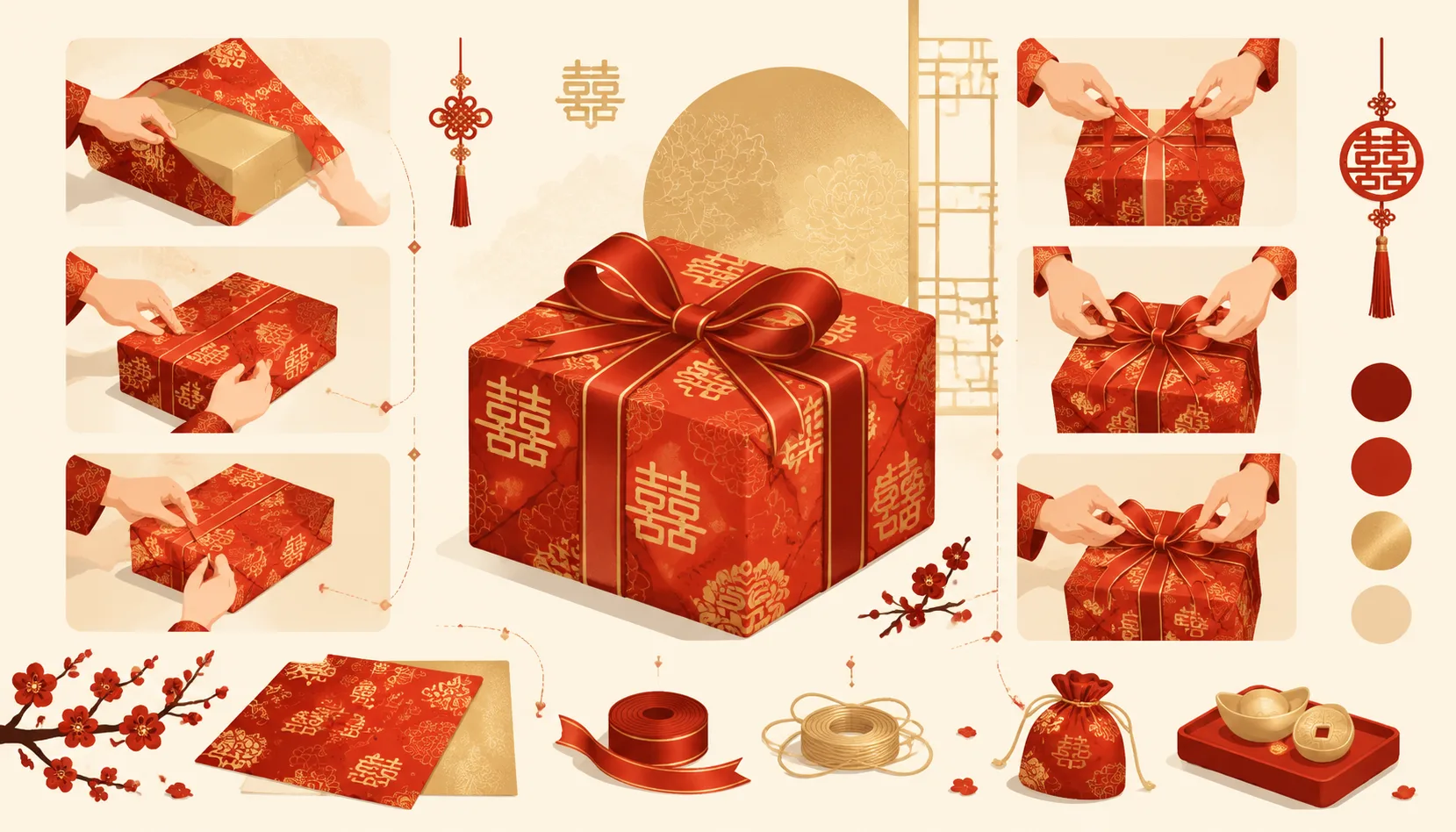
Chinese Gift Wrapping Rules: Colors, Lucky Numbers, and the Packaging Taboos You Need to Know
In China, the packaging communicates before the gift is opened. Red and gold are always safe — they signal joy and prosperity. White and black are funeral color…
Read the guide →