What specific brands and products should I buy as Chinese New Year gifts?
Quick answer
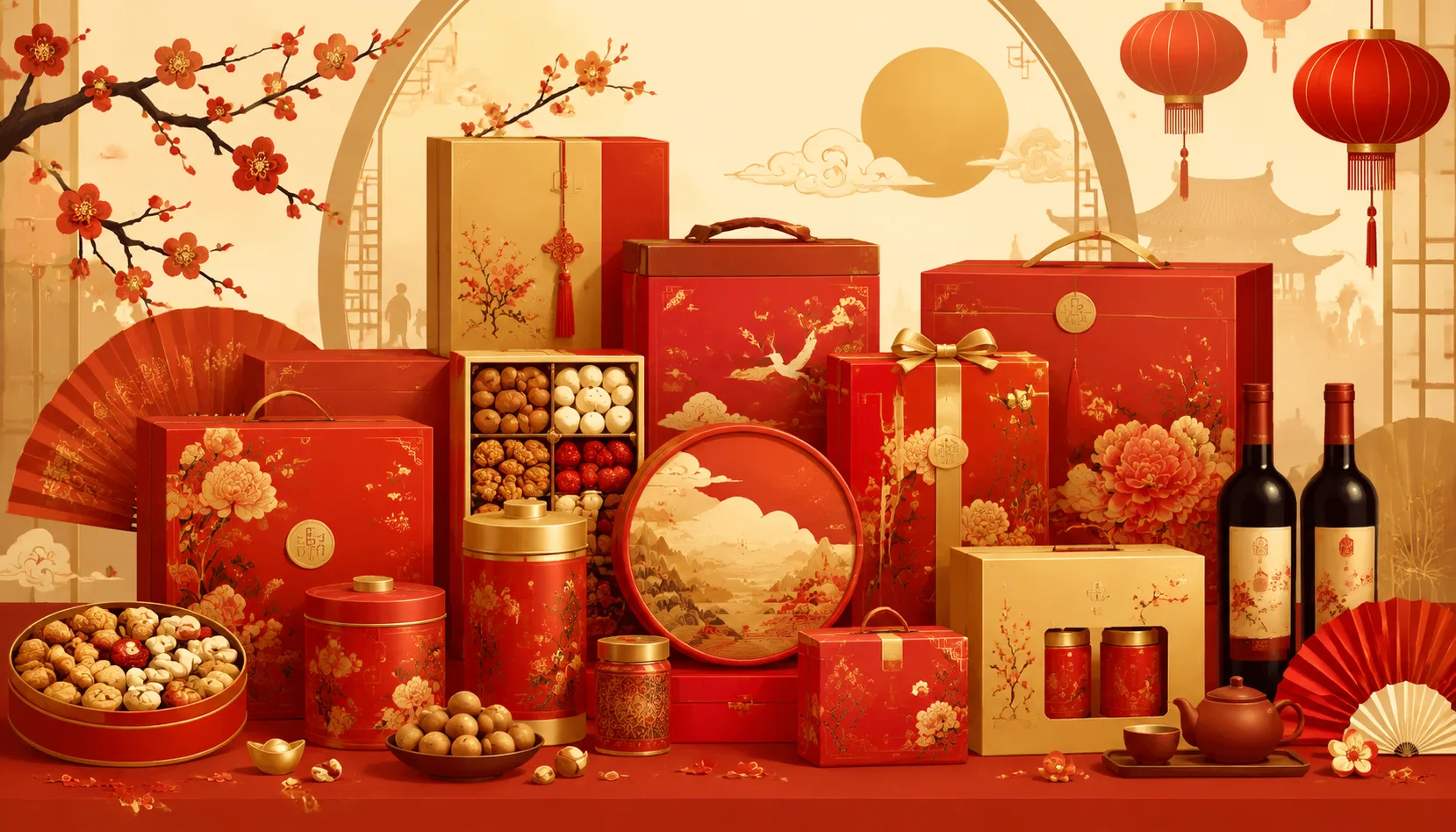
For ¥100–300: Three Squirrels nut gift boxes, Yili Jindiǎn milk boxes, Wangwang New Year snack sets. For ¥300–800: Eight Horses Tea premium sets, Maotai sub-brand baijiu, Godiva chocolate gift boxes. For ¥800+: Flying Fairy Maotai, Wuliangye, premium seafood gift boxes.
Buying a Chinese New Year gift feels overwhelming when you don't know the landscape. What brands actually carry prestige in China? What's the right price for a colleague versus a boss versus a client's parents? This guide cuts through the confusion with specific product recommendations — brands, price ranges, and who they're appropriate for.
How Chinese New Year Gift-Giving Works
Spring Festival (Lunar New Year) is China's most important gift-giving season, typically running from 2 weeks before New Year's Eve through the 15-day celebration. The key principles:
- Packaging = value signal. A ¥150 gift in a beautiful red gift box reads as more generous than ¥200 in a plain bag.
- Auspicious colors: Red and gold dominate. Avoid white (mourning) and black packaging.
- Pairs are lucky. Gifts in even numbers (2, 6, 8) are preferred over odd numbers. Never give 4 of anything (sounds like "death").
- The gift-giving window: Acceptable to give gifts from roughly January (before the New Year) through the 15th day of the new lunar month.
Budget ¥80–200: Everyday Colleagues and Casual Friends
These gifts signal warmth and effort without creating a sense of obligation.
1. 三只松鼠 (Three Squirrels) New Year Nut Mega-Box — ¥99–179
China's most recognized snack brand. Their New Year edition comes in red gift tins with gold lettering, containing mixed nuts, dried fruits, and savory snacks. The red tin packaging practically screams Spring Festival. Widely available on JD.com and their official Tmall store. Safe for virtually any relationship.
2. 旺旺 (Wangwang) Spring Festival Snack Bundle — ¥79–139
The brand name 旺旺 literally means "prosperous prosperity" — instant good luck messaging before they even open the box. These oversized red gift sets filled with rice crackers, mini-cakes, and jelly candies are beloved in households with children and elders alike.
3. 良品铺子 (Bestore) Premium Mixed Gift Box — ¥138–198
A tier above Three Squirrels in quality perception. Their New Year gift sets cover dried meats, nuts, fruit crisps, and egg rolls in well-designed boxes. Popular with urban professionals under 40.
4. 伊利金典 (Yili Jindiǎn) Organic Milk Box Set — ¥109–169
Organic milk may sound mundane but it's considered a quality household staple gift in China — practical, healthy, and from a trusted national brand. Especially good for families with young children or elderly members. Go for the gold-label "Jindiǎn" line, not standard Yili products.
5. 百草味 (Boocoo) Healthy Nut Gift Box — ¥118–198
Similar positioning to Three Squirrels but with emphasis on health and natural ingredients. Their New Year editions come in wooden or decorative tin boxes. Popular with health-conscious recipients in their 30s–50s.
Budget ¥200–500: Important Colleagues, Friends' Parents, Regular Clients
1. 八马茶业 (Eight Horses Tea) Premium Tieguanyin Gift Set — ¥280–680
One of China's most prestigious tea brands with a reputation for consistent quality. Their New Year gift sets typically pair two varieties of Tieguanyin (Iron Goddess of Mercy oolong) in beautifully lacquered or wooden display boxes. Deeply appropriate for anyone over 45 who drinks tea — which is most Chinese adults. Available on JD.com and their official stores nationwide.
2. 小罐茶 (Xiǎo Guàn Chá) Multi-Tea Variety Gift Set — ¥380–780
Modern, design-forward tea brand packaged in sleek aluminum mini-canisters ("小罐" = small can). Each can holds one serving of premium tea — Dragon Well, Biluochun, Yunnan Dian Hong, Tieguanyin, Keemun. Very popular in business gift contexts because the packaging feels contemporary and thoughtful rather than traditional. Makes a strong impression without feeling stiff.
3. 茅台酱香万家欢 (Maotai Jiāngxiāng Wànjiāhuān) Sauce Aroma Baijiu — ¥400–650
Not the famous Flying Fairy Maotai (which starts at ¥2,500) but carries the full prestige of the Maotai brand. The sauce aroma (jiāng xiāng) style baijiu has enormous cachet in Chinese business culture. Appropriate for male colleagues or clients who appreciate drinking culture. Buy only from official channels (JD.com Maotai flagship, or brand stores) — counterfeits are rampant in third-party markets.
4. 歌帝梵 (Godiva) Chinese New Year Chocolate Gift Box — ¥298–598
Godiva occupies a sweet spot in China's gift market — recognized Western luxury brand at a non-intimidating price point. Their Lunar New Year editions feature red packaging with gold motifs and a curated selection of signature chocolates. Very strong for modern families, female recipients, and households with teenage children.
5. 五芳斋 (Wufangzhai) New Year Rice Cake / Zongzi Gift Set — ¥200–380
A respected traditional food brand known for rice dumplings (zongzi). Their New Year food gift boxes — which may include sticky rice products, savory snacks, and traditional pastries — carry strong nostalgic and cultural appeal. Particularly appreciated by older recipients and those from East China (the brand's origin).
Budget ¥500–1,500: Direct Bosses, Key Clients, Important Relationships
1. 五粮液特曲 (Wuliangye Tèqū) Premium Baijiu — ¥500–900
Wuliangye is the second most prestigious baijiu brand in China after Maotai. The Tèqū and Pǔwǔ lines sit below the flagship but are still considered top-tier gifts. Strong aroma (nóng xiāng) style, made from five grains. For any male recipient who appreciates tradition and status — which describes most senior Chinese executives.
2. 八马茶业精品普洱 (Eight Horses Aged Pu-erh Tea) — ¥600–2,000
Aged Pu-erh tea is the Chinese equivalent of fine wine — it improves with age and carries significant collecting value. A well-presented gift of 3–5 year aged Pu-erh cakes signals sophisticated taste and high regard for the recipient. Excellent choice for tea connoisseurs and business relationships you're hoping to deepen.
3. 故宫食品 (Palace Museum Food) Cultural Gift Box — ¥400–800
Collaboration between the iconic Forbidden City (Palace Museum) and food producers, these gift boxes combine traditional Chinese art motifs with premium specialty foods. The aesthetic is stunning — each box looks like a museum piece. Popular with educated urban professionals, especially those interested in Chinese culture and history.
4. Premium Seafood Gift Box (King Crab, Abalone, or Sea Cucumber) — ¥800–3,000
High-end seafood is the prestigious food gift in China. Dried sea cucumber (海参), abalone (鲍鱼), or fresh/frozen king crab sets signal wealth and respect. Available from specialty food retailers and premium online stores. Confirm the recipient has facilities and habits for cooking these before sending.
Budget ¥1,500+: Premium Business Gifts
1. 贵州茅台飞天 (Guizhou Maotai — Flying Fairy) — ¥2,500–3,000
This is the apex of Chinese gift-giving. A bottle of genuine Flying Fairy Maotai is so valuable it functions almost as currency in Chinese business culture. If you're giving this, you're making a serious statement about the importance of the relationship. Purchase only through official Maotai channels (i.Maotai app, official JD flagship) — the counterfeit market is massive.
2. 皇家礼炮21年 (Royal Salute 21 Year Scotch Whisky) — ¥1,200–1,800
For the new generation of Chinese executives — especially those educated abroad — premium Western spirits have overtaken baijiu as preferred gifts. Royal Salute, Macallan 12/18, and Hennessy XO are recognized prestige markers. Confirm the recipient's taste before gifting whisky; some traditionalists genuinely prefer baijiu.
Gifts to Avoid at Chinese New Year
| Avoid | Reason |
|---|---|
| Clocks and watches (as gifts) | 送钟 = escorting someone to death |
| Pears (梨) | Sounds like 离 = separation |
| White or black packaging | Mourning colors |
| Items in sets of 4 | 四 sounds like 死 = death |
| Shoes or sandals | Implies you want the recipient to leave |
| Cheap-looking packaging | Signals you undervalue the relationship |
Where to Buy in China
- JD.com (京东) — Best for guaranteed authenticity on premium brands (Maotai, Eight Horses Tea). Their "JD Self-operated" (京东自营) label means products ship directly from JD's warehouses.
- Tmall / Taobao (天猫/淘宝) — Wide selection, but stick to official brand flagship stores to avoid counterfeits.
- Brand flagship stores — For baijiu especially, buy from the brand's own physical stores or official apps to ensure authenticity.
- Premium supermarkets — Ole, City Shop, or high-end supermarket food halls carry well-packaged gift sets for many categories.
- Have a Chinese friend help — If you're not comfortable with Chinese-language e-commerce platforms, asking a Chinese colleague to order on your behalf is completely acceptable and often results in better deals.
What Chinese People Actually Say
- 年货 | nián huò | New Year provisions/gifts | Use when referring to festive food and items purchased for CNY celebrations.
- 红包 | hóng bāo | Red envelope with money | Traditional gift of money in red envelopes given to children and juniors.
- 送礼佳品 | sòng lǐ jiā pǐn | Excellent gift choice | Use to describe premium products suitable for gifting during CNY.
2026 Reality Check
The 2025 gift-giving rule still stands but with adjustments. Gen Z now prioritizes experience gifts and digital red envelopes over traditional items, while older generations stick to food hampers and cash. Budgets have shifted—Gen Z spends less but more thoughtfully, while millennials and Gen X maintain similar spending to 2025.
Regional differences persist. Beijing and Shanghai shoppers favor premium imported brands and sustainable options, while smaller cities show stronger loyalty to domestic brands and value-focused purchases. E-commerce dominance continues, though tier-3 and tier-4 cities are growing faster in online gifting.
Frequently asked questions
How do I know if a gift is appropriate for my Chinese colleague's family?
Ask your colleague subtly about their parents' tastes and any taboos. For example, avoid giving clocks (送钟) or pears (梨) as they symbolize death and separation. If unsure, stick to universally safe gifts like fruit baskets, nut boxes, or quality tea. Regional customs vary, so a quick inquiry prevents awkwardness.
Can I give a gift card or cash instead of a physical product?
Yes, cash in red envelopes (hongbao) is always acceptable, especially for younger people or staff. Gift cards are less traditional but increasingly common in urban areas, particularly from major retailers like JD.com or Taobao. However, for elders or business partners, a physical gift shows more thought and respect. If giving cash, use crisp new bills.
What if my budget is under ¥100? Is there anything acceptable?
Absolutely. For under ¥100, consider local supermarket gift sets like regional dried fruits, candies, or a box of high-quality oranges (symbolizing luck). Even a beautifully packaged box of assorted pastries from a well-known local bakery works. The key is neat packaging and a sincere greeting. Avoid anything too cheap-looking, as presentation matters more than price.
Are there any brands I should avoid due to negative connotations?
Avoid brands with names that sound like unlucky words in Chinese. For example, 'Shoe' brands (鞋 xié) sound like 'evil' (邪). Also avoid anything with the number four (sì) in the product name, as it sounds like 'death'. Stick to well-known, mainstream brands like those listed, which have clean reputations and auspicious packaging.
When is the best time to give a Chinese New Year gift?
The safest window is during the New Year's Eve dinner or the first few days of the New Year (up to the 15th day, Lantern Festival). Gifts given before New Year's Eve are also fine, especially at company parties. Avoid giving gifts during the last week before the holiday if you're unsure of the recipient's travel plans — they may be too busy to appreciate it.
Is it okay to give a gift that's slightly over my budget if it's from a cheaper brand?
No, it's better to buy a smaller gift from a premium brand than a large gift from a no-name brand. Chinese gift-giving values brand recognition and perceived quality over quantity. A small box of Godiva chocolates (around ¥200) will be more appreciated than a huge basket of generic snacks. The brand's reputation transfers respect to the recipient.
Try our tools
Related guides

Chinese New Year Gift Guide 2026: What to Buy & When to Send
Chinese New Year (春节, Chūnjié) is China's largest annual gift-giving event. The window is the two weeks before the holiday through the first 15 days of the luna…
Read the guide →
Chinese Gift-Giving Guide 2026: Rules, Taboos, What Works
In China, gift-giving is not about the gift. It's about the relationship. The right gift, delivered at the right time with the right words and two hands, commun…
Read the guide →
Chinese New Year Red Envelopes (红包): A Foreigner's Guide
A red envelope (红包, hóngbāo) contains cash — it's the primary gift mechanism during Spring Festival. When you receive one: take it with both hands, say "谢谢,祝您身体…
Read the guide →