Chinese Drinking Culture Explained: A Foreigner's Complete Survival Guide
Quick answer
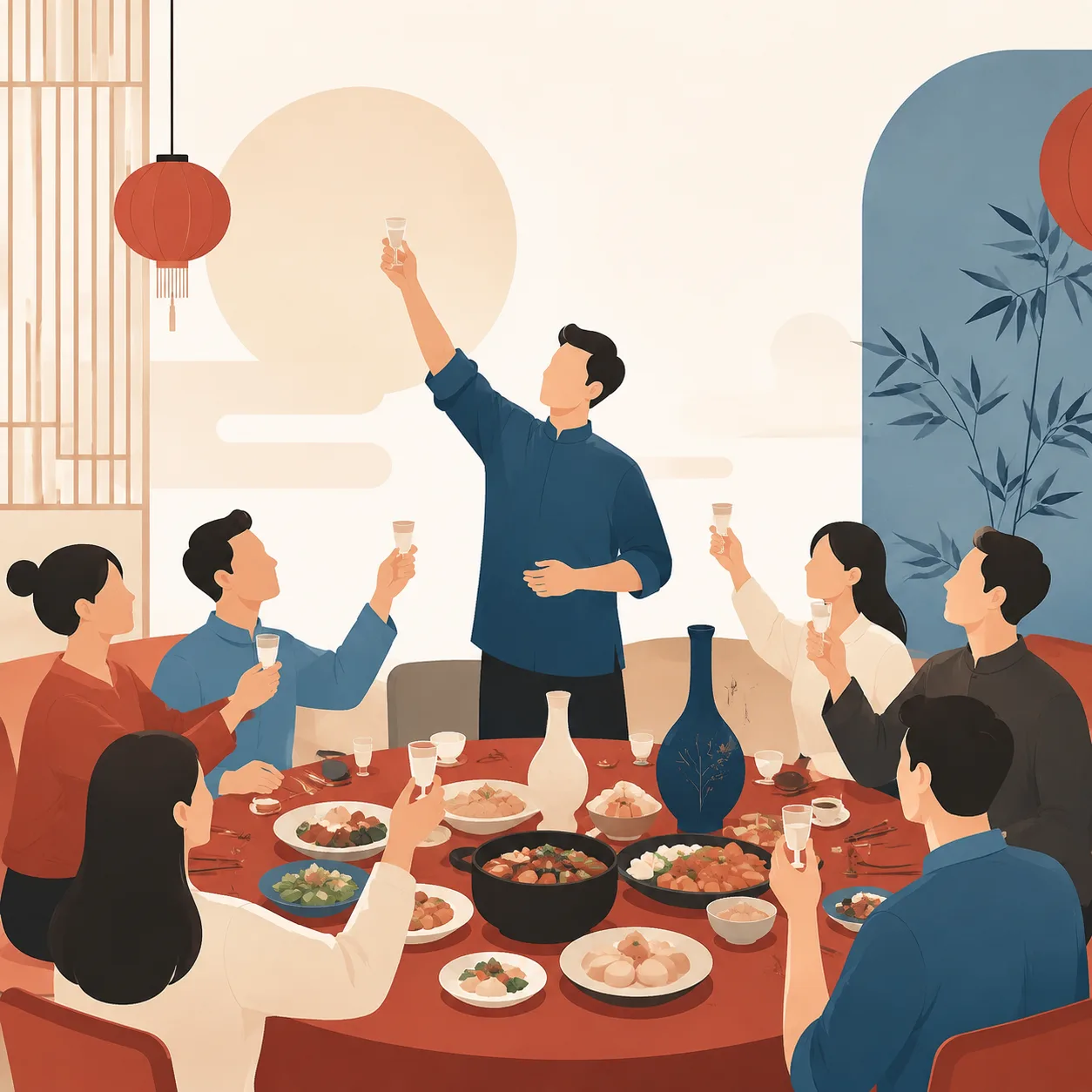
Chinese drinking culture is a structured social ritual, not just a meal. The table becomes a live map of relationships, respect, and trust — and knowing the unwritten rules is what separates a respected guest from an awkward one. You don't need to drink heavily to succeed; you need to understand why it all matters.
Quick Answer
Chinese drinking culture is a structured social ritual, not just a meal. The table becomes a live map of relationships, respect, and trust — and knowing the unwritten rules is what separates a respected guest from an awkward one. You don't need to drink heavily to succeed; you need to understand why it all matters.
DO
- Hold your cup lower than your host's when clinking glasses
- Use two hands to hold your cup when toasting or receiving a pour
- Wait for the host to propose the first toast before drinking anything
- Tap two fingers on the table when someone pours for you (silent "thank you")
- Eat food between drinks — never drink on an empty stomach
- Pour for others before pouring for yourself
- Learn to say "Gānbēi!" (干杯) — it earns instant respect
- If you can't drink, say so upfront before sitting down — not halfway through
DON'T
- Don't sit down before the host or most senior person
- Don't pour your own drink — let others pour for you
- Don't propose a toast before the host does in the first round
- Don't hold your cup higher than the person you're toasting
- Don't flip a whole fish at the table (bad luck — it symbolizes a capsizing boat)
- Don't say "I don't drink" if you've already had a glass — it kills your credibility
- Don't talk business during the meal — the relationship comes first
- Don't go Dutch at a banquet — whoever invited pays
WHY Chinese Drinking Culture Exists
The Chinese banquet table (酒桌, jiǔ zhuō) is not just a place to eat. It is a social laboratory where trust is tested, relationships are built, and hierarchy is made visible.
In Chinese society, trust (信任, xìnrèn) is earned through repeated shared experiences, not formal agreements. Sharing a meal — especially with alcohol — accelerates this trust-building because it creates a space where people are slightly more vulnerable and open. When you drink with someone in China, you're signaling: I'm willing to let my guard down with you.
The rules around cup height, pouring order, and toasting sequence are not arbitrary. Each action expresses a specific social meaning:
- Cup lower than theirs = "I place you above me"
- Pouring for them first = "Your comfort matters more than mine"
- Ganbei (bottoms up) = "I'm fully committing to this gesture"
- I'll finish mine, you drink freely (我干了,您随意) = the host sacrifices to give the guest freedom
Face (面子, miànzi) is the invisible currency of every interaction. Losing face — or causing someone else to lose face — has lasting consequences. Many rules exist not to make you drink more, but to help everyone give and receive face gracefully.
Real-Life Examples
- A foreign sales manager was offered baijiu at a first business dinner in Shenyang. She didn't drink, but she said clearly before sitting: "I can't drink tonight, but please count me in for everything else." She raised her tea cup for every toast and used the two-finger tap. Her host later told her colleague: "She gets it." The deal went through.
- A foreign teacher was invited to a student's family dinner in Hebei. He accepted the first toast but refused every subsequent one with a flat "I don't want more." By the end of the night the family was polite but visibly distant. He didn't understand why until a Chinese friend explained: the refusals felt like repeated rejection of the family's hospitality.
- A consultant working in Beijing for three years learned one phrase: "我干了,您随意" (I'll finish mine, you drink freely). He used it every time he toasted a senior client. His Chinese colleagues called him "the foreigner who understands."
How Chinese Drinking Culture Varies
By region:
- Northeast China / Shandong — heavy baijiu culture, strong pressure to drink, loud and enthusiastic
- Jiangsu / Zhejiang / Shanghai — more refined, yellow rice wine (黄酒) common, less aggressive toasting
- Guangdong / Hong Kong — dim sum culture, tea replaces alcohol in many settings, weaker pressure
By generation:
- Post-1990s and post-2000s urban Chinese are increasingly rejecting forced drinking culture
- In first-tier cities, "drink as you like" attitudes are growing
- In government, SOEs, and traditional industries, the old rules still apply firmly
By setting:
- Business banquet: strict hierarchy, heavy protocol
- Friends gathering: relaxed, games (finger-guessing), flexible
- Family dinner: elders are served first, relationships warm
Sub-Articles in This Series
- How Ganbei Works — Toasting sequence, cup height, speech templates
- How to Decline Drinks Without Offending Anyone — The exact phrases and strategies that work
- Chinese Banquet Seating Explained — Who sits where and why
- Baijiu: A Foreigner's Guide to China's National Spirit — What it is, how to drink it, what to expect
- Chinese Business Banquet Rules — The full protocol for formal dining
- Drinking with Chinese Friends — The relaxed version, games included
Chinese Terms
| Term | Pinyin | Literal meaning | Cultural meaning |
|---|---|---|---|
| 干杯 | Gānbēi | "Empty the cup" | Cheers / Bottoms up |
| 敬酒 | Jìngjiǔ | "Respect drink" | To propose a toast |
| 面子 | Miànzi | "Face" | Social dignity and reputation |
| 关系 | Guānxi | "Relationship" | Network of trusted connections |
| 劝酒 | Quànjiǔ | "Urge drink" | Encouraging someone to drink more |
| 以茶代酒 | Yǐ chá dài jiǔ | "Tea instead of wine" | Toasting with tea (polite opt-out) |
| 叩指礼 | Kòu zhǐ lǐ | "Knock finger ritual" | Two-finger tap = "thank you for the pour" |
| 东道主 | Dōngdàozhǔ | "Eastern host" | The person who invited and pays |
FAQ
Q: Do I have to drink alcohol at a Chinese banquet? A: No, but you need to manage the refusal carefully. The key is to declare upfront — before the meal starts — that you can't drink tonight (health reasons work best). Then participate fully with tea or juice: raise your cup for every toast, say ganbei, tap two fingers when someone pours for you. It's about the participation, not the alcohol.
Q: What does "ganbei" actually mean? A: "干杯" literally means "dry the cup" — you're expected to drink the whole thing. When someone says ganbei to you directly, finishing your cup is the respectful response. If you can't, at least take a substantial sip, not a tiny sip. A tiny sip signals you don't take the toast seriously.
Q: Is it rude to pour my own drink? A: Yes, in most settings. At a formal banquet, pouring your own drink signals either that nobody is paying attention to you, or that you're impatient. The correct behavior is to pour for others and let others pour for you. If everyone is distracted, it's fine to quietly pour for the person next to you first, then yourself.
Q: How do I know whose turn it is to toast? A: The host goes first, toasting the whole table. Then the host individually toasts the most important guest. Then the guest returns the toast. Then it moves outward — senior to junior, host to guests, then anyone to anyone. Never toast someone significantly more senior before they've initiated with you.
Q: What is the two-finger tap for? A: When someone pours your drink, you lightly tap your index and middle finger twice on the table as a silent "thank you." It comes from a legend about the Qing dynasty emperor Qianlong, who traveled in disguise and bowed to his servants by tapping fingers instead of physically bowing (which would have revealed his identity). Today it's a graceful, quiet way to show gratitude without interrupting conversation.
Q: Why can't I flip the fish? A: Flipping a whole fish at the table is bad luck in Chinese culture — it symbolizes a boat capsizing. The correct way to eat the other side of a fish is to remove the bone structure without flipping. Some people also avoid saying the word "flip" or "turn over" near a fish dish for the same reason.
Q: What if I've already drunk too much and want to stop? A: Cover your cup with your hand (palm down) and say "我真的不行了" (I really can't anymore). Do this with a smile. If you're still being pressed, someone helping you — a colleague or the host — may step in to "drink on your behalf" (挡酒). If not, say you need to use the restroom and come back less visibly drunk.
For a closer walk through the toast-by-toast etiquette — including how to set limits without losing face — see the drinking and toasting guide.
What Chinese People Actually Say
- 干杯 | gān bēi | "Cheers" | Say when clinking glasses; can also mean "bottoms up" even if not finishing the drink.
- 我敬你 | wǒ jìng nǐ | "I toast you" | Formal way to show respect; reply with "谢谢" or reciprocate the toast.
- 先干为敬 | xiān gān wéi jìng | "I drink first as a sign of respect" | Used when you want to show sincerity; the other person is expected to follow.
2026 Reality Check
Is the "dry plate" rule still followed? Largely yes in business settings, but increasingly relaxed among younger crowds. Others at the table still notice if you leave food on your plate—elders may comment, but younger hosts rarely care.
Gen Z vs Older Generations: Boomers and Gen X still observe the "bottom's up" tradition and will refill your glass immediately. Gen Z drinks less overall and often skips the formal toast rituals entirely. Many prefer craft beer or cocktails over baijiu, and some view heavy drinking as "unhealthy" rather than "polite."
Beijing/Shanghai vs Smaller Cities: Tier-1 cities are more relaxed—foreigners can get away with "just one glass." In smaller cities and traditional business dinners, the old rules hold stronger. Expect multiple toast rounds and pressure to finish your drink.
Frequently asked questions
What does ganbei actually mean and when should I say it?
Ganbei literally means 'dry glass' — you finish your entire drink in one go. You only say it when you're toasting someone, usually a host or senior person. Wait for the host to initiate the first ganbei. If you're unsure, mirror what others do rather than starting your own.
Can I refuse a drink without offending my Chinese host?
Yes, but do it early and clearly. Explain a medical reason, allergy, or that you're driving. Hold your glass when declining and offer tea or water instead. Never refuse silently or hide your drink — that's seen as dishonest. A good host will respect a genuine reason and may even toast you with tea instead.
Is it true that the most senior person sits facing the door?
Yes, in formal banquets the seat facing the entrance is reserved for the guest of honor or the host. Don't sit there until invited. If you're the guest of honor, wait for the host to guide you. In casual settings, this rule relaxes, but showing awareness of it always earns respect.
What should I do if someone toasts me while I'm eating?
Stop eating immediately, put down your chopsticks, and raise your glass with both hands. Make eye contact, nod slightly, and take at least a sip. Ignoring a toast while chewing is considered rude. If your mouth is full, quickly finish or cover it with your hand before responding.
How do I toast someone of higher status without losing face?
Lower your glass slightly below theirs when clinking — this shows deference. Keep your toast brief and sincere, like 'xie xie' or 'ganbei'. Don't reach across others to clink. If you're far away, raise your glass toward them and nod instead. Never toast a senior person before they toast you first.
Why do Chinese people pour drinks for others but not themselves?
Pouring for others is a gesture of care and respect — it shows you're attentive to their needs. When someone pours for you, thank them and offer to pour back. Never pour your own drink first; wait for someone else to do it. This small ritual builds rapport and is expected at any banquet table.
Try our tools
Related guides
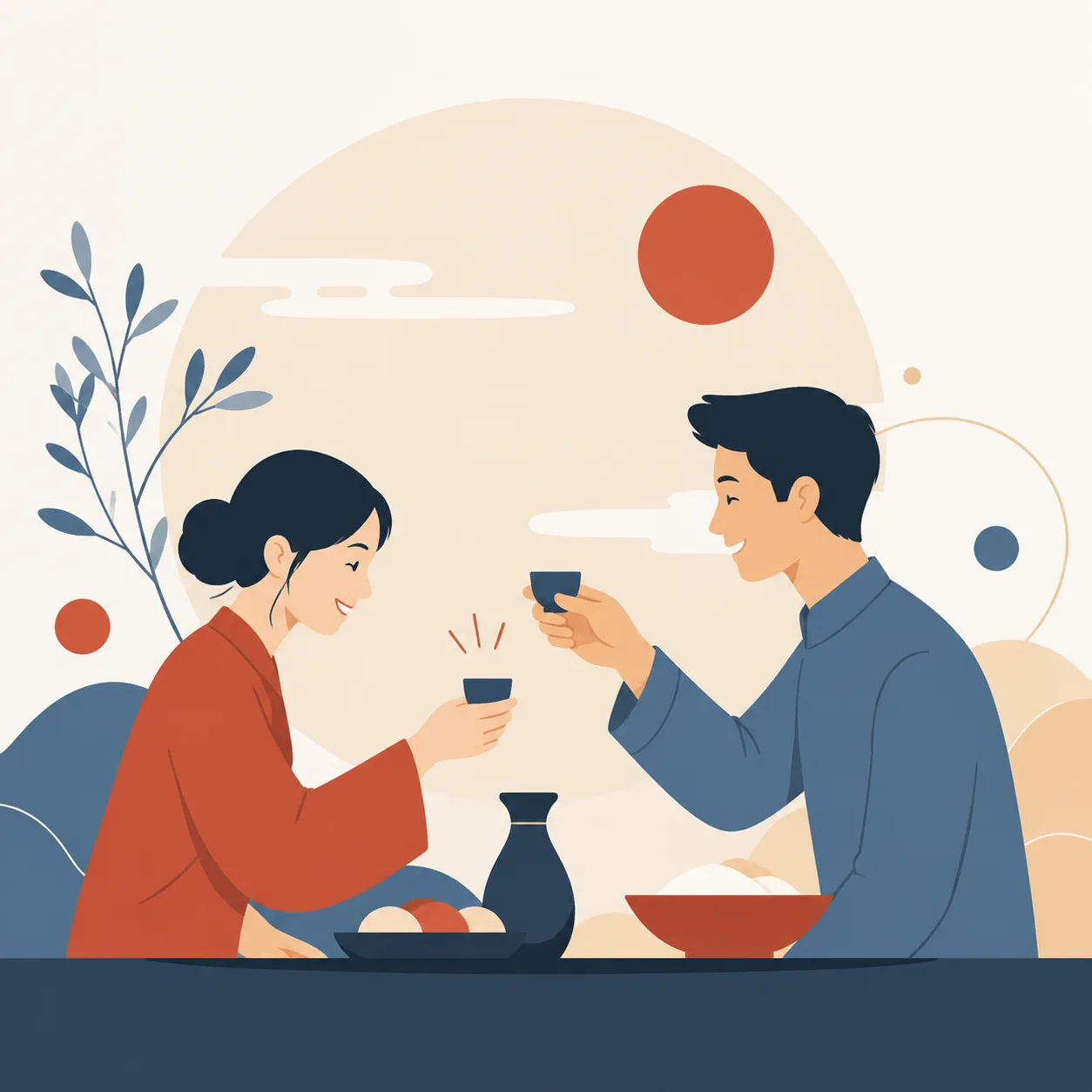
How Ganbei Works in China: Toasting Guide for Foreigners
Ganbei (干杯, gānbēi) means "empty the cup." When someone says it to you directly, finish your drink. When proposing a toast, always hold your cup lower than the …
Read the guide →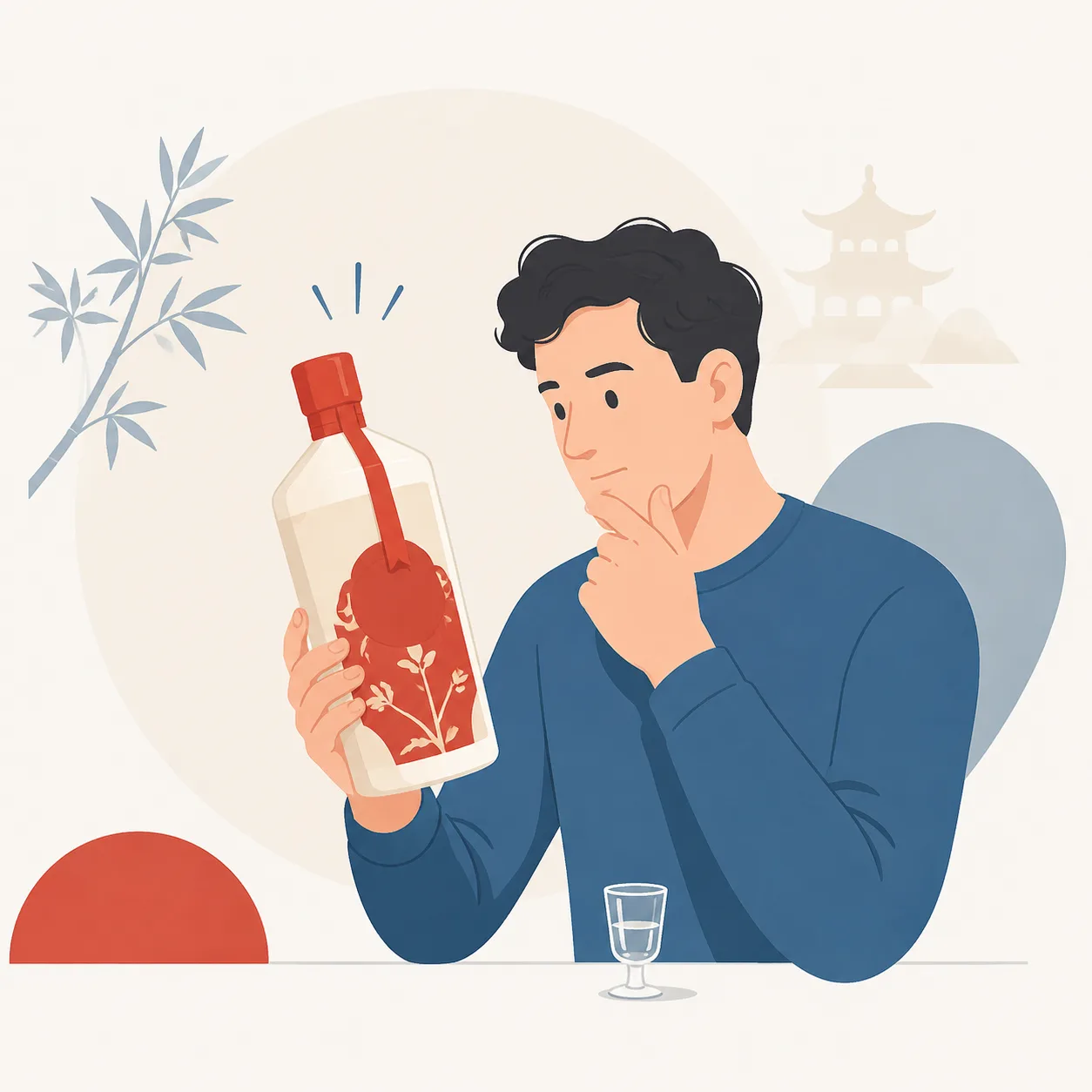
Baijiu Guide for Foreigners: What It Is and How to Drink It
Baijiu (白酒, báijiǔ) is China's national spirit — clear, 50–60% alcohol, and intensely flavored. At a formal banquet, you will very likely encounter it. The key …
Read the guide →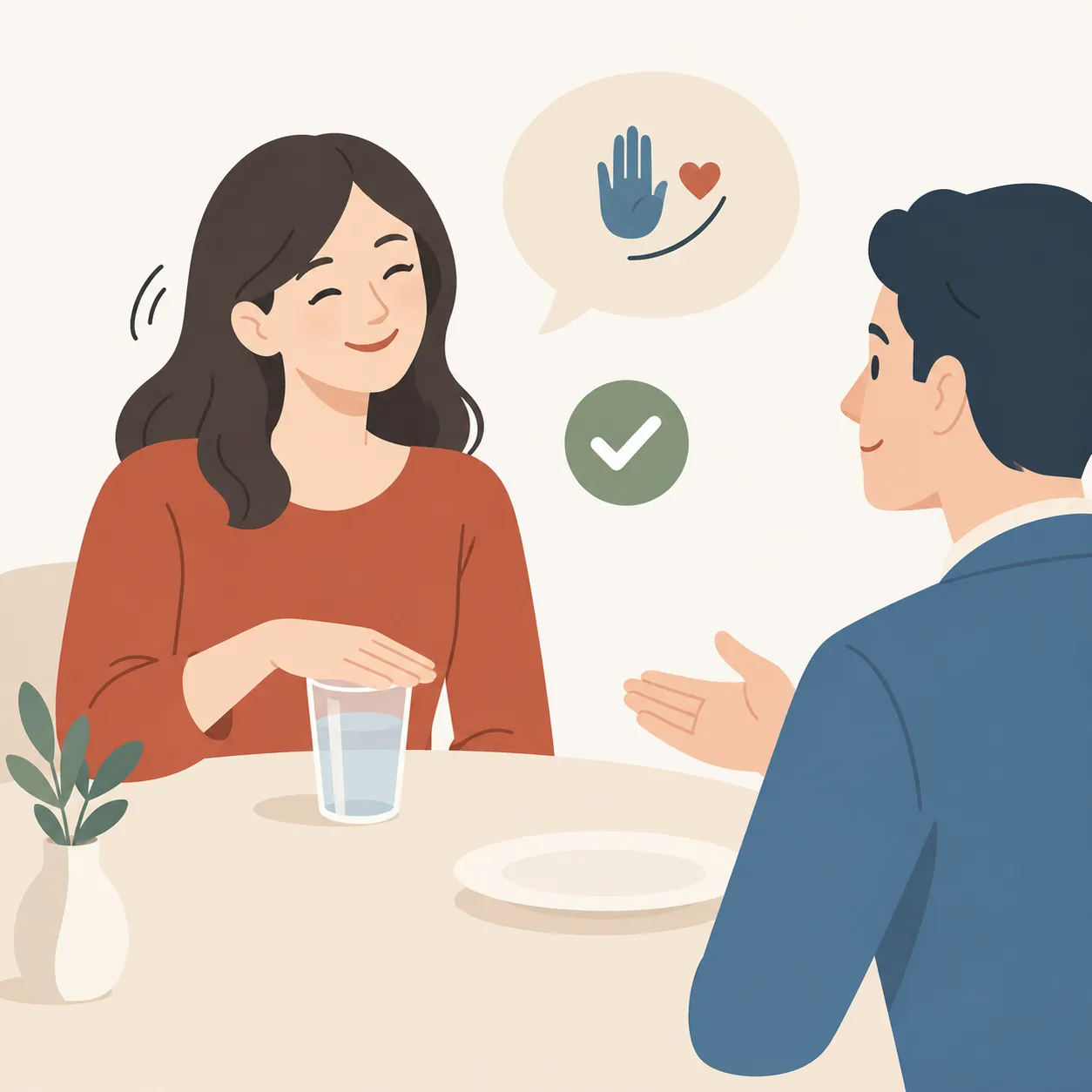
How to Decline Drinks in China: Polite Refusal Strategies
You can decline drinks at a Chinese banquet without damaging relationships — but the method matters enormously. Declare your non-drinking status before the meal…
Read the guide →