Baijiu Guide for Foreigners: What It Is, How to Drink It, What to Expect
Quick answer
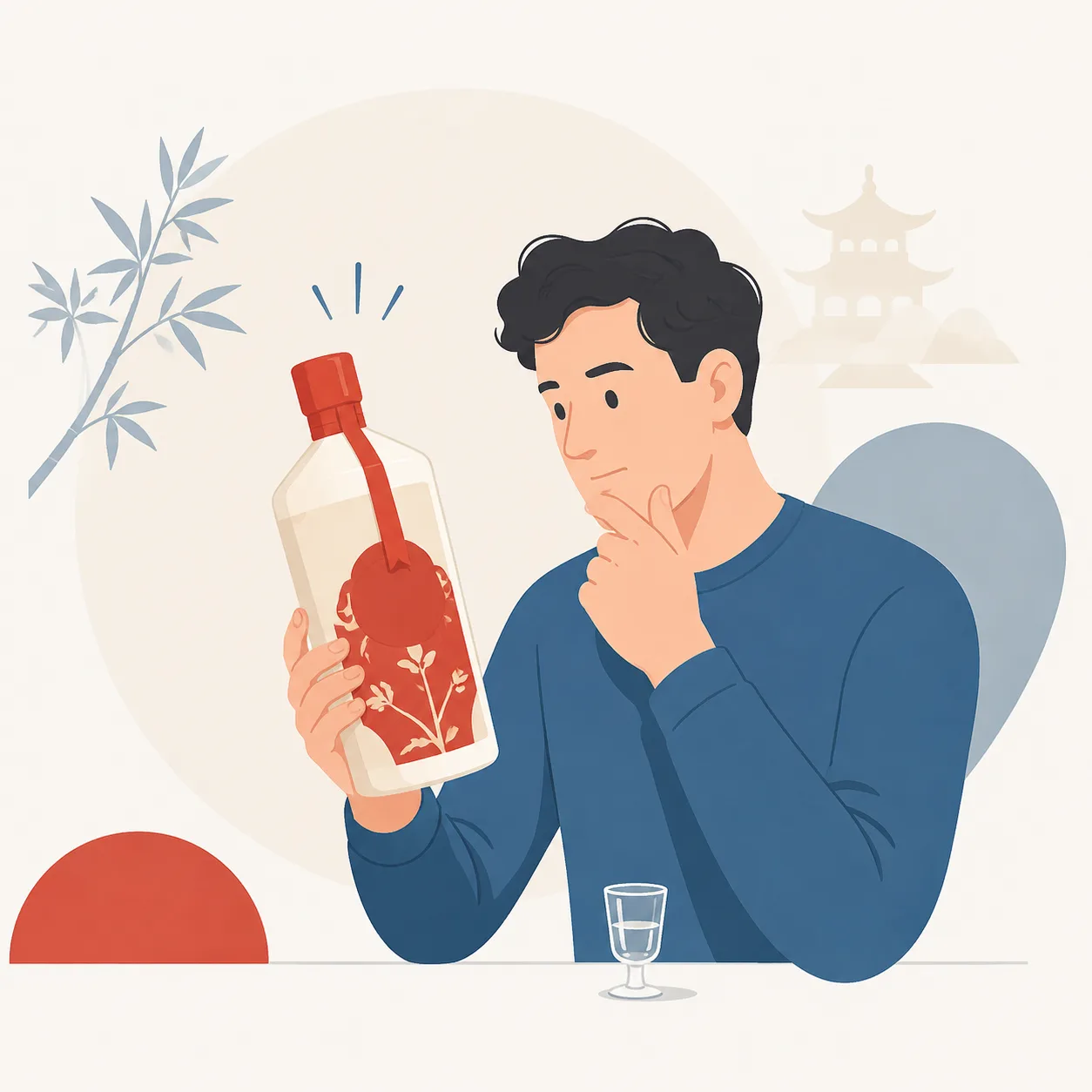
Baijiu (白酒, báijiǔ) is China's national spirit — clear, 50–60% alcohol, and intensely flavored. At a formal banquet, you will very likely encounter it. The key rules: drink small amounts, never pour your own, drink it straight (never with mixers), and if someone pours Moutai for you, at least take a genuine sip — refusing Moutai is like refusing the host's finest hospitality.
Quick Answer
Baijiu (白酒, báijiǔ) is China's national spirit — clear, 50–60% alcohol, and intensely flavored. At a formal banquet, you will very likely encounter it. The key rules: drink small amounts, never pour your own, drink it straight (never with mixers), and if someone pours Moutai for you, at least take a genuine sip — refusing Moutai is like refusing the host's finest hospitality.
DO
- Drink baijiu in the small dedicated cups (about 25–30ml), not large glasses
- Drink it straight — no ice, no mixers, no water chase
- Smell it first — this shows appreciation for the quality
- If it's Moutai (茅台) or another prestigious brand, acknowledge it — say "This is very fine baijiu, thank you"
- Eat food between every cup — food slows absorption dramatically
- If you can't finish a ganbei, drink at least half — a tiny sip is an insult
- Pace yourself — baijiu sneaks up on you; you often don't feel it until it's too late
DON'T
- Don't mix baijiu with anything — no Coke, no ice, no water
- Don't pour your own baijiu — it signals nobody is taking care of you, or that you're impatient
- Don't drink it like a shot — drink it in one smooth motion, not gulped
- Don't try to "outdrink" Chinese hosts — they've been doing this for decades; you haven't
- Don't mix baijiu with other alcohol types in the same session
- Don't take antibiotics and drink baijiu — the combination causes a serious reaction
What Baijiu Actually Is
Baijiu is made from fermented grains — most often sorghum, but also rice, wheat, corn, or mixed grains depending on the regional style. Unlike Western spirits, it uses a unique dual fermentation process with a starter culture called qū (曲), which produces its distinctively complex, pungent flavor.
Alcohol content: 40–65% ABV (most served at banquets is 52–53%) Color: Clear, like water Taste: Varies by type, but commonly described as: fiery, with notes of fermented grain, dried fruit, earth, and occasionally something floral or medicinal
First-time drinkers almost universally find baijiu challenging. Don't pretend to like it if you don't — but showing genuine curiosity and willingness to try earns enormous respect.
The Main Types of Baijiu
| Type | Flavor | Famous brands | Region |
|---|---|---|---|
| 酱香型 (Jiànghsiāng) | "Sauce" — complex, savory, long finish | Moutai (茅台) | Guizhou |
| 浓香型 (Nóngxiāng) | Rich, sweet, fruity | Wuliangye (五粮液), Luzhou Laojiao | Sichuan |
| 清香型 (Qīngxiāng) | Light, clean, mild | Fen jiu (汾酒) | Shanxi |
| 米香型 (Mǐxiāng) | Rice-based, lighter | Guilin Sanhua | Guangxi |
Moutai (茅台) is the crown jewel — served at state banquets, gifted to foreign dignitaries, and priced from ¥1,500 to ¥3,000+ per bottle. If your host pours Moutai, it means they're treating this occasion as genuinely important. Show appropriate appreciation.
How Baijiu Is Served
At a formal banquet:
- The server pours baijiu into a 分酒器 (fēnjiǔqì) — a small decanter, usually about 100–150ml
- You pour from the decanter into your own tiny cup (the cup looks like a thimble)
- The cups are typically refilled before each toast, so they're full for every ganbei
The pouring order: host pours for guests, senior pours for junior, everyone tops up before toasting.
What to Expect in Your Body
Baijiu hits differently from Western spirits:
- Immediate: A wave of heat from throat to stomach, then warmth spreading outward
- 20–30 minutes: You may not feel much — baijiu's effect often has a delayed onset
- 45–60 minutes: The full effect arrives, usually stronger than expected
- Next morning: Baijiu hangovers are severe — dehydration, headache, and often stomach discomfort
Strategies to pace yourself:
- Eat heavily before and during — fatty foods, dumplings, bread absorb alcohol
- Drink water continuously (ask quietly for 白开水, plain hot water)
- Space your ganbeis — you control how quickly you drink between toasts
- When your cup is poured, you don't have to drink immediately
The Moutai Moment
If your host produces a bottle of Moutai:
- This is a signal: this dinner matters to them
- The correct response: show visible interest, look at the bottle, say "Moutai — this is a real honor, thank you"
- Take a genuine sip (not a fake one) for the first toast
- Even if you can't drink more, have that first real sip. Refusing Moutai entirely reads as refusing to acknowledge the host's gesture
Famous moments: Moutai was served at Nixon's 1972 China visit, and at virtually every major diplomatic dinner China has hosted since. Your host is tapping into that tradition.
Real-Life Examples
- A German architect on his first visit to a client in Chengdu was given a full cup of baijiu for the opening toast. He took a small sip and put the cup down. His host refilled it for the second toast. By the third toast he realized the cup would be refilled whether he finished it or not — so he started taking bigger sips and eating between toasts. He survived the evening comfortably.
- An American teacher who genuinely couldn't drink baijiu told his host: "The smell reminds me of something I drank once that made me very sick — I think I have a reaction to it. Could I have beer instead?" The host immediately ordered beer with no offense taken. The substitution request was framed around personal reaction, not judgment of baijiu.
- A UK journalist covering a story in Shandong was taken to a 10-course lunch with local officials. He didn't realize baijiu would appear at lunch. He accepted two ganbeis and spent the afternoon interview with extraordinary difficulty concentrating. His Chinese fixer later told him: "For future reference, lunch baijiu in Shandong is serious — you can always ask to switch to tea after the first two rounds."
FAQ
Q: Is baijiu safe to drink for someone who doesn't usually drink spirits? A: It's physically safe in reasonable amounts, but it's strong. Start with small sips, eat heavily, and stop when you feel the warmth. The delayed onset is the main hazard — you may feel fine during dinner and be significantly affected an hour later.
Q: Can I mix baijiu with anything to make it easier? A: Culturally, no — mixing baijiu is considered disrespectful to the drink. Practically, some bars now do baijiu cocktails, but at a traditional banquet, drink it straight or ask for a different drink entirely.
Q: What's the difference between cheap and expensive baijiu? A: Cheap baijiu (¥20–50/bottle) has a harsher, more industrial taste. Premium baijiu (Moutai, Wuliangye, Luzhou Laojiao) has complex flavors that develop as you drink — it's still intense, but smoother and more layered. The hangover is also reportedly worse with cheap baijiu.
Q: Why does baijiu smell so strong? A: The fermentation process using qū (the starter culture) produces a wide range of aromatic compounds — many of which Western drinkers' palates are simply not used to. The smell is pungent because those compounds are present at very high concentrations due to the high ABV.
Q: What should I say if I genuinely enjoy it? A: Say so directly: "This is really interesting — I can taste [describe what you notice: warmth, fruit, earthiness]." Chinese people who take baijiu seriously appreciate being asked questions about what they're drinking. Curiosity is always welcome.
Baijiu rarely arrives alone — the 18 unwritten drinking-dinner rules show how the bottle, the toasts, and the table actually fit together.
What Chinese People Actually Say
- 干杯 | gān bēi | "Cheers" | Say when raising glass and before drinking.
- 满上 | mǎn shàng | "Fill it up" | Use when asking someone to refill your glass.
- 不胜酒力 | bù shèng jiǔ lì | "Can't hold my liquor" | Polite way to decline more drinks.
2026 Reality Check
Is the "dry cup" rule still followed? Mostly yes in formal business dinners, but casual drinking has relaxed significantly. The "bottom's up" pressure persists with older generations, but younger crowds are more laid-back.
Gen Z vs Older Generations: Gen Z in major cities often skips the ceremonial toast entirely, preferring to sip casually or mix baijiu with soda. Older generations still view refusing a full glass as mildly rude. Many young people now say "随意" (as you like) to defuse pressure.
Beijing/Shanghai vs Smaller Cities: Tier-1 cities have adopted Western drinking norms—refusing politely is acceptable. In smaller cities and the north, traditional rules hold stronger. Expect more insistence on "干杯" (cheers) and filling others' glasses in provincial areas.
Bottom line: The rules exist but are softening fast in urban, youth culture. Business settings still require basic courtesy; private gatherings are increasingly flexible.
Even as the hard edge of 干杯 softens in cities, the table still runs on unwritten rules about who fills whose glass and how much pressure is really meant—the 18 unwritten rules of Chinese drinking dinners map that hidden logic.
Frequently asked questions
What does baijiu actually taste like on the first sip?
Expect a sharp, burning alcohol hit followed by complex aromas—think ripe fruit, soy sauce, and a funky, pungent note. It's not smooth like vodka; it coats your mouth and warms your chest instantly. First-timers often describe it as tasting like a strong, earthy perfume mixed with rubbing alcohol. Take a tiny sip, don't gulp.
How do I politely refuse a baijiu toast without offending my Chinese host?
You can say 'wǒ bù néng hē' (I can't drink) while holding your glass with both hands and gesturing apologetically. Better: take a small sip and set the glass down. If you genuinely can't drink, explain you're on medication or have an allergy—this is widely accepted. Never turn your glass upside down or refuse loudly, as that shames the host.
Is it true that baijiu should never be mixed with other drinks?
Yes, mixing baijiu with juice, cola, or beer is a major faux pas. Chinese drinking culture treats baijiu as a pure spirit meant to be savored straight at room temperature. Mixing it signals disrespect to the craftsmanship and the host. If the strength is overwhelming, sip water or tea between toasts instead—that's perfectly normal and expected.
Can I drink baijiu at a casual dinner, or is it only for formal banquets?
Baijiu appears at both, but the rules differ. At a casual meal with friends, you'll have more flexibility—small shots, less ceremony, and you can decline more freely. At formal banquets (business dinners, weddings, holidays), baijiu is central and toasts are frequent. Even at casual settings, never pour your own glass; always pour for others first.
Why does my host keep pouring my glass full even after I say I've had enough?
This is a sign of hospitality and respect, not pressure. In Chinese culture, a full glass symbolizes sincerity and good fortune. When your glass is refilled, you should tap the table with two fingers (a subtle thank-you) and take at least a sip. If you truly can't continue, leave a little in your glass—this signals you're done without offending.
What's the difference between cheap baijiu and expensive Moutai?
Cheap baijiu (like erguotou) is harsh, with a sharp, solvent-like burn and minimal aroma—it's often consumed by workers or in rural areas. Premium baijiu like Moutai is a sauce-aroma (jiàngxiāng) style aged for years, with a smooth, layered taste of fermented soy, mushrooms, and caramel that lingers. Price difference is huge (Moutai can cost hundreds of dollars a bottle), but both are drunk the same way: straight, in small shots.
Try our tools
Related guides
How Ganbei Works in China: Toasting Guide for Foreigners
Ganbei (干杯, gānbēi) means "empty the cup." When someone says it to you directly, finish your drink. When proposing a toast, always hold your cup lower than the …
Read the guide →
Chinese Drinking Culture: A Foreigner's Survival Guide
Chinese drinking culture is a structured social ritual, not just a meal. The table becomes a live map of relationships, respect, and trust — and knowing the unw…
Read the guide →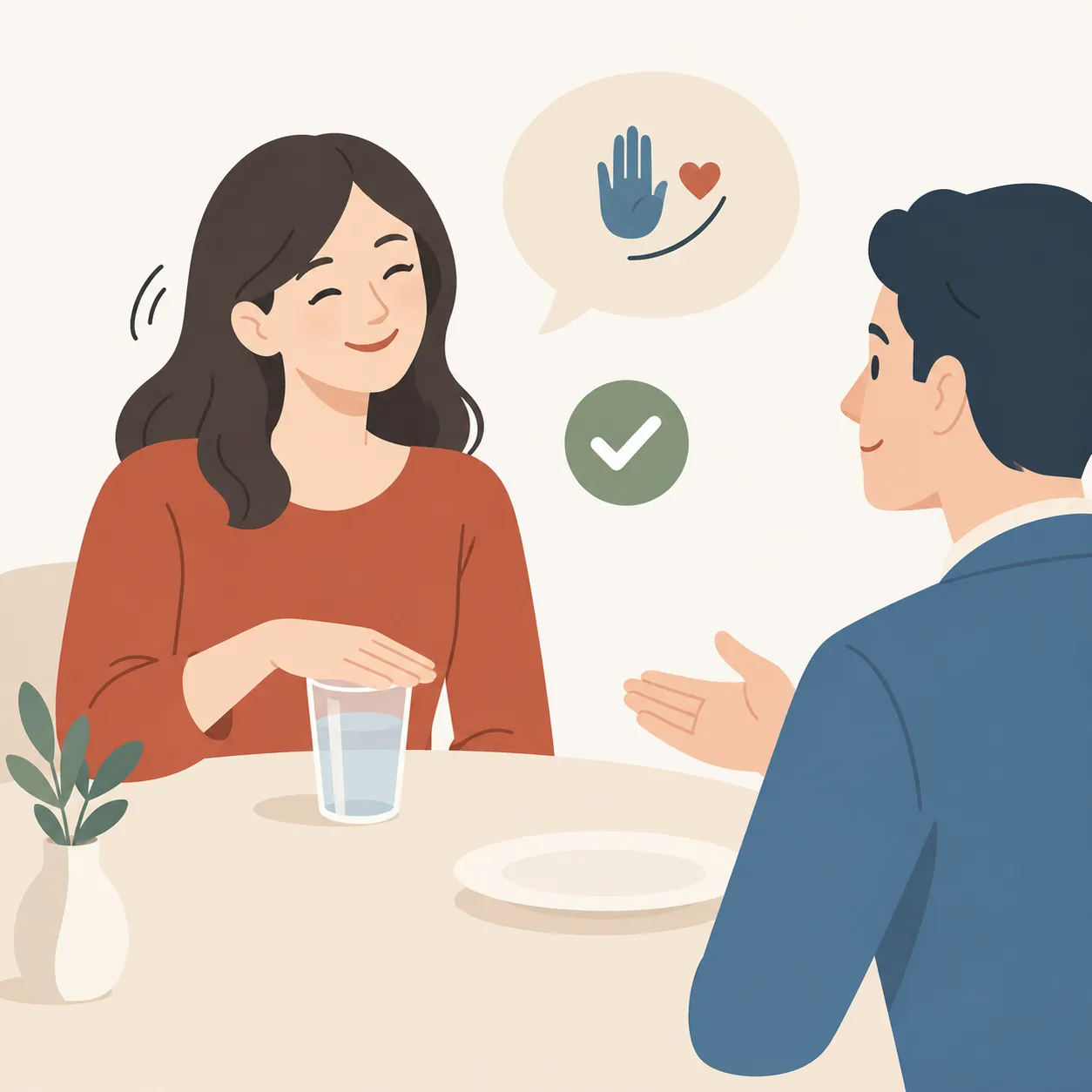
How to Decline Drinks in China: Polite Refusal Strategies
You can decline drinks at a Chinese banquet without damaging relationships — but the method matters enormously. Declare your non-drinking status before the meal…
Read the guide →