How can foreigners effectively sort waste in Chinese cities?
Quick answer
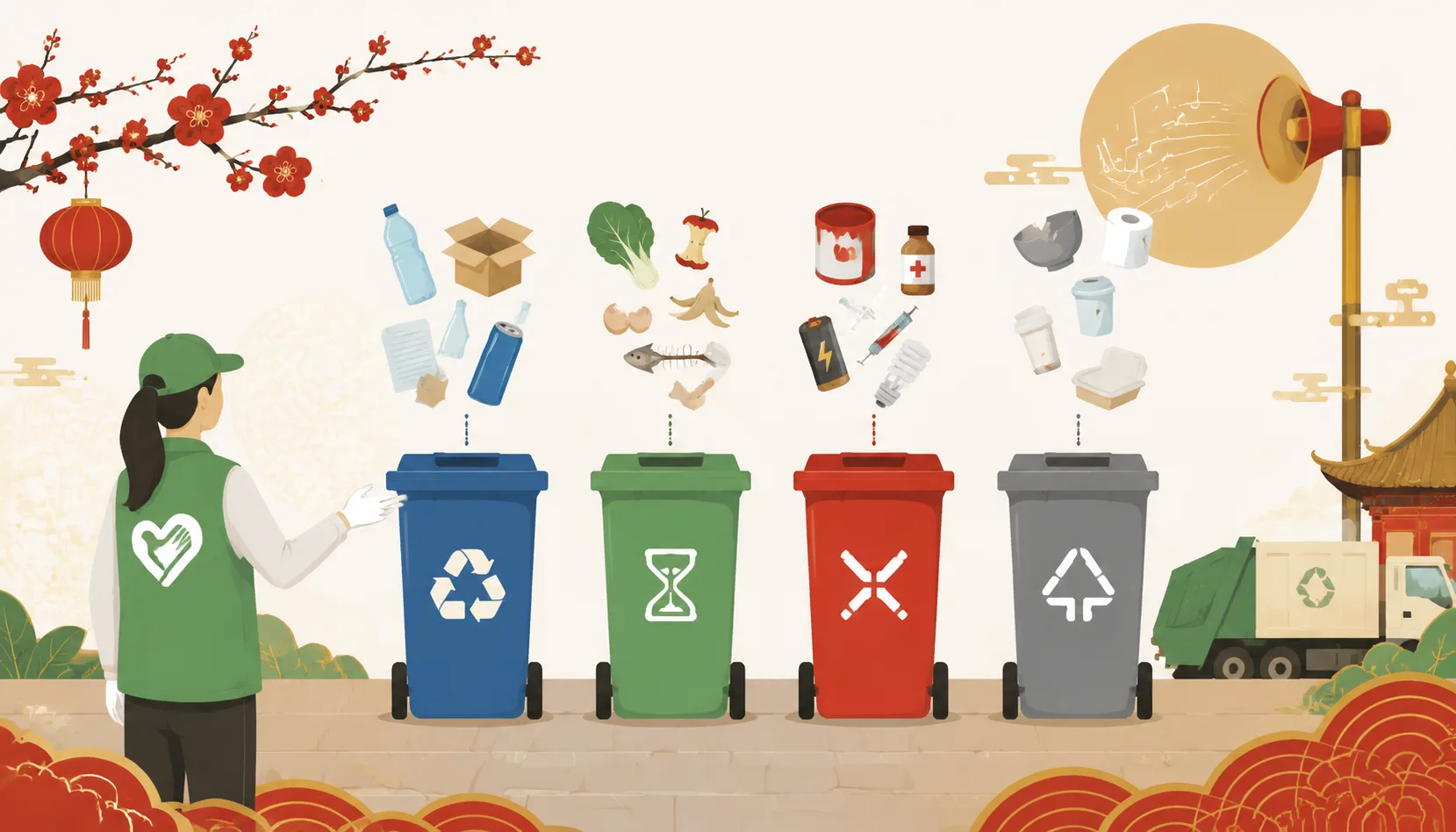
Learn the 4-category system (recyclables, hazardous, food waste, other), but always check your specific compound's rules. Listen for the music signal to bring out your sorted bags, and don't be shy to ask the volunteer supervisors for help—they're usually happy to guide you.
Why Waste Sorting Matters in China
When I first moved to China, I was overwhelmed by the waste sorting rules. But after a few weeks, it became second nature. Waste sorting is not just a government policy—it's a community effort. In most major cities, you'll find four main categories, but the exact rules can vary by city and even by compound. Don't stress—this guide will walk you through the basics and help you avoid common pitfalls.
Key tip: Start by checking your compound's notice board or asking your property manager (wùyè) for the specific sorting rules. They often post a chart near the waste station.
Here's a quick dialogue to get you started:
You: 你好,请问垃圾分类怎么分?(Nǐ hǎo, qǐngwèn lājī fēnlèi zěnme fēn?) – Hello, how do I sort the trash?
Neighbor: 看那边牌子,有四种。(Kàn nà biān páizi, yǒu sì zhǒng.) – Look at the sign over there, there are four types.
The 4-Category System Explained
Most Chinese cities use a 4-category system. Here's a handy table to memorize:
| Chinese | Pinyin | English | Common Examples |
|---|---|---|---|
| 可回收物 | kě huíshōu wù | Recyclables | Paper, plastic bottles, metal cans, glass |
| 有害垃圾 | yǒuhài lājī | Hazardous waste | Batteries, expired medicine, paint, fluorescent bulbs |
| 厨余垃圾 | chúyú lājī | Food waste | Cooked food scraps, fruit peels, tea leaves |
| 其他垃圾 | qítā lājī | Other waste | Dirty tissues, ceramic shards, non-recyclable plastic |
Important: Some cities use different names, like 湿垃圾 (shī lājī, wet waste) for food waste and 干垃圾 (gān lājī, dry waste) for other. Don't be confused—it's the same idea.
When in doubt, ask: 这个扔哪个桶?(Zhège rēng nǎ gè tǒng?) – Which bin does this go in?
Critical: Rules Vary by City and Compound
Here's the catch: waste sorting rules are not uniform across China. For example, Shanghai has strict enforcement with fines, while smaller cities might be more relaxed. Even within the same city, different compounds (小区) may have different schedules or bin colors.
Actionable tip: Don't rely on a national chart. Instead, take a photo of your compound's waste sorting poster and keep it on your phone. Also, ask your neighbors—they'll appreciate your effort.
Realistic dialogue:
You: 请问我们小区的垃圾怎么分?(Qǐngwèn wǒmen xiǎoqū de lājī zěnme fēn?) – How do we sort trash in our compound?
Neighbor: 我们这里简单,就分两类,厨余和其他。(Wǒmen zhèlǐ jiǎndān, jiù fēn liǎng lèi, chúyú hé qítā.) – It's simple here, just two types: food waste and other.
The Music Signal: When to Bring Out Your Trash
In many compounds, a specific song—often Für Elise or a cheerful jingle—plays when the waste collection truck arrives. This happens at fixed times, usually in the morning (e.g., 7-9 AM) and evening (e.g., 6-8 PM). When you hear the music, it's your cue to bring your sorted bags to the collection point.
Practical tip: Set an alarm on your phone for those times. If you miss the window, you may have to wait until the next collection, or you might find a designated drop-off area that's always open.
Don't be surprised if you see neighbors rushing out with their bags when the music starts—it's a daily ritual!
The Volunteer Supervisor: Your Best Friend
At many waste stations, you'll find a retired community volunteer—often a friendly 大妈 (dàmā)—who supervises sorting. They have eagle eyes and will not hesitate to correct you if you put something in the wrong bin. But don't be embarrassed! They're usually delighted to help foreigners learn.
Here's how to interact:
You: 阿姨,这个塑料袋是其他垃圾吗?(Āyí, zhège sùliào dài shì qítā lājī ma?) – Auntie, is this plastic bag other waste?
大妈: 对,扔其他。瓶子要洗干净再扔可回收。(Duì, rēng qítā. Píngzi yào xǐ gānjìng zài rēng kě huíshōu.) – Yes, throw it in other. Bottles need to be rinsed before putting in recyclables.
Tip: Always say 谢谢 (xièxiè) – thank you. A little politeness goes a long way.
Selling Recyclables: The Informal Economy
Did you know that cardboard boxes, plastic bottles, and metal cans have resale value? Many Chinese households save these separately to sell to 废品收购站 (fèipǐn shōugòu zhàn, scrap collectors). You might see neighbors stacking cardboard or collecting bottles—it's completely normal.
If you want to join in, you can call a scrap collector (often found on WeChat or by asking your property manager). They'll weigh your items and pay you a small amount. It's not much, but it's a fun way to engage with the local culture.
Actionable tip: Flatten cardboard boxes before putting them in the recycling bin—it saves space and makes the collectors' job easier. Also, rinse plastic bottles to avoid odors.
Practical Tips and Apps to Make Sorting Easier
To make waste sorting a breeze, here are some insider tips:
- Keep a 4-bin organizer at home – Label each bin with the Chinese characters and pinyin to reinforce your learning.
- Use biodegradable bags for food waste – They're available at most supermarkets and help with composting.
- Check the compound notice board – Schedules and rules can change, especially during holidays.
- Use apps – Search for 垃圾分类 (lājī fēnlèi) in your app store. Many apps let you search for a specific item and tell you which category it belongs to. Alipay also has a built-in waste classification tool – just search for '垃圾分类' within the app.
Remember, everyone makes mistakes at first. The key is to ask questions and learn from your neighbors. Before you know it, you'll be sorting like a pro!
What Chinese People Actually Say
- 垃圾分类 | lā jī fēn lèi | waste sorting | use as the general term for the entire system
- 干垃圾 | gān lā jī | dry/residual waste | includes items like broken ceramics and cigarette butts
- 可回收物 | kě huí shōu wù | recyclable waste | includes paper, plastics, metals, and glass
2026 Reality Check
China's waste sorting mandate remains official policy in 2026, but enforcement varies significantly. In Beijing and Shanghai, the rules are still taken seriously—urban districts maintain dedicated sorting bins, and some residential complexes impose small fines for improper disposal. However, compliance has softened compared to the 2020-2022 peak.
Gen Z generally treats sorting as a minor inconvenience rather than a habit. Many simply toss everything into the nearest bin. Older generations, particularly retirees, remain more diligent—they've internalized the rule and often correct others.
The biggest gap is between tier-1 cities and smaller towns. Beijing and Shanghai still have infrastructure and periodic campaigns. In second and third-tier cities, waste sorting is largely ignored; bins sit empty while people dump everything together. The 2026 reality: mandatory in name, optional in practice outside major cities.
Frequently asked questions
What happens if I put my waste in the wrong bin in China?
You typically won't get fined as a foreigner, especially if you're a first-time offender. Volunteer supervisors at the bins may politely correct you or even sort through your bag to show you the right way. However, repeat mistakes in strict cities like Shanghai or Beijing could lead to warnings or small fines, so it's best to ask when unsure.
Can I throw all my food scraps into the food waste bin?
No—food waste bins in China generally exclude large bones, shells, and corn cobs, which go in 'other waste.' Also, never put plastic bags in the food waste bin; you're expected to tip the bag contents in and toss the bag separately. Some compounds even require you to use specific biodegradable bags for food waste.
How do I know which days to put out my sorted waste for collection?
Most Chinese cities collect waste daily, but your compound may have set hours, often 7-9am and 6-8pm. You'll hear a signature music jingle (like the 'Happy Song' or a classical tune) from the collection truck. If you miss it, keep waste at home or find a 24-hour drop-off point—many newer estates have smart bins that are always open.
Is there a mobile app to help me identify waste categories?
Yes, several apps exist, but they're mostly in Chinese. Try 'Alipay'—search for '垃圾分类' (waste sorting) inside the app, which includes a photo-recognition tool. WeChat mini-programs like '垃圾分类指南' also work well. Just snap a photo of the item, and the app tells you the category. For English help, ask your building's WeChat group or a neighbor.
Can I sell my recyclables instead of putting them in the bin?
Absolutely. In many neighborhoods, especially older ones, you'll find '回收' (recycling) stations or individual collectors who pay cash per kilogram for cardboard, plastic bottles, and metals. Use apps like '闲鱼' or '爱回收' for electronics. This is a great way to earn a little money and reduce waste—just make sure bottles are empty and cardboard is flattened.
Are waste sorting rules the same in every Chinese city?
No, they vary significantly. Shanghai uses four categories (recyclable, hazardous, household food, residual), while Beijing adds 'kitchen waste' for restaurants but not households. Some smaller cities only have two bins (recyclable and other). Always check the labels on your local bins—they often include pictures. When traveling, default to 'other' if you're unsure, and follow what locals do.
Try our tools
Related guides

What to Bring to a Chinese Home Dinner: 2026 Gift Guide
Never arrive empty-handed at a Chinese home dinner. Safe options: a fruit basket, quality packaged pastries or snacks, good quality tea, or imported wine/spirit…
Read the guide →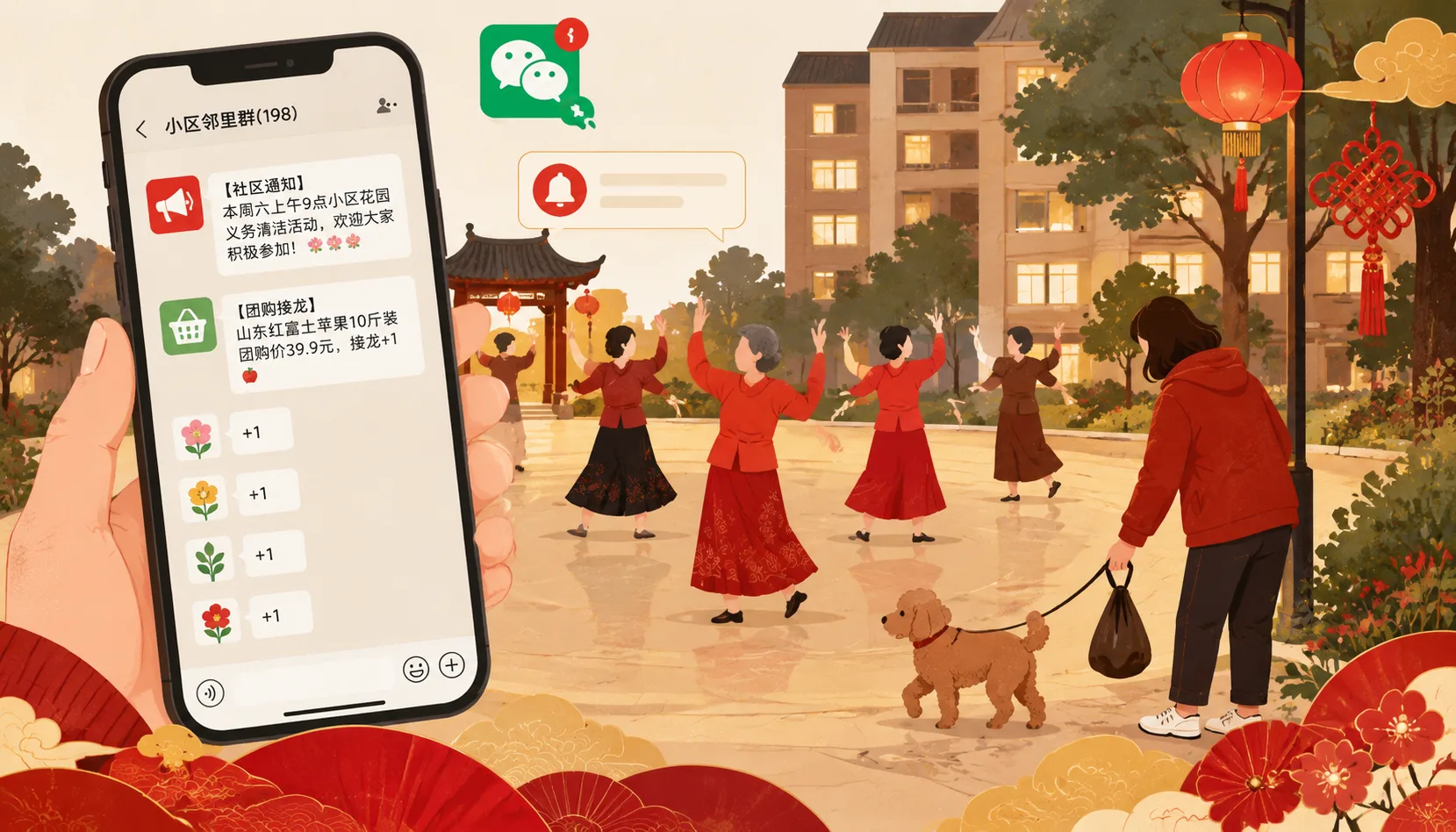
Chinese Neighborhood WeChat Groups: Expat Survival Guide
Join your compound's WeChat group via your property management office or landlord. Use it to get critical notices, participate in group buying, and connect with…
Read the guide →
China Parcel Delivery: Lockers, Stations & Door Delivery
In China, couriers typically leave packages at smart lockers (快递柜) or pickup stations (菜鸟驿站) rather than delivering to your door. You'll receive a pickup code v…
Read the guide →