What should you expect when meeting your Chinese partner's parents for the first time, and how do you make a good impression?
Quick answer
Meeting Chinese parents is a major milestone — it signals the relationship is marriage-track. Bring a quality gift (¥300–800), expect interview-style questions about your income, housing, and future plans, and learn a few basic toasting and tea-serving gestures. Show respect, show stability, and show that you take their child seriously.
Why Meeting Chinese Parents Is Such a Big Deal
In Western cultures, meeting a partner's parents might happen relatively casually — a holiday dinner, a birthday party, no particular significance implied. In China, being introduced to the parents carries a very different weight.
The phrase is 见家长 (jiàn jiāzhǎng — meeting the parents), and when a Chinese person brings someone home, it is understood by everyone — including the parents — that the relationship is serious and marriage is at least a realistic possibility.
Do not bring someone home to "just introduce a friend." Both the family and your partner's social circle will immediately understand what it means. If you are not ready to signal long-term intent, it is kinder to wait.
For you as the foreign partner, this first meeting is effectively a structured assessment of your suitability as a future son-in-law or daughter-in-law. It is not hostile — it is care. Chinese parents take their children's long-term happiness seriously, and this meeting is how they begin to form a view.
What to Bring: Gift Guide With Prices
Never arrive empty-handed. Showing up without a gift signals that you do not understand basic social courtesy (不懂礼貌, bù dǒng lǐmào), which will not start things well.
Good choices:
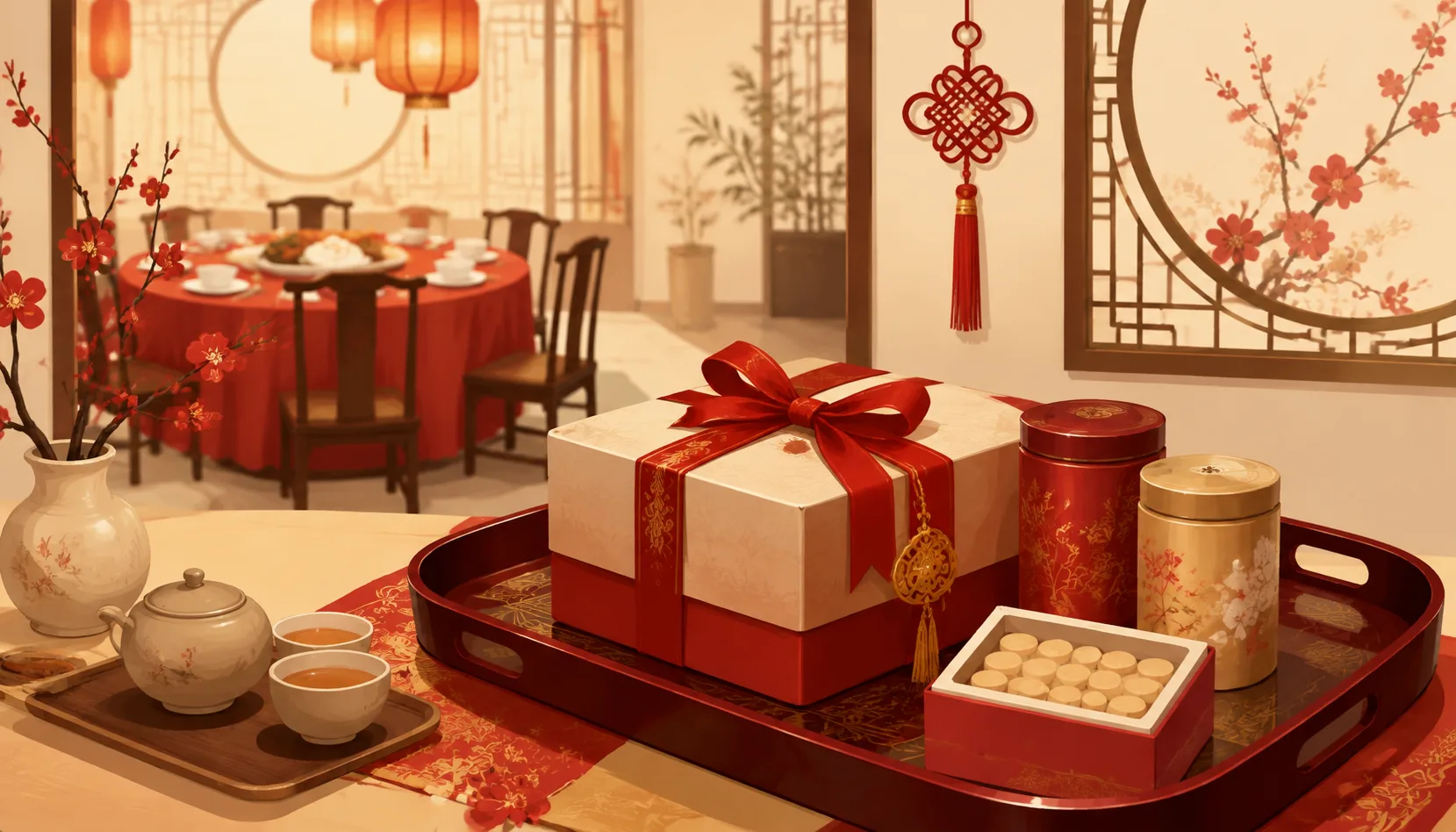
- High-quality tea gift sets (高端茶叶礼盒, gāoduān cháyè lǐhé): Excellent for fathers and grandfathers. Budget ¥300–800 (roughly $40–110 USD). Well-known teas like Longjing (Dragon Well), Tieguanyin, or Pu-erh in elegant packaging communicate taste and thoughtfulness.
- Health supplements (保健品, bǎojiànpǐn): Popular for parents in their 50s and 60s. Options include American ginseng (西洋参, xīyángshēn), bird's nest (燕窝, yànwō), or collagen supplements. Budget ¥400–900.
- Quality fruit gift boxes: Seasonal and universally appreciated — grapes, mangoes, or premium Shine Muscat sets are safe choices. Budget ¥150–300.
- Baijiu (白酒) or wine: Only if you know the father drinks. A mid-tier Moutai-style baijiu or a well-presented imported wine works well. Budget ¥300–600.
What to avoid: Clocks (送钟, sòng zhōng — sounds like "attend a funeral"), pears (梨, lí — sounds like "separation"), shoes (implies you want them to walk away from you), and anything in sets of four (四, sì — sounds like death).
Wrap the gift or have it in a proper bag. Hand it with both hands when you arrive.
The Questions You Will Be Asked (And How to Answer Them)
Chinese parents — particularly of Chinese women — will ask direct questions that may feel like a job interview. This is not rude. It is protective. Here are the most common questions and how to respond gracefully:
"What do you do? How much do you earn?"
Do not be evasive. A rough answer is fine: "I work in [field] — my income is comfortable and growing. I'm focused on building stability." You don't need a precise number, but deflecting entirely reads as hiding something.
"Do you own a home / apartment?"
In China, homeownership is closely tied to readiness for marriage. If you rent: "I currently rent while I'm [establishing myself / working in this city], but stability and building a home is absolutely a priority for me." If you own: say so simply.
"What is your family background?"
Talk about your parents, their work, your relationship with them. Showing that you come from a stable family and value family relationships matters here.
"Do you plan to stay in China / where will you live?"
Be honest but reassuring. If you don't have a firm answer, focus on the relationship: "We are figuring that out together. Whatever we decide, it will be based on what's best for both of us."
"Do you plan to get married?"
If you are serious: "When the time is right, absolutely — I am not looking for something casual." If it's too early: "We are building something solid and we take it seriously. We're not rushing, but we are committed."
At the Dinner Table: Toasting and Tea Service
Much of the evaluation happens over the meal. A few things to know:
Toasting (敬酒, jìng jiǔ): When raising a glass to an elder, hold your glass slightly lower than theirs. This shows respect. A simple 干杯 (gānbēi — cheers, literally "dry cup") is fine. You do not need to drain the glass each time unless the host insists and the context calls for it — saying "I'll take a small sip to show respect" is acceptable and usually well-received.
If you don't drink alcohol, say so early and warmly: "我不太能喝酒,但我以茶代酒,真诚敬您。" (I can't drink much, but I respect you sincerely with tea.) This shows awareness and sincerity.
Serving Tea (敬茶, jìng chá): If tea is poured, use both hands to offer the cup to elders before yourself. Accept tea with both hands and a small nod. At a formal first meeting, you might be asked to serve tea to the parents — do so with both hands, a slight bow, and a word of respect: "请喝茶" (qǐng hē chá — please have some tea).
General table behavior: Let elders sit first, eat first, and serve themselves first. Don't stab chopsticks vertically into a bowl (funeral association). Offer dishes to others before serving yourself.
Handling Cross-Cultural Concerns
Chinese parents may have genuine concerns about a cross-cultural relationship that have nothing to do with disliking you personally. Common worries include:
- Distance: Will their child end up far away, in another country?
- Cultural compatibility: Will you understand Chinese family expectations (taking care of aging parents, for example)?
- Language: How will communication work at family events?
- Grandchildren: Will future children have a connection to Chinese culture?
You don't need to promise the moon. What helps most is showing that you are thoughtful about these things — that you've considered them, not dismissed them. Sentences like "I've been learning some Mandarin," "I'm genuinely interested in your culture," or "Family is very important to me too" land well, because they show you are not treating your relationship with their child as an adventure that doesn't affect anyone else.
If the parents don't speak English: Ask your partner to teach you 5–10 phrases beforehand (greeting, thank you, this food is delicious, etc.). Using even a few words in their language changes the temperature of the room immediately. It shows effort, and effort means respect.
What Chinese People Actually Say
- 叔叔阿姨好 | shūshu āyí hǎo | "Hello uncle and auntie" | Use "叔叔" (uncle) and "阿姨" (auntie) as respectful titles for the parents.
- 初次见面,请多关照 | chūcì jiànmiàn, qǐng duō guānzhào | "Nice to meet you, please take care of me" | A polite self-deprecating phrase showing humility.
- 一点心意,不成敬意 | yìdiǎn xīnyì, bùchéng jìngyì | "A small token of respect" | Said when giving a gift to show humility about the offering.
2026 Reality Check
2026 Reality Check: Traditional rules have softened significantly, especially in major cities. The "must-bring-gift" rule still applies broadly—showing up empty-handed is still considered rude—but the pressure on price has relaxed. A nice fruit basket or quality tea set still works; no need to spend fortunes.
Gen Z vs Older Generations: Gen Z is more relaxed about formalities. Many young couples now simply meet parents casually over dinner rather than a structured "introduction ceremony." However, older generations—especially in traditional families—still expect respect: arrive on time, address elders properly, and let them ask questions before volunteering information.
Beijing/Shanghai vs Smaller Cities: Tier-1 cities are far more flexible. Parents in Beijing and Shanghai often accept casual dating and may meet partners informally. In smaller cities and traditional families, formal introductions with gifts remain expected. The "red envelope" (hongbao) custom for engagement is still practiced but increasingly seen as optional in urban areas.
Frequently asked questions
What gift should I bring when meeting my Chinese partner's parents for the first time?
A quality fruit basket, premium tea (like Longjing or Tieguanyin), or a health supplement such as bird's nest or ginseng works well. Avoid clocks, pears, or anything in sets of four—these carry negative connotations. Spend between ¥300 and ¥800; too cheap seems disrespectful, too expensive makes them feel obligated to reciprocate.
How do I answer questions about my salary and house ownership without causing offense?
Chinese parents ask these questions to gauge stability, not to pry. Give a ballpark monthly figure (e.g., 'enough to support a family comfortably') and mention any property you own or plan to buy. If you're renting, frame it as a temporary step while saving for a down payment. Never downplay your finances—they'll interpret it as insecurity.
Can I bring my partner's siblings or friends along to break the ice?
No—this meeting should be intimate and focused on you two. Bringing outsiders dilutes the seriousness and may make parents feel you're avoiding one-on-one bonding. If you're nervous, arrive early with your partner to settle in, but keep the actual meal to just parents, you, and your partner. Extended family can come later.
What if I don't drink alcohol and they keep toasting me?
It's common to toast with baijiu, but you can politely decline: raise your tea cup instead, say 'I don't drink, but I'll toast with tea to your health,' and clink lower than theirs. If they insist, take a tiny sip and then switch to tea. The key is showing respect, not matching their intake—parents will appreciate your restraint.
Is it okay to show physical affection like hugging or kissing in front of them?
Avoid public displays of affection beyond holding hands or a light touch on the shoulder. Chinese parents, especially older generations, find kissing or hugging in front of them uncomfortable and may view it as frivolous. Instead, show warmth through actions: serve them tea first, compliment their cooking, and engage in conversation. Respect their comfort zone.
How should I handle it if they bring up sensitive topics like politics or religion?
Stay neutral and redirect gracefully. Say something like, 'I'm still learning about Chinese culture and find it fascinating,' then pivot to a positive topic like their hometown or family history. Never criticize Chinese policies or compare systems negatively. If they press, smile and say, 'I prefer to focus on what brings us together—your wonderful child.'
Try our tools
Related guides

Chinese Dating Culture: What Foreigners Need to Know
Chinese dating skips the casual "seeing each other" phase and moves directly toward a defined relationship. There is no long ambiguous gray zone — couples are e…
Read the guide →
Cross-Cultural Relationships With a Chinese Partner: What to Expect
The main challenges are family approval, language barriers with in-laws, different assumptions about the future (where to live, how to raise children), and mana…
Read the guide →
Chinese Love Language: Why Your Partner Shows Love Differently
Chinese partners typically express love through actions rather than words. "I saved food for you," "let me know when you get home," and "don't eat that, your st…
Read the guide →