Public Park Etiquette in China: Exercise & Square Dancing

Quick answer
When visiting Chinese public parks, observe group activities like tai chi and square dancing from a respectful distance, keep noise levels moderate, and never interrupt organized sessions. These communal spaces follow unwritten social rules that locals appreciate foreigners respecting.
Quick Answer
Chinese public parks are vibrant communal spaces where morning exercise (晨练 chén liàn), tai chi, and square dancing (广场舞 guǎng chǎng wǔ) are cherished daily traditions. As a foreigner, the key is to observe first, then follow: join group activities only when invited, keep noise levels reasonable, and always respect the organized nature of these gatherings.
DO
- Arrive early (6-8 AM) to witness morning exercise in full swing
- Ask politely before joining any group activity
- Keep your voice volume similar to those around you
- Use headphones if you need to play music or take calls
- Clean up any trash you generate
- Yield space to ongoing organized activities
- Smile and greet others with a simple "Nǐ hǎo" (你好 - Hello)
- Follow the lead of local seniors in group exercises
- Respect designated quiet zones near benches and gardens
- Bring your own water bottle and avoid single-use plastics
DON'T
- Walk through the middle of a square dancing formation
- Start your own loud activity near existing groups
- Take photos of people without permission
- Critique or laugh at others' dancing or exercise style
- Block popular walking paths with your belongings
- Play music from speakers at high volume
- Assume all parks allow the same activities
- Ignore signs indicating restricted areas or times
- Push or rush through crowds gathered for activities
- Bring large pets to areas clearly marked as pet-free
Why This Matters
Chinese public parks represent something fundamentally different from Western conceptions of public green space. These are not merely ornamental gardens or quiet retreats—they are living, breathing community centers where social interaction, physical wellness, and cultural preservation intersect daily. Understanding park etiquette is not about following arbitrary rules; it's about participating respectfully in a cultural practice that millions of Chinese people engage in daily.
For foreigners, the stakes are higher than simply avoiding awkward moments. China has seen growing media attention on conflicts between park users, particularly around the volume and timing of square dancing. As a foreigner, being mindful of these dynamics demonstrates cultural sensitivity and helps avoid becoming part of the problem. Moreover, Chinese park culture offers incredible opportunities for genuine cross-cultural exchange—many foreigners have made lasting friendships by approaching these spaces with curiosity and respect.
The practical reality is that Chinese parks function under a social contract that differs from what many foreigners are accustomed to. In many Western countries, public parks are individual spaces where people seek personal recreation. In China, the park is fundamentally a shared social space where community activities take precedence over individual preferences. This doesn't mean you can't find quiet corners—it means understanding when and where certain behaviors are appropriate.
Regional and Generational Differences
Beijing and Shanghai park visitors tend to be more accustomed to foreign visitors, but the etiquette expectations remain high. In Beijing's iconic parks like Chaoyang Park or the Temple of Heaven grounds, you'll find highly organized morning exercise groups with established routines. Locals here are generally more accustomed to seeing foreigners and may even welcome participation more readily. However, Beijing parks also tend to be more crowded, making spatial awareness even more critical. Shanghai's parks, such as People's Square or along the Bund, often feature more diverse activities and younger participants, partly due to the city's international vibe.
Smaller cities present a different dynamic. In cities like Chengdu, Xi'an, or Hangzhou, park etiquette may be more traditional, with stricter adherence to established routines. In smaller towns, the sense of community is often stronger, and newcomers—foreign or local—may be more closely observed. If you're visiting a smaller city, observing for a day before actively participating is particularly wise. Some activities may appear open but actually have regular participants who would appreciate advance notice of new people joining.
The generational divide is perhaps the most significant factor in park etiquette. Older generations (50+) typically view park activities as serious social institutions. Morning exercise is often a daily ritual, and square dancing groups may have established leadership structures and regular meeting times. For this demographic, the park represents decades of social practice, and they may have specific expectations about how newcomers should approach these activities.
Gen Z and younger millennials in China use parks quite differently. You'll find them jogging with earbuds, practicing yoga on mats, taking selfies by flower displays, or gathering in designated areas for photography. They're generally more accepting of diverse park uses and may be confused by older generations' strict adherence to traditional activities. As a foreign visitor, adapting your behavior to your immediate surroundings—matching the energy of those around you—is the most practical approach. If you're surrounded by seniors practicing tai chi, move quietly and observe. If you're in an area with younger people, the atmosphere will likely be more relaxed.
What Chinese People Actually Say
- "Qǐng wèn, wǒ kě yǐ jiā rù ma?" (请问,我可以加入吗?) - "May I join?" - The polite way to ask to participate in any group activity
- "Duì bu qǐ, wǒ bù zhī dào." (对不起,我不知道。) - "Sorry, I didn't know." - Acceptable excuse if you accidentally break an unwritten rule
- "Zhège dì fang kě yǐ chī dōng xi ma?" (这个地方可以吃东西吗?) - "Can we eat here?" - Always ask before eating in park areas
- "Nín hǎo, kě yǐ gěi wǒ zhào zhāng xiàng ma?" (您好,可以给我照张相吗?) - "Hello, can you take a photo of me?" - Politely ask someone to take your photo
- "Xiè xie nín de ràng zuò." (谢谢您的让座。) - "Thank you for giving up your seat" - Not common in parks but useful if visiting with elderly
- "Qǐng wèn, zhè lǐ jìn zhǐ chōu yān ma?" (请问,这里禁止抽烟吗?) - "Is smoking prohibited here?" - Many parks have smoking restrictions
- "Wǒ kě yǐ zài zhè lǐ liàn gōng fu ma?" (我可以在这里练功夫吗?) - "Can I practice kung fu here?" - Appropriate if you want to do your own exercise
- "Duì bu qǐ, wǒ shì wài guó rén, qǐng duō bāo hán." (对不起,我是外国人,请多包涵。) - "Sorry, I'm a foreigner, please be understanding." - A useful phrase if you make a mistake
2026 Reality Check
Chinese park culture continues evolving in 2026. Several trends foreigners should know:
- Smart park management: Many major parks now use apps for activity bookings and noise monitoring. Download local park apps (like 支付宝 or 微信's park services) to check rules and book slots for activities.
- Younger demographics: Post-pandemic, more young Chinese are using parks for wellness activities. You'll see more yoga, meditation groups, and fitness influencers in popular parks.
- Stricter noise enforcement: Several cities have implemented noise ordinances. Bluetooth speakers at high volume can now result in fines in many urban parks.
- Tourist-friendly zones: Major parks in tourist areas have become more accommodating to foreign visitors, with English signage and designated tourist areas.
- Environmental awareness: Newer parks emphasize eco-friendly practices. Many have banned single-use plastics and expect visitors to follow green guidelines.
- Digital payment: Rentals for equipment (bicycles, exercise mats, even audio guides) now require mobile payment. Ensure you have Alipay or WeChat Pay set up.
The core advice remains: observe for your first visit, ask before participating, match the energy of those around you, and approach these communal spaces with the same respect you'd want in your home country. Chinese parks offer extraordinary cultural experiences—tai chi at dawn, traditional instrument performances, calligraphy practice, and yes, the famous square dancing—that become truly enriching when approached with cultural sensitivity.
Related guides
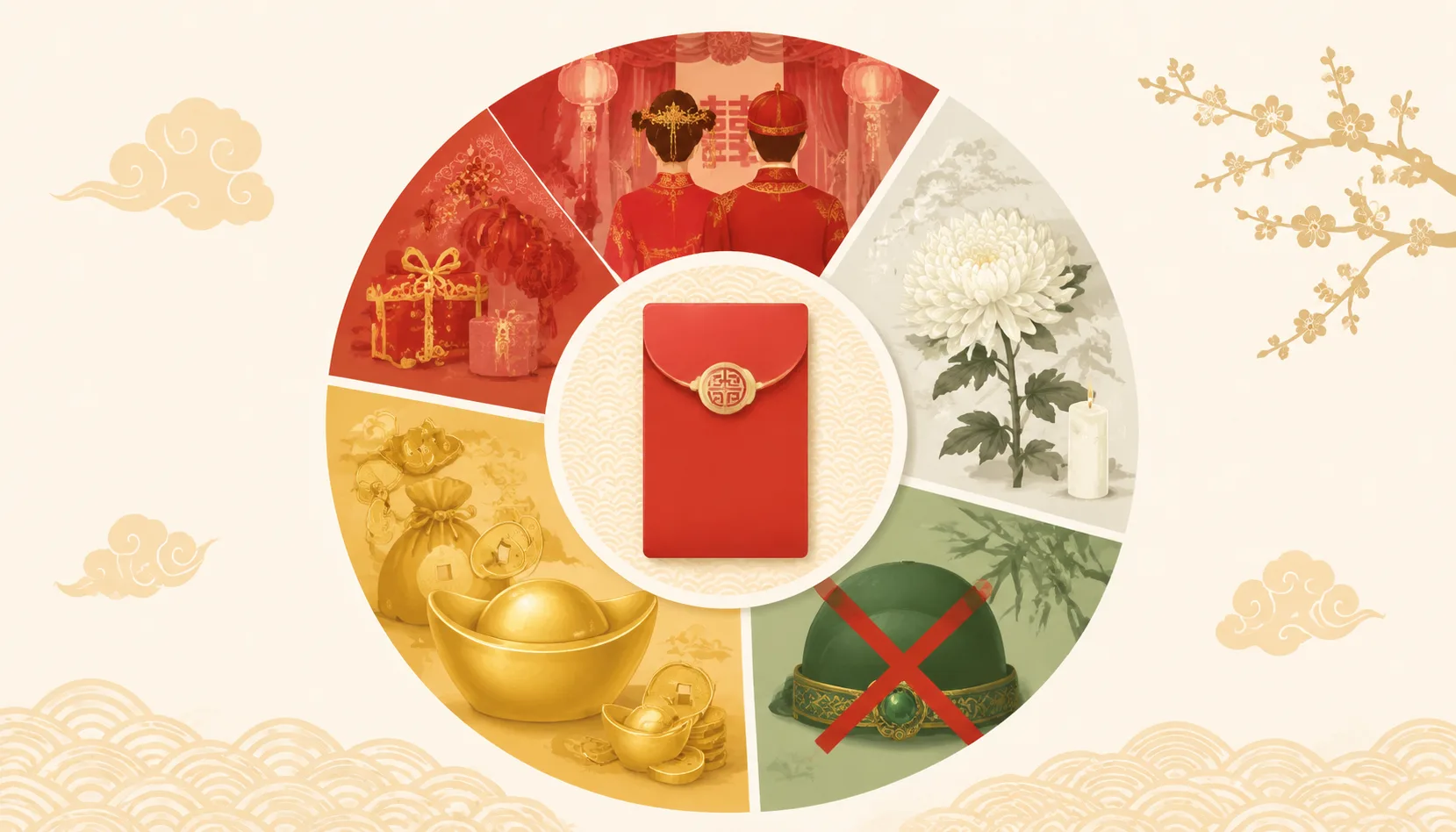
Chinese Color Symbolism: What to Wear & Avoid
Red is widely associated with joy and good fortune in many Chinese celebrations; white and black can carry mourning associations in some traditional settings; g…
Read the guide →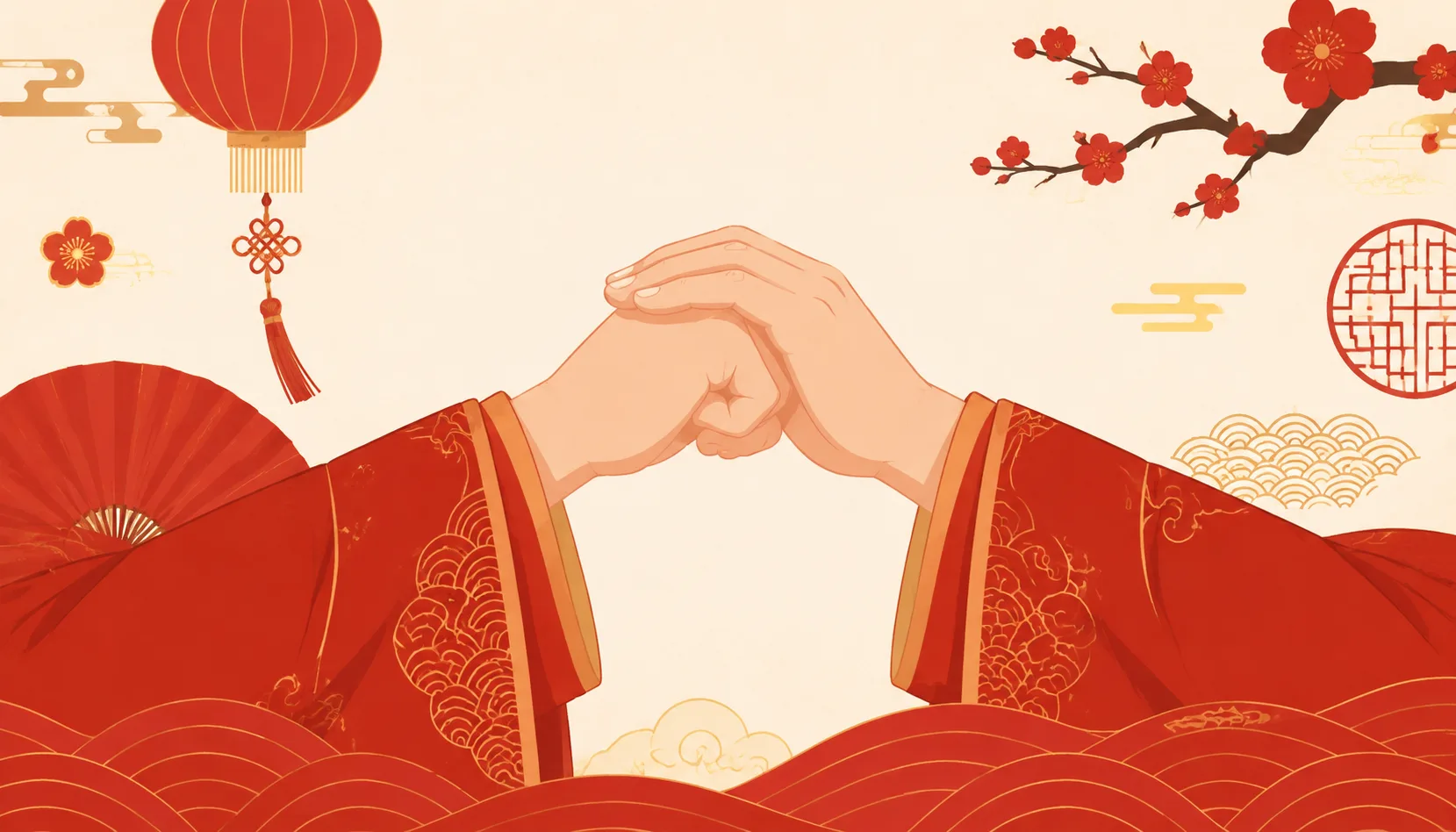
Chinese Bow Greeting (拱手礼): Left Hand Outside or Right?
For happy occasions (New Year, celebrations), left hand goes on the outside. Right hand on the outside is used at funerals. Mixing these up is a significant soc…
Read the guide →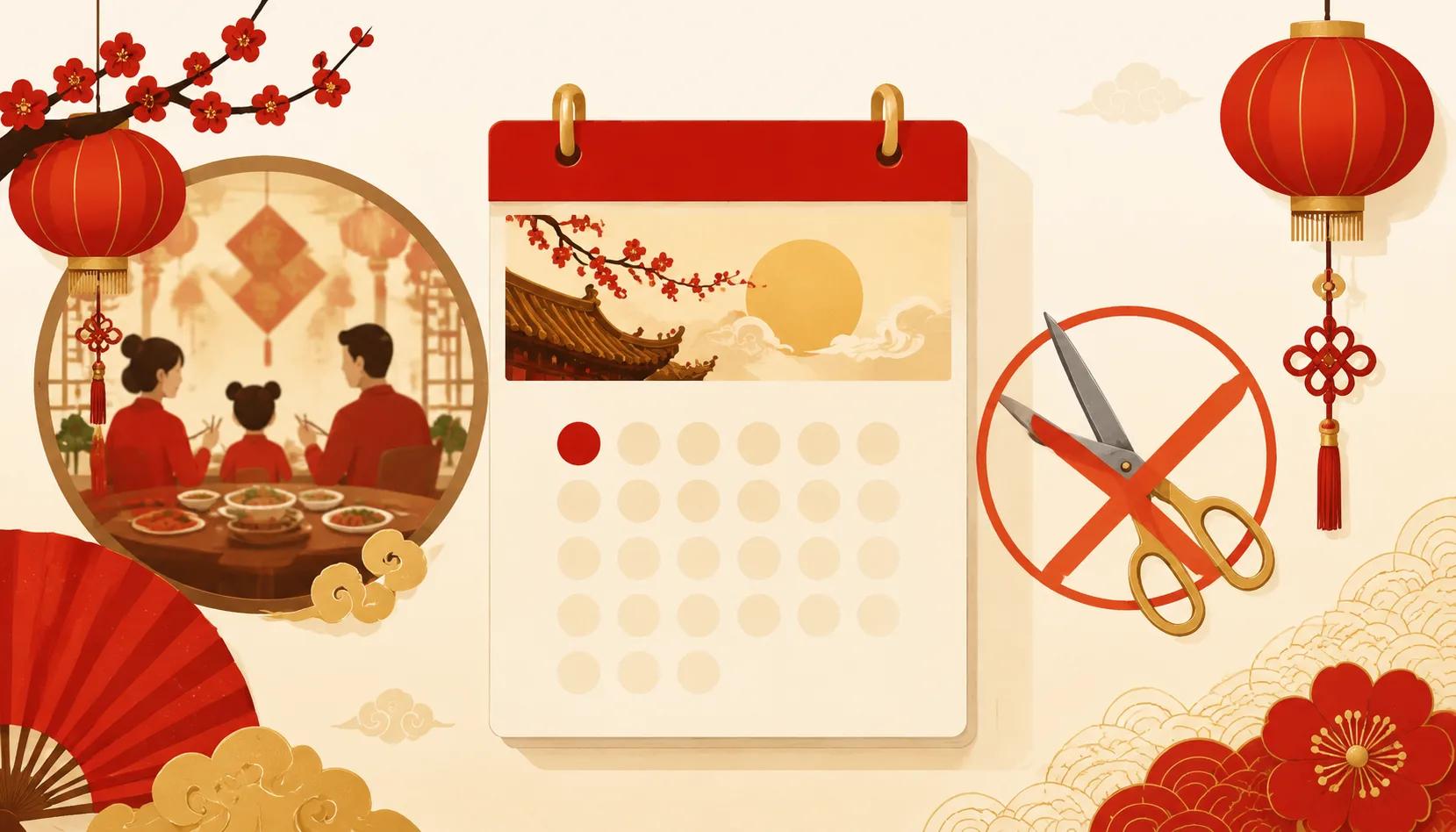
Don't Get a Haircut in the First Lunar Month of the Year
A folk superstition holds that getting a haircut in the first lunar month (正月, zhēngyuè, roughly January–February) will bring bad luck to your maternal uncle. M…
Read the guide →