What are the unwritten rules for using the subway and buses in Chinese cities?
Quick answer
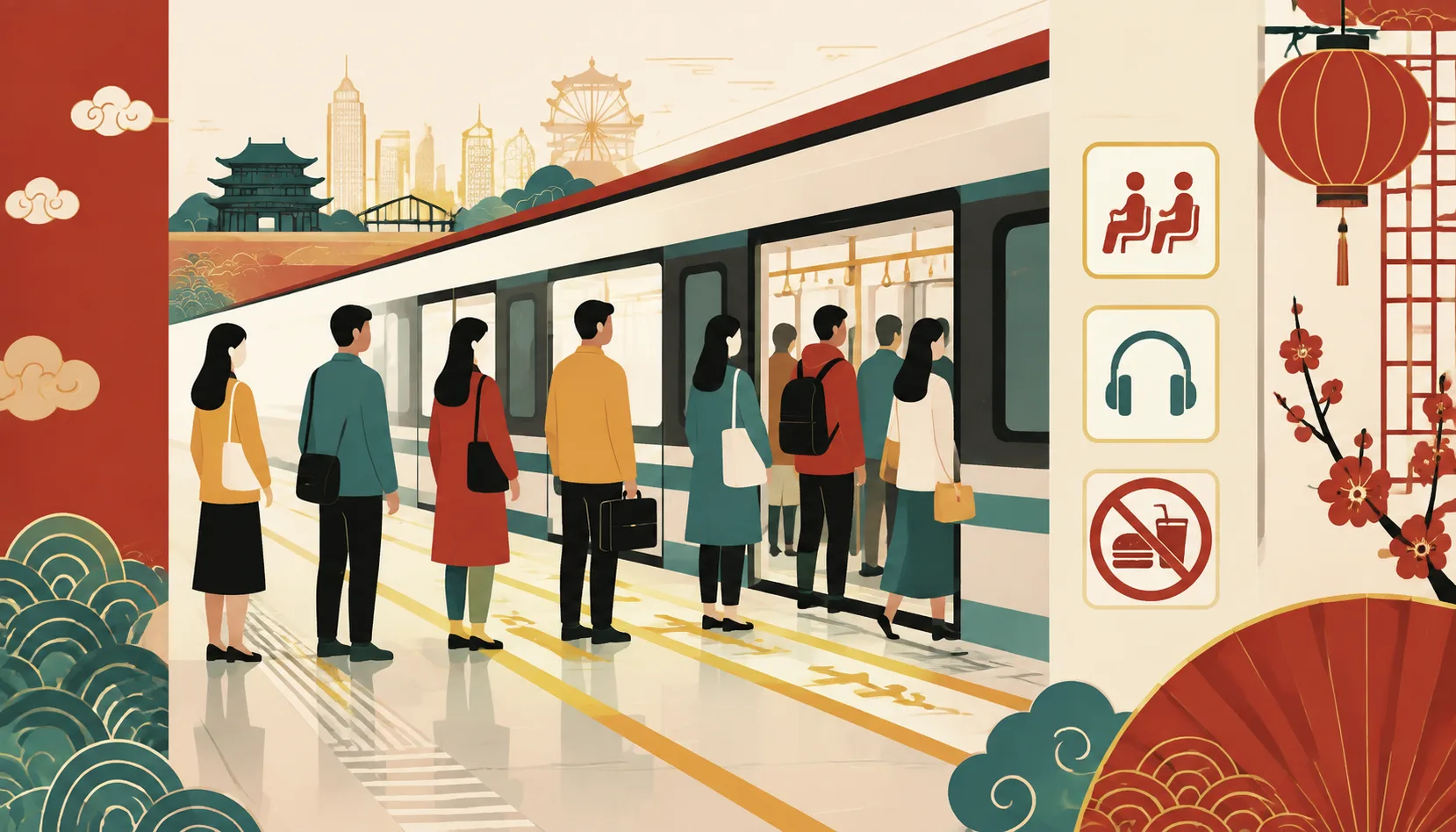
Chinese metro culture has its own logic: people do queue at the painted lines (mostly), crowds at rush hour are extremely dense and this is accepted, phone speakers in carriages vary by city but earphones are expected in premium lines, priority seats are respected, and eating on the metro is frowned upon and sometimes prohibited. Knowing these prevents friction and fines.
Queuing on the Platform: More Orderly Than You Expect
A common misconception about Chinese public transport: no one queues. This is increasingly inaccurate. In most major Chinese cities, yellow lines on metro platforms mark where passengers should queue for each carriage door. During non-peak hours, queuing is reasonably well-observed.
What changes at rush hour:
- The queue becomes a mass. Personal space essentially disappears — people press close and movement through the crowd is a physical negotiation.
- This density is accepted and expected by everyone, not a breach of etiquette. Expressing visible discomfort or attempting to maintain Western-standard personal space will only frustrate you.
- Let passengers exit before boarding — this is the standard expectation in major cities, and platform announcements often remind people of it.
A useful mindset shift: during Shanghai or Beijing peak hours, you are in a flow of thousands of people with a shared purpose. Move with the flow, not against it, and the experience becomes manageable rather than overwhelming.
In the Carriage: Sound, Food, and Phone Norms
Phone audio: Playing audio from your phone speaker on the metro is technically prohibited on some lines and widely considered antisocial on others. In practice, enforcement varies. Earphones are the safe default. Some older riders play audio or video without earphones — this is more tolerated in some cities than others, but choosing earphones is always the safest and most considerate choice.
Eating: Eating on the metro is prohibited in Beijing (with fines possible) and discouraged on most other major metro systems. Bringing food is fine — consuming it on the train is not. Buses are more relaxed about this but still not designed for dining.
Talking volume: Speaking at normal conversational volume is fine. Video-calling loudly or having prolonged loud phone conversations is not. Chinese metro users are generally quieter than the city streets above — match the ambient level.
Priority seats (爱心专座, àixīn zhuānseat): These are clearly marked for elderly, pregnant women, and people with disabilities. The social expectation to give these up is real and enforced by peer pressure if not rules. If you are occupying one and the carriage fills with elderly passengers, stand and offer the seat proactively.
Practical Navigation Tips for Foreigners
Payment: All major Chinese metro systems accept mobile payment (WeChat Pay, Alipay) via QR code. They also accept transit cards (公交卡, gōngjiāo kǎ) topped up at machines. Most machines have an English option. Credit card acceptance is improving but not universal.
Apps: Amap (高德地图, Gāodé Dìtú) and Baidu Maps are the standard navigation apps in China. Google Maps has limited functionality in mainland China. Both Amap and Baidu show transit routes, real-time carriage crowding on some lines, and estimated travel times.
Transfers: Within a single metro system, transfers are free within a time window. Between different transit modes (metro + bus) this depends on the city. Shanghai, Beijing, and Guangzhou all have their own transfer rules — check the local transit app.
Getting lost: Metro staff at major stations typically have some basic English capability. Showing your destination on your phone in Chinese characters (screenshot from maps app) is the most effective approach when language is a barrier.
What Chinese People Actually Say
- 请让座 | qǐng ràng zuò | Please give up your seat | Used when asking younger passengers to offer seats to elderly, pregnant, or disabled people
- 先下后上 | xiān xià hòu shàng | Let passengers off first before boarding | Standard rule at subway doors; wait until people exit before getting on
- 排队 | pái duì | Queue up | Always wait in line; cutting in line is considered very rude
2026 Reality Check
2026 Reality Check: Most subway etiquette rules hold up, but with generational shifts. Elderly passengers still get seats offered—Gen Z does this almost reflexively, though older generations were more ritualistic about it. The "no eating" rule? Largely followed in Beijing and Shanghai, but smaller cities are more relaxed—snacks still appear on buses in Tier 3 cities.
Phone volume? Younger riders use earbuds; older passengers sometimes still blast videos. Queueing at doors is solid in megacities, spotty elsewhere. The biggest change: younger Chinese are more likely to give up seats for pregnant women AND tired-looking coworkers—practical over performative.
Frequently asked questions
Why do people push forward before the subway doors even open?
In Chinese metro culture, letting passengers exit first is standard, but locals often start moving toward the doors while people are still getting off. Don't take it personally — it's efficient chaos. To avoid conflict, stand to the side until the crowd thins, then board quickly. Pushing is not aggressive; it's just how dense crowds naturally flow.
Can I eat or drink on the subway in China?
Rules vary by city. In Beijing and Shanghai, eating and drinking are officially prohibited on metro trains and penalties can apply. In other cities like Guangzhou or Chengdu, it's more tolerated but still socially frowned upon. Buses are generally more relaxed. Your safest bet: finish snacks before boarding and keep drinks sealed in your bag.
Is it rude to play music or videos on my phone speaker?
On most regular metro lines, you'll hear phone speakers frequently, especially among younger riders. However, on premium lines like Shanghai's Airport Express or certain intercity rail, earphones are strictly expected. As a general rule, use earphones everywhere. If you forget them, keep volume low and avoid long video sessions — locals will silently judge but rarely confront.
What happens if I sit in a priority seat on the bus or metro?
Priority seats near doors are reserved for elderly, disabled, pregnant women, and parents with young children. If you sit there and someone eligible boards, you're expected to give up the seat immediately. Not doing so can draw stares or even public scolding, especially from older Chinese women. When crowded, even non-priority seats are commonly offered to the elderly — it's a strong cultural norm.
How do I know where to queue for the bus in Chinese cities?
Bus stops usually have painted waiting areas or metal railings, but not all stops have clear lines. In practice, people form a loose cluster near the front door and board in rough order of arrival. During rush hour, expect a crowd to surge forward as the bus arrives. Don't be shy — gently hold your position and move with the flow. For metro, always queue along the yellow line markings on the platform.
Are there different etiquette rules for buses versus subways in smaller cities?
Yes. Smaller cities like Lanzhou or Guilin have more relaxed rules — eating and phone speakers are common, and queuing is less organized. In contrast, tier-1 cities like Beijing, Shanghai, and Shenzhen enforce stricter norms with staff and announcements. Also, rural bus routes may allow passengers to flag down buses anywhere, not just at stops. Adapt to local behavior and mirror what locals do.
Try our tools
Related guides
Chopstick Rules in China: What to Do and What to Avoid
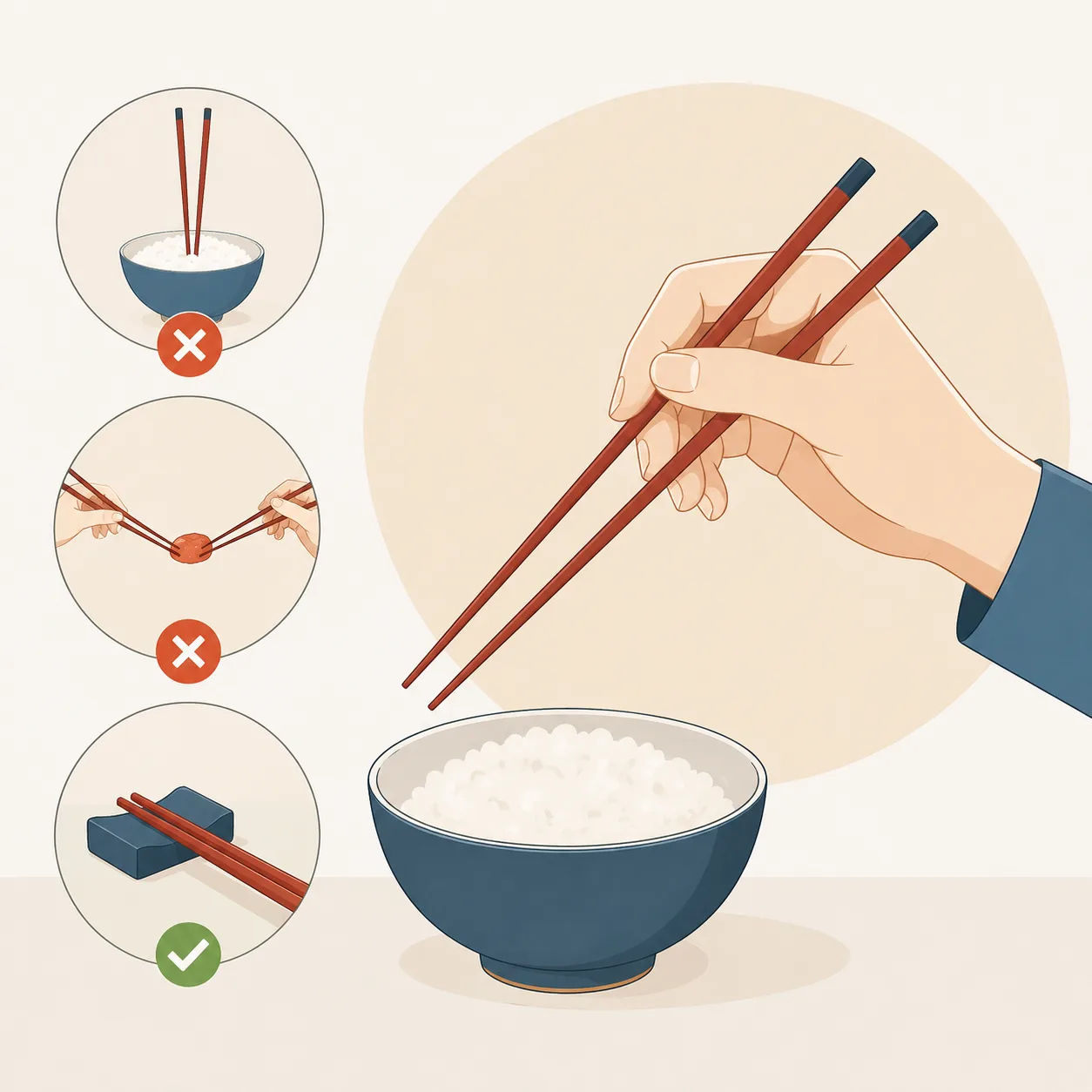
The three biggest chopstick taboos in China: never stand them upright in a bowl of rice, never tap your bowl with them, and never dig through shared dishes. Kee…
Read the guide →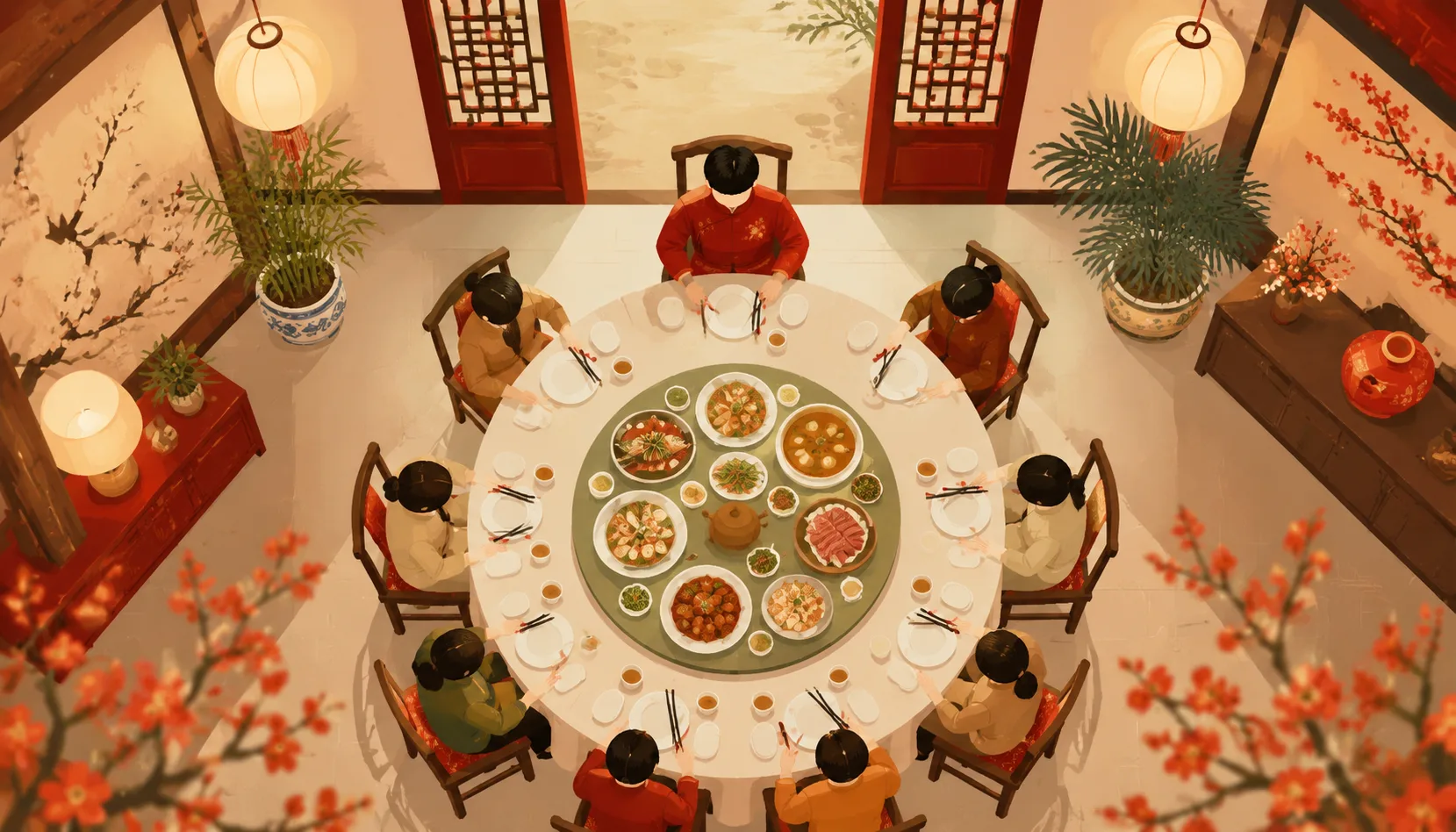
Ordering Food at a Chinese Restaurant: The Unwritten Rules
Chinese restaurant culture has specific rules foreigners often miss: seating is hierarchical (best seat faces the door), the host or senior person typically ord…
Read the guide →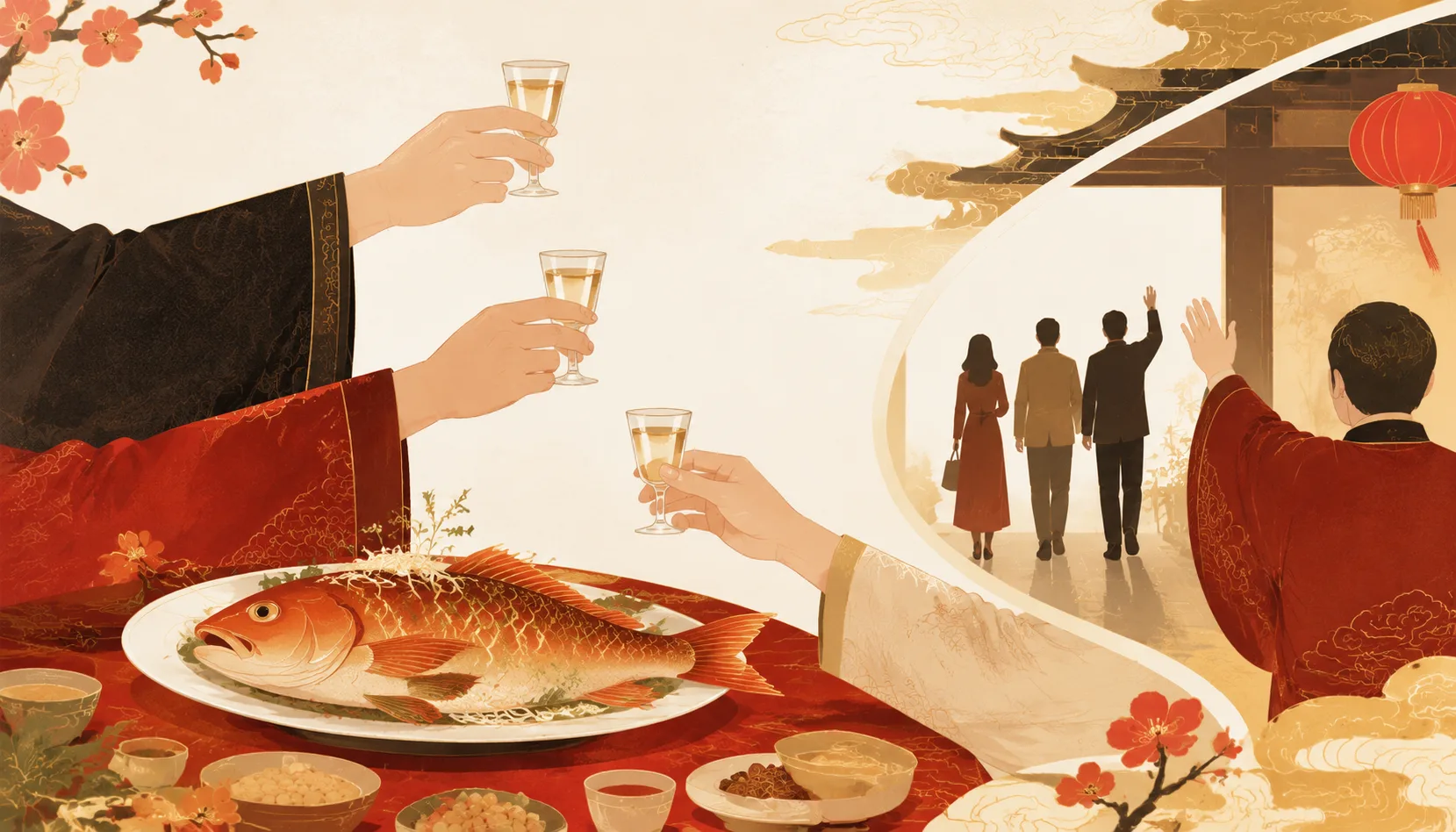
Chinese Restaurant Dining Etiquette: During and After
During a Chinese meal: wait for the host to signal the start, toast with the host before drinking, serve others before yourself, and never leave without a prope…
Read the guide →