Chinese Etiquette
Everyday manners in China — dining, chopsticks, greetings, and how to behave politely in daily situations.
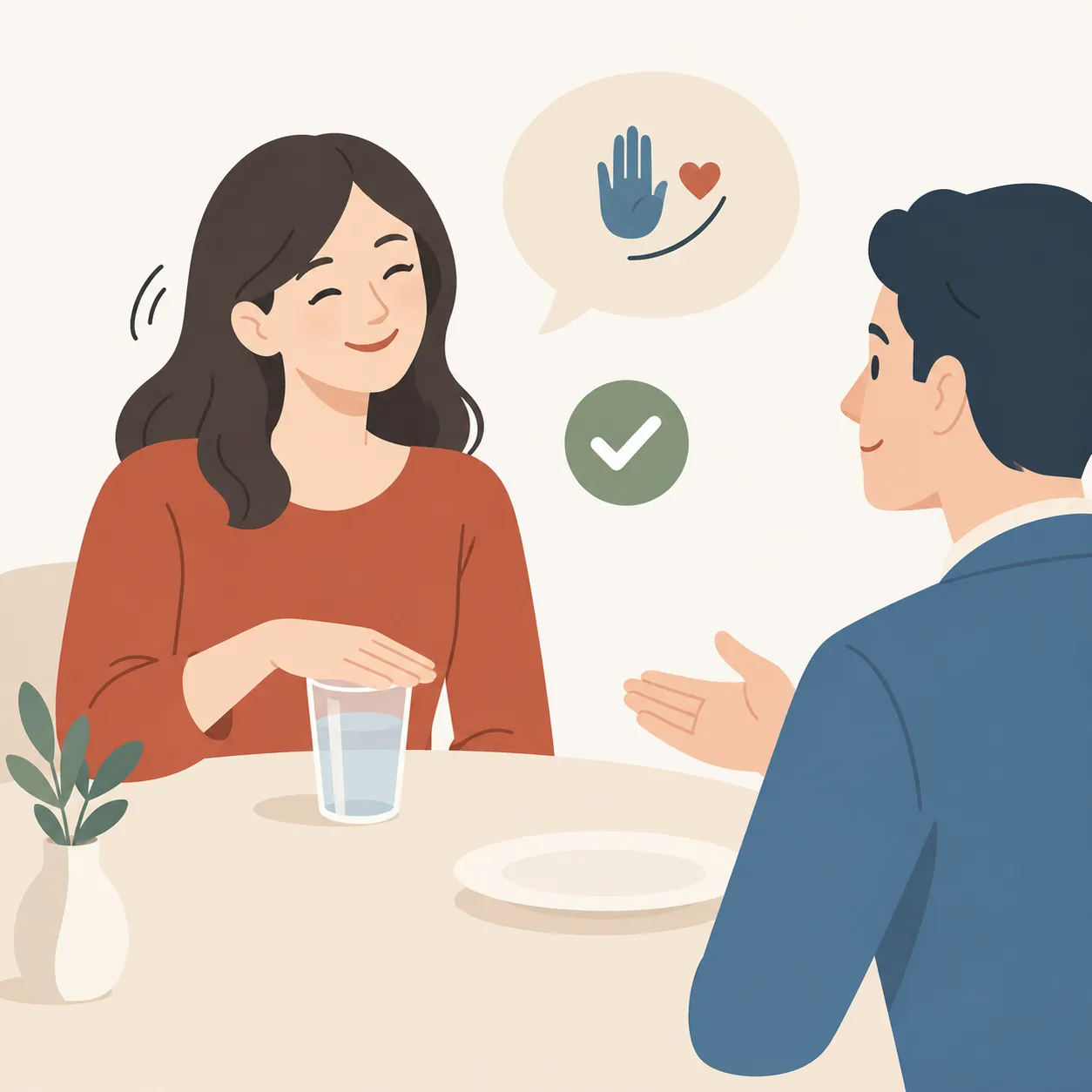
How to Decline Drinks in China: Polite Refusal Strategies
You can decline drinks at a Chinese banquet without damaging relationships — but the method matters enormously. Declare your non-drinking status before the meal…
Read the guide →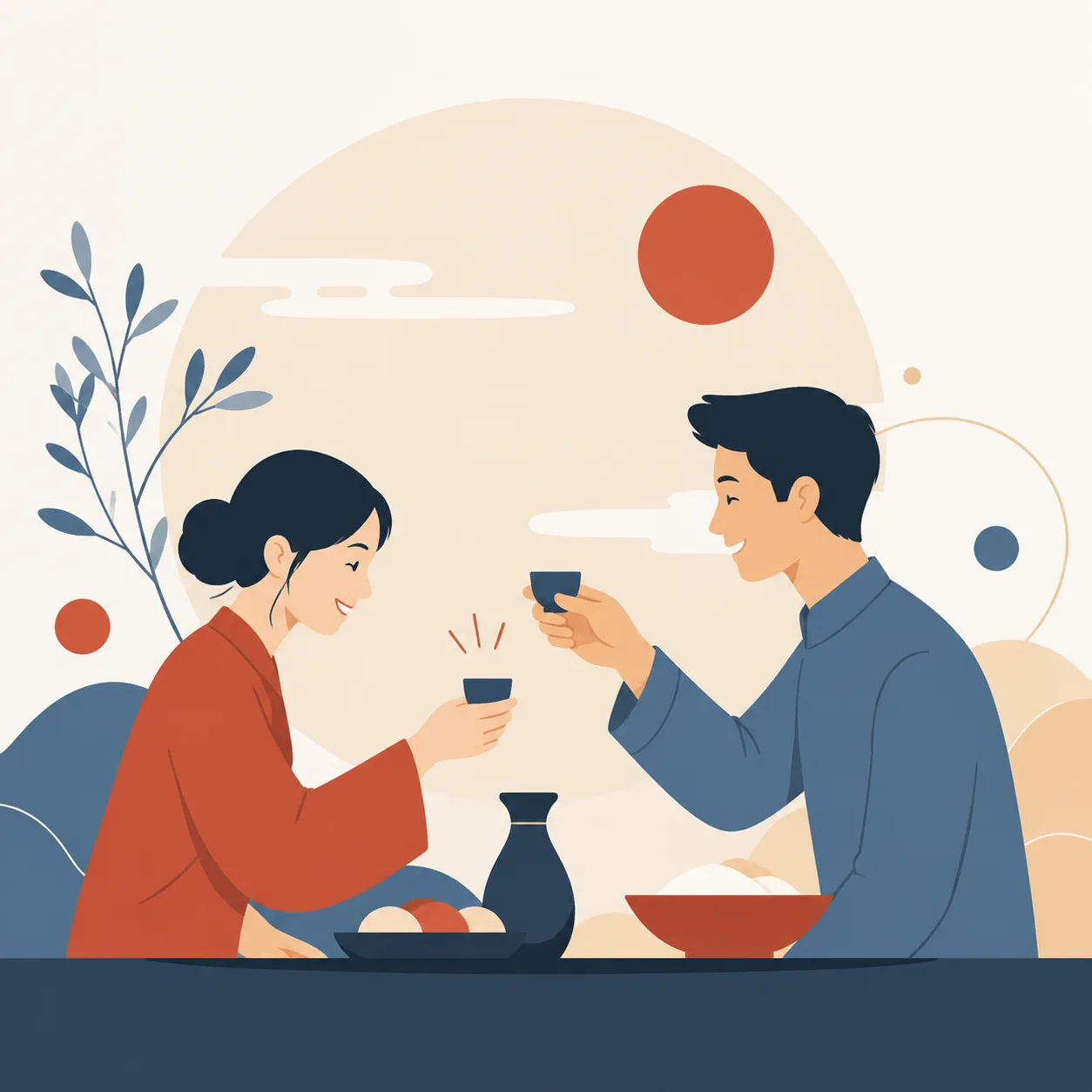
How Ganbei Works in China: Toasting Guide for Foreigners
Ganbei (干杯, gānbēi) means "empty the cup." When someone says it to you directly, finish your drink. When proposing a toast, always hold your cup lower than the …
Read the guide →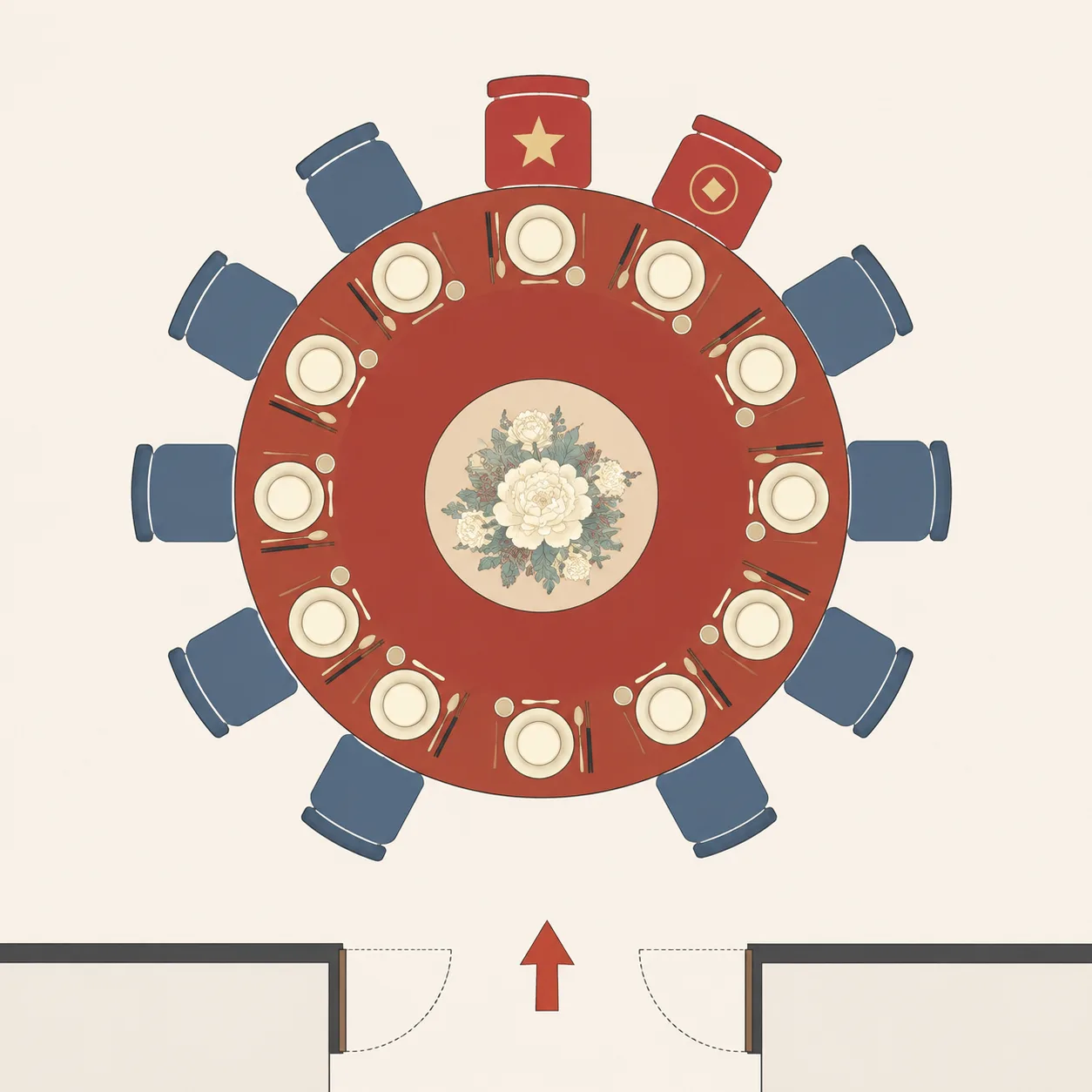
Chinese Banquet Seating: Where to Sit and What It Means
At a Chinese banquet, the seat of honor faces the door and belongs to the host or most senior person. The most important guest sits to the host's right. Everyon…
Read the guide →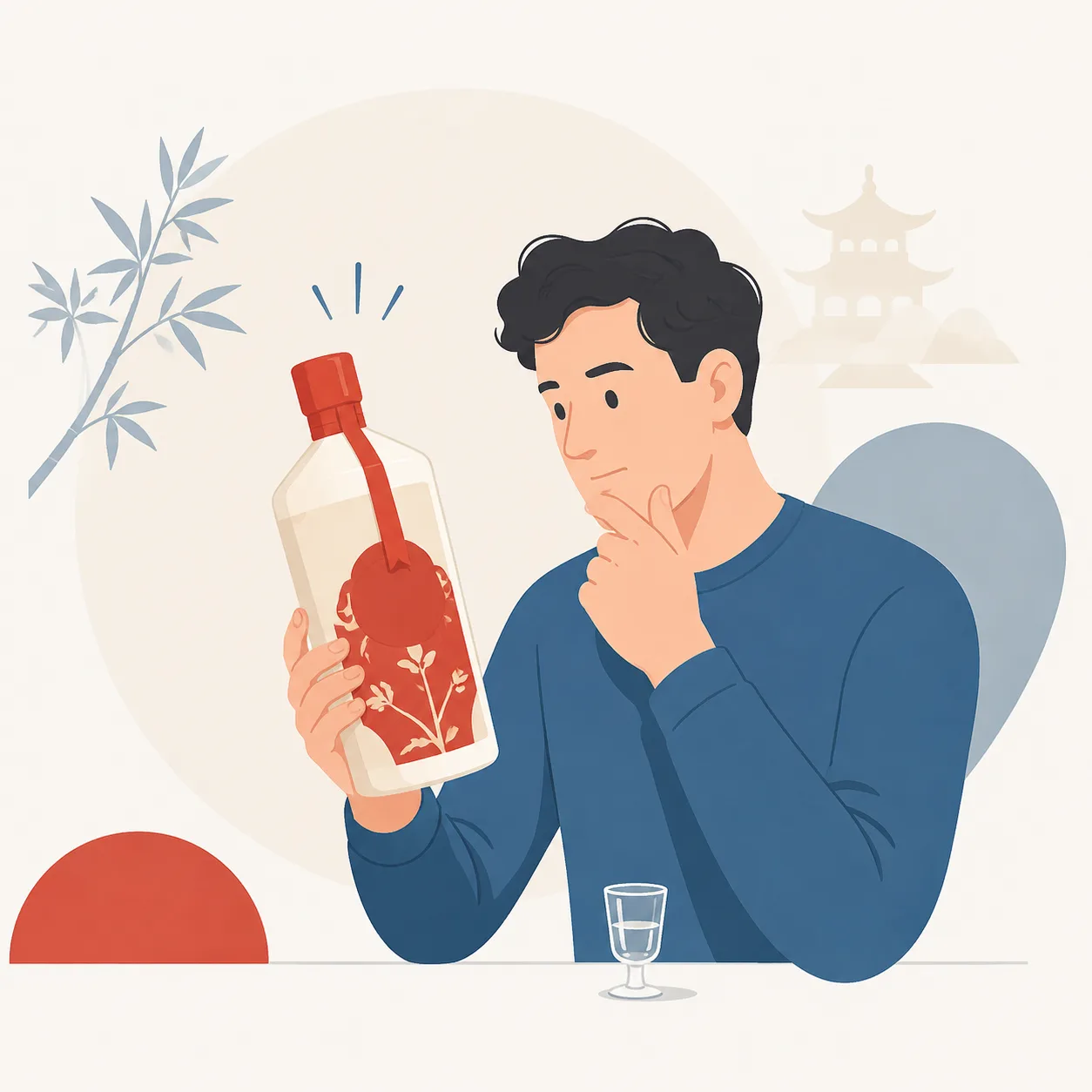
Baijiu Guide for Foreigners: What It Is and How to Drink It
Baijiu (白酒, báijiǔ) is China's national spirit — clear, 50–60% alcohol, and intensely flavored. At a formal banquet, you will very likely encounter it. The key …
Read the guide →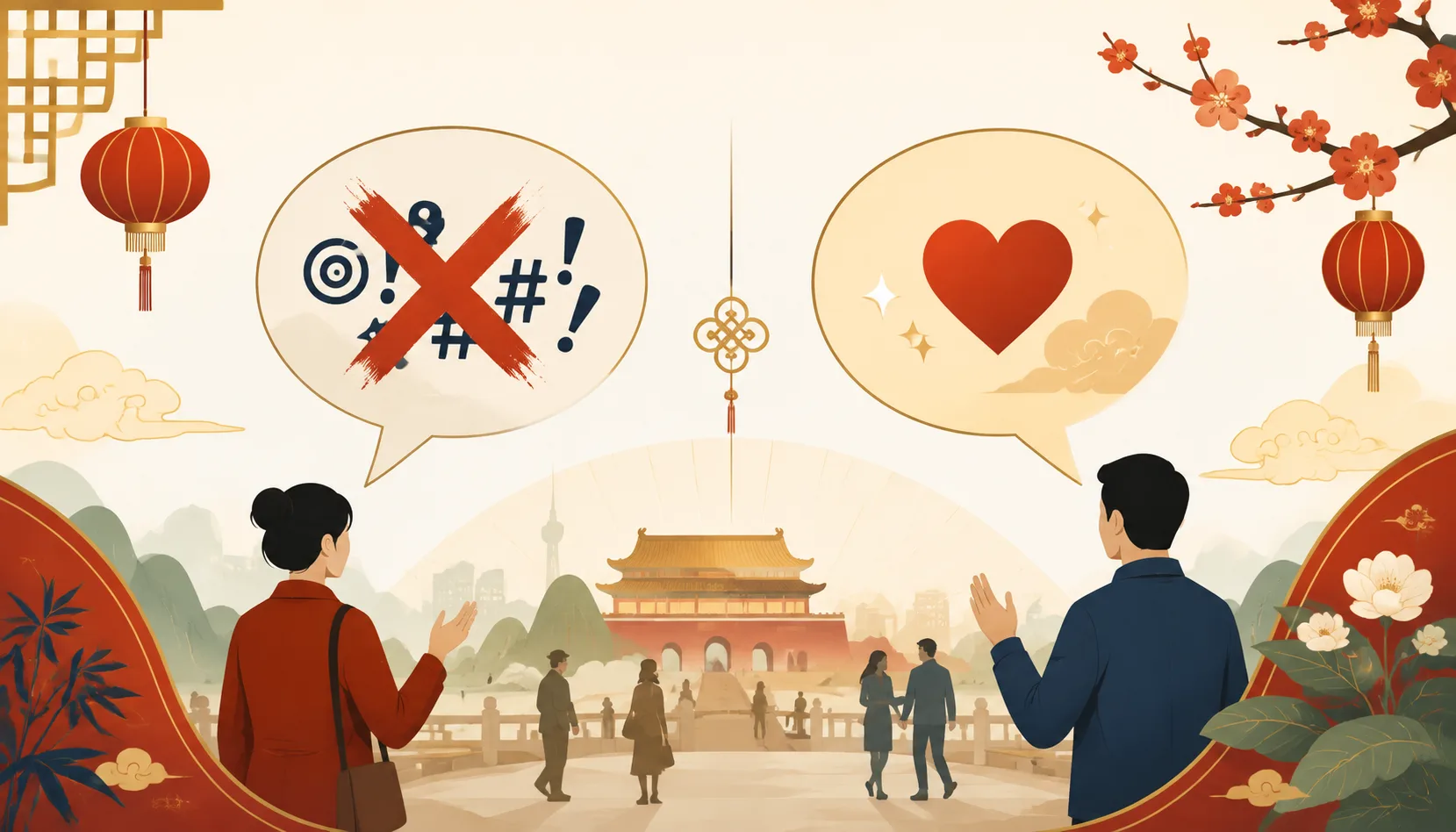
Don't Use Foul Language (粗口) in Public
Yes. Using foul language in public settings is considered vulgar and signals poor education and self-control. It can also attract unwanted attention or conflict…
Read the guide →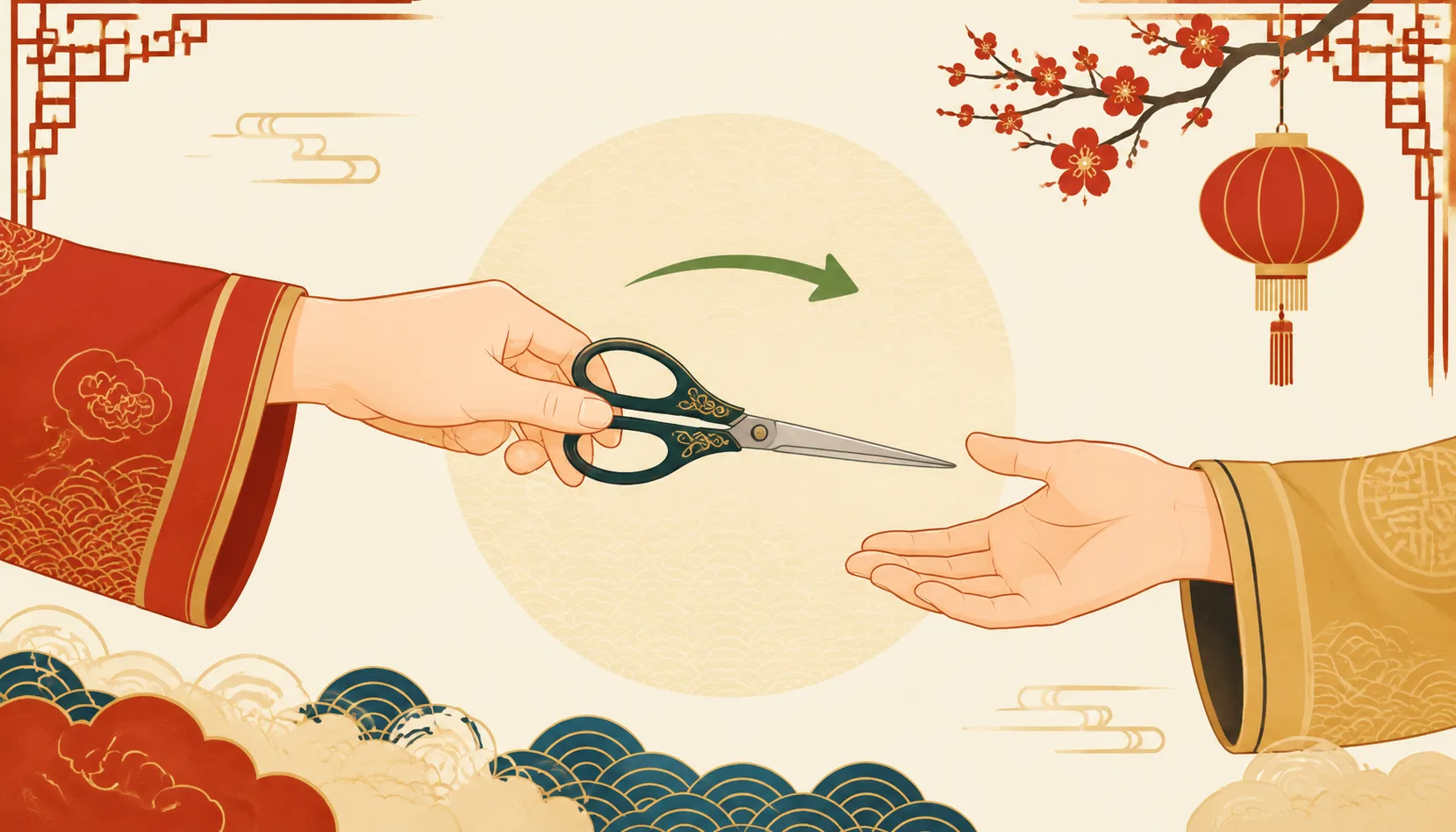
Pass Scissors and Sharp Objects With the Blade Pointing Away
Yes. When handing scissors or any sharp object to someone, point the blade or sharp end diagonally away from both you and the recipient. Only let go after they …
Read the guide →
Chinese Neighbor Etiquette: 10 Tips for Living in a Xiaoqu
Start with small, consistent gestures: a nod and '您好' in the elevator, respect quiet hours (12-2pm and after 10pm), and never return a food container empty. Ove…
Read the guide →
Don't Pick Your Nose in Public
Yes. Picking your nose in public is considered unsanitary and a sign of poor upbringing, even though it is physiologically common.
Read the guide →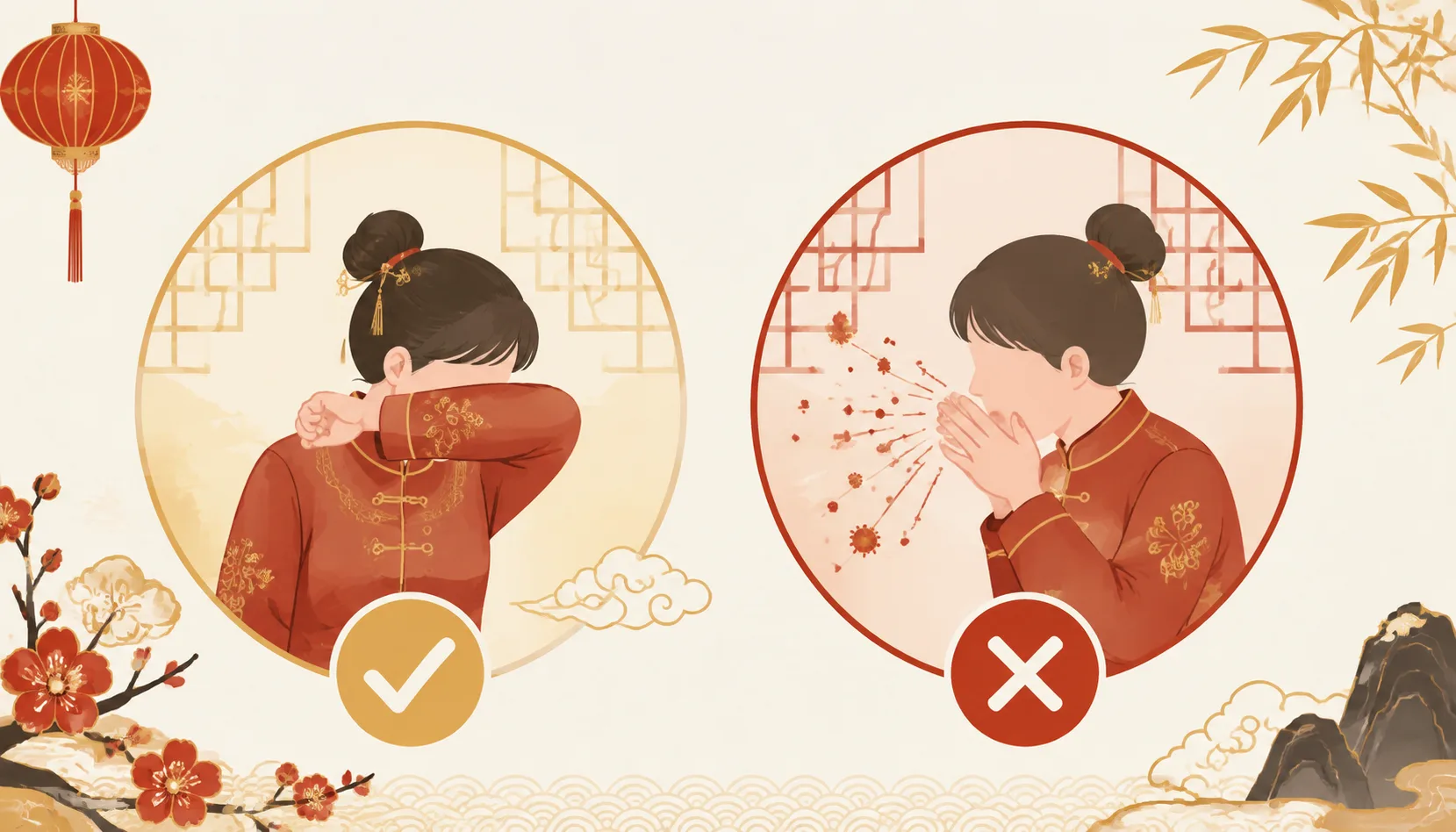
Cover Your Mouth and Turn Away When Sneezing
Cover your mouth and nose with a tissue or your inner elbow, and turn away from people. Never sneeze openly toward others.
Read the guide →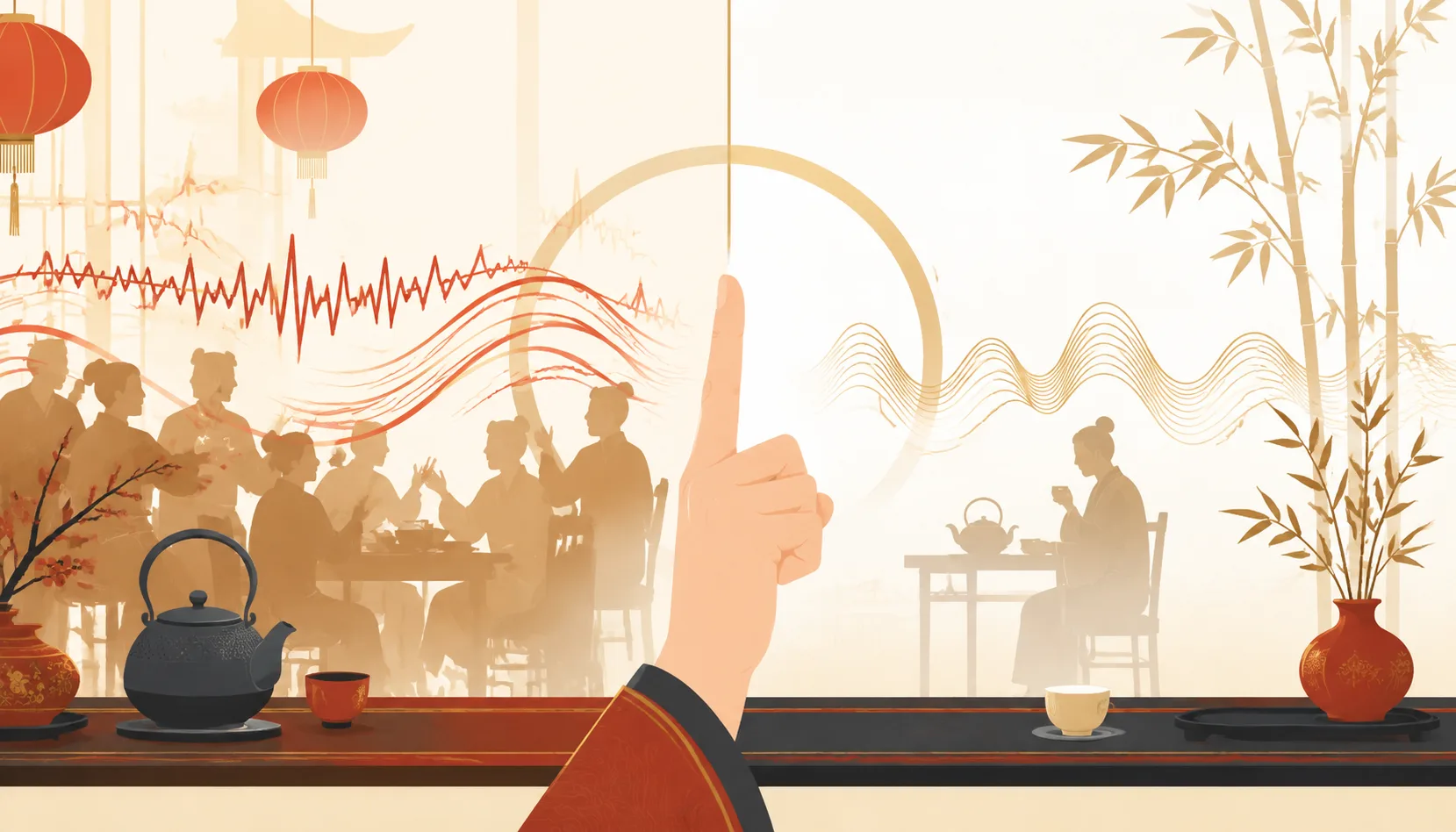
Don't Be Loud or Boisterous in Public Spaces
Yes. Talking loudly, playing music without earphones, or being generally boisterous in shared public spaces is inconsiderate and increasingly discouraged.
Read the guide →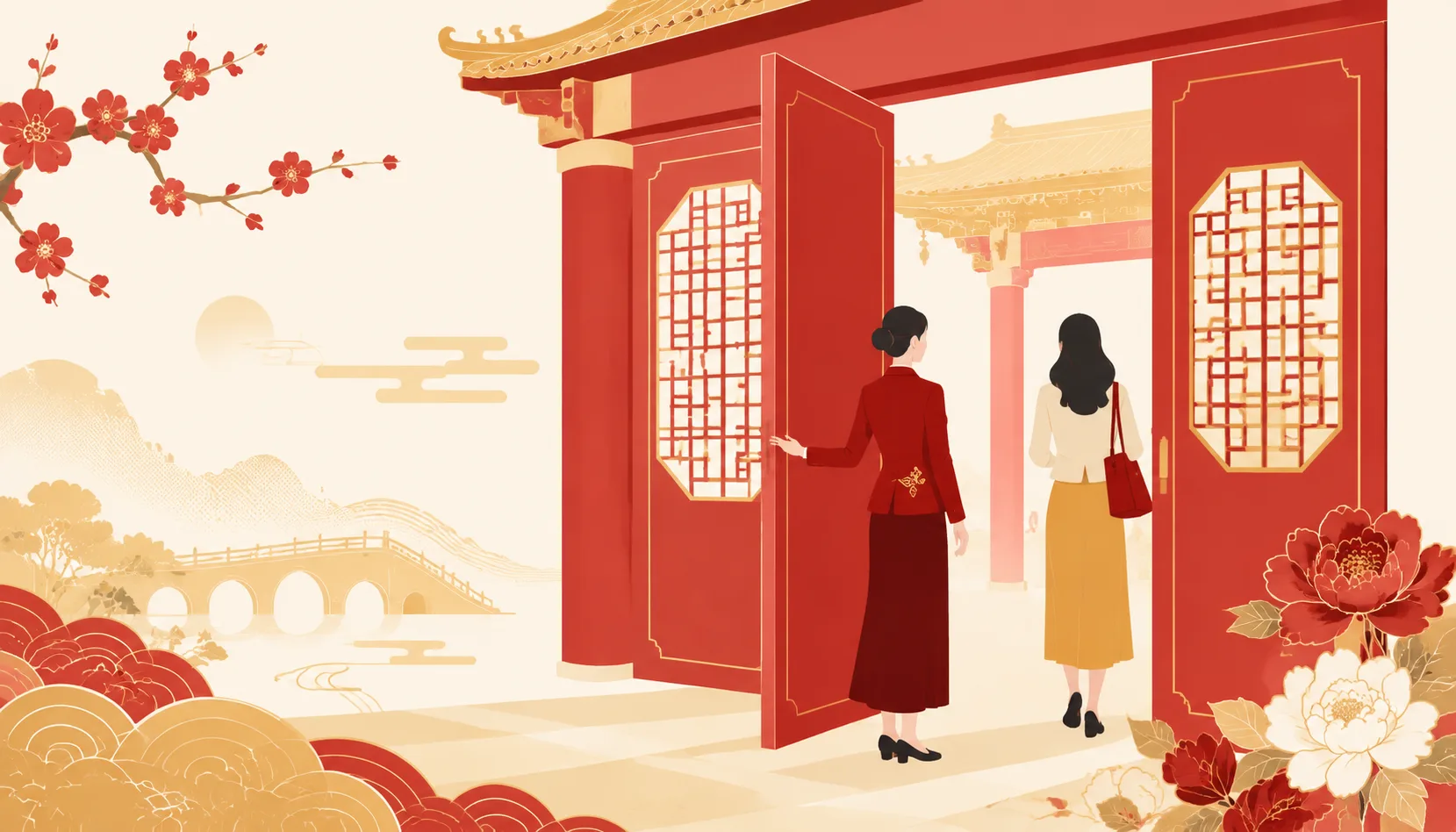
Hold the Door Open for the Person Behind You
Yes. If someone is close behind you when passing through a door, hold it open for them — especially if they are elderly, carrying something, or have difficulty …
Read the guide →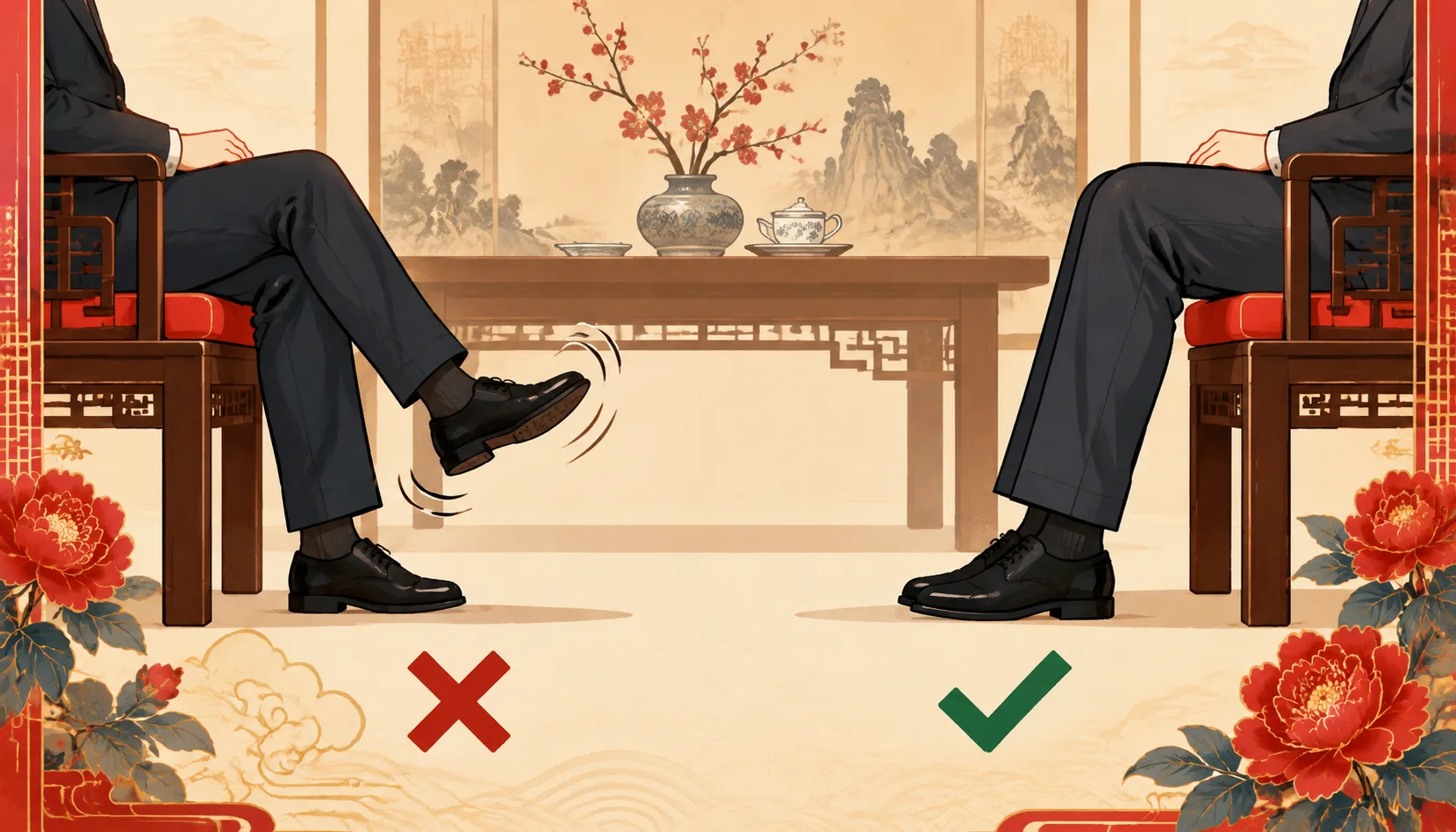
Don't Shake or Bounce Your Leg While Seated
Yes. Bouncing or shaking your leg while seated is seen as a sign of instability, bad luck, or a restless character — and is widely considered rude and distracti…
Read the guide →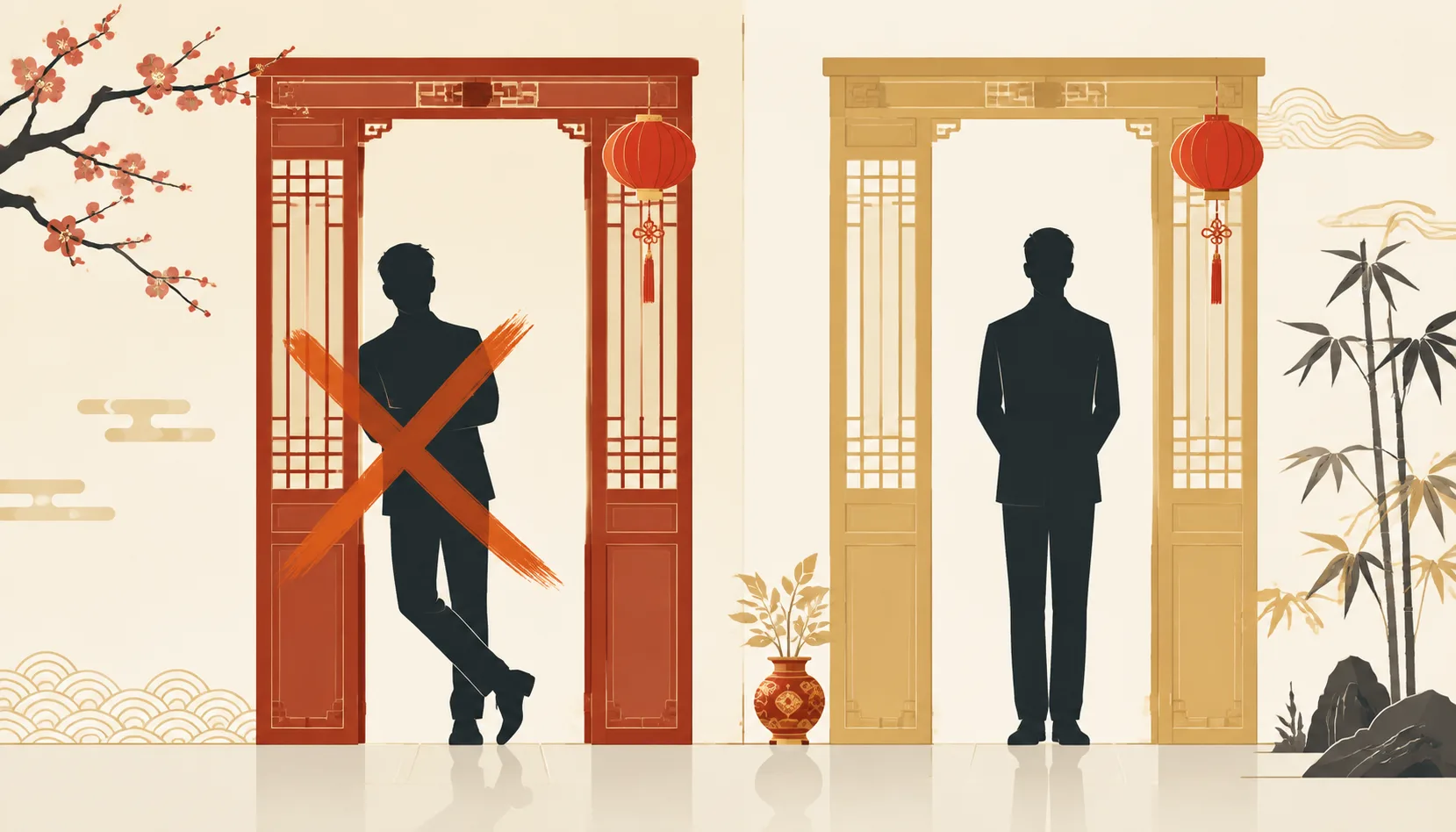
Don't Lean on or Lounge Against a Doorframe
Yes. Casually leaning on doorframes is seen as lazy, disrespectful, and carries a historic association with improper behavior.
Read the guide →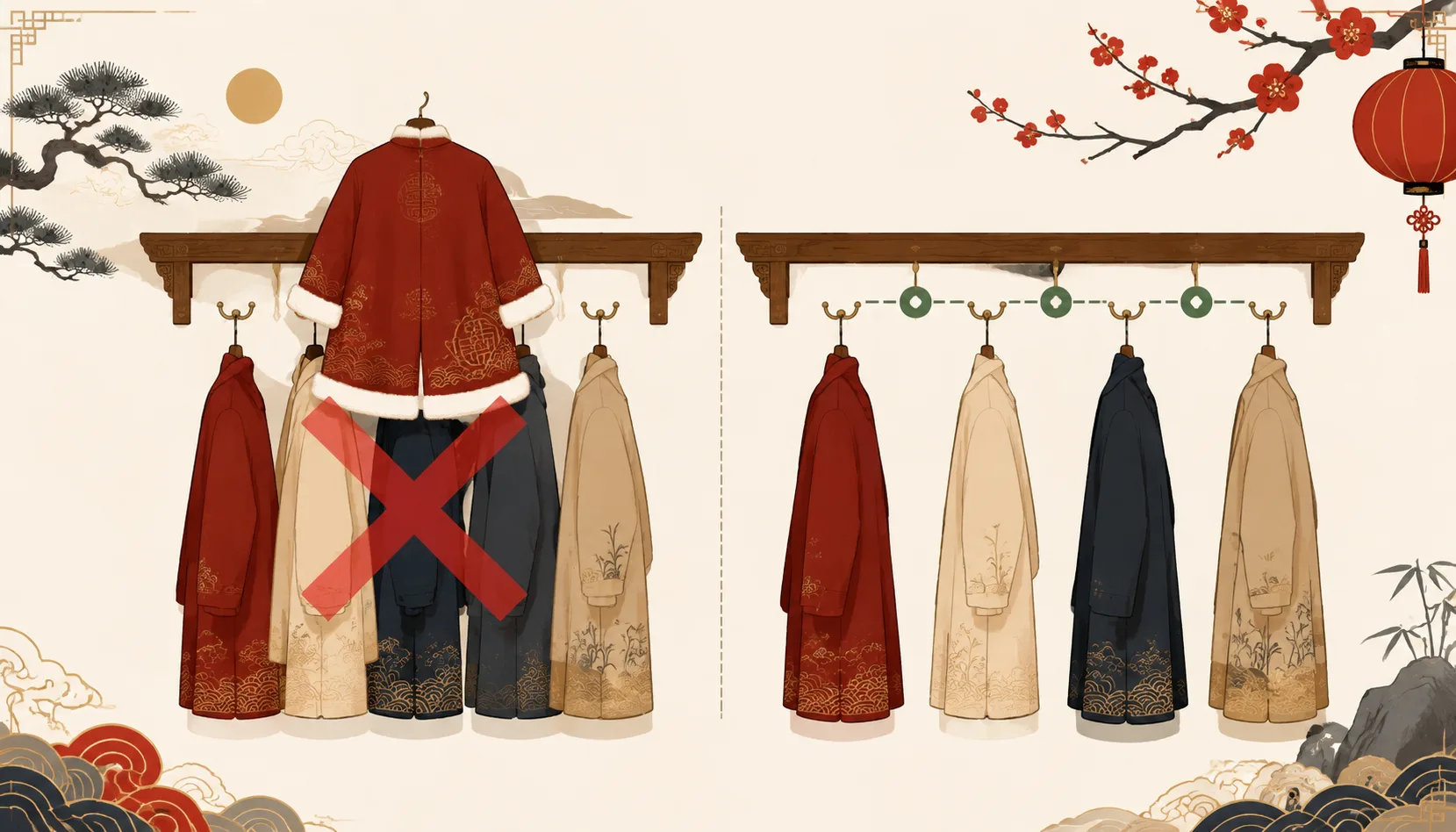
Don't Drape Your Coat or Hat on Top of Someone Else's
Avoid it. Stacking your coat or hat on top of someone else's is considered unhygienic and disrespectful of personal space.
Read the guide →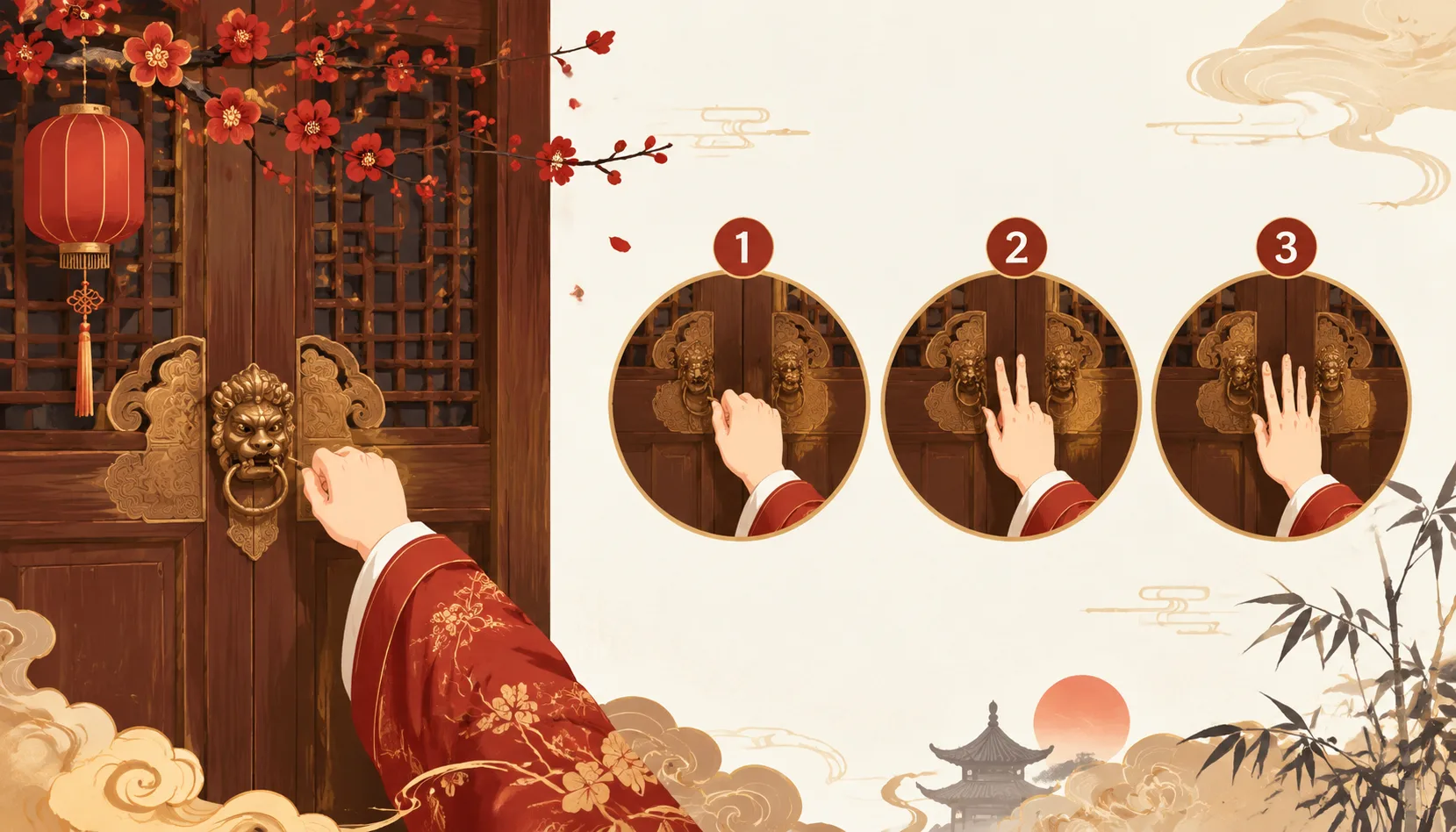
Knock on Doors Properly: Three Taps, Not Too Hard or Soft
Knock three times: the first tap light, the second and third slightly firmer. Wait after knocking. Don't pound the door or ring a doorbell repeatedly.
Read the guide →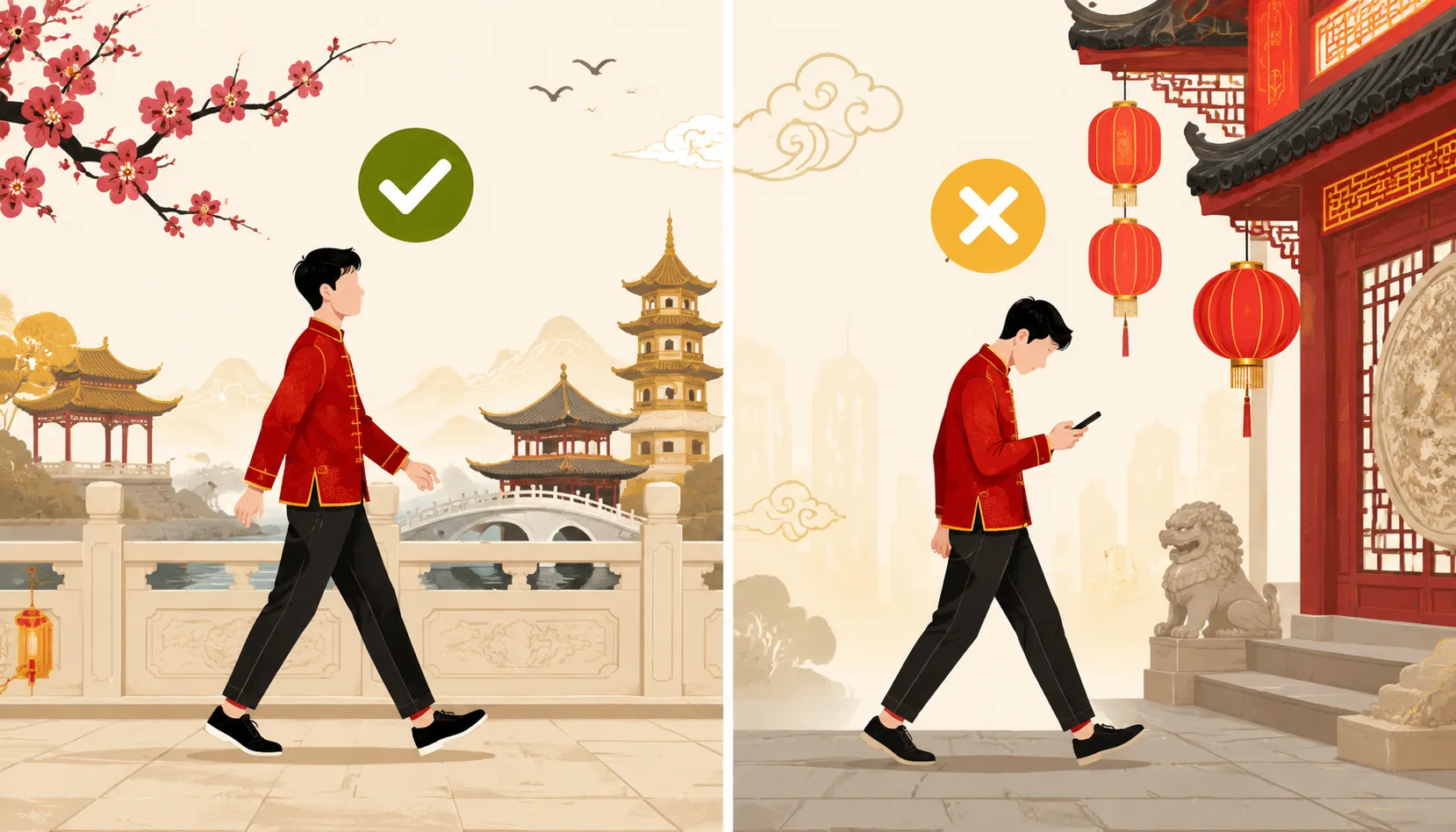
Walk With Your Head Up — Don't Be a 'Phone Zombie'
It is increasingly frowned upon. Walking with your head up, eyes forward, and at a steady pace is the culturally correct way to move through public spaces.
Read the guide →
Stand Upright — Don't Lean on Walls, Doors, or Furniture
Yes. Leaning on walls, doorframes, or furniture while standing signals laziness and poor upbringing. Stand upright with shoulders back.
Read the guide →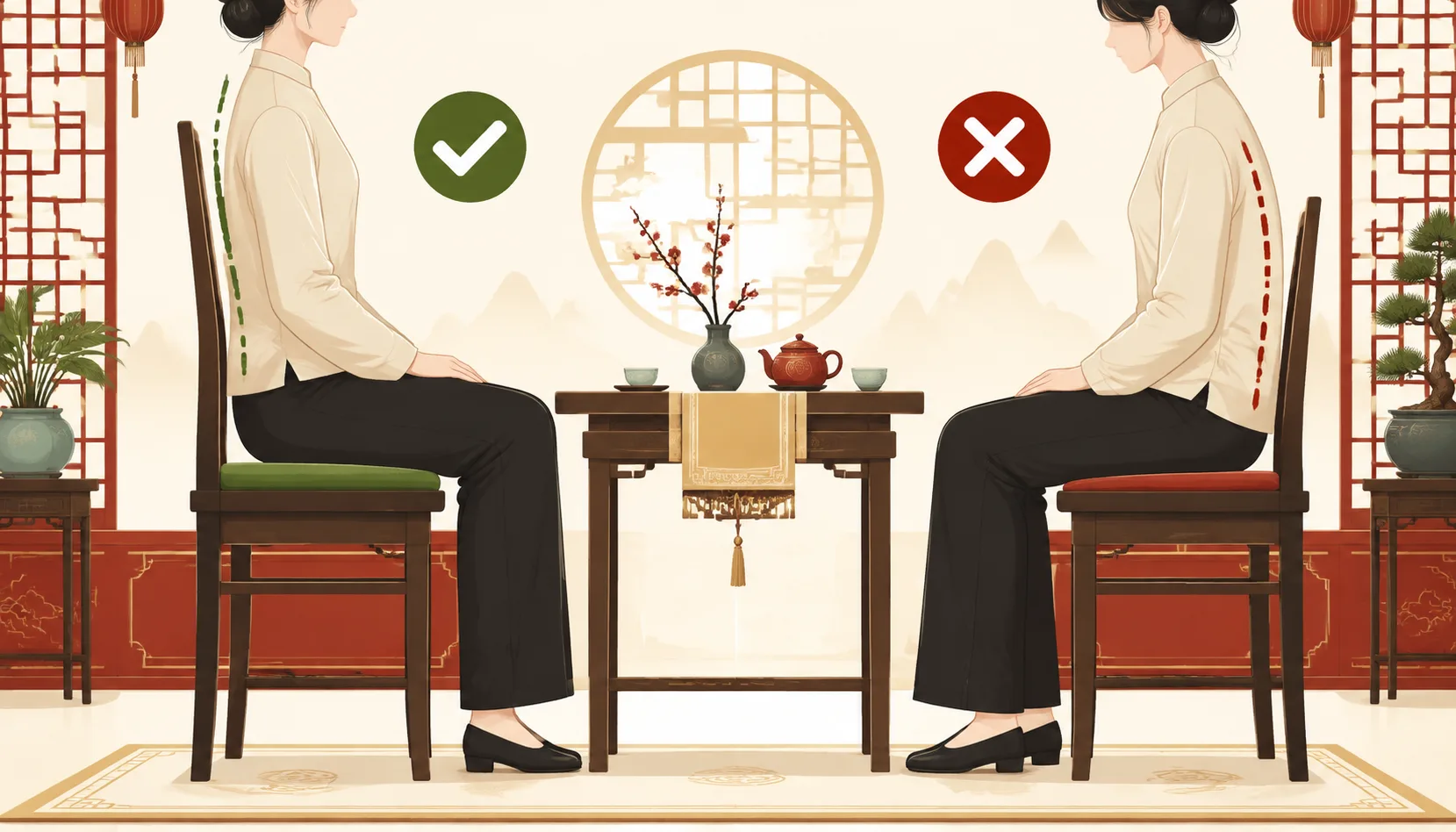
Sit With Proper Posture — Back Straight, Feet Flat
Yes. Sitting with bad posture — slouching, leaning back casually, or shaking your legs — signals laziness, disrespect, or nervousness in Chinese social settings…
Read the guide →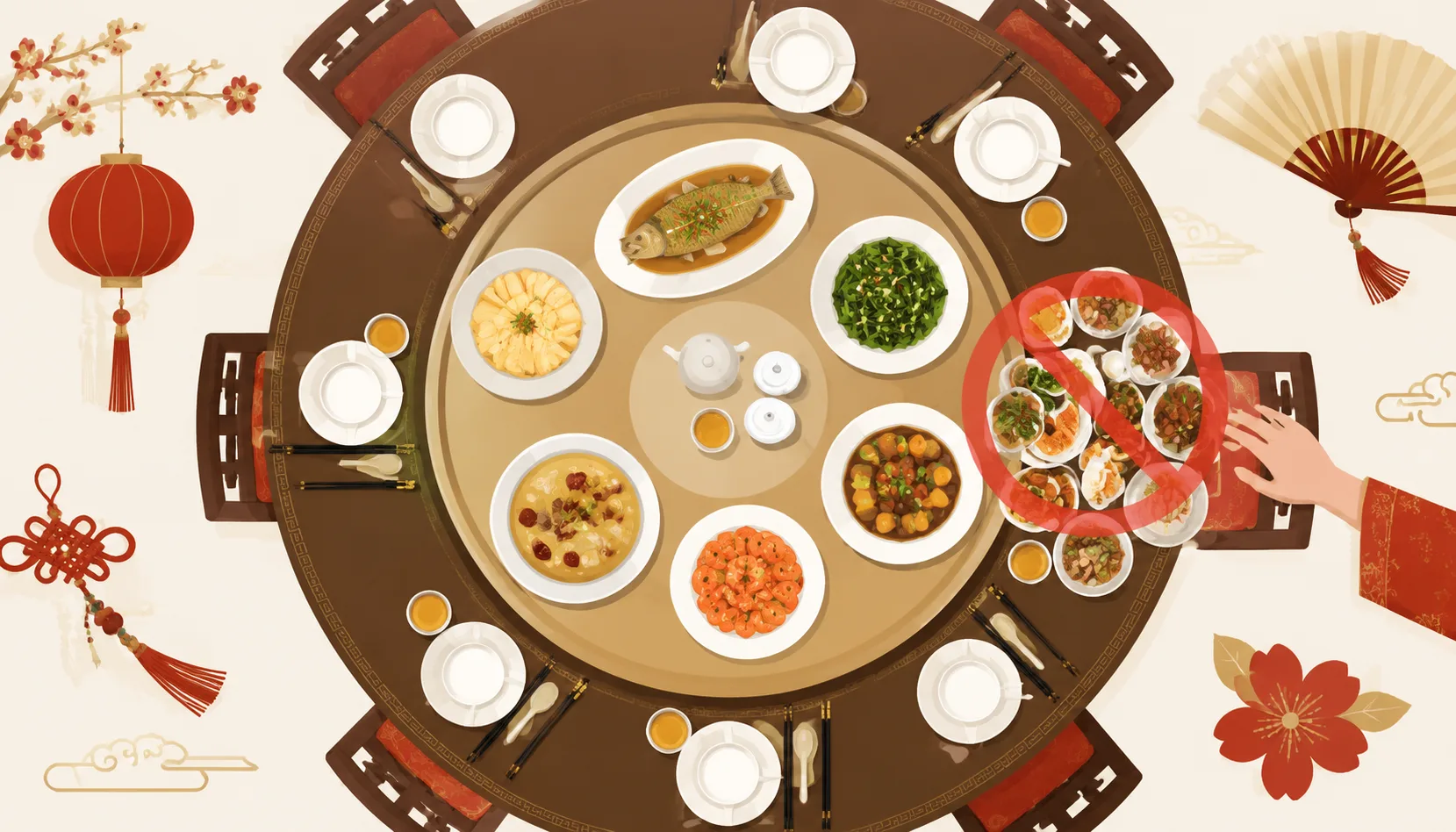
Don't Move Your Favorite Dishes Right in Front of You
Yes. Don't position shared dishes directly in front of yourself just because you like them. Place dishes where everyone can reach them.
Read the guide →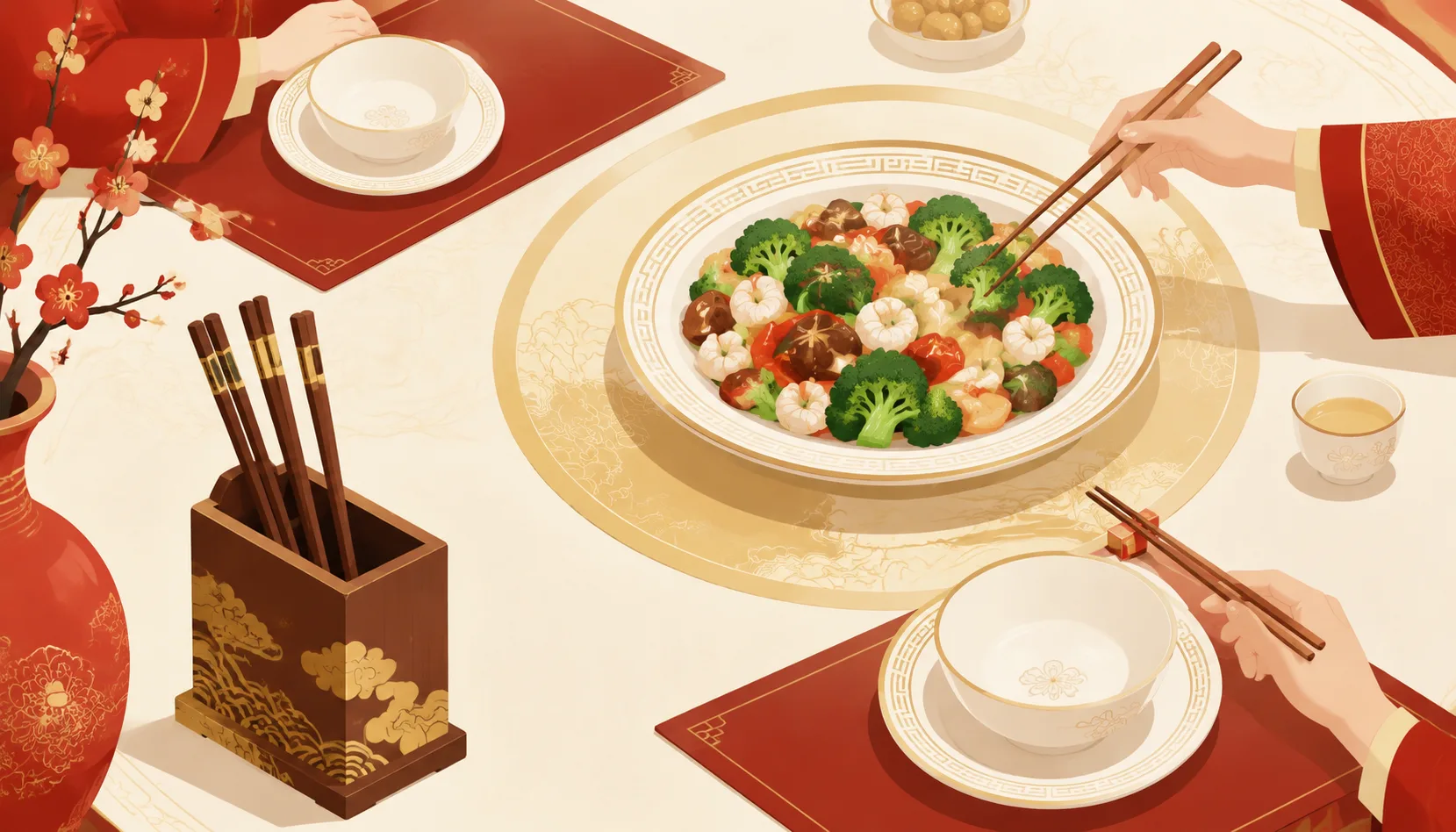
Use the Serving Chopsticks (公筷) at Formal Dinners
Yes. At formal meals, a separate pair of serving chopsticks (公筷, gōng kuài) is placed on the table for taking food from shared dishes. Never use your personal c…
Read the guide →
More Social Mistakes Foreigners Make in China (Advanced)
Beyond the obvious chopstick and shoe rules, more subtle mistakes include: assuming silence means comfortable, taking 'good, good' as feedback, using one finger…
Read the guide →
Visiting a Chinese Home: Etiquette Guide for Foreigners
Bring a small gift, arrive 5 minutes late (never early), remove shoes at the door, wait for the host to assign your seat, and let the eldest eat first. Follow t…
Read the guide →
Ancient Chinese Etiquette Rules: What Foreigners Must Know
China has thousands of years of accumulated social rules — many of them "unwritten" but universally understood. These rules cover everything from how you sit, h…
Read the guide →
Dim Sum Etiquette in China: Ordering, Tea & Server Signals
In Chinese dim sum restaurants, let the eldest or most senior person at the table pour tea and begin eating; to signal the server, simply place your chopsticks …
Read the guide →