What does it mean when a Chinese host keeps offering me more tea?
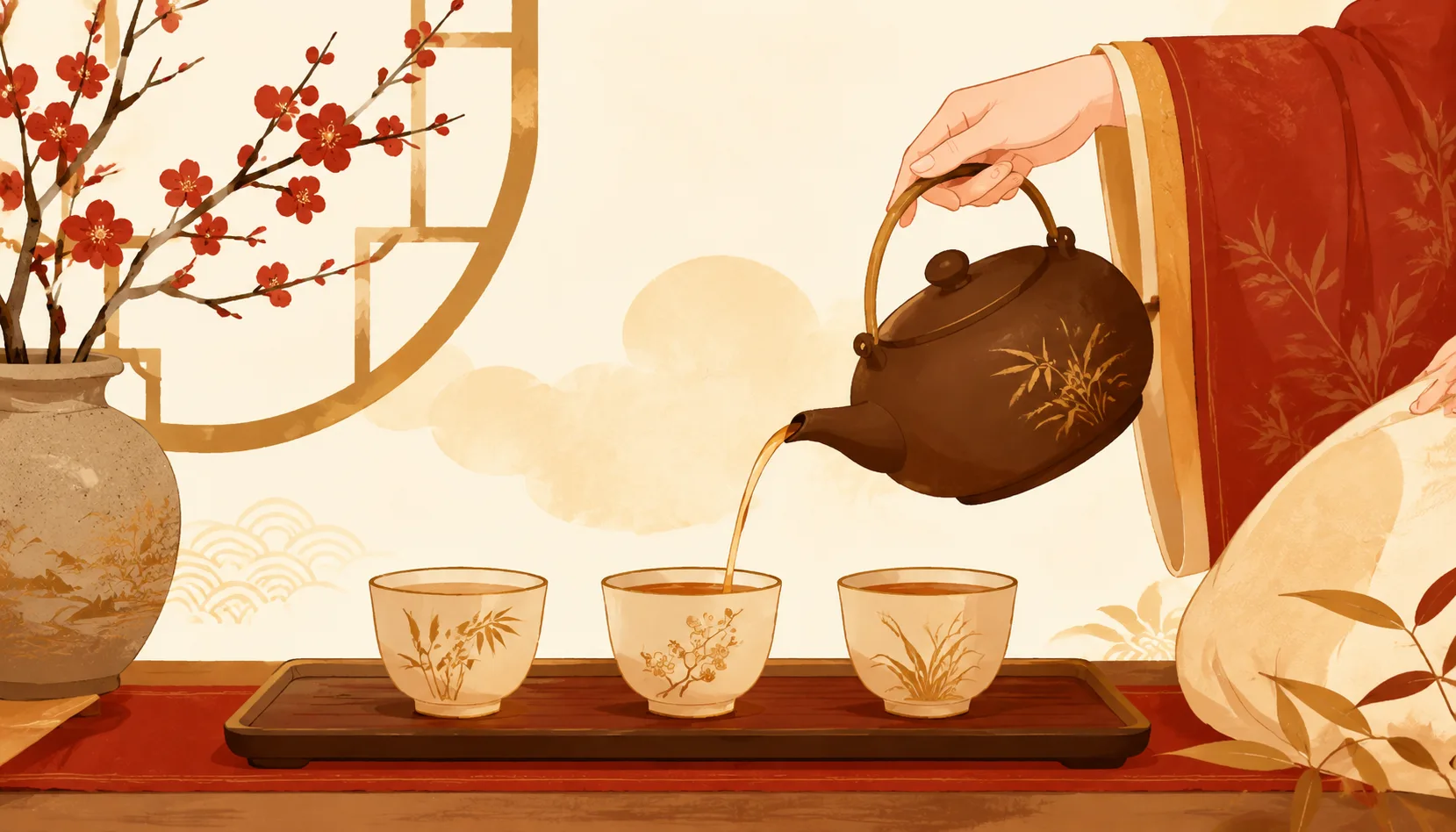
Quick answer
In traditional hospitality, three cups of tea signal the end of a visit. The first is welcome tea, the second is a refill, and the third is subtly hinting it's time to go.
Why This Rule Matters
The Chinese saying 'shàng chá bù guò sān bēi' (上茶不过三杯, no more than three cups of tea) encodes a polite way for hosts to signal the visit is wrapping up. The third cup has historically been called 'sòng kè chá' (送客茶, guest-sending tea). Culturally, Chinese hosts rarely say outright that they're busy — they signal it indirectly.
What You Should Do
- Accept the first and second cups of tea graciously
- Notice when conversation slows and tea is repeatedly offered without anything else happening
- Politely begin your farewell when you sense the third cup signal
What You Shouldn't Do
- Expect unlimited tea refills as pure hospitality
- Ignore social signals that your host may need you to leave
- Ask directly if you should go — observe and read the room
Practical Tips for Foreigners
This signal is most reliable in some formal and southern business settings. When in doubt, watch what your Chinese host or senior colleague does and follow their lead. Breaking this rule once is forgivable — breaking it repeatedly signals a lack of cultural awareness.
Regional Differences in Tea Refill Signals
The three-cup rule isn't uniform across China. In northern cities like Beijing, hosts often refill tea as a sign of warmth, and the third cup may simply mean 'keep drinking' — especially among older generations in hutong households. In contrast, southern business hubs like Guangzhou and Shenzhen follow a stricter code; three cups is a firm, polite dismissal, especially in formal corporate settings. In tea houses in Chengdu, the rule is nearly obsolete — waiters expect you to linger for hours over one pot. If you're unsure, watch the host's body language: a quick refill with no eye contact signals ending, while a slow pour with conversation signals welcome.
Real Scenarios of the Three-Cup Rule
- A British expat in Shanghai attended a supplier meeting. After the third refill, he launched into a detailed contract proposal. The host smiled, nodded, but didn't respond — the meeting was over, and the contract never materialized.
- An American teacher in Chengdu visited a student's home. The grandmother refilled his tea five times, laughing throughout. He later learned that in Sichuan, refills are pure hospitality — the rule only applies to formal visits, not casual family ones.
- A German engineer in Shenzhen was invited to a potential partner's office. After three cups, he asked for a fourth, thinking it would build rapport. The host hesitated, then called an assistant to bring a new pot — a clear sign he'd overstepped.
- An Australian consultant in Beijing was at a government banquet. An official refilled his tea exactly twice, then stopped. Noticing the pattern, the consultant wrapped up his pitch quickly — the third cup would have been a dismissal he didn't want to trigger.
What the Host Thinks but Won't Say
When a Chinese host pours that third cup, they're often thinking, 'I've been polite, but this visit has run its course.' They won't say 'please leave' — that would be rude and lose face. Instead, they rely on the tea ritual to signal closure. If you ignore it, they may feel trapped, but they'll never show it. In business, this can cost you: persisting past the third cup marks you as socially unaware, and partners may hesitate to work with you long-term. The host's silence isn't agreement; it's tolerance.
When to Politely Decline the Third Cup
If you sense the visit should end but the host pours a third cup anyway, you can decline gracefully. Simply raise your palm over the cup and say, 'Bù yòng le, xièxiè' (不用了,谢谢, no more, thanks). This signals you understand the cue and are ready to leave. Alternatively, if you genuinely need more time — say, a critical negotiation point — you can override the signal by asking a direct question: 'Kěyǐ zài tán yīxià hézuò xìjié ma?' (可以再谈一下合作细节吗?). This shows you recognize the rule but have a legitimate reason to extend. In most cases, the host will appreciate your awareness and accommodate.
What Chinese People Actually Say
- 添茶 | tiān chá | to refill tea | Hosts say this while pouring to signal extended hospitality
- 送客 | sòng kè | to see a guest off | Literal "send guest"; used when host wants you to leave
- 敬茶 | jìng chá | to offer tea respectfully | Polite phrase for serving or accepting tea in formal settings
2026 Reality Check
The three-cup tea rule is fading fast in urban China. Most younger hosts no longer use refilling as a subtle hint to leave—they'll just say it directly or check their phone.
Gen Z largely ignores this rule. They see it as passive-aggressive and prefer explicit communication. Older generations (50+) still practice it, especially in formal business settings, though even they are dropping it in casual contexts.
Beijing and Shanghai have moved on. Coffee culture and fast-paced lifestyles make the ritual less relevant. Smaller cities and rural areas hold onto it more strongly, particularly among older residents who see it as proper hospitality.
Reality check: The rule survives mainly in rural areas and among older generations. In cities, it's becoming a historical footnote.
Frequently asked questions
What does it mean when a Chinese host keeps offering me more tea?
In traditional hospitality, three cups of tea signal the end of a visit. The first is welcome tea, the second is a refill, and the third is subtly hinting it's time to go.
How can I tell if a host is being polite versus hinting I should leave?
Watch the tea refills: after the third cup, if the host does not offer more or starts clearing tea items, it's a polite signal to wrap up your visit. If they keep pouring beyond three cups, they likely enjoy your company.
Should I drink all the tea in my cup when it's refilled?
It's polite to take a few sips each time, but you don't need to empty the cup. Leaving a small amount signals you're not rushing, but if you finish and the host refills, accept it gracefully.
What should I do if I want to leave but the host keeps refilling my tea?
You can politely decline the next refill by placing your hand over the cup or saying 'thank you, I'm fine.' Then, stand up and thank the host for their hospitality, indicating you need to go.
Is the three-cup rule still common in modern China?
It's less strict today, especially among younger people, but older hosts or formal settings may still follow it. Observing the host's cues is more important than counting cups.
What if I'm the host and want to signal a guest to leave?
You can refill their tea only up to three times, then stop refilling or politely mention you have another appointment. Avoid being abrupt; the tea signal is meant to be subtle and courteous.
Try our tools
Related guides
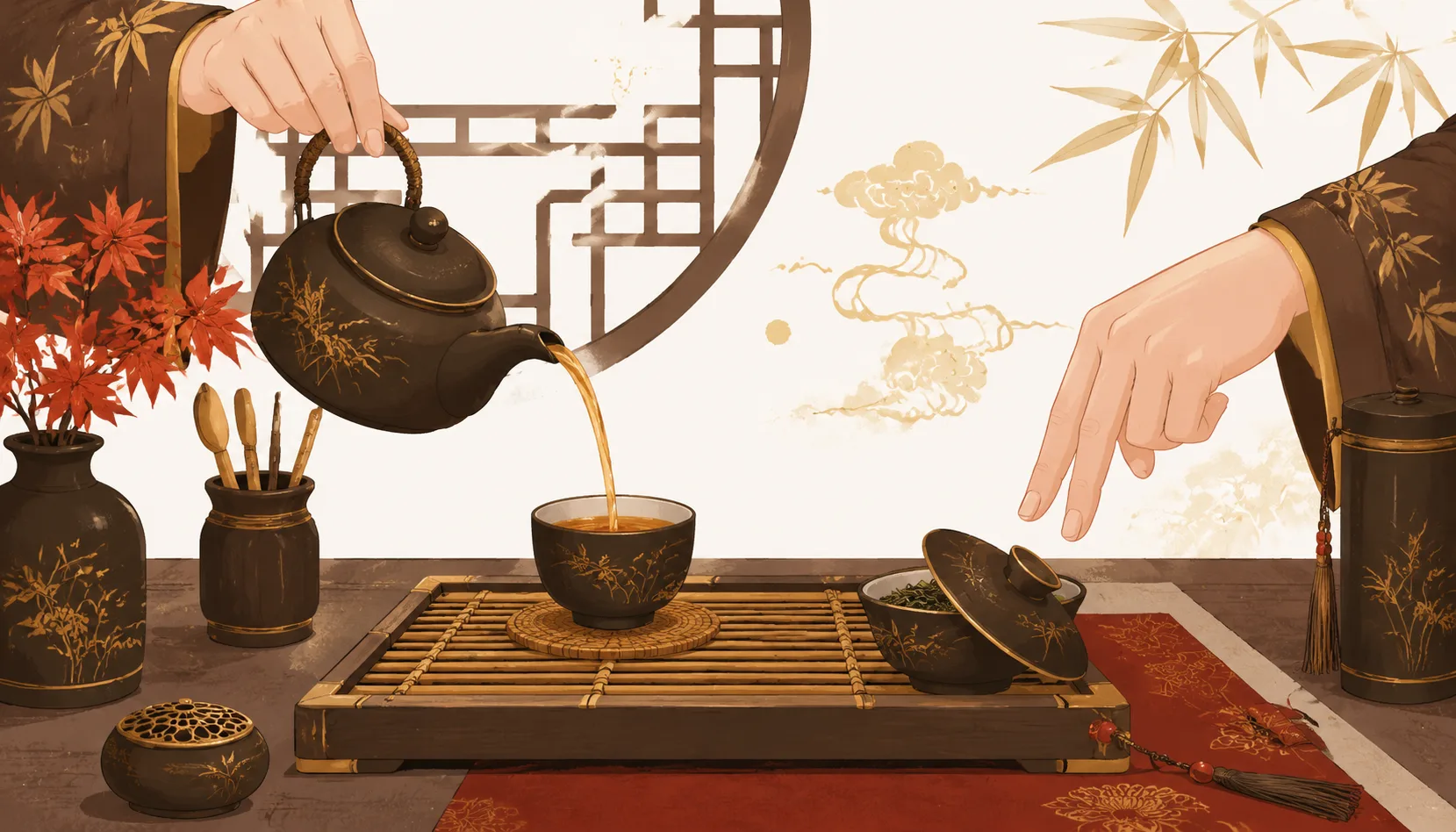
Chinese Tea Etiquette: Knuckle Tap, Pouring Rules & Signals
When someone pours your tea, tap the table with two fingers (index and middle) to say thanks. Always pour for others before yourself, and keep their cups filled…
Read the guide →
Baijiu Guide for Foreigners: What It Is and How to Drink It
Baijiu (白酒, báijiǔ) is China's national spirit — clear, 50–60% alcohol, and intensely flavored. At a formal banquet, you will very likely encounter it. The key …
Read the guide →
How Ganbei Works in China: Toasting Guide for Foreigners
Ganbei (干杯, gānbēi) means "empty the cup." When someone says it to you directly, finish your drink. When proposing a toast, always hold your cup lower than the …
Read the guide →