Why does my Chinese host change the tea leaves during my visit?
Quick answer
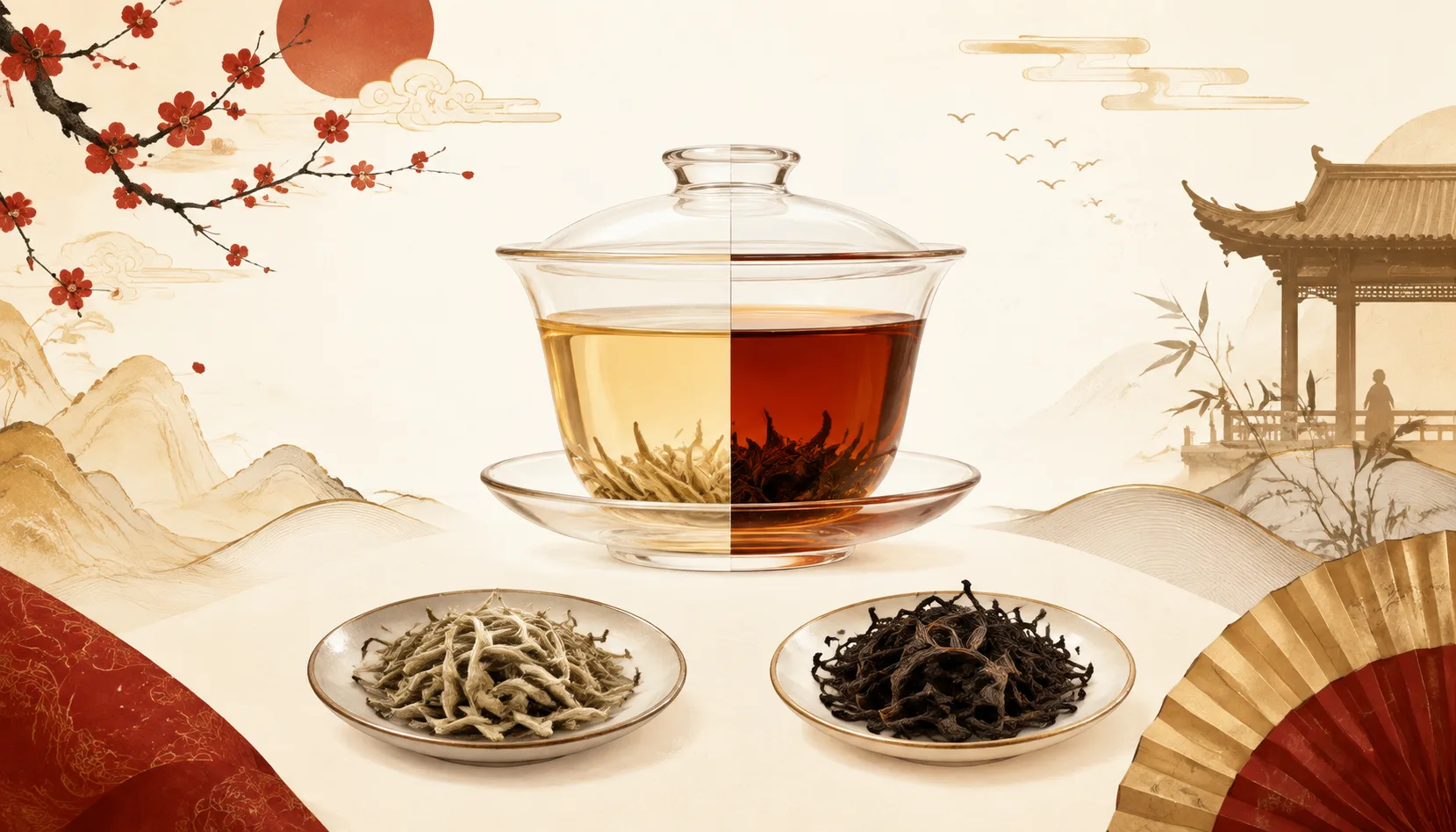
When tea becomes pale and flavorless after multiple steepings, a good host replaces the leaves. Serving colorless tea is called 'wú chásè' (无茶色) and signals indifference or neglect toward the guest.
Why This Rule Matters
The phrase '无茶色' (wú chásè, without tea color) has a double meaning: literally serving colorless tea, and figuratively being unable to 'read the room.' Serving a guest tea that has lost its color is equivalent to making them feel unwelcome.
What You Should Do
- As a host, watch your guests' cups and refresh tea leaves when the color becomes very light
- Welcome new guests with a fresh pot of tea, even if you just made a pot
- As a guest, accept fresh tea graciously when offered
What You Shouldn't Do
- Serve pale, tasteless tea to guests without offering a refill
- As a guest, refuse a fresh pot of tea when a new guest arrives (this makes you look rude)
- Comment negatively on weak tea — if it bothers you, politely accept the next cup
Practical Tips for Foreigners
This rule applies in most social and formal settings across China. When in doubt, watch what your Chinese host or senior colleague does and follow their lead. Breaking this rule once is forgivable — breaking it repeatedly signals a lack of cultural awareness.
Regional and Generational Differences
In the north—Beijing, Tianjin—older hosts still treat pale tea as a personal slight, almost like showing a guest an empty cupboard. In the south, especially Guangdong and Fujian, where gongfu tea ceremonies dominate, the rule is less rigid because the small cups are refilled constantly anyway. However, among the younger generation in first-tier cities like Shanghai or Shenzhen, many professionals don't even notice the tea color—they're more focused on the conversation. But if you're visiting a rural village in Anhui or a traditional family home in Sichuan, the old rules still carry weight. Generational friction is real: a 60-year-old uncle in Chengdu may silently judge a host who lets tea go clear, while his 25-year-old niece wouldn't think twice.
Real Scenarios: When Tea Color Fades
- At a business meeting in Hangzhou, a Canadian consultant kept sipping from his cup long after the Longjing tea had turned almost clear. His Chinese client, noticing he wasn't offered a refill, politely ended the meeting early—interpreting his silence as a lack of enthusiasm for the deal.
- During a family dinner in Chengdu, a German guest was served a fresh cup of jasmine tea. After 15 minutes, the color had faded to a pale yellow, but he continued drinking. His host, a middle-aged Sichuanese man, felt embarrassed that the guest might think the tea was cheap—so he quietly replaced the leaves, hoping to revive the conversation.
- In Shanghai, a French expat at a casual teahouse ignored the fading color of his Tieguanyin, focusing on his phone. The waitress, following local custom, didn't interrupt but later told his Chinese friend, 'He seemed bored with the tea.' The friend then explained the rule, and the Frenchman felt a wave of regret for missing a social cue.
- At a traditional tea ceremony in Xi'an, an Australian traveler noticed the liquor of his Pu-erh had turned nearly water-like. He asked the host if he should pour it out, but the host chuckled and explained that in China, when the color fades, it's a sign to change leaves—so he promptly swapped in fresh ones, turning a stiff moment into a shared laugh about cultural learning.
What Your Host Thinks
If you're the guest, you might not realize the host is watching your cup. When you notice the tea has lost color, don't sip it and make a face. Instead, take a small sip, set the cup down, and let the host offer to refresh. If they don't, it's either a busy household or a subtle signal. But as a foreigner, you'll rarely face this as a host's insult—more often, it's just a habit gap. The real friction is when you host Chinese guests and let the tea go clear. They won't say 'you're a bad host,' but they'll talk about it in the car on the way home. To them, it reads as 'you didn't prepare for me.' A simple trick: keep a thermos of hot water and a small bag of fresh leaves nearby. When in doubt, replace the leaves—it's a cheap gesture that costs you nothing but buys you immense goodwill.
What Chinese People Actually Say
- 换茶 | huàn chá | change/replace tea | Use when inviting guest to start fresh tea leaves
- 茶淡了 | chá dàn le | tea has become light/weak | Polite way to indicate tea needs replacing
- 续茶 | xù chá | refill tea | Use when adding hot water to extend tea session
2026 Reality Check
2026 Reality: This rule is fading but not dead. In formal settings—business dinners, traditional tea houses, elder gatherings—it still matters. Most hosts will top up hot water rather than replace leaves, which most guests accept as practical.
Gen Z vs Older: Younger Chinese (under 30) mostly ignore this. They see tea as a casual drink, not a ritual. If they're hosting, they'll often just refill hot water. Older generations (50+) still consider it basic hospitality—failing to change leaves can feel like serving "exhausted" tea to guests.
Beijing/Shanghai vs Smaller Cities: Tier-1 cities: largely irrelevant outside formal occasions. People are busy, apartments small, tea culture casual. Smaller cities and rural areas: more likely observed, especially among older residents who see it as respect for guests.
Frequently asked questions
Why does my Chinese host change the tea leaves during my visit?
When tea becomes pale and flavorless after multiple steepings, a good host replaces the leaves. Serving colorless tea, called 'wú chásè' (无茶色), signals indifference or neglect toward the guest.
How can I tell when the tea leaves need to be replaced?
Look at the color and taste of the tea. If it has become very light or watery, and the flavor is weak, it's time for fresh leaves.
Is it rude if my host doesn't change the tea leaves?
Yes, in traditional etiquette, leaving tea colorless is seen as a sign of not caring about the guest. However, in casual settings, it may simply be an oversight.
Should I ask my host to change the tea leaves?
It's better not to ask directly. Instead, you can politely mention that the tea is still good, or wait for the host to notice. A thoughtful host will proactively change it.
What does 'wú chásè' mean and why is it important?
'Wú chásè' (无茶色) literally means 'no tea color' and refers to serving pale, weak tea. It's considered impolite because it implies the host is not giving proper attention to the guest.
Can I offer to help change the tea leaves myself?
Yes, you can politely offer, but it's more common to let the host handle it. If you do offer, say something like 'Let me help you with the tea' to show respect and appreciation.
Try our tools
Related guides
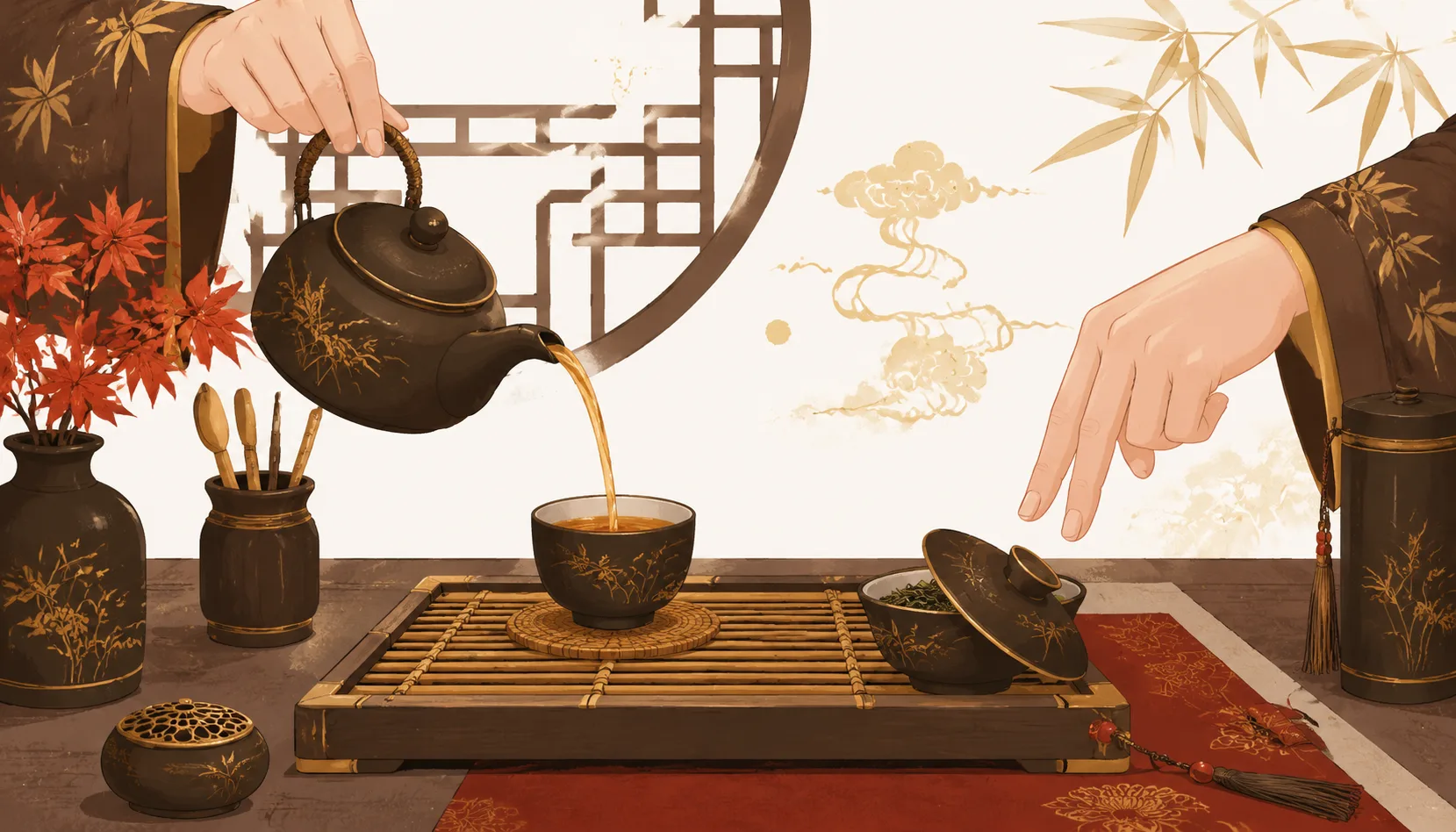
Chinese Tea Etiquette: Knuckle Tap, Pouring Rules & Business Signals
When someone pours your tea, tap the table with two fingers (index and middle) to say thanks. Always pour for others before yourself, and keep their cups filled…
Read the guide →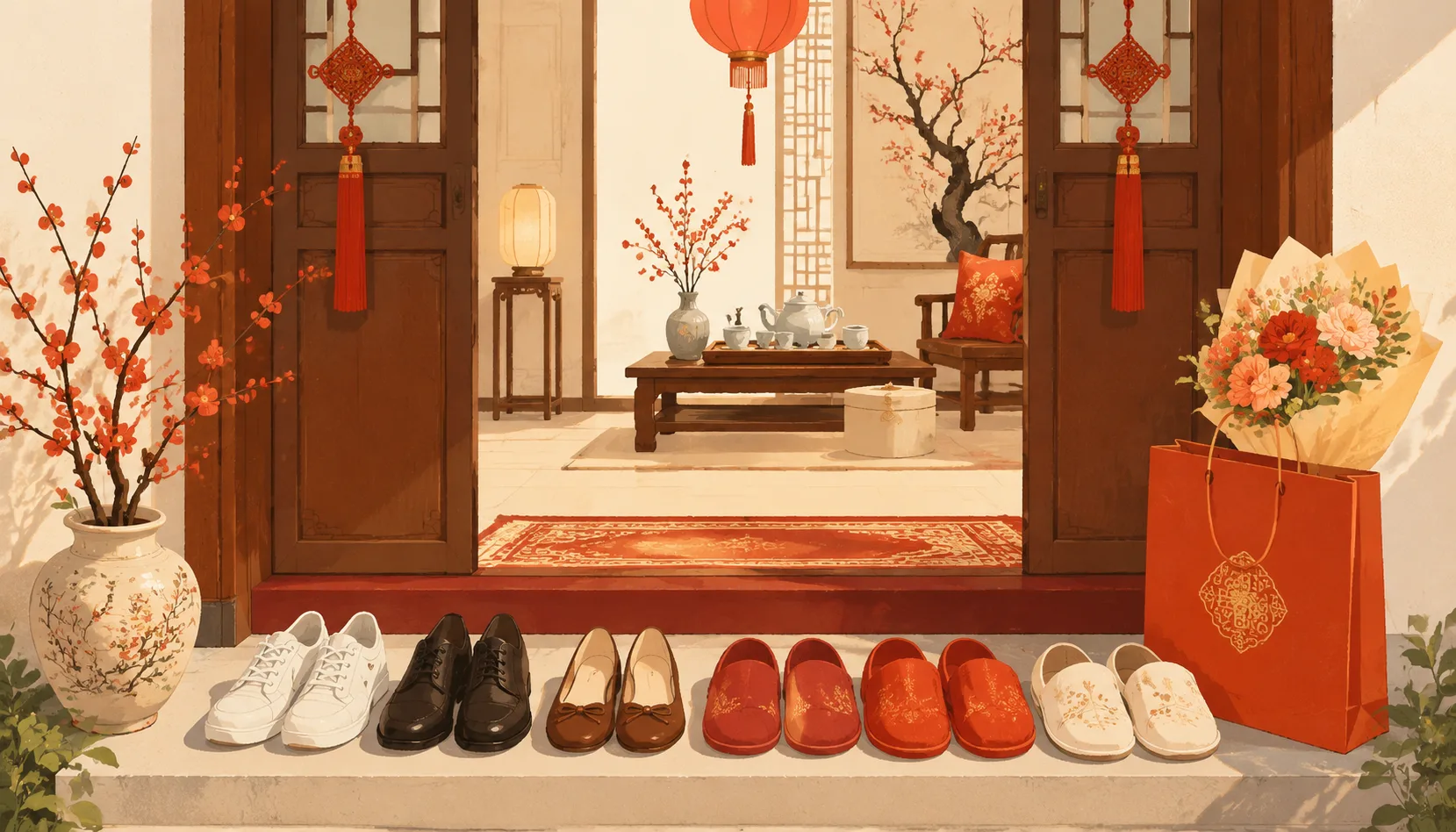
Visiting a Chinese Home: Complete Etiquette Guide for Foreigners
Bring a small gift, arrive 5 minutes late (never early), remove shoes at the door, wait for the host to assign your seat, and let the eldest eat first. Follow t…
Read the guide →
Chinese Phrases for Visiting Someone's Home: Essential Scripts with Pinyin
Key phrases: 打扰了 (dǎ rǎo le) = "Thank you for having me," 一点心意 (yī diǎn xīn yì) = "Just a small token," 请留步 (qǐng liú bù) = "Please don't walk me further out." …
Read the guide →