Business in China
Chinese business culture — meetings, hierarchy, banquets, and building relationships. (Guides coming as we verify sources.)
When '好' (Hǎo) Doesn't Mean Yes: Understanding Chinese Acknowledgment vs. Commitment
In China, "好" often signals polite acknowledgment, not a firm yes—it means "I heard you," not "I agree." This reflects cultural harmony and avoiding direct refu…
Read the guide →
Guanxi Is Not Networking: Why Transactional Thinking Kills Chinese Relationships
Guanxi isn’t a transaction—it’s a long-term trust deposit that compounds, unlike Western networking’s immediate quid pro quo. Expect months of meals and small f…
Read the guide →
Why Chinese Business Dinners Are Actually Trust Tests (Not Just Meals)
Chinese business dinners are less about food and more about gauging your character—hosts observe your manners, respect, and patience as signals of trustworthine…
Read the guide →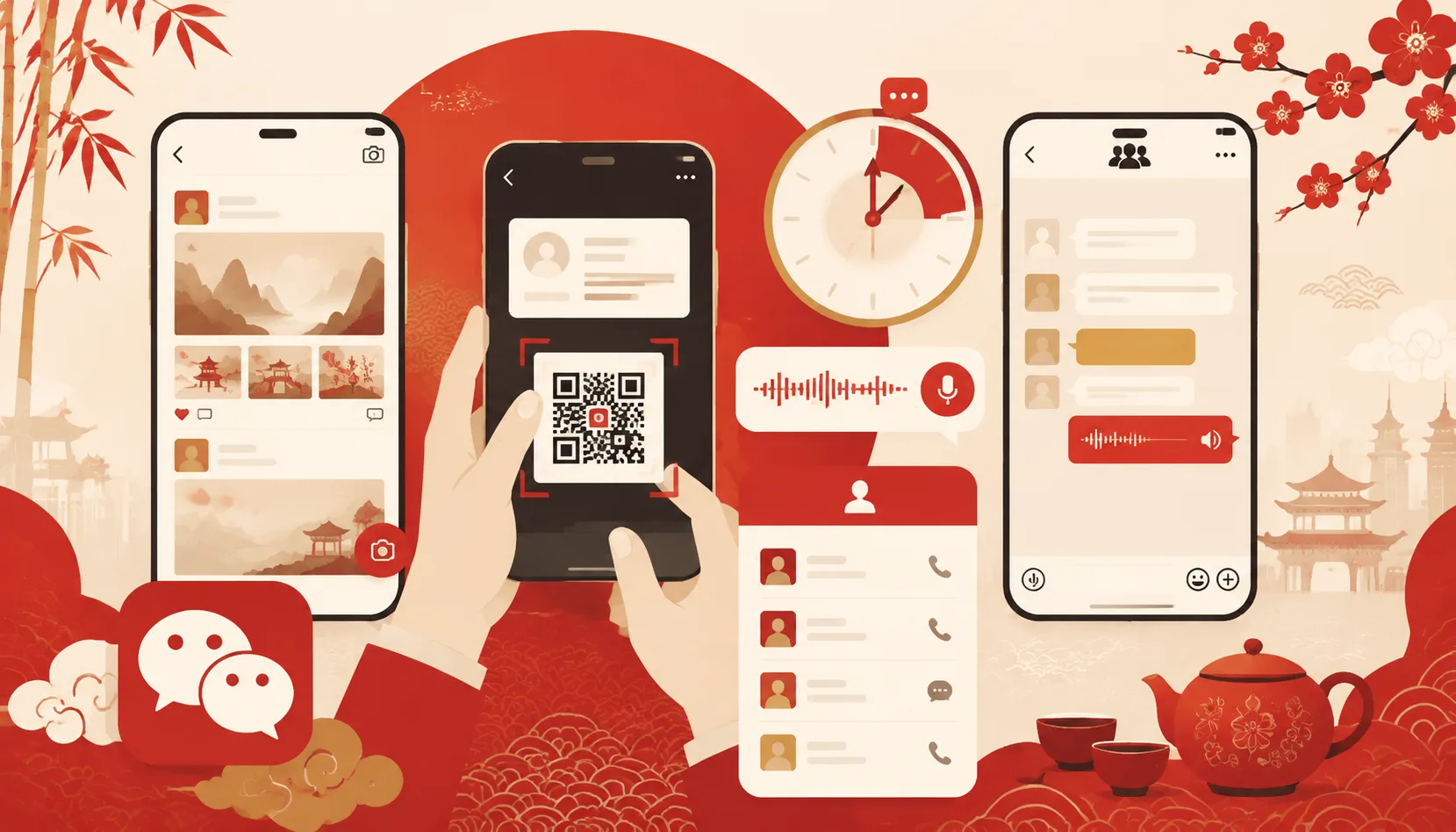
WeChat Business Etiquette in China: 10 Unwritten Rules You Must Know
Treat WeChat as your professional lifeline: respond within hours during business time, keep your Moments (朋友圈) professional yet personal, use group chats to sho…
Read the guide →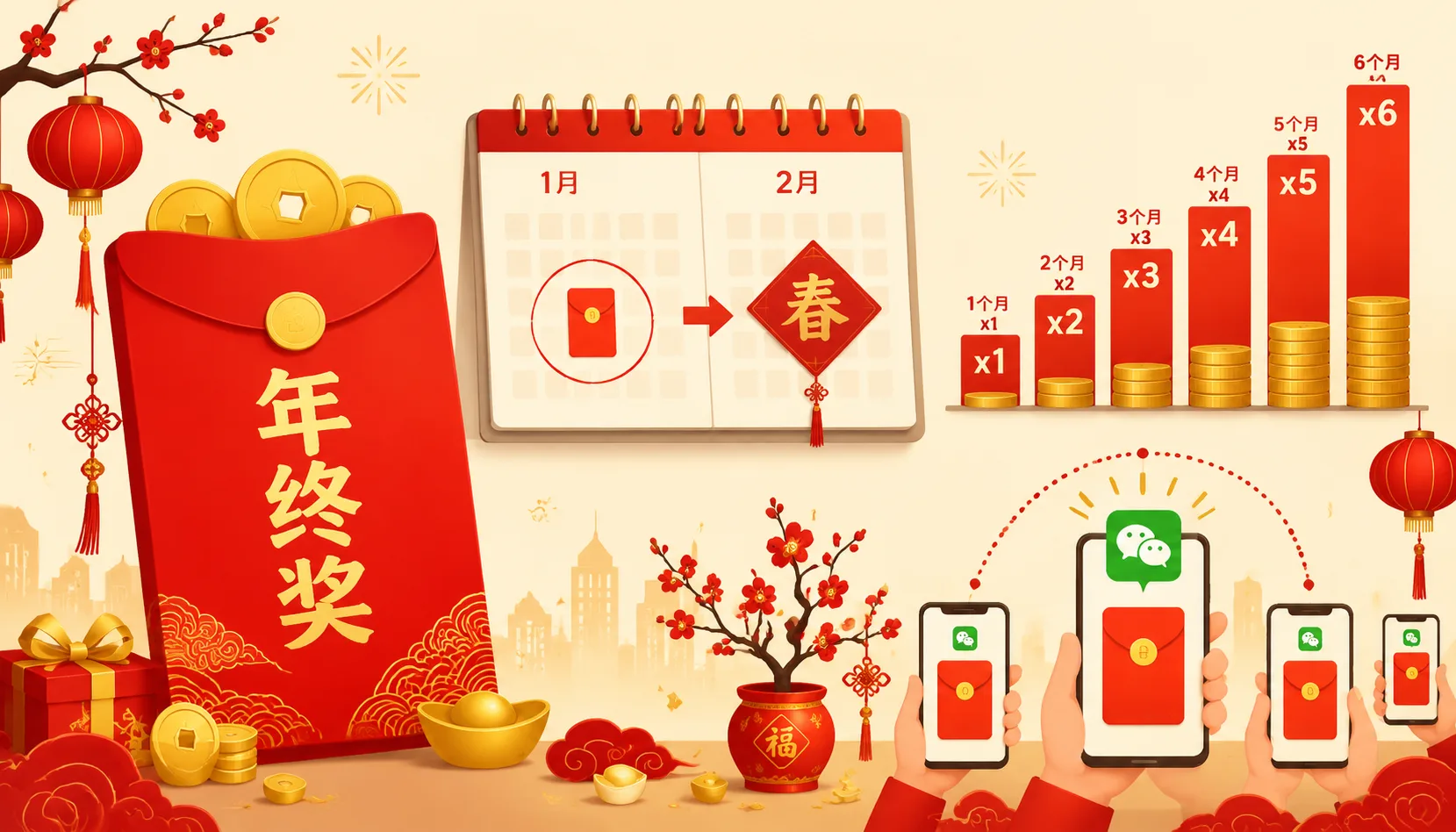
Chinese Annual Bonus (年终奖) Culture: What You Need to Know
The 年终奖 (niánzhōng jiǎng) is a culturally significant year-end bonus paid before Chinese New Year, often worth 1-6 months' salary. For expats, negotiate it in y…
Read the guide →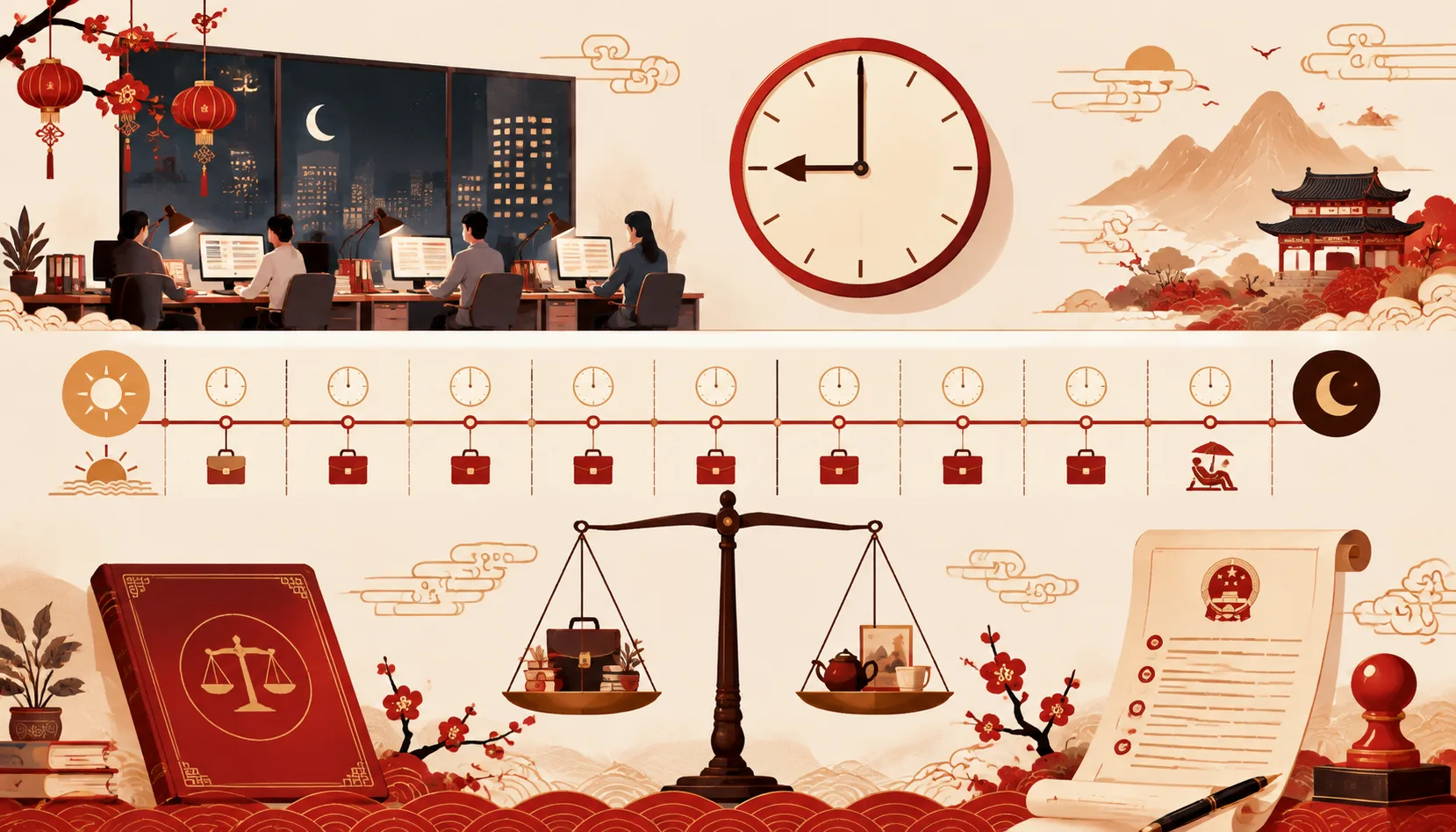 🔒 VIP
🔒 VIPWhy Long Hours Are a Statement as Much as a Schedule in China
It is 8:40 on a Tuesday evening on the twenty-third floor of a Hangzhou office tower, and Li Meng finished her work two hours ago. The quarterly report has been…
Read the guide →
KTV in China Business: A Foreigner's Survival Guide to Karaoke Etiquette
Treat KTV as a relationship-building ritual, not a performance. Accept the invitation, participate enthusiastically by singing 1-2 songs (one from your home cou…
Read the guide →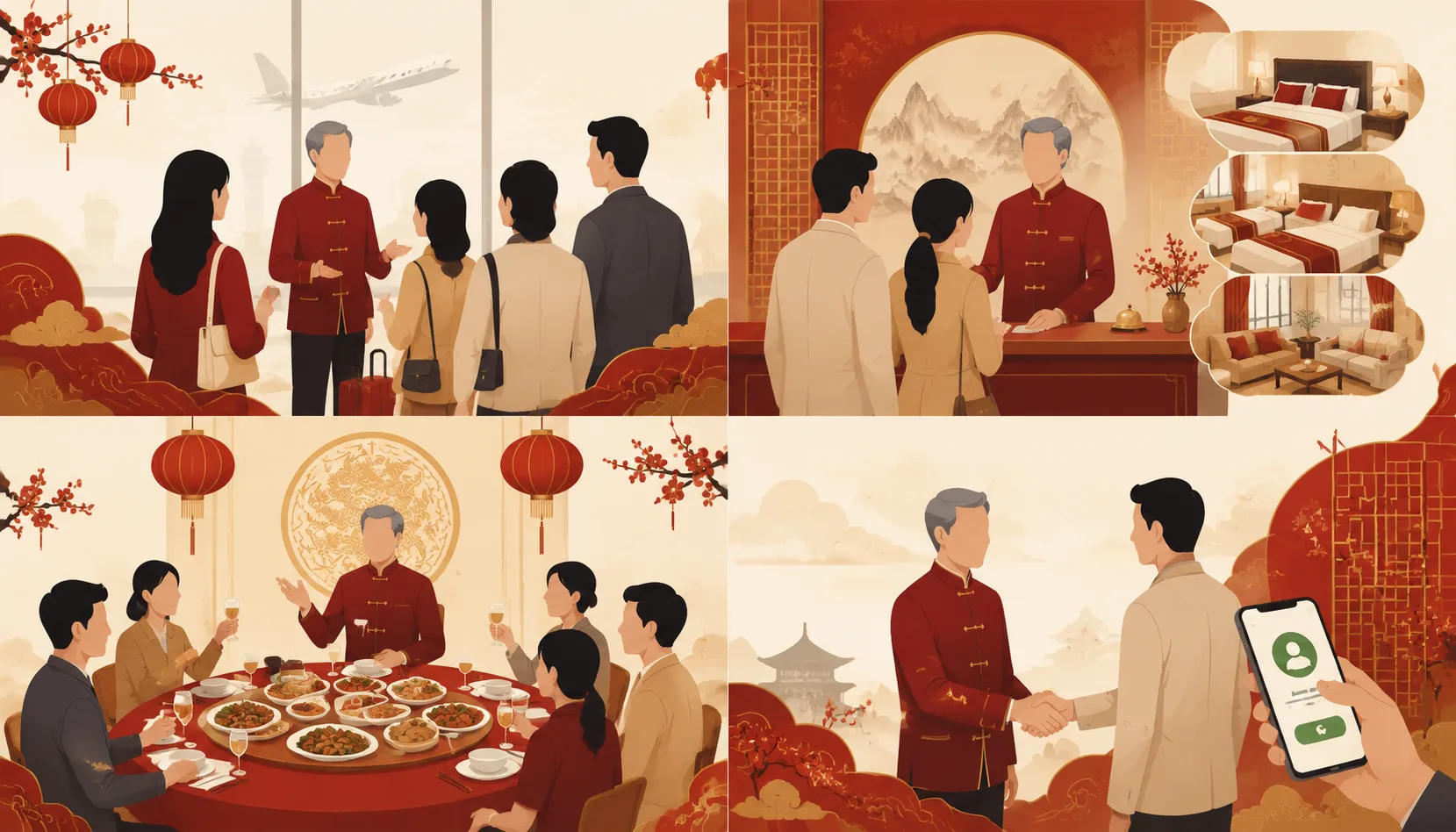
Hosting Chinese Business Visitors: Complete Etiquette Guide
Host Chinese visitors with senior-level attention: arrange airport pickup by an equally senior colleague, book a top-brand hotel, host a welcome dinner with Chi…
Read the guide →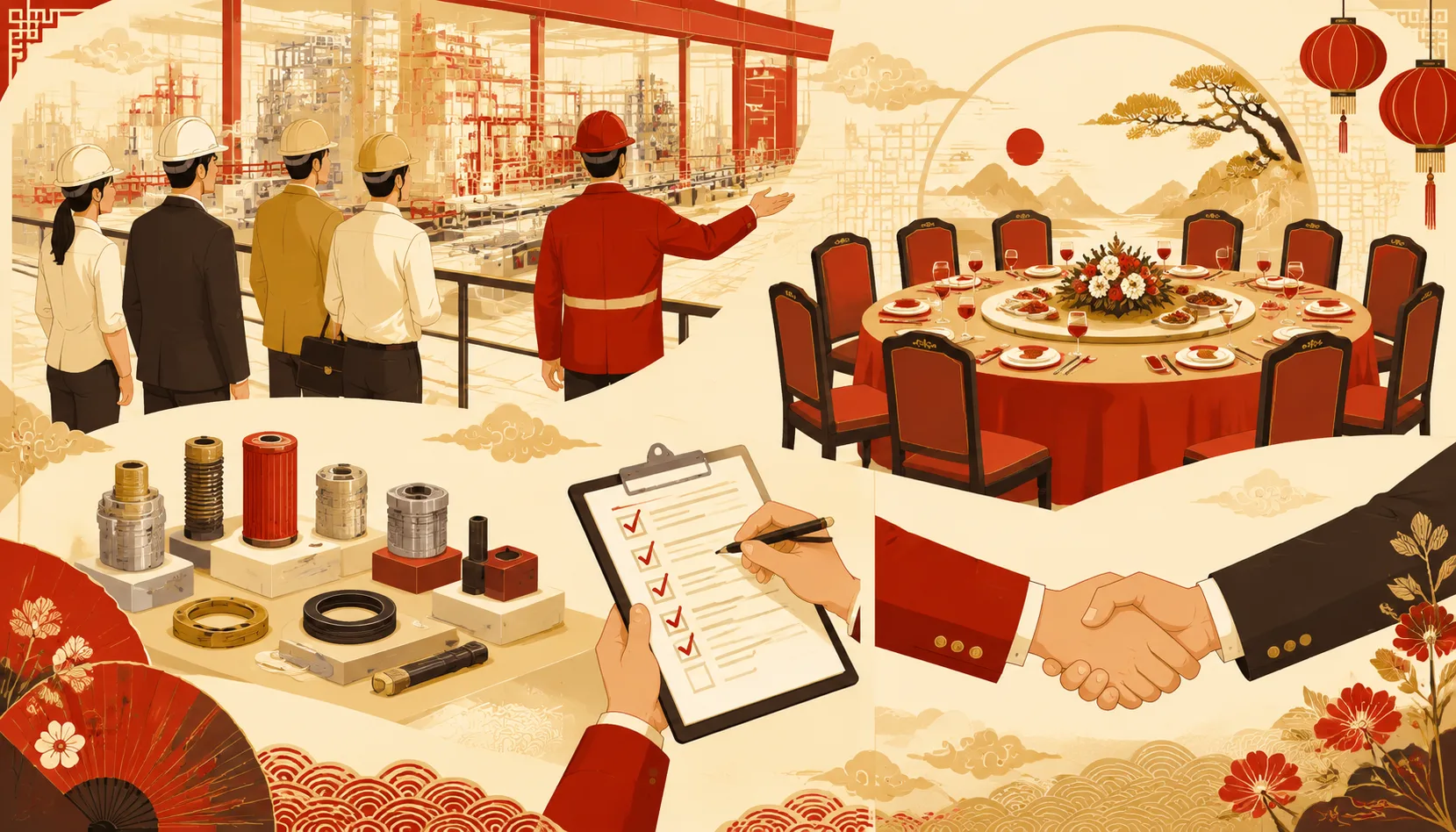
Chinese Factory Visit Etiquette: A Complete Guide for Western Buyers
Confirm your visit multiple times, dress professionally with closed shoes, follow your host during the tour, save criticisms for a private debrief, and never sk…
Read the guide →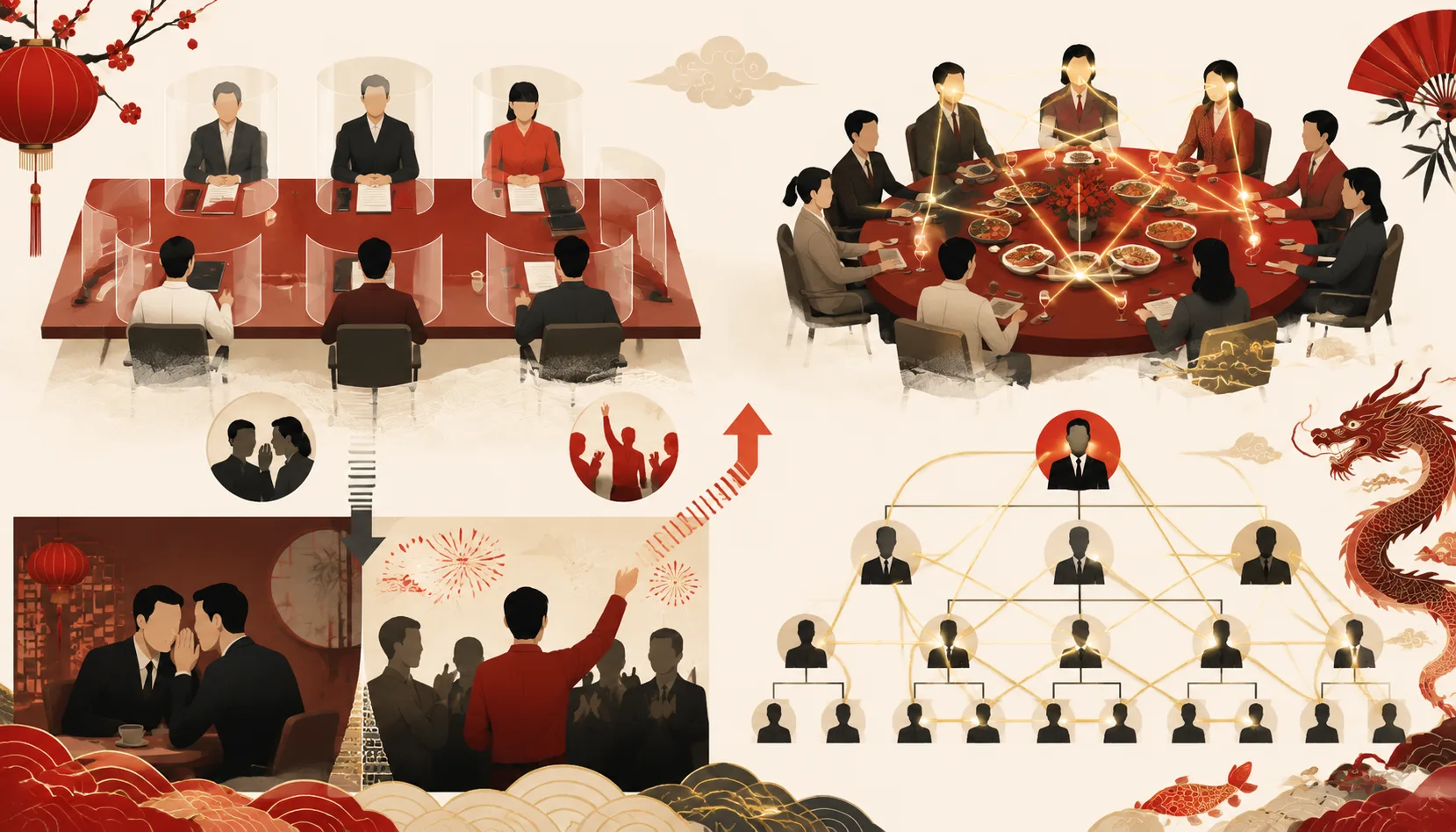
Face, Renqing & Guanxi at Work: Chinese Office Culture Decoded
In Chinese offices, mianzi governs public interactions, renqing tracks unspoken debts and credits, and guanxi maps actual influence beyond titles. To thrive, de…
Read the guide →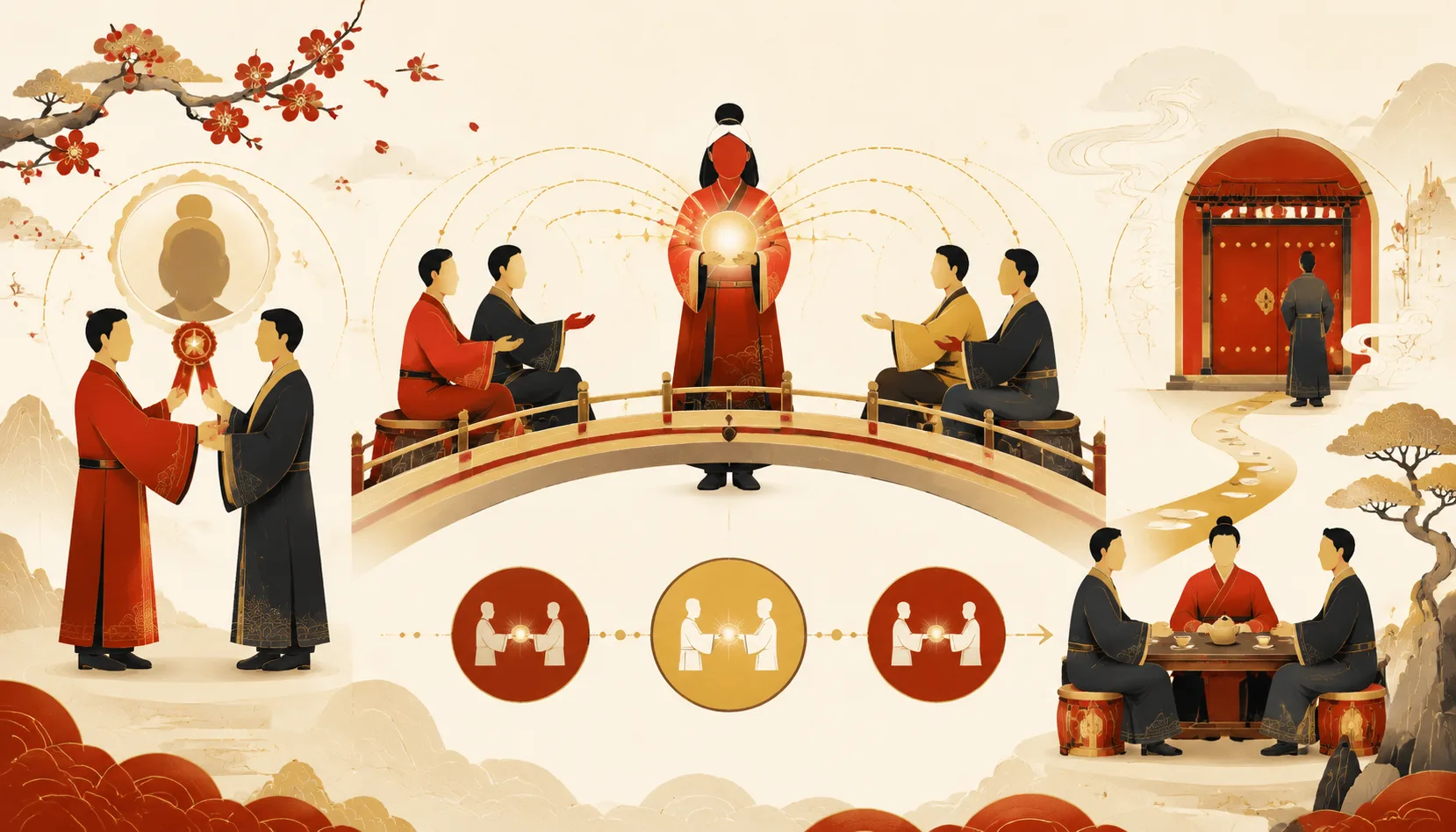
The Chinese Business Middleman (中间人): Why You Need One
In China's relationship-based business culture, a 中间人 transfers their personal trust to you, bypassing the cold-start problem of zero trust capital. Find one th…
Read the guide →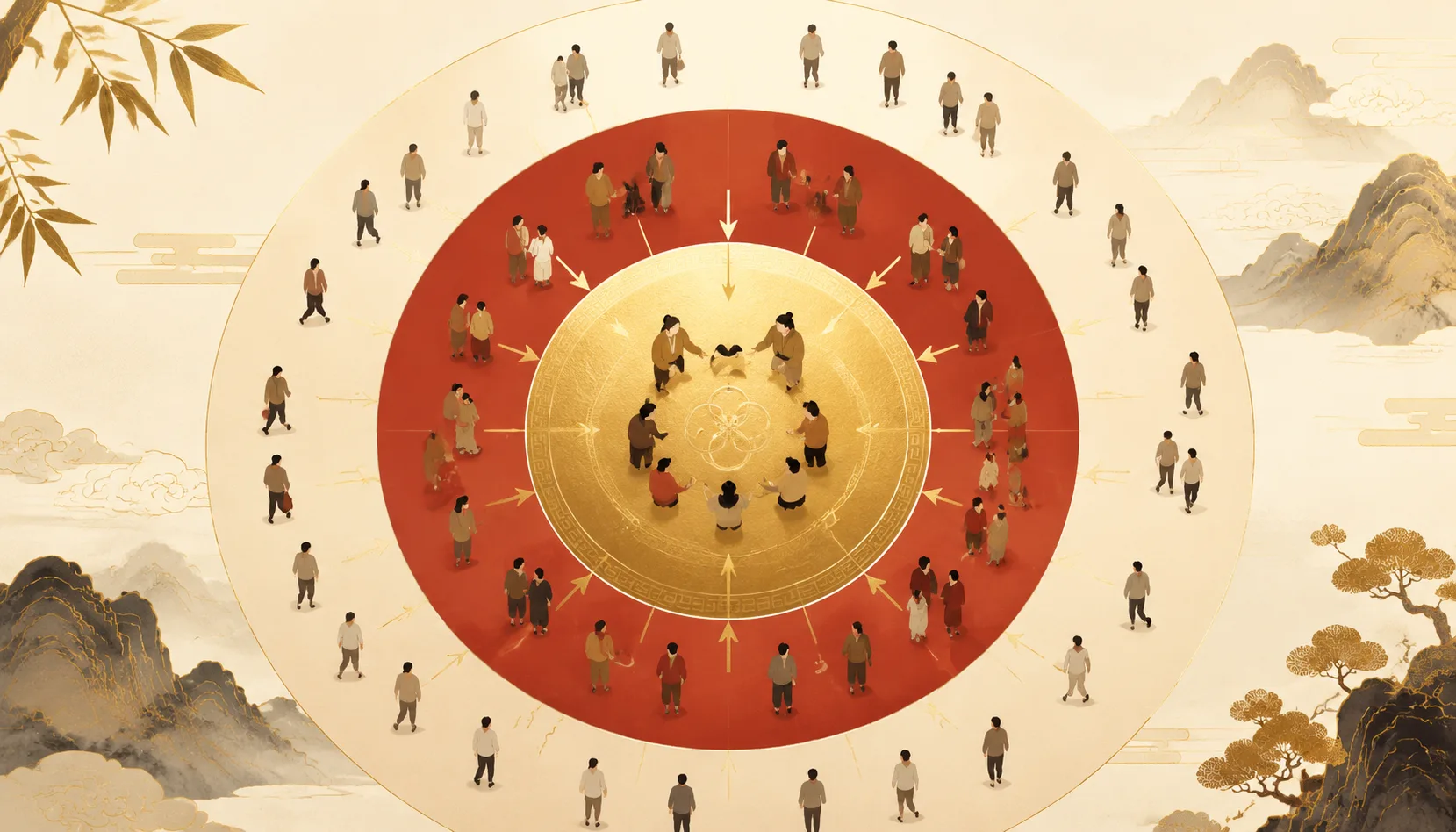
Guanxi Circles: Iron vs. Face Relationships in China
Chinese relationships are stratified into concentric circles—from iron relationships (铁关系 tiě guānxi) at the core to face-level acquaintances (面子关系 miànzi guānx…
Read the guide →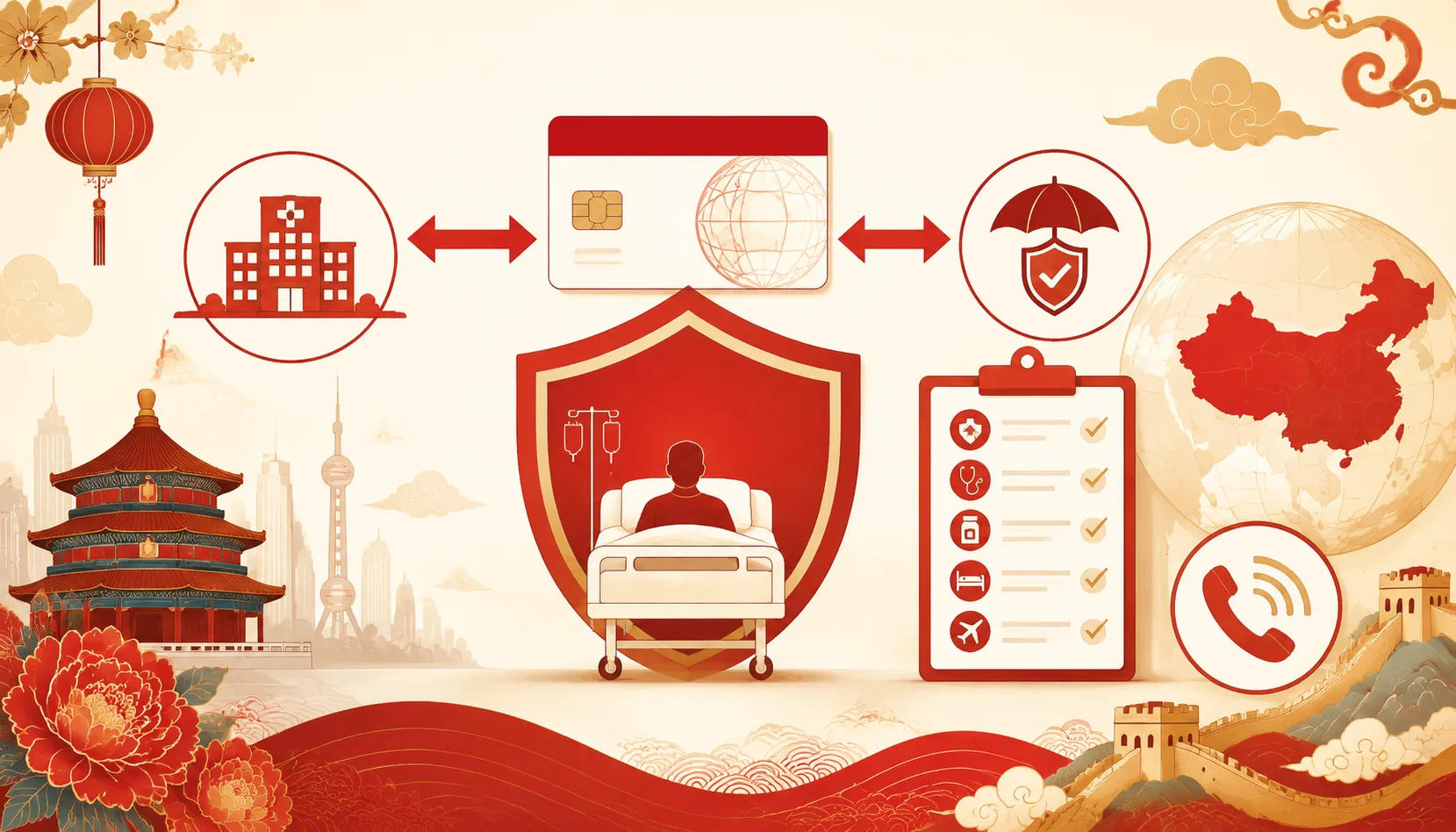
Medical Insurance for Foreigners in China: What You Actually Need
Don't assume China is cheap. While a common cold costs little, surgery, ICU stays, or international hospital visits can drain your savings. You need internation…
Read the guide →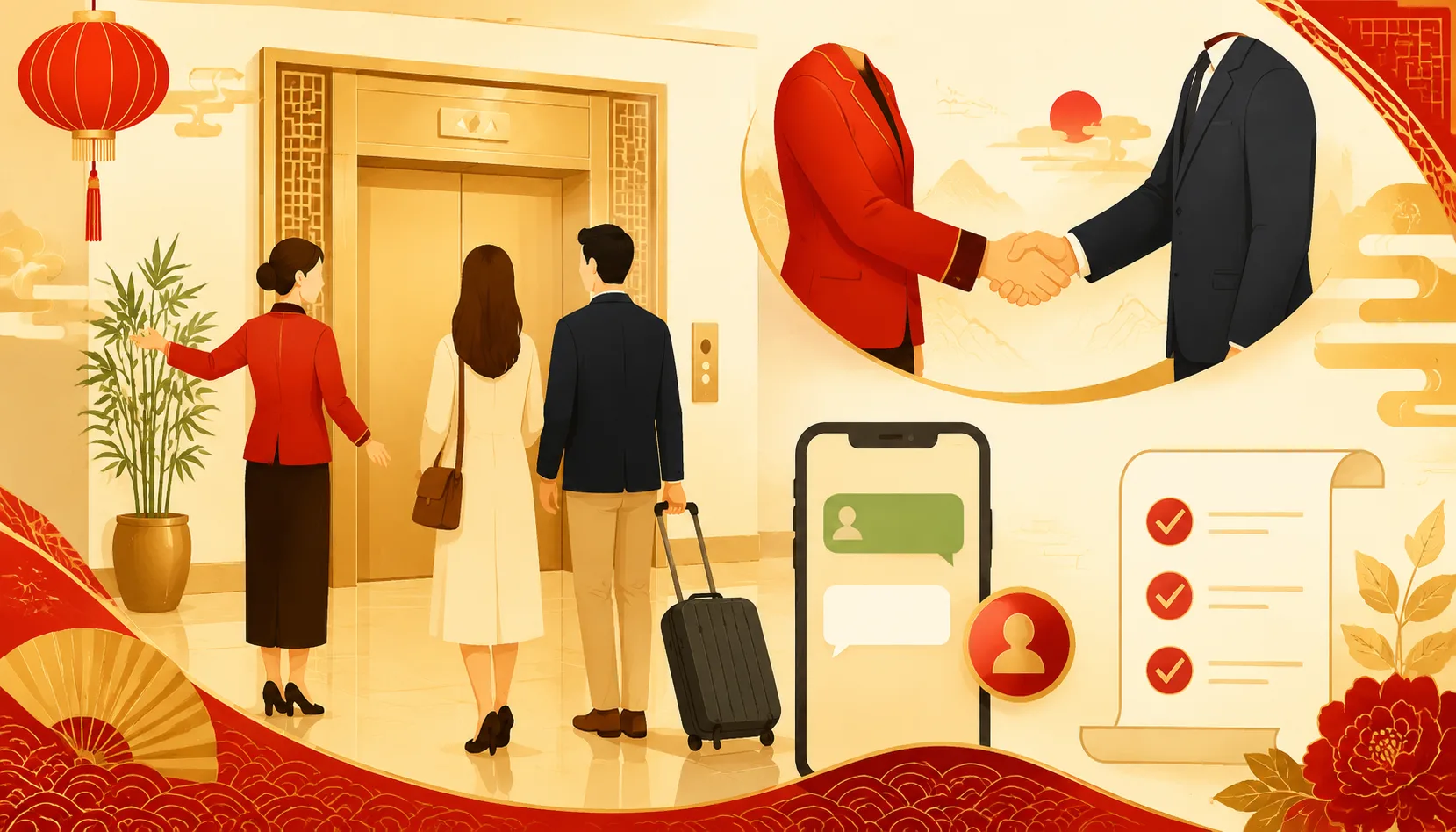
Chinese Business Dinner Exit: Farewell, Follow-Up & Recovery
The farewell is a final power play: let the most senior guest leave first, and never rush out — the host will walk you to the elevator or street, and that lobby…
Read the guide →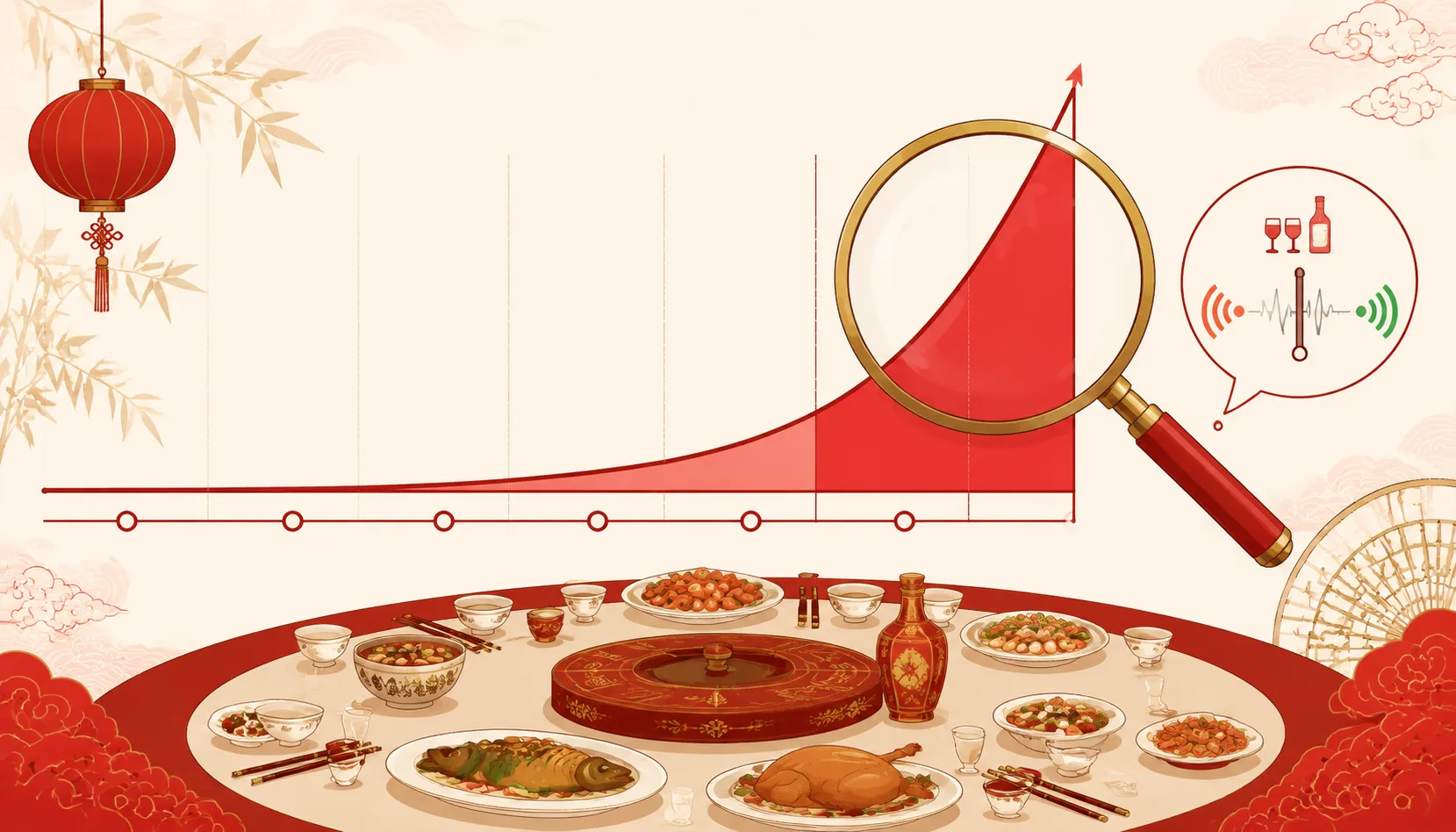
How to Extract Real Information from Chinese Business Dinners
Stay for the entire dinner—the last 45 minutes yield 90% of real information. Read the pre-dinner tea signal, decode drunk talk as leads (not conclusions), and …
Read the guide →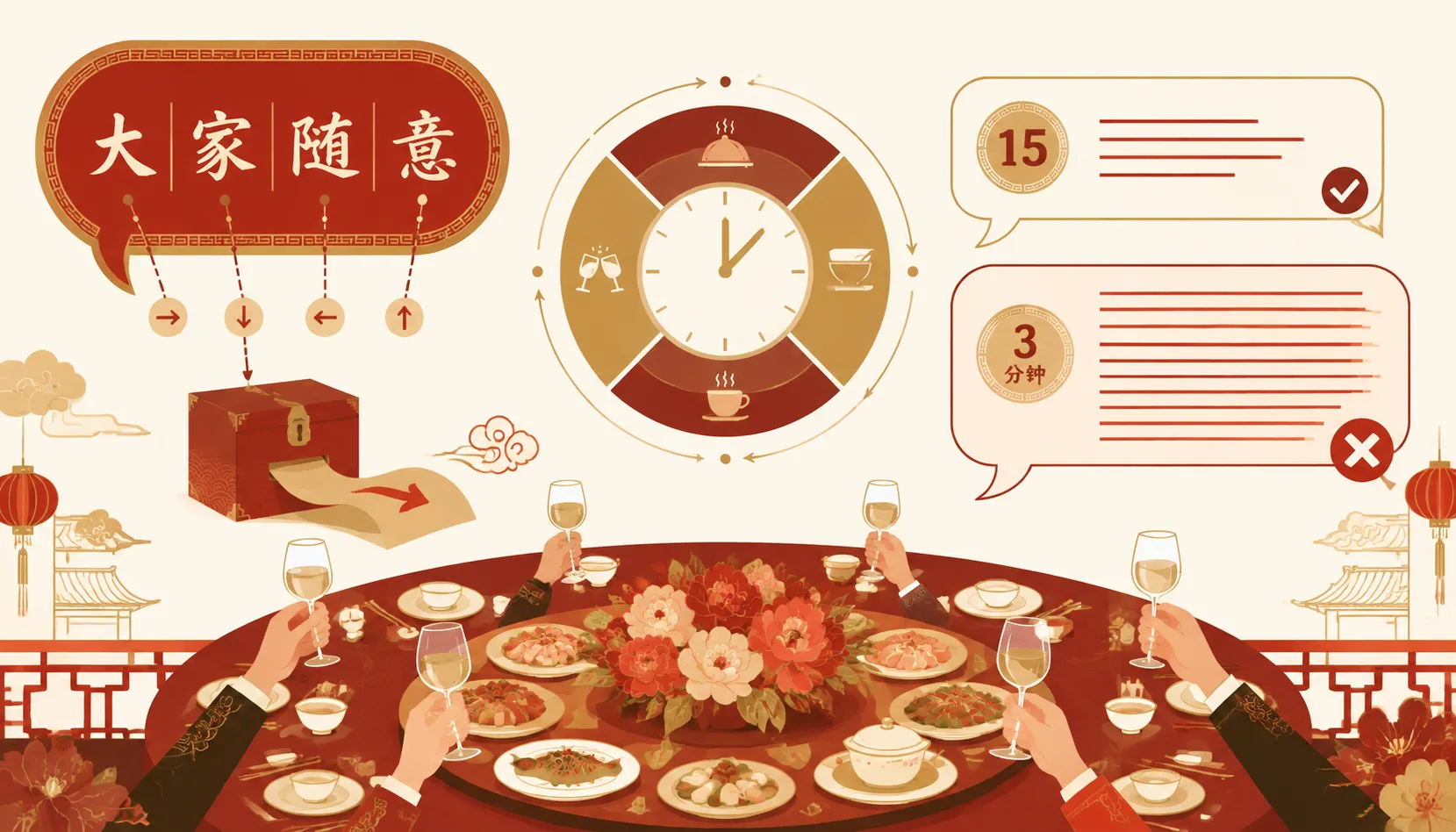
Chinese Business Dinner Phrases Decoded: What They Actually Mean
In Chinese business dinners, phrases like '大家随意' (be casual) and '我干了,您随意' (I'll drink, you do as you like) are not literal invitations to relax—they are power …
Read the guide →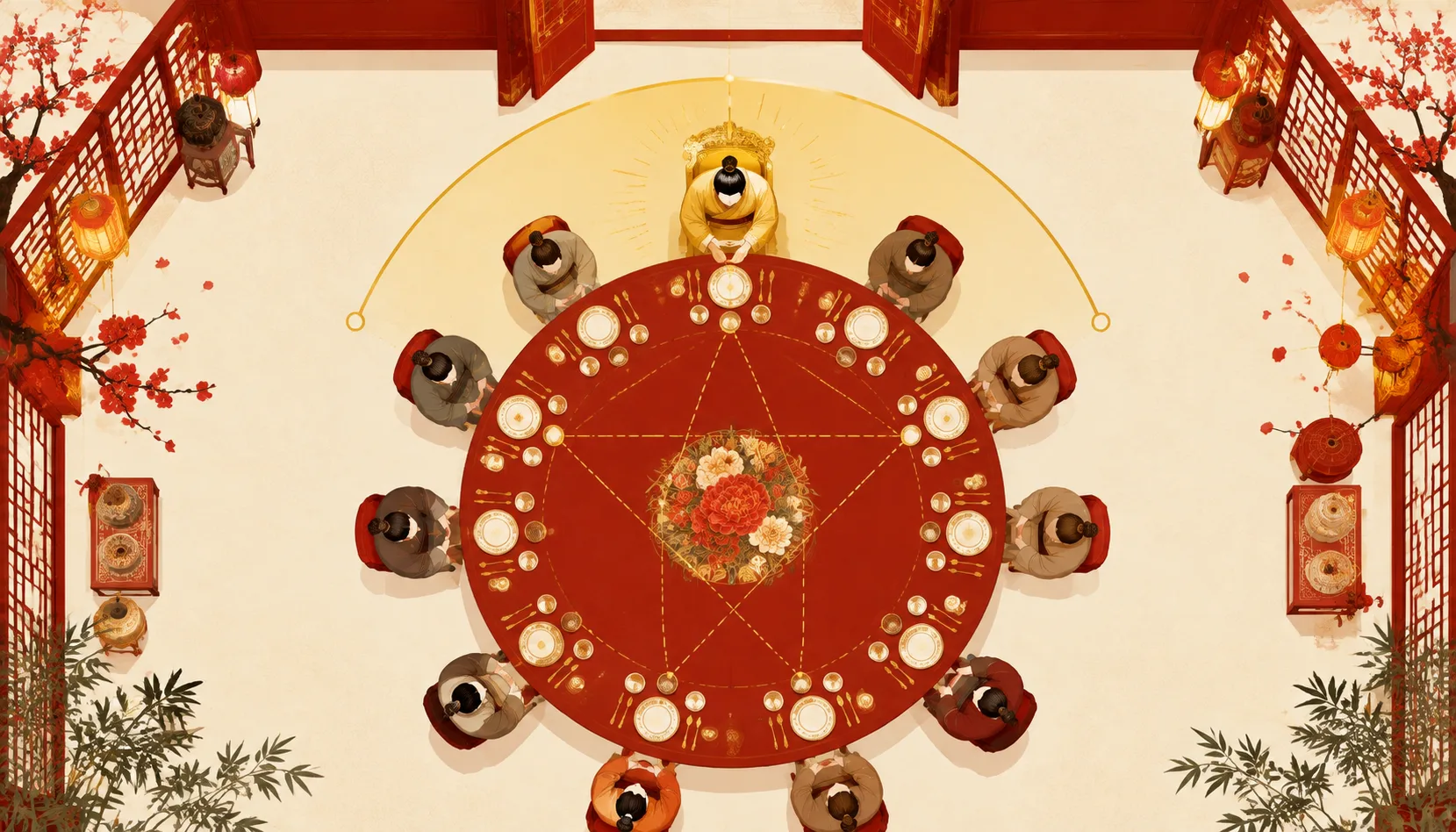
Reading the Power Map at a Chinese Business Dinner
Watch who the host seats within 90 degrees of their own chair, track who gets served and toasted first, and note any mid-dinner seat swaps. The seating chart is…
Read the guide →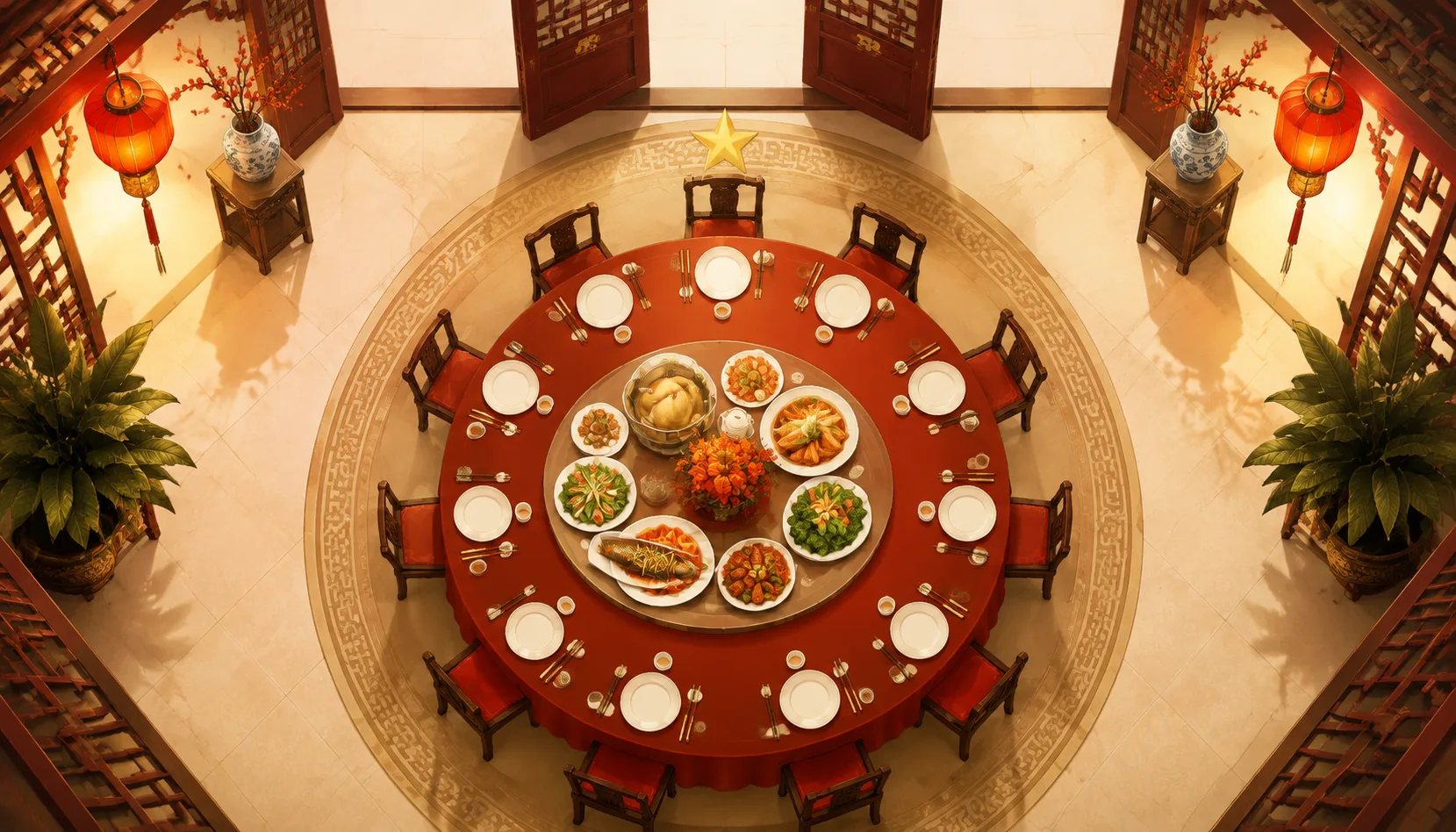
Chinese Business Dinner Strategy: Why the Meal IS the Meeting
In China, the business dinner (饭局 fànjú) is not a social add-on—it's the primary arena for relationship building and character assessment. Treat it as a high-st…
Read the guide →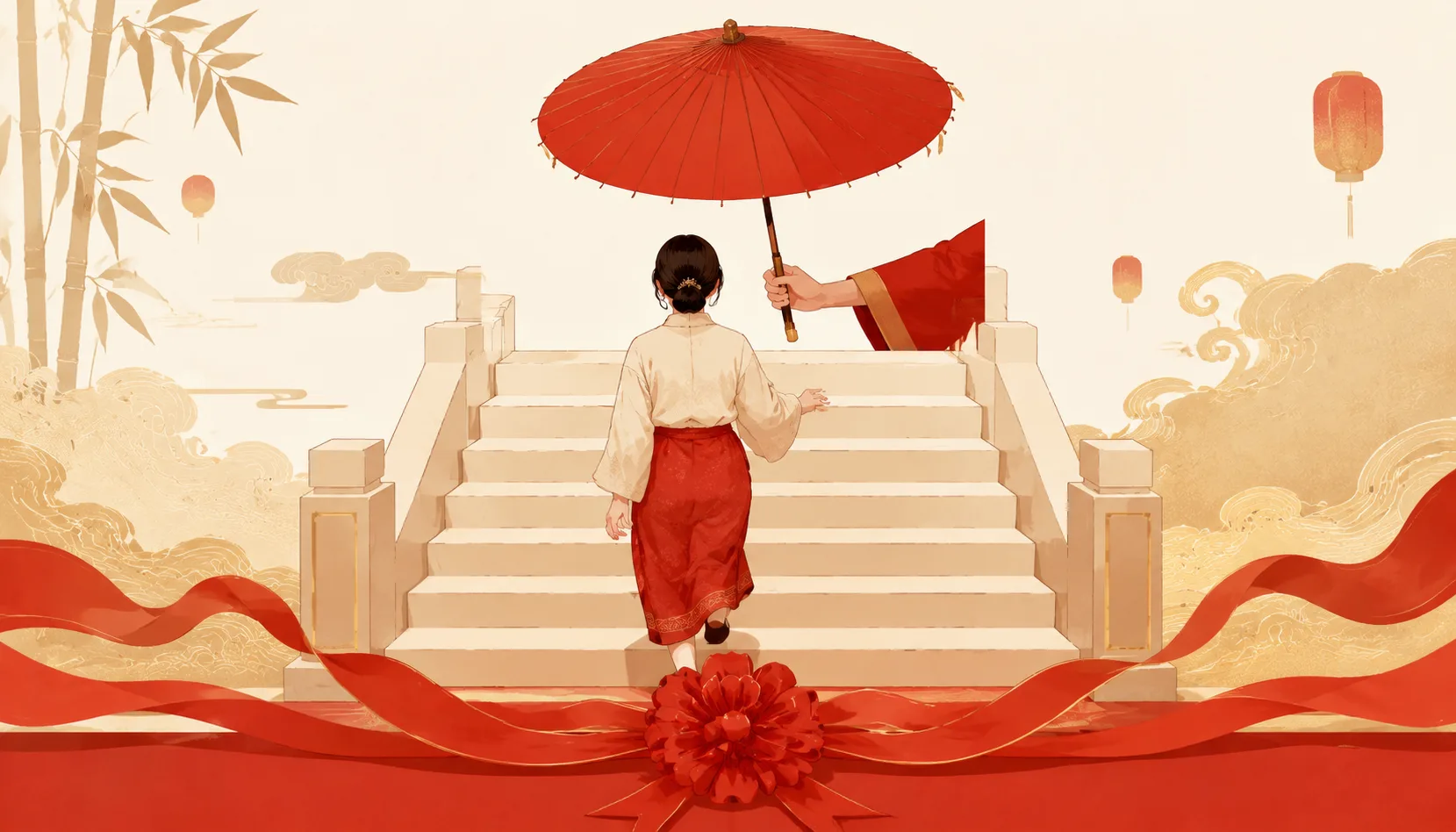
Giving Face in Chinese Negotiations: Build Exit Ramps
When a negotiation stalls, it's often because the Chinese decision-maker can't be seen to give in to foreign pressure. Build a 'táijiē' (台阶, face-saving exit ra…
Read the guide →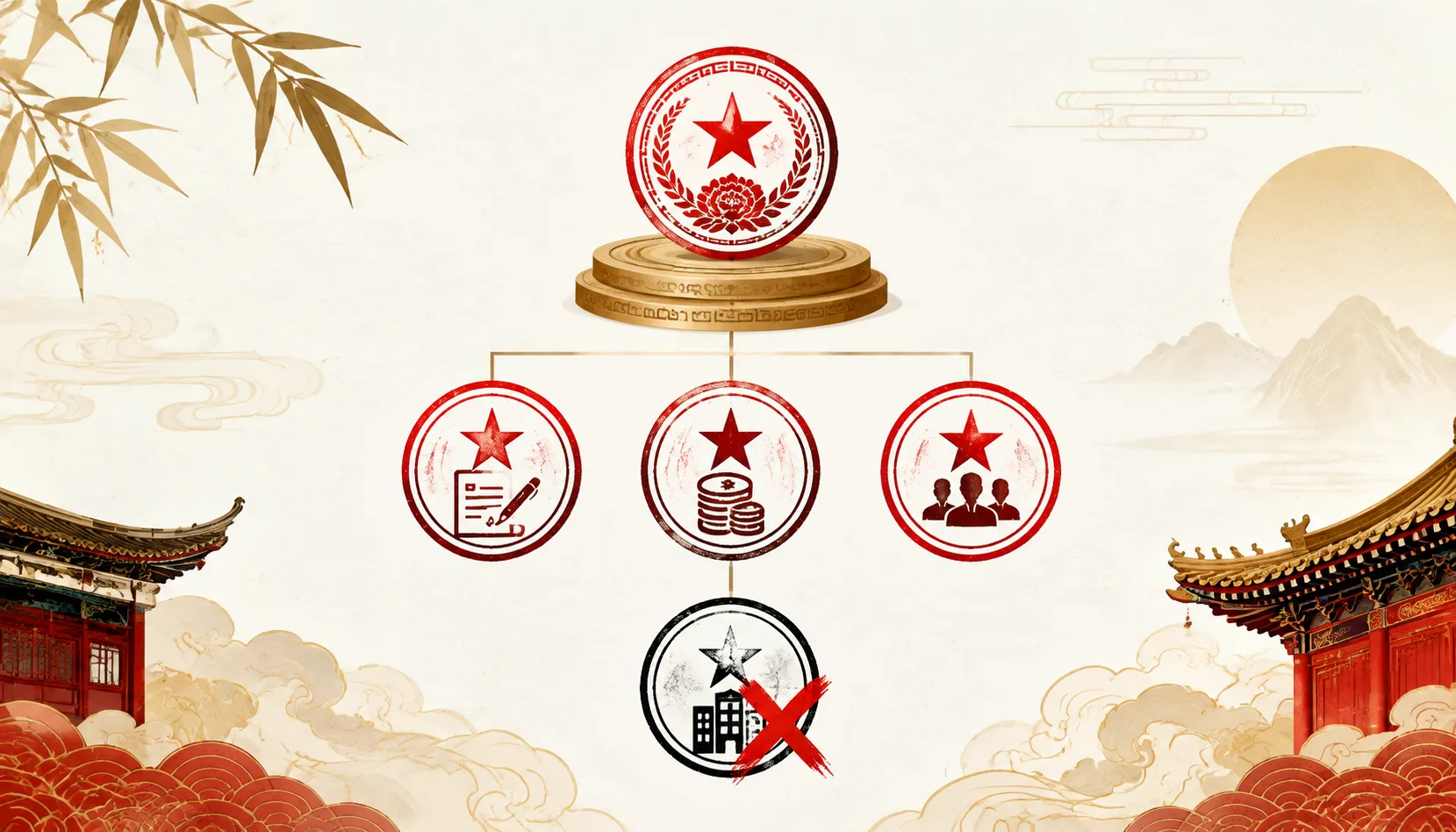
Chinese Company Seal (Gongzhang): Why It Beats a Signature
In China, the company seal (公章) carries legal weight that a personal signature alone does not. It represents the company's institutional will and is protected b…
Read the guide →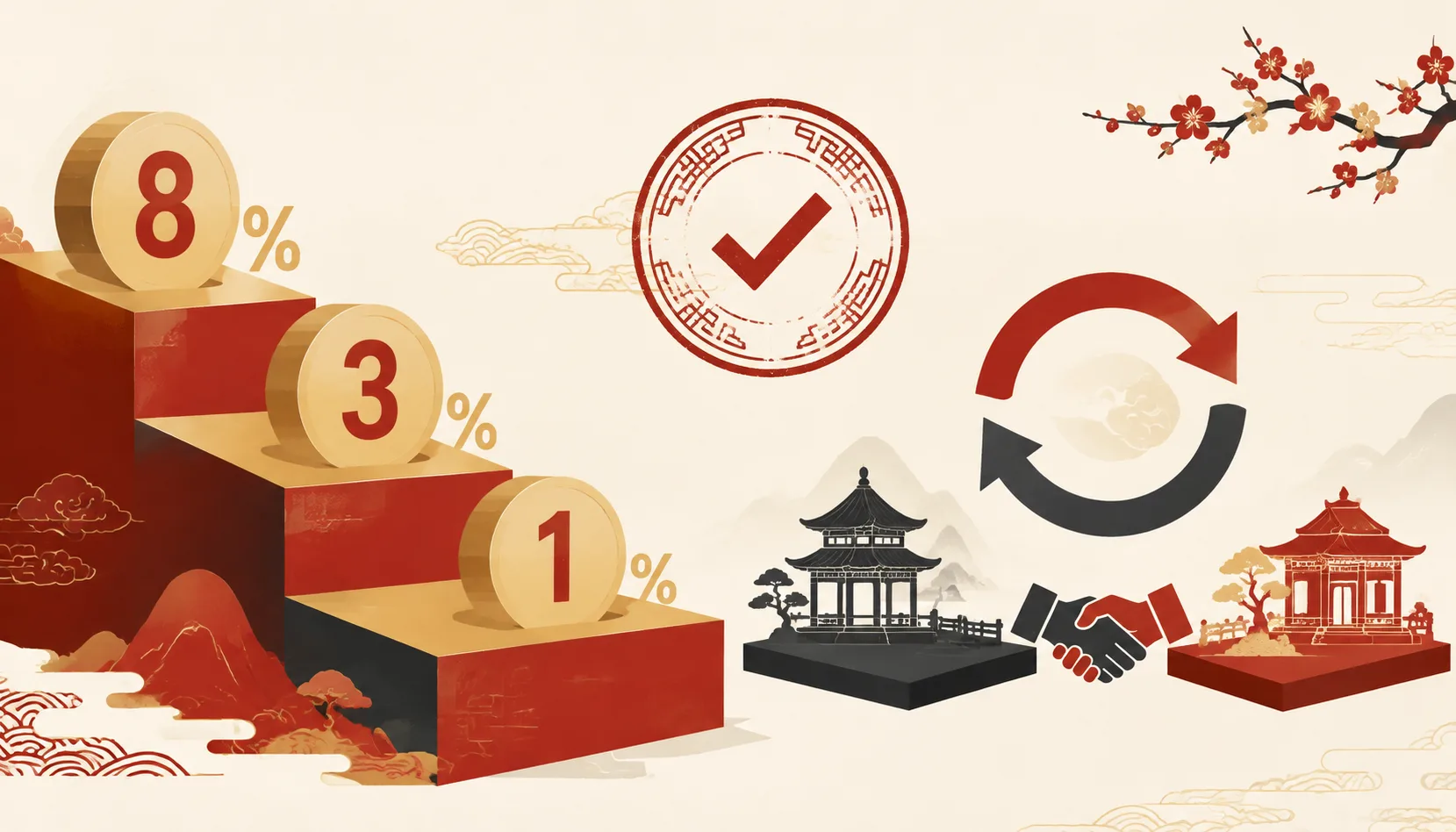
How to Make Concessions in Chinese Business Negotiations
Always leave room in your initial offer, package every concession as a hard-won internal approval, and shrink your concessions incrementally (e.g., 8% → 3% → 1%…
Read the guide →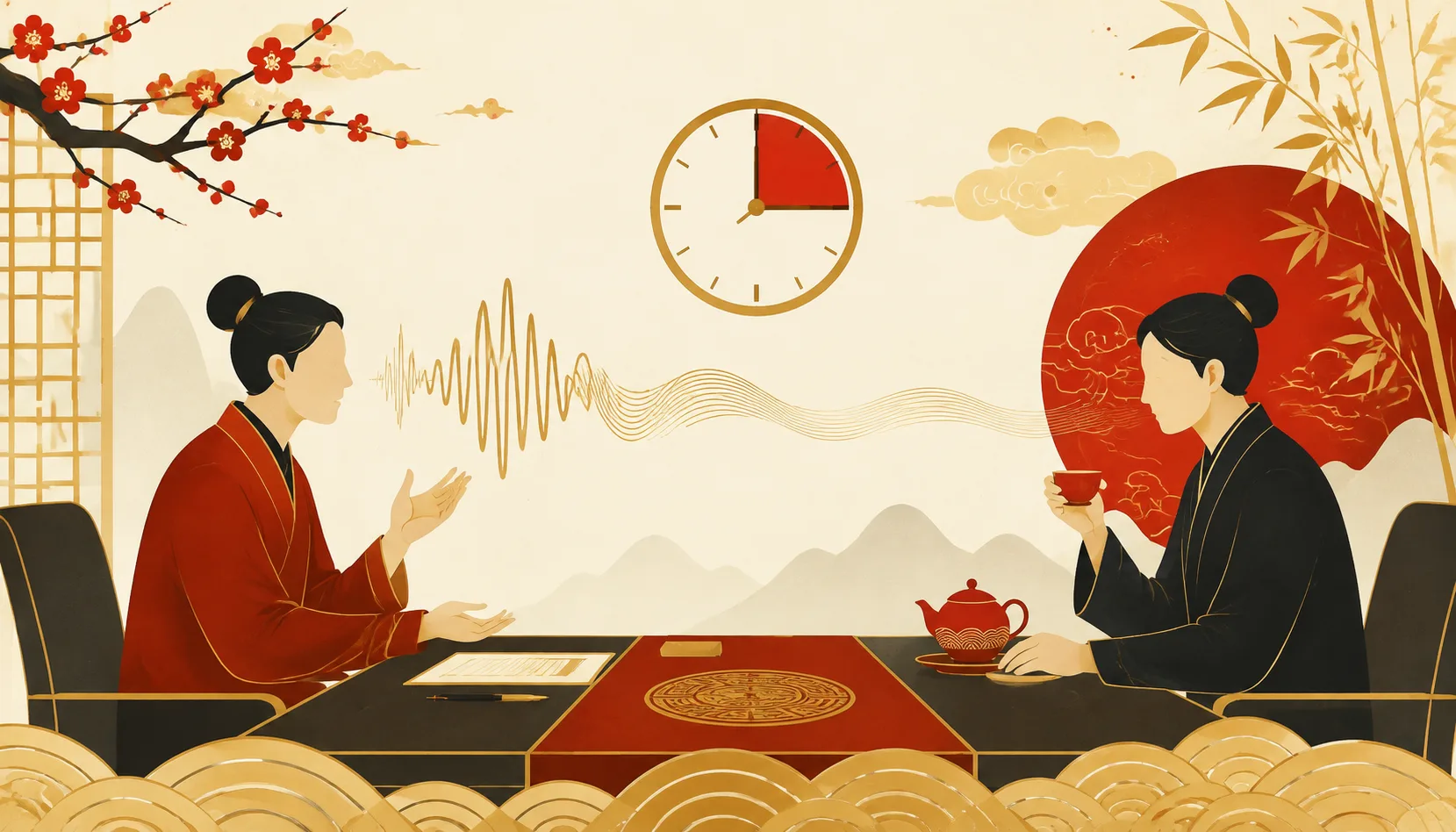
Handle Silence and Repeated Renegotiation in Chinese Deals
When met with silence, hold it—do not fill the gap with concessions. Use a calm question to return the pressure. When a settled point is reopened, treat it as a…
Read the guide →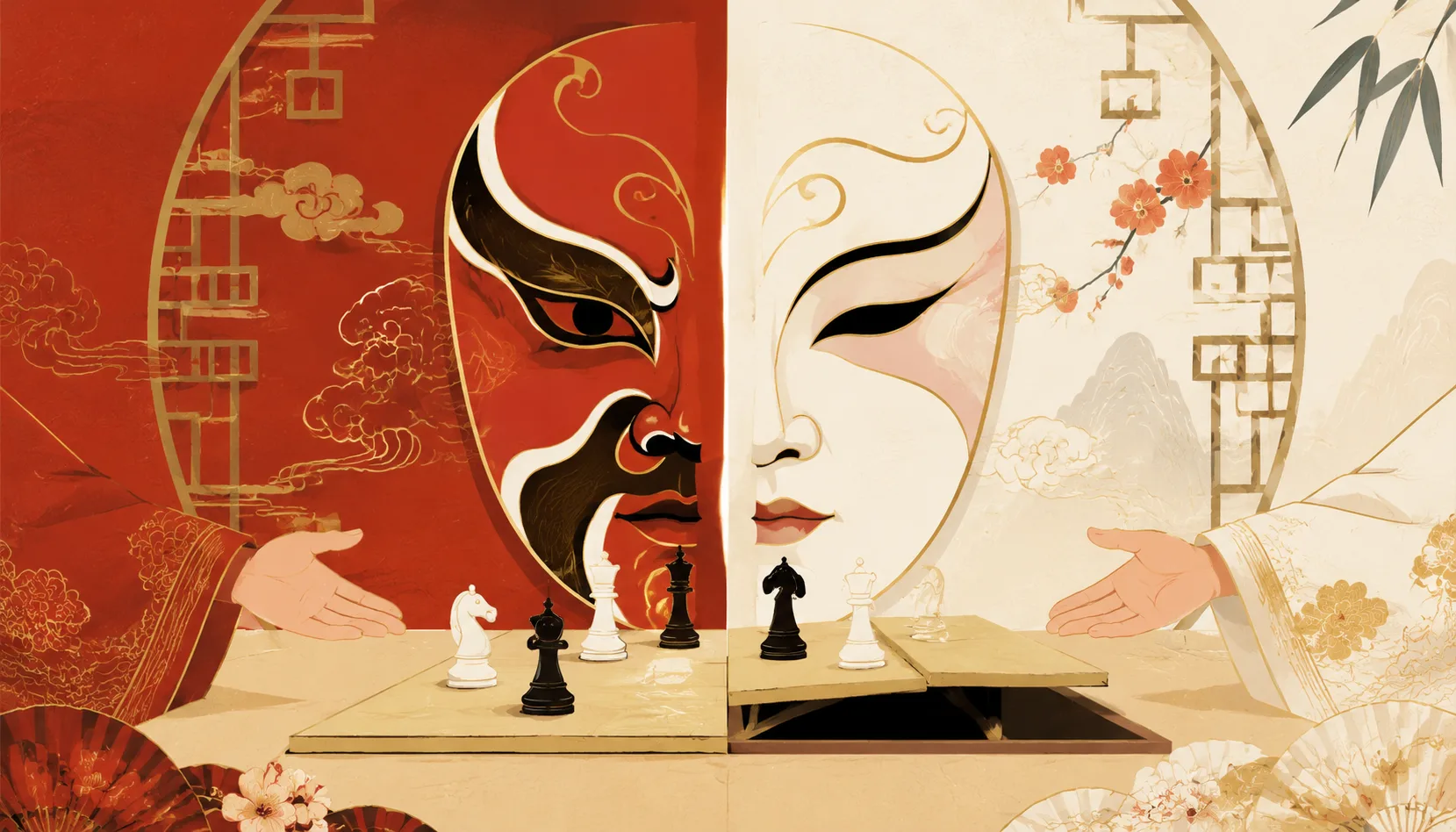
Red Face White Face Tactic in Chinese Negotiations: Spot & Counter
The red face attacks your conditions aggressively while the white face offers a 'rescue' that lands exactly on their pre-set target. Counter by not engaging the…
Read the guide →
Why Small Talk in Chinese Business Meetings Is Never Just Small Talk
In China, the extended small talk phase at the start of a business meeting is the first round of negotiation. It's when your Chinese counterparts assess your pa…
Read the guide →