How can Western negotiators use the concept of mianzi (face) to break deadlocks in Chinese business negotiations?
Quick answer
When a negotiation stalls, it's often because the Chinese decision-maker can't be seen to give in to foreign pressure. Build a 'táijiē' (台阶, face-saving exit ramp) that lets them back down gracefully—by reframing your win as their own professional decision, using time, process, common enemy, or honor-based ramps.
What Is Mianzi and Why Does It Matter?
In Chinese business culture, mianzi (面子) is your social currency—your reputation, dignity, and standing in the eyes of others. It's not about vanity; it's about authority and credibility. If you cause someone to 'lose face' in front of their colleagues or superiors, you may win the argument but lose the deal—and possibly the relationship.
Western negotiators often mistake a Chinese counterpart's stubbornness for disagreement. But more often, the real issue is that they cannot be seen to be convinced by a foreigner. Their team, their boss, or their own pride won't allow it. So they stall, deflect, or flat-out refuse—even when the terms are objectively good.
The key is to give them a way to say 'yes' without appearing to lose. That's where the concept of 台阶 (táijiē) comes in. Literally meaning 'steps,' a táijiē is a face-saving exit ramp—a dignified path for them to back down while preserving their authority.
The Táijiē (台阶): Your Secret Weapon
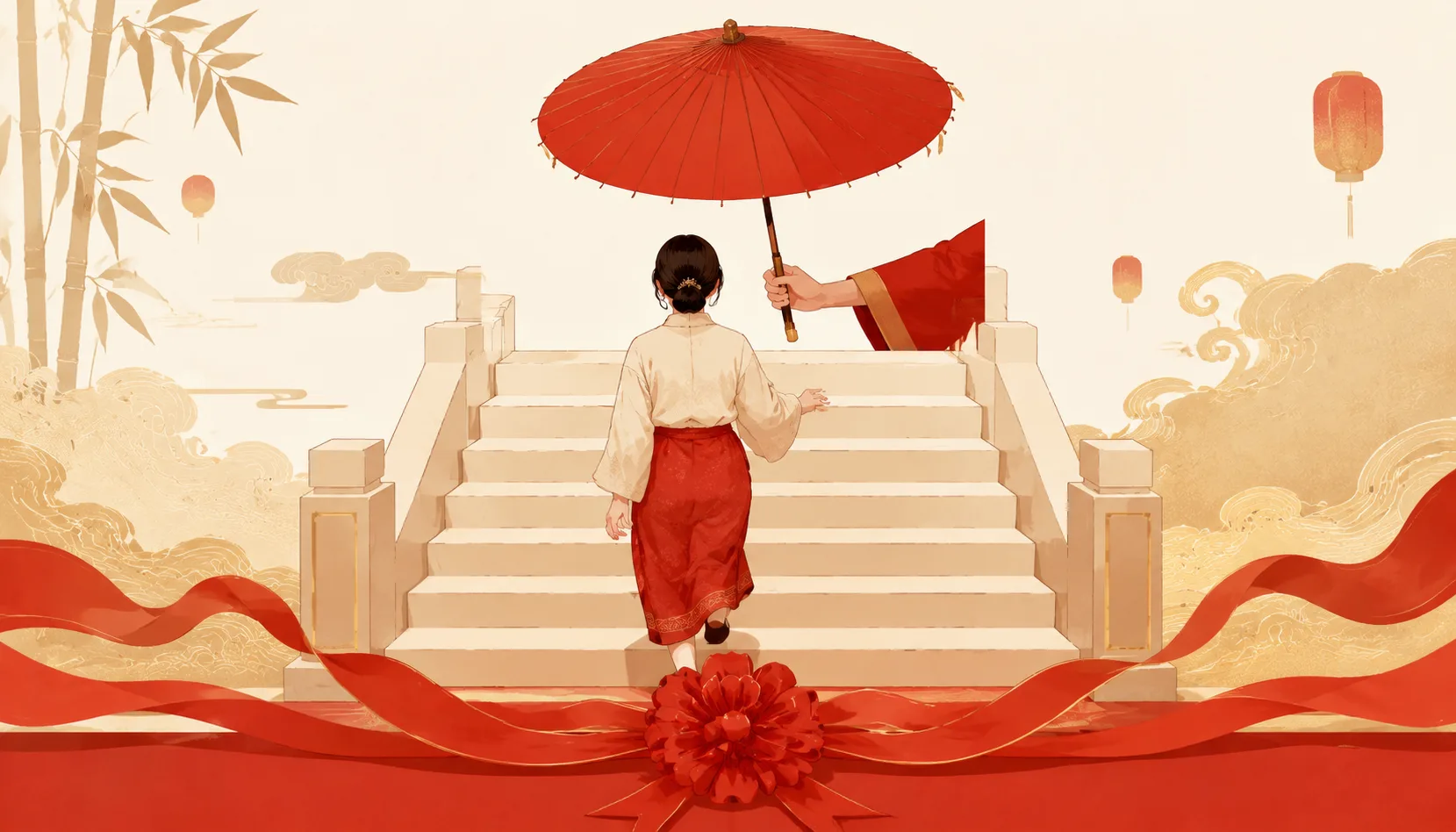
The term 台阶 (táijiē) literally means 'steps'—like the steps leading up to a stage. In negotiation, it's the metaphorical steps you build for the other side to step down gracefully without losing face. When someone needs to concede, you don't force them to jump off a cliff; you provide a staircase.
Think of it this way: if you're negotiating with a Chinese factory owner and you demand a 10% price cut, they can't just agree—that would make them look weak. But if you frame it as 'Let's adjust the material spec to reduce costs, which aligns with your current production efficiency goals,' you've given them a táijiē. They're not giving in to you; they're making a smart business decision.
Here's a quick reference for the key phrases:
| Chinese | Pinyin | English |
|---|---|---|
| 面子 | miànzi | Face; social standing |
| 台阶 | táijiē | Steps; face-saving exit ramp |
| 给台阶下 | gěi táijiē xià | To give someone a way to back down gracefully |
Actionable tip: Before every negotiation, ask yourself: 'If they agree to my terms, how will they explain it to their boss or team?' If the answer is 'they can't,' you need to build a táijiē.
Why Negotiations Stall: The Real Reason
You've presented a solid proposal. The numbers work, the quality is better, and the timeline is reasonable. Yet the Chinese side keeps saying 'we'll think about it' or 'it's not convenient.' You're frustrated—what's wrong?
Often, nothing is wrong with your offer. The problem is that the decision-maker cannot be seen to be convinced by a foreigner in front of their own people. If they agree immediately, they lose face—it looks like they've been outsmarted or pushed around. So they resist, not because they disagree, but because they need a way to save face.
Consider this scenario: Tom, a quality manager at a US electronics firm, was negotiating with a Chinese supplier's chairman. Tom wanted to implement a strict quality inspection standard. The chairman flat-out refused, saying it was 'too complex.' Tom was about to escalate when a local colleague pulled him aside: 'He can't agree to your standard because his team will think he's caving to a foreigner.'
The solution? Tom reframed his proposal as a 'phased rollout matching your production ramp-up schedule.' Instead of 'our standard,' it became 'a plan that fits your production needs.' The chairman agreed immediately—because now it was his own professional decision, not a foreigner's demand.
Actionable tip: When you hit a wall, don't push harder. Instead, ask: 'How can I make this look like their idea?'
Four Types of Face-Saving Exit Ramps
Here are four proven táijiē strategies you can deploy when negotiations stall. Each turns a potential loss of face into a dignified win.
1. Time Ramp: This turns 'I disagree' into 'timing isn't right yet.' Instead of demanding immediate implementation, propose a phased approach: 'Let's implement this in stages—first X, then upgrade to Y.' This gives the other side time to adjust and saves face by making it a scheduling issue, not a rejection.
2. Process Ramp: This turns 'our win' into 'their procedure.' Frame your proposal as fitting their internal approval norms: 'This structure fits your standard approval process; we'll adjust our paperwork to match.' Now they're not agreeing to your terms; they're following their own rules.
3. Common Enemy Ramp: Redirect conflict to an external threat. Say: 'We both want to hold off the price competition from lower-tier suppliers—let's solve this between us.' This unites you against a common foe, making concessions a strategic alliance rather than a defeat.
4. Honor Ramp: This turns capitulation into expertise. Acknowledge their experience: 'With your 30 years in this industry, we trust your judgment on this arrangement.' They can agree because they're not giving in—they're exercising their superior knowledge.
Actionable tip: Choose the ramp that best matches the situation. If the issue is about timing, use a time ramp; if it's about internal politics, use a process ramp.
Case Study: The Quality Inspection Deadlock
Let's revisit Tom's case in detail. Tom was negotiating with a Chinese supplier in Shenzhen. He presented a new quality inspection standard that would reduce defects by 30%. The chairman, Mr. Wang, listened politely but then said, 'We cannot accept this. It's too complicated for our team.'
Tom initially pushed back, showing data and industry benchmarks. But Mr. Wang became more rigid. Tom's local colleague explained: 'Mr. Wang's team is watching. If he agrees to your standard, he looks weak. He needs a way to save face.'
Tom shifted tactics. He said: 'Mr. Wang, I understand your concern. Perhaps we can implement this in phases—first, a pilot on your main production line, then expand as your team gets comfortable. This way, you can manage the rollout at your own pace.'
Mr. Wang's expression changed. He nodded and said, 'This is a smart approach. We'll start with the pilot next month.' By using a time ramp, Tom gave Mr. Wang a dignified path to agree. The standard was eventually fully implemented—and Tom learned a valuable lesson about the power of táijiē.
Actionable tip: When a negotiation stalls, don't assume the other side is unreasonable. Ask yourself: 'What face-saving ramp can I build for them?'
When to Use Mianzi Tactics—and When Not To
Mianzi tactics are not a one-size-fits-all solution. Use them any time a negotiation stalls despite both sides wanting the deal. If you sense that the other party is genuinely interested but can't say 'yes' due to internal pressures, a táijiē is your best move.
But there are times when you shouldn't rely on face-saving tactics. If the other side is using mianzi as a stalling tactic to avoid making a decision—or if they're negotiating in bad faith—building a ramp won't help. In those cases, you need to escalate or walk away.
Also, be careful not to overuse honor ramps. If you constantly flatter your counterpart, it can seem insincere. Use them sparingly and genuinely.
Actionable tip: Before each negotiation, assess whether the other side truly wants a deal. If yes, prepare two or three táijiē options. If no, consider whether the relationship is worth pursuing.
The Right Question to Ask When Stuck
When you're stuck, your instinct is to ask: 'How do I make them agree?' That's the wrong question. The right question is: 'How do they explain agreeing to their own people?' Answer that, and the deadlock breaks.
Imagine you're negotiating a contract with a Chinese distributor. You want a 15% commission increase. The distributor's general manager says it's 'not possible.' Instead of pushing, ask yourself: 'How would he justify this to his sales team? Would they see it as a loss?' If yes, you need to frame it as a win—perhaps by tying the increase to a new marketing support package that makes him look like a savvy negotiator.
In practice, this means you should always prepare a 'face-saving narrative' for the other side. For example, if you're asking for a lower price, frame it as 'We're willing to commit to a larger volume, which helps your production planning.' Now they're not cutting price; they're securing a big order.
Actionable tip: In your next negotiation, write down the answer to that question before you even sit down. It will transform your approach from adversarial to collaborative.
What Chinese People Actually Say
- 给面子 | gěi miànzi | "to give face" - show respect and honor | Use when acknowledging someone's status publicly.
- 留面子 | liú miànzi | "to save face" - preserve someone's dignity | Use to avoid embarrassing the other party.
- 看在我的面子上 | kàn zài wǒ de miànzi shàng | "for my sake" - appeal to relationship | Use when requesting a favor while invoking shared connection.
2026 Reality Check
2026 Reality Check: Giving face remains culturally significant but its enforcement has softened, especially in international business contexts. Chinese negotiators now balance traditional expectations with efficiency-first mindsets.
Gen Z vs. Older Generations: Younger Chinese professionals (under 30) increasingly view excessive face-giving as inefficient and performative. They prefer direct communication and merit-based exchanges. However, they still recognize its importance when dealing with senior executives or state-owned enterprises. Older generations (50+) remain more committed to the practice, seeing it as essential relationship-building.
Beijing/Shanghai vs. Smaller Cities: Tier-1 cities have adapted to globalized business norms—face-giving is now more subtle and strategic. Smaller cities and regional hubs still value the tradition more heavily, where personal relationships and hierarchical respect dominate business dealings.
Frequently asked questions
What is a 'táijiē' (台阶) in Chinese negotiation, and why is it important?
A 'táijiē' is a face-saving exit ramp that lets the other side back down without losing mianzi (face). It's crucial because Chinese decision-makers often avoid direct concessions under pressure, so providing a graceful way out helps break deadlocks.
How can I reframe my negotiation win as the Chinese side's own decision?
Present your proposal as a natural extension of their existing goals or past statements. For example, say 'This aligns with your company's long-term vision' instead of 'I convinced you,' so they can claim ownership of the outcome.
What are some practical time-based or process-based exit ramps?
Suggest a phased implementation or a pilot test, framing it as 'let's try this step first and review later.' This gives the other side room to agree without committing fully, preserving face while moving forward.
How can using a 'common enemy' help break a deadlock?
Blame external factors like market conditions, competitors, or regulatory changes for the need to adjust. Say 'Given the new tariff situation, we both need to adapt,' so neither side appears to yield to the other.
What is an honor-based ramp, and when should I use it?
An honor-based ramp involves appealing to the other side's reputation or role, like saying 'As a leader in your industry, your decision here will set a positive example.' Use it when the other party values status and wants to be seen as visionary.
What should I avoid doing when trying to give face in negotiations?
Avoid public criticism, ultimatums, or highlighting their mistakes. Never force a concession in front of others—always offer a private, subtle path to agreement, and never claim victory openly, as that erases their face.
Try our tools
Related guides

Understanding Mianzi (Face) in China: Rules Beneath Rules
Mianzi (面子) is social reputation and dignity — the invisible currency that governs Chinese social life. It can be given, lost, saved, or attacked. Almost every …
Read the guide →
Chinese Face-Saving Language: Compliments, Refusals & More
Face-saving language in Chinese runs through compliments (always deflect, never accept directly), refusals (always indirect), and farewells (longer and more rit…
Read the guide →
Chinese Business Negotiation: The Rules Westerners Miss
Chinese business negotiation runs on three rules that Western counterparts routinely miss: indirect refusal (never a direct "no"), strategic patience (silence i…
Read the guide →