What is mianzi (face) in Chinese culture, and why does it affect almost every social interaction?

Quick answer
Mianzi (面子) is social reputation and dignity — the invisible currency that governs Chinese social life. It can be given, lost, saved, or attacked. Almost every rule in Chinese etiquette exists either to protect someone's face or to avoid causing someone to lose it. Understanding mianzi explains behaviors that otherwise seem irrational: why people agree when they disagree, why insults are never delivered directly, why hosts insist you take more food, and why public praise matters so much.
What Is Mianzi? The Invisible Social Currency
面子 (miànzi) — translated as "face" — is not about physical appearance. It is about social reputation, dignity, and the public standing that allows a person to function with respect in their community.
Think of mianzi as a social bank account. Every interaction either deposits or withdraws from it. A public compliment adds to it. A public humiliation drains it. Other people can give you face, you can lose face through your own actions, and it can be attacked — deliberately or accidentally — by others.
There are actually two related concepts:
- 面子 (miànzi): Reputation and social prestige — the face other people give you. Determined by your status, connections, wealth, and how others speak of you publicly.
- 脸 (liǎn): Moral character and integrity — the face you give yourself through your behavior. You can have high miànzi (impressive status) but lose liǎn (moral standing) by behaving dishonorably.
In practice, foreigners mostly encounter miànzi — the social reputation dimension. But both matter in different situations.
Why Mianzi Explains So Much Behavior
Once you understand face, dozens of Chinese behaviors that seemed confusing or even dishonest begin to make perfect sense:
| Behavior that confuses foreigners | The face logic behind it |
|---|---|
| Someone agrees with your plan but does not follow through | Disagreeing openly would cause you to lose face in front of others — so they agree and find another way |
| The host insists the food is terrible while the table is overflowing | Claiming the food is excellent would sound arrogant; the modesty ritual gives guests face by making them feel they are receiving hospitality despite "nothing special" |
| Your Chinese colleague gives a vague answer instead of saying no | A direct no would force you into an awkward position — the soft answer preserves your face |
| An error at work is addressed privately, not in a meeting | Public correction = public face loss. Private correction preserves dignity. |
| Someone gives a lavish gift that seems far beyond the occasion | An impressive gift gives face to the recipient — it signals: I value you highly |
| An elder is served food first and the choicest pieces | Visible deference adds to their face and demonstrates your character |
How to Give Face (给面子, Gěi Miànzi)
Giving face — 给面子 (gěi miànzi) — is one of the most important social skills in China. It costs little and earns enormous goodwill. Here are the most effective ways to give face:
- Praise publicly, especially in front of their peers, colleagues, or family. "Manager Wang has been incredibly helpful — I've learned so much from working with him" said within earshot of his team is worth more than a private compliment.
- Acknowledge their expertise. Asking someone for advice or recommendations signals that you respect their knowledge. "I heard you know this area well — what would you recommend?" gives face immediately.
- Acknowledge their status. Using titles, deferring to their opinions in group settings, and allowing them to enter rooms, sit, and be served first all give face.
- Accept their hospitality graciously. When someone hosts you elaborately, praising the food, the setting, and their effort directly gives them face for their role as host.
- Responding to their WeChat messages quickly signals they matter to you — this is a subtle but real face signal in modern Chinese social life.
How to Avoid Causing Face Loss (丢面子, Diū Miànzi)
Causing someone to lose face — 丢面子 (diū miànzi) — can permanently damage a relationship, derail a business deal, or create an enemy. The most common ways foreigners accidentally cause face loss:
- Correcting someone publicly. Even if they are factually wrong, doing it in front of others forces them to either admit error or double down to save face. Either way, you have created a problem. Correct privately, frame it as your own confusion: "I may have misunderstood — could you help me clarify?"
- Forcing a direct answer to a question they can only answer with a bad option. "Can you get this done by Tuesday?" when they cannot creates a face trap — they cannot say yes (it won't happen) or no (it looks like failure). Give them an exit: "If Tuesday is too tight, what works better?"
- Pointing out failures or disappointments openly. If a banquet dish was not what you expected or a meeting ran over time, saying so publicly puts the host in an embarrassing position.
- Rejecting hospitality bluntly. Refusing food, drink, or gifts with a flat "no" implies the host's effort was not worth receiving. A ritual decline followed by gracious acceptance is the expected pattern.
- Comparing them unfavorably to others in their presence. "Your competitor does this better" is a face attack, even if delivered as helpful feedback.
Face in Business and Professional Settings
In business contexts, mianzi operates at an organizational level as well as a personal one. A company can have face; a decision-maker can lose face over a failed project; a deal can collapse not because of substance but because of a face incident in a negotiation.
Critical business face rules:
- Never contradict a senior person in front of juniors. This is the most cardinal face violation in Chinese business. If you disagree, request a private conversation.
- Match rank when possible. Sending a junior employee to meet a Chinese senior executive signals that you do not take the relationship seriously — a face signal that can kill deals before they start.
- Credit achievements publicly and generously. When things go well, mention your Chinese partner's contribution in emails, meetings, and presentations. This costs nothing and builds enormous goodwill.
- Handle bad news with care. Never email or message bad news to a Chinese counterpart who will receive it in front of colleagues. Call first, give them the information privately, and allow them to process it before it becomes visible.
- Banquets and meals are face events. A lavish meal given to you gives face to the host (showing they can afford it) and face to you (showing they value you). The quality of the meal is a social signal, not just food.
Modern China: Is Face Less Important Now?
A common question: with younger, more Westernized urban Chinese, does face still matter?
The short answer: yes, absolutely — but it looks different.
Younger Chinese people may be more comfortable with direct feedback among close friends, more willing to disagree in informal settings, and less bound by strict seniority rituals at casual dinners. But they still:
- Avoid publicly embarrassing each other on social media
- Care deeply about how they are perceived by family and in professional settings
- Give and receive face through WeChat Moments engagement (liking posts, commenting positively)
- Experience real shame from public failure or criticism
Think of it less as "face matters less now" and more as "the arenas and methods have expanded." Digital face (your reputation online, how people speak of you in group chats, your professional standing on LinkedIn equivalents) has joined physical face as a real social currency.
The safest assumption for any foreigner: face always matters. In some situations it matters less than you expect; in others it matters more. Treating it as relevant costs nothing. Ignoring it in the wrong moment can cost everything.
What Chinese People Actually Say
- 給面子 | gěi miànzi | "to give face" | Show respect by accepting someone's offer or praising them publicly.
- 丟面子 | diū miànzi | "to lose face" | Avoid causing public embarrassment to maintain harmony.
- 留面子 | liú miànzi | "to save face" | Give someone a graceful way out of a difficult situation.
2026 Reality Check
Is Mianzi Still a Thing in 2026? Yes, but it's evolving. The concept hasn't disappeared—Chinese society still values reputation, status, and avoiding public embarrassment. However, how it plays out varies significantly.
Gen Z vs. Older Generations: Younger Chinese (under 30) care less about traditional "face" in formal settings. They're more blunt on social media, less afraid of contradicting elders, and prioritize personal authenticity over collective reputation. But in workplace and family contexts, older generation expectations still apply—refusing a drink with a boss or embarrassing a parent still causes friction.
Beijing/Shanghai vs. Smaller Cities: Tier-1 cities are more relaxed. International exposure and competitive environments have normalized direct feedback and merit-based status. Smaller cities and rural areas still hold tighter to traditional face-saving—public confrontation is still taboo, and social hierarchy matters more.
The Verdict: Mianzi isn't dead, but it's weakening in urban youth circles while remaining strong in traditional and provincial contexts.
Frequently asked questions
How can I give mianzi to someone in China without overdoing it?
Give face by praising someone publicly, especially in front of their peers or superiors. Acknowledge their status with proper titles, let them speak first in meetings, and accept their hospitality enthusiastically. Small gestures matter: compliment their taste in food or their choice of venue. Avoid excessive flattery, which can seem insincere and actually backfire.
What should I do if I accidentally cause someone to lose face?
Act quickly to repair the damage. Apologize privately rather than publicly, since public apologies can draw more attention to the loss. Frame it as your own misunderstanding, not their fault. Then, find a way to give them face later—such as praising their expertise or deferring to their judgment—to restore balance in the relationship.
Is mianzi the same in northern and southern China?
The core concept is universal, but intensity varies. In northern cities like Beijing, face is often tied to status and hierarchy—who you know and your position matters. In southern commercial hubs like Guangzhou or Shanghai, face leans more toward competence and business reliability. In smaller towns, face is more personal and community-based, so a misstep can have longer-lasting effects.
Can a foreigner ever fully master mianzi, or is it impossible?
You won't master it perfectly, and that's okay—locals don't expect you to. What matters is showing you understand the concept and care about it. Learn to read situations, avoid direct confrontation, and always offer face to others. Your effort signals respect, which itself gives face to everyone you interact with. Perfection isn't the goal; awareness is.
Why do Chinese colleagues agree with me in meetings but then do something different afterward?
This is mianzi in action. Disagreeing with you openly would make you lose face, so they avoid it. Their later actions reflect their true opinion, communicated through indirect channels. To handle this, ask follow-up questions privately or in small groups, and frame disagreements as shared problems to solve. This lets them express dissent without threatening your face or theirs.
What's the difference between mianzi and xiǎoliǎn (小脸)?
Mianzi is the broader social reputation you earn and maintain over time—it's long-term and relational. Xiǎoliǎn, literally 'small face,' refers to momentary dignity in a specific interaction. Losing xiǎoliǎn is a short-term embarrassment; losing mianzi damages your standing permanently. Protecting someone's xiǎoliǎn in a single conversation can actually build their mianzi over time, so treat every interaction as an investment.
Try our tools
Related guides
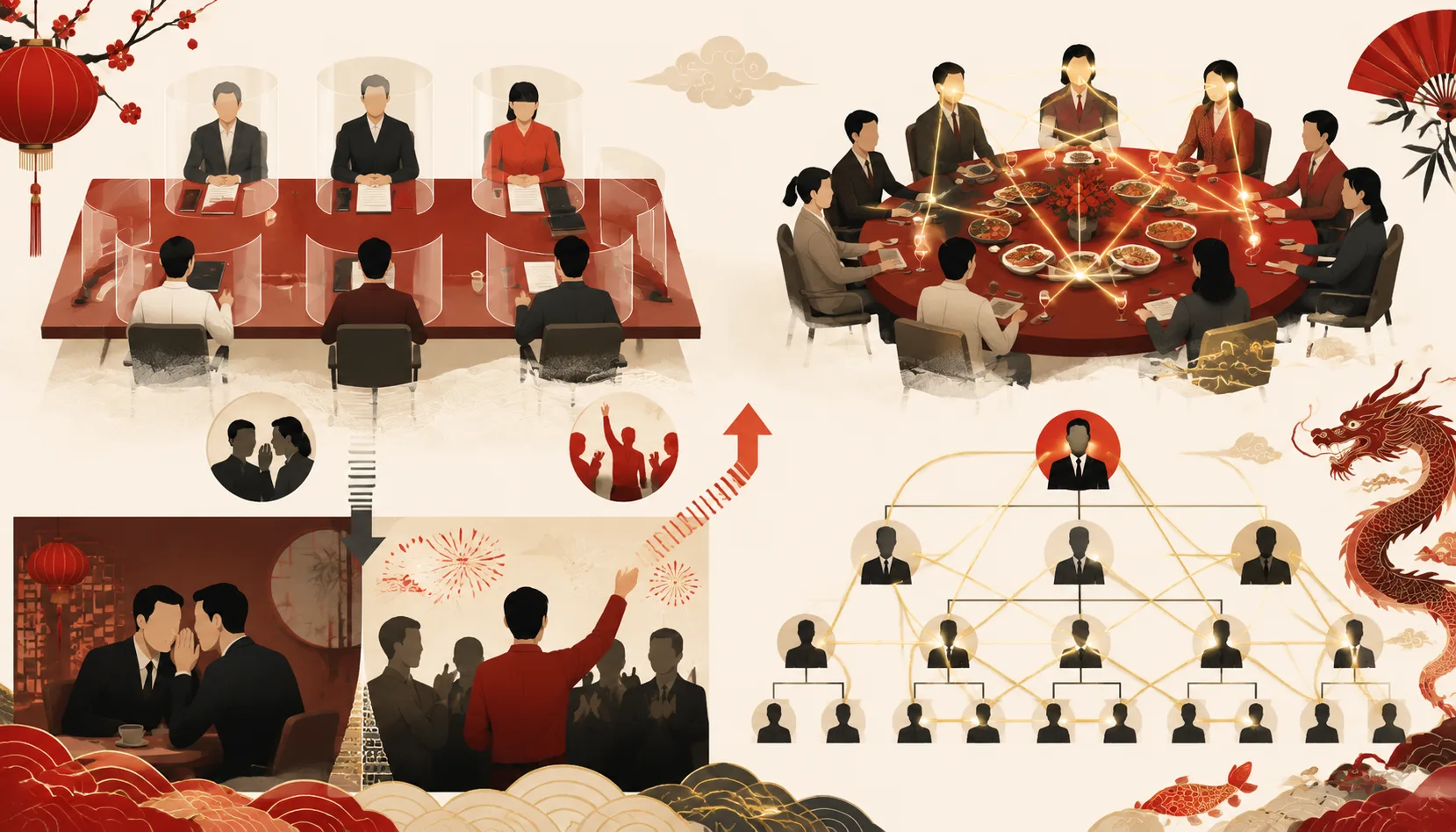
Face, Renqing & Guanxi at Work: Chinese Office Culture Decoded
In Chinese offices, mianzi governs public interactions, renqing tracks unspoken debts and credits, and guanxi maps actual influence beyond titles. To thrive, de…
Read the guide →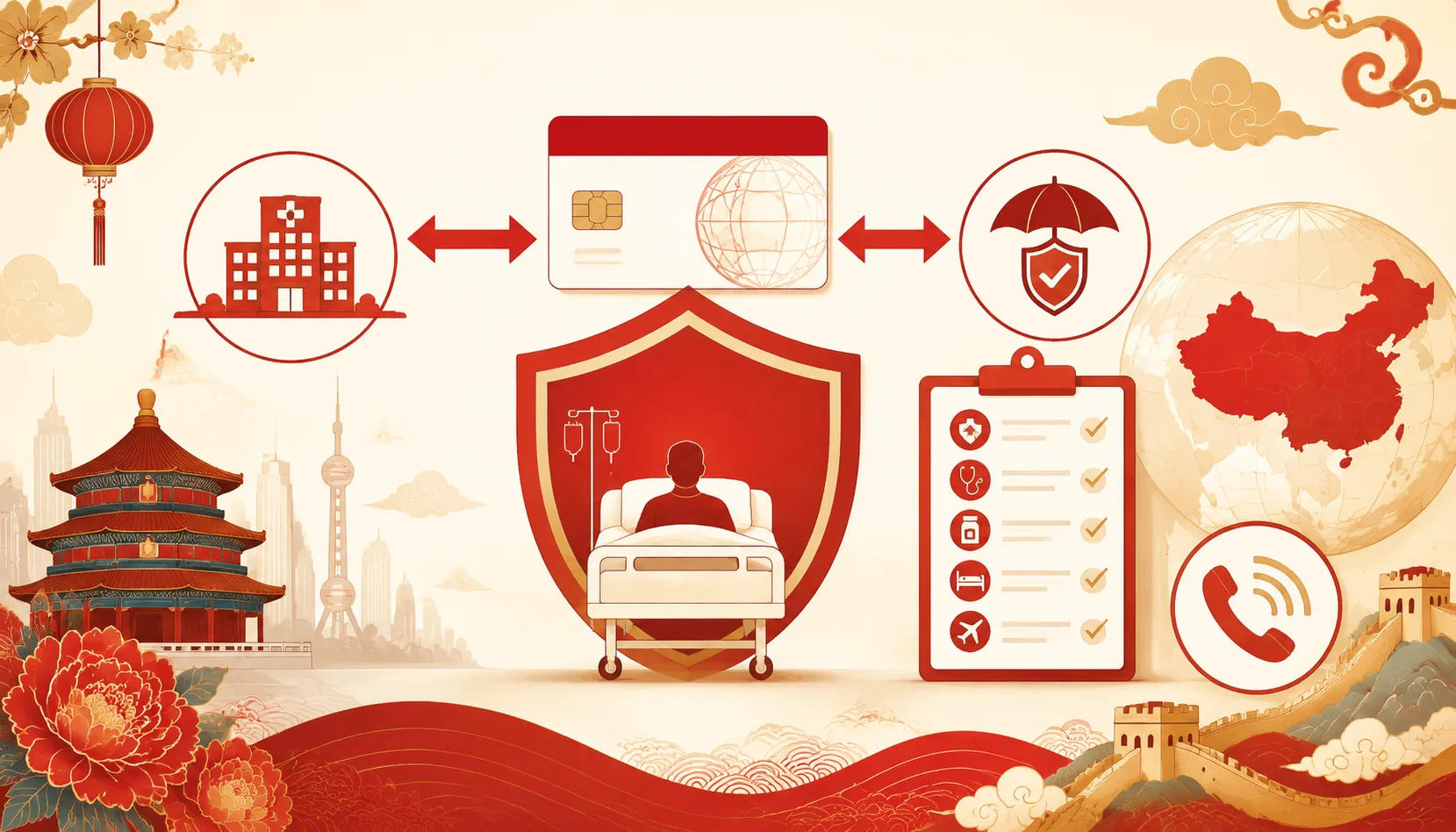
Medical Insurance for Foreigners in China: What You Actually Need
Don't assume China is cheap. While a common cold costs little, surgery, ICU stays, or international hospital visits can drain your savings. You need internation…
Read the guide →
China's IV Drip Culture: Why So Many Drips and Can You Refuse?
China's IV drip culture stems from historical patient demand for faster recovery and over-prescription in some clinics, though the government has cracked down o…
Read the guide →