Chinese Business Etiquette
Chinese business culture — meetings, hierarchy, banquets, and building relationships. (Guides coming as we verify sources.)
 🔒 VIP
How to Make 1 + 1 Greater Than 2
The most comfortable partner is not always the most useful one. Learn what to examine before assuming similarity will produce a better joint result.
Read the guide → 🔒 VIP
One Thread Cannot Make a Cord
Strong individuals do not automatically form a strong team. The article examines the coordination failures that appear between talent and a reliable shared resu…
Read the guide → 🔒 VIP
Don't Make Yourself the Easiest Target
Talent helps, but displaying every strength in every room can change how colleagues use, judge, or resist you. This guide explains what to notice before showing…
Read the guide → 🔒 VIP
Win-Win Is the Highest Form of Social Intelligence
A durable deal gives both sides a reason to continue. Understand each side’s benefits, contributions, and risks; share credit and keep promises. A useful conces…
Read the guide →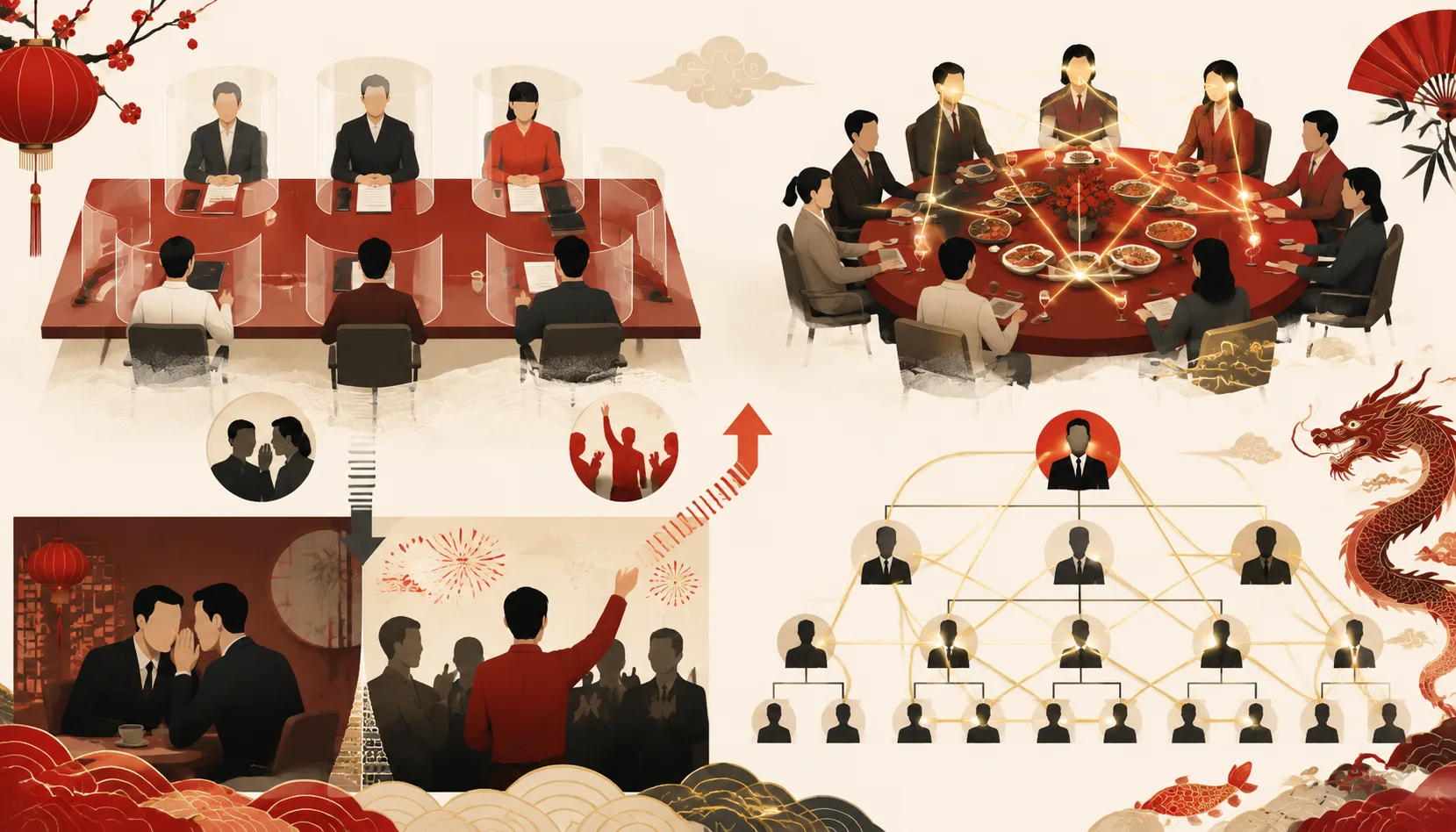 🔒 VIP
The World Is Full of “Smart” Fools
Da zhi ruo yu points to wisdom that does not need constant display. Focus on good outcomes, share credit, own mistakes, and choose when to speak or correct some…
Read the guide →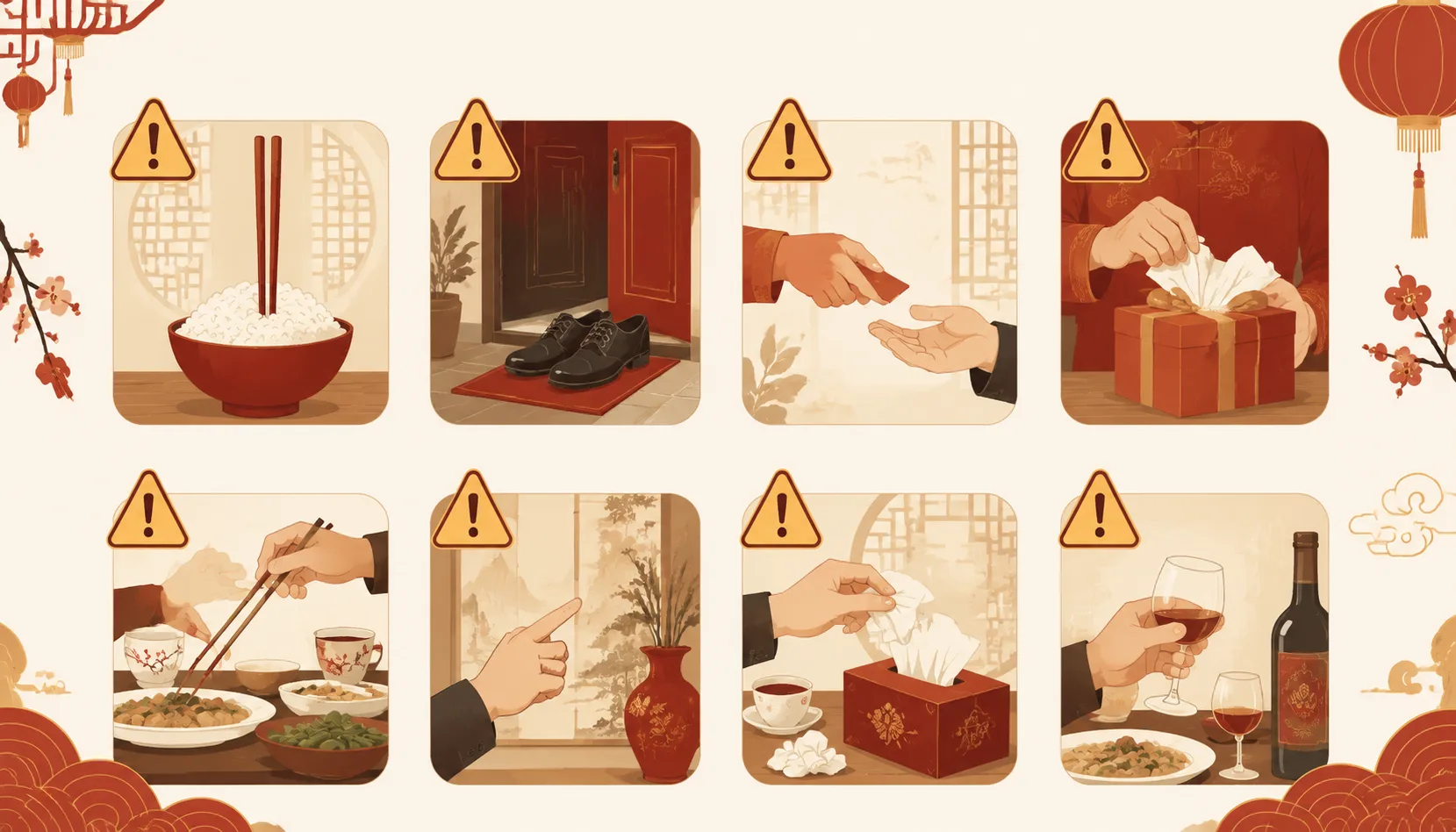 🔒 VIP
Water Too Clear Has No Fish
High standards work best with room for ordinary human differences and mistakes. Distinguish a harmless difference from a correctable error or a repeated harmful…
Read the guide → 🔒 VIP
Don't Make Enemies You Don't Need
Judge people by repeated behavior, protect confidential information, and verify gossip before reacting. Avoid unnecessary public humiliation, document important…
Read the guide →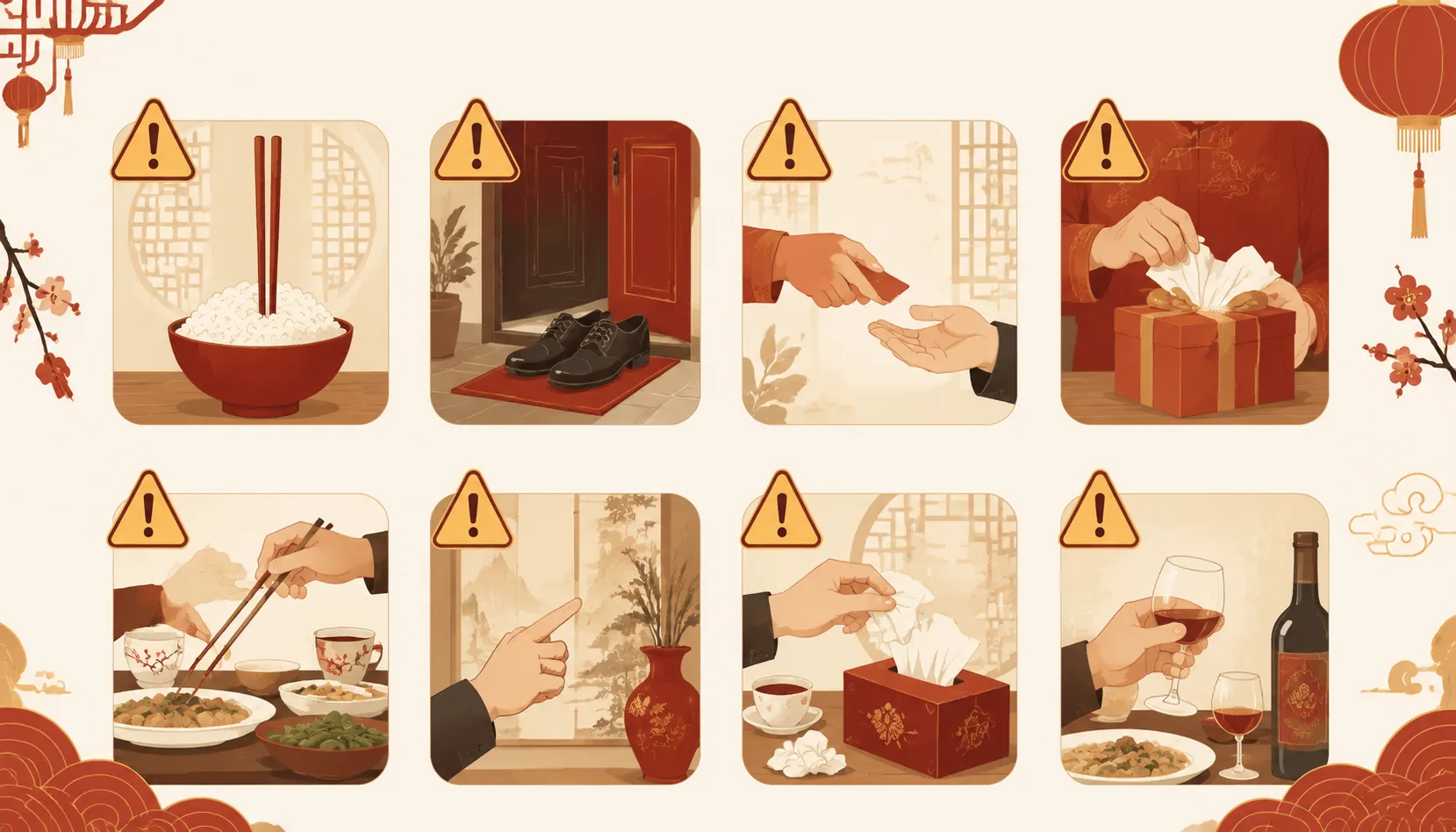 🔒 VIP
There Is No Free Lunch
An unexpected reward deserves an explanation. Before accepting a bargain or opportunity, ask who benefits, why there is urgency, and whether you must pay or sha…
Read the guide →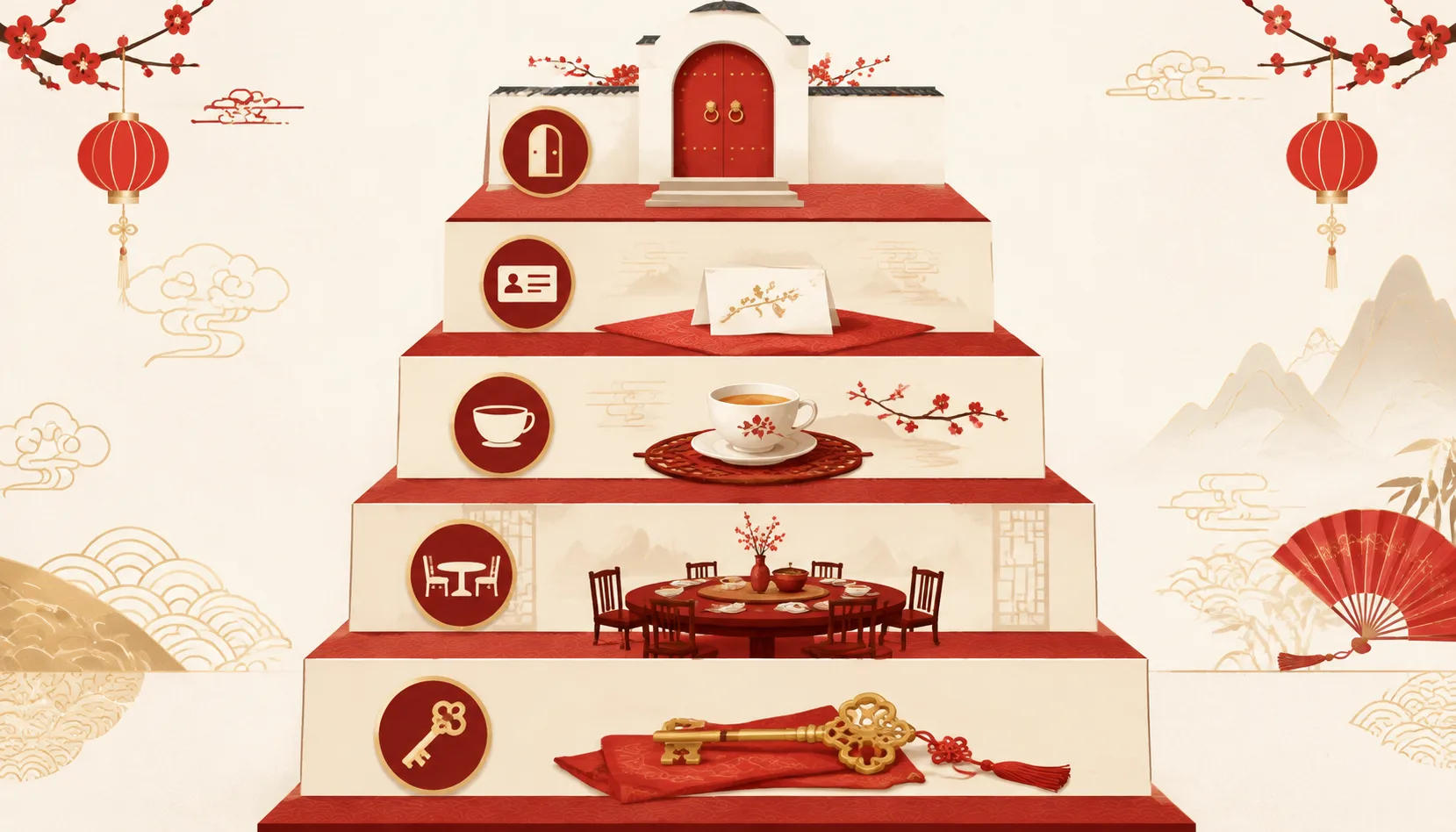 🔒 VIP
Be Honest, Not Naive
Honesty does not require complete disclosure. You can build trust gradually, decline intrusive questions truthfully, and protect confidential or strategic infor…
Read the guide → 🔒 VIP
No Permanent Friends, No Permanent Enemies?
Friendship and shared interests can coexist, but circumstances and incentives change. A practical approach to Chinese business relationships is to understand bo…
Read the guide →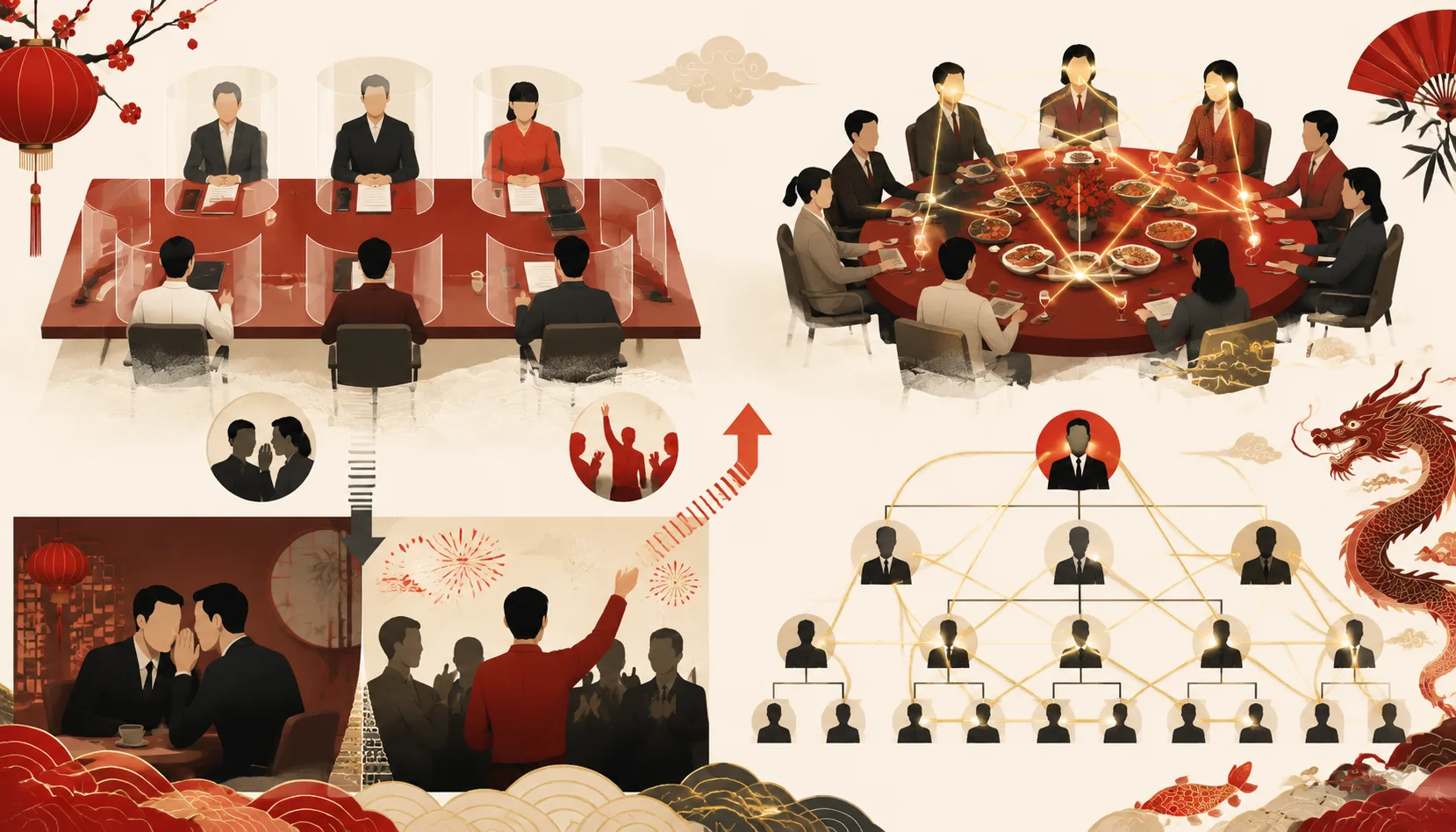 🔒 VIP
Why Smart People Still Fail in China
Renqing shigu describes understanding people, obligations, timing, and the social consequences of your actions. In Chinese professional life, technical ability …
Read the guide →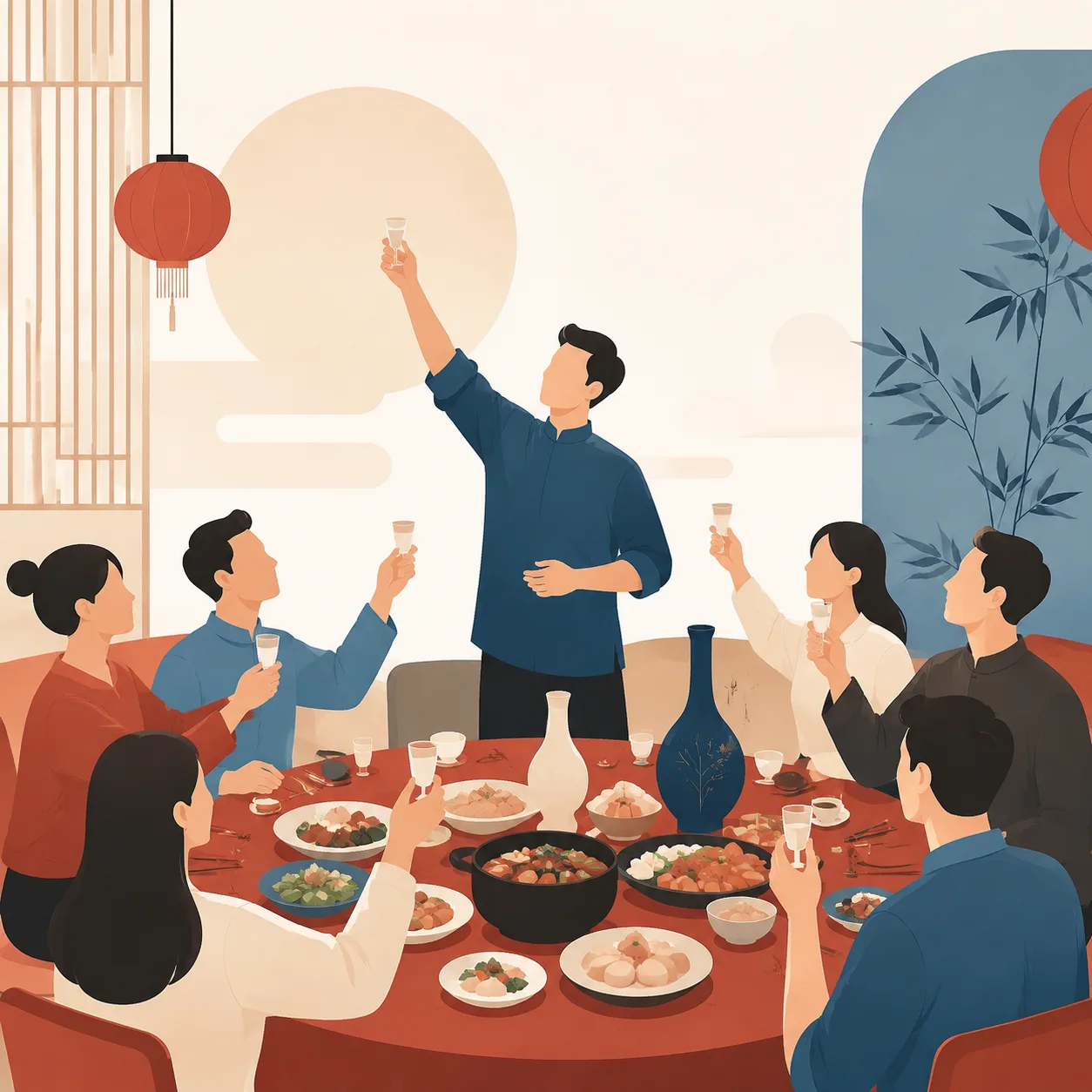 🔒 VIP
Chinese Drinking and Toasting Etiquette
Chinese toasts can express respect and goodwill, but drinking alcohol is optional. Watch the host, offer a short sincere toast, and state your limits clearly. T…
Read the guide → 🔒 VIP
The Complete Guide to Chinese Business Dinner Etiquette
At a formal Chinese business dinner, follow the host’s lead, wait for seating guidance, include everyone in conversation, and respect your own drinking limits. …
Read the guide → 🔒 VIP
What Chinese Leaders Look for in Young Professionals
Ask a Chinese executive to describe her ideal young hire, and you will rarely hear "brilliant," "creative," or even "ambitious." You will hear one word, repeate…
Read the guide → 🔒 VIP
Guanxi: Why Relationships Are China's Most Powerful Professional Currency
In a village in Henan province, a grandmother keeps a red clothbound notebook in a drawer beside the television. Inside, in careful columns, runs a twenty-year …
Read the guide → 🔒 VIP
How Seniority and Merit Interact in Chinese Career Advancement
Li Wei hit 142 percent of his annual sales target — the best number on his team at a mid-sized electronics firm in Dongguan. When the regional manager position …
Read the guide → 🔒 VIP
Team Harmony Over Individual Opinion: A Chinese Workplace Paradox
On the fourteenth floor of a Hangzhou office tower, a product director finishes presenting a plan. It contains a flaw — a supplier timeline that everyone in the…
Read the guide → 🔒 VIP
How Conflict Is Managed (Quietly) in Chinese Workplaces
On a Tuesday morning in Shenzhen, an American manager named Daniel Brooks called the meeting he would spend months regretting. Two of his senior engineers — Wei…
Read the guide → 🔒 VIP
Why Silence in Chinese Meetings Is Not Emptiness
The conference room on the forty-second floor of a Shenzhen tower had floor-to-ceiling windows, a bowl of untouched fruit, and twelve people sitting very still.…
Read the guide → 🔒 VIP
How One Billion Job Seekers Shaped Chinese Workplace Culture
On a Sunday morning in late November, more than three million young Chinese citizens file into examination halls across the country — from Harbin to Hainan — to…
Read the guide → 🔒 VIP
What New Employees in China Are Really Expected to Do
It's 8:20 on a Monday morning in Guangzhou, forty minutes before the workday officially begins, and Xiao Lin is already at her desk. She has wiped down her keyb…
Read the guide → 🔒 VIP
How High Competition Shaped Communication Norms in Chinese Workplaces
Daniel had flown from Munich to Hangzhou with one question: could the engineering team deliver the software update by March? Around the conference table, eight …
Read the guide →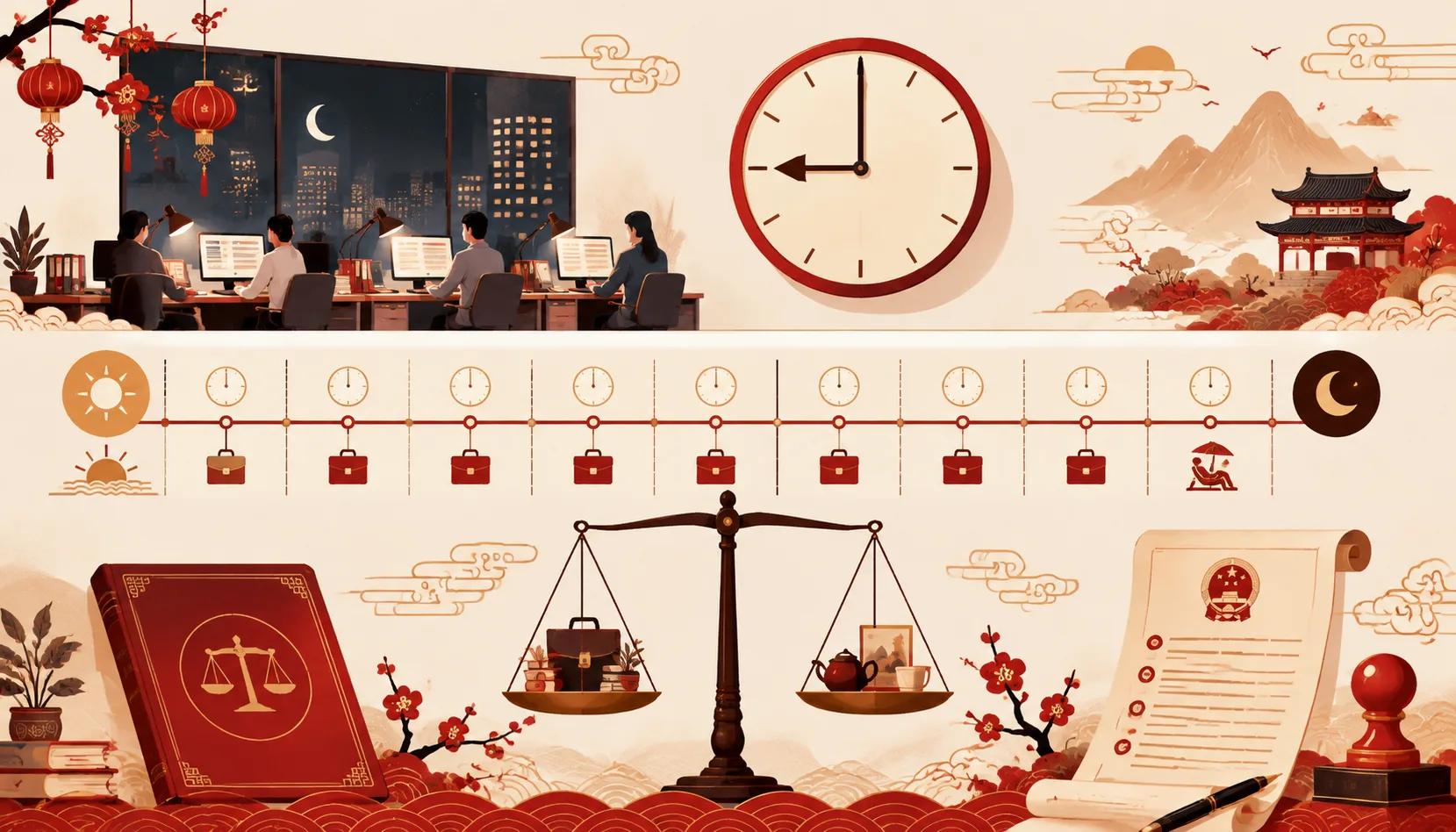 🔒 VIP
Why Long Hours Are a Statement as Much as a Schedule in China
It is 8:40 on a Tuesday evening on the twenty-third floor of a Hangzhou office tower, and Li Meng finished her work two hours ago. The quarterly report has been…
Read the guide →
How to Communicate with Your Chinese Boss: A Practical Guide
Never challenge your Chinese boss publicly, even when you're right. Use a three-step private formula — affirm the overall idea, add your suggestion, then lower …
Read the guide →