Why do Chinese professionals often work such long hours?
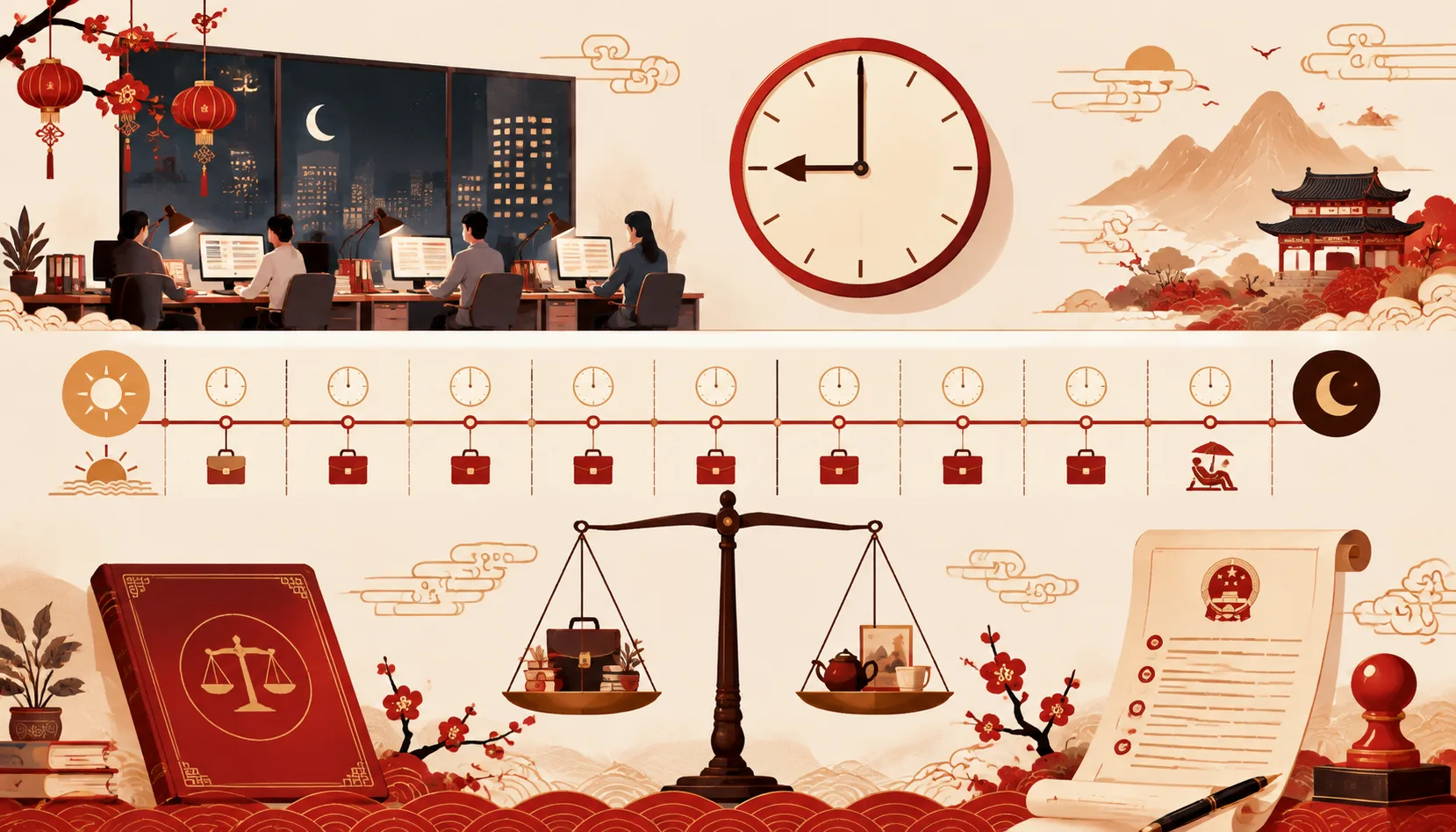
Quick answer
It is 8:40 on a Tuesday evening on the twenty-third floor of a Hangzhou office tower, and Li Meng finished her work two hours ago. The quarterly report has been sent, the tickets closed, the client answered. Yet she remains at her desk, drifting between a spreadsheet and her phone, because fiftee
It is 8:40 on a Tuesday evening on the twenty-third floor of a Hangzhou office tower, and Li Meng finished her work two hours ago. The quarterly report has been sent, the tickets closed, the client answered. Yet she remains at her desk, drifting between a spreadsheet and her phone, because fifteen meters away her team lead's coat is still draped over his chair. When he finally stands, stretches, and says "zǒu ba" — let's go — half the floor begins packing up within a minute, as if released by an invisible latch. Nothing in Li's contract describes this ritual. No memo mandates it. But nearly everyone on the floor performs it, and nearly everyone understands why.
A Language Without Vocabulary
In many Chinese workplaces, hours function as a communication system. Staying late says: I am committed to this team, I take my obligations seriously, I can endure. Leaving early — especially before one's manager — says something too, whether the leaver intends it or not. The key concept here is tàidù (态度), "attitude," a category that appears in performance evaluations with a weight that surprises outsiders. Knowledge work is notoriously hard to measure: a product manager's actual output resists simple metrics. So visibility becomes the proxy. Effort must be seen to be counted, and the most legible evidence of effort is physical presence after the official day has ended. Consider Zhang Rui, a software engineer in Shenzhen who left at 6 p.m. sharp for two months while his mother recovered from surgery. Nobody objected. Nobody mentioned it at all — until his year-end review, where his manager described him as technically strong but "not hungry enough." His raise was half what his peers received. No rule was cited, because no rule had been broken. The signal had simply been read. This is not unique to China — every office culture has some version of "face time." What distinguishes the Chinese case is the intensity and the near-universal fluency. Workers do not generally experience the system as deception; they experience it as etiquette, the way one knows not to sit before the eldest at a banquet table.
The Arithmetic of Scarcity
To understand why this signal carries such weight, look at the numbers Chinese workers grow up inside. Nearly twelve million university graduates now enter the job market each year, competing for white-collar positions that have not grown at the same pace. Before that comes the gaokao, the national college entrance exam, which sorts more than thirteen million teenagers annually by a single ranked score. From childhood, the lesson is absorbed: opportunity is finite, ranking is everything, and effort is the one variable you control. Layer onto this two deeper currents. There is the Confucian inheritance, in which loyalty to hierarchy and visible diligence are moral textures, and chīkǔ (吃苦) — literally "eating bitterness," enduring hardship — is a virtue rather than a complaint. And there is the legacy of the socialist dānwèi, the work unit, which treated the employer as a total community providing housing, schooling, and identity. The modern firm inherited that quasi-familial role: one's workplace is a community, and communities notice who shows up. Chinese internet users have their own word for the result: nèijuǎn (内卷), "involution," borrowed from anthropology to describe a competition in which everyone runs faster simply to stay in place. The overtime ritual is involution at the level of the workday — an auction where the currency is hours, and where no individual can unilaterally stop bidding without cost.
Continue Reading — VIP Only
The rest of this article — real patterns, recognition signals, and step-by-step guidance for foreign executives — is available for a one-time unlock.
- ✓ 19 deep-dive articles on real Chinese workplace dynamics
- ✓ Written for foreign professionals, managers & business owners
- ✓ All VIP tools included — AI-powered situation advisors
Includes all VIP tools + articles · Instant unlock
Try our tools
Related guides
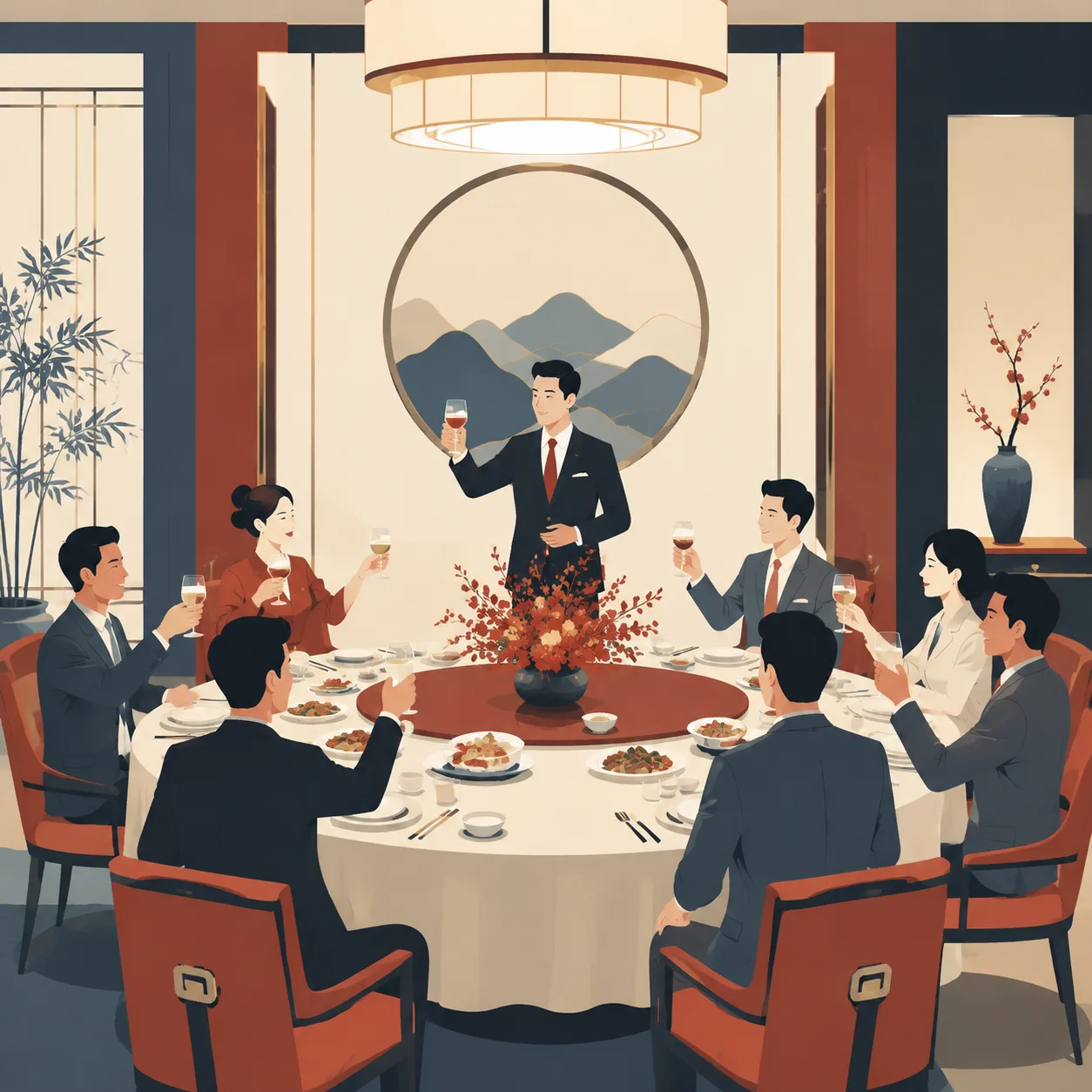
Chinese Business Banquet Protocol: Rules, Sequence, and What Not to Do
A Chinese business banquet is not a meal — it's a trust-building ceremony disguised as dinner. The food is secondary. The goal is to establish that you are a re…
Read the guide →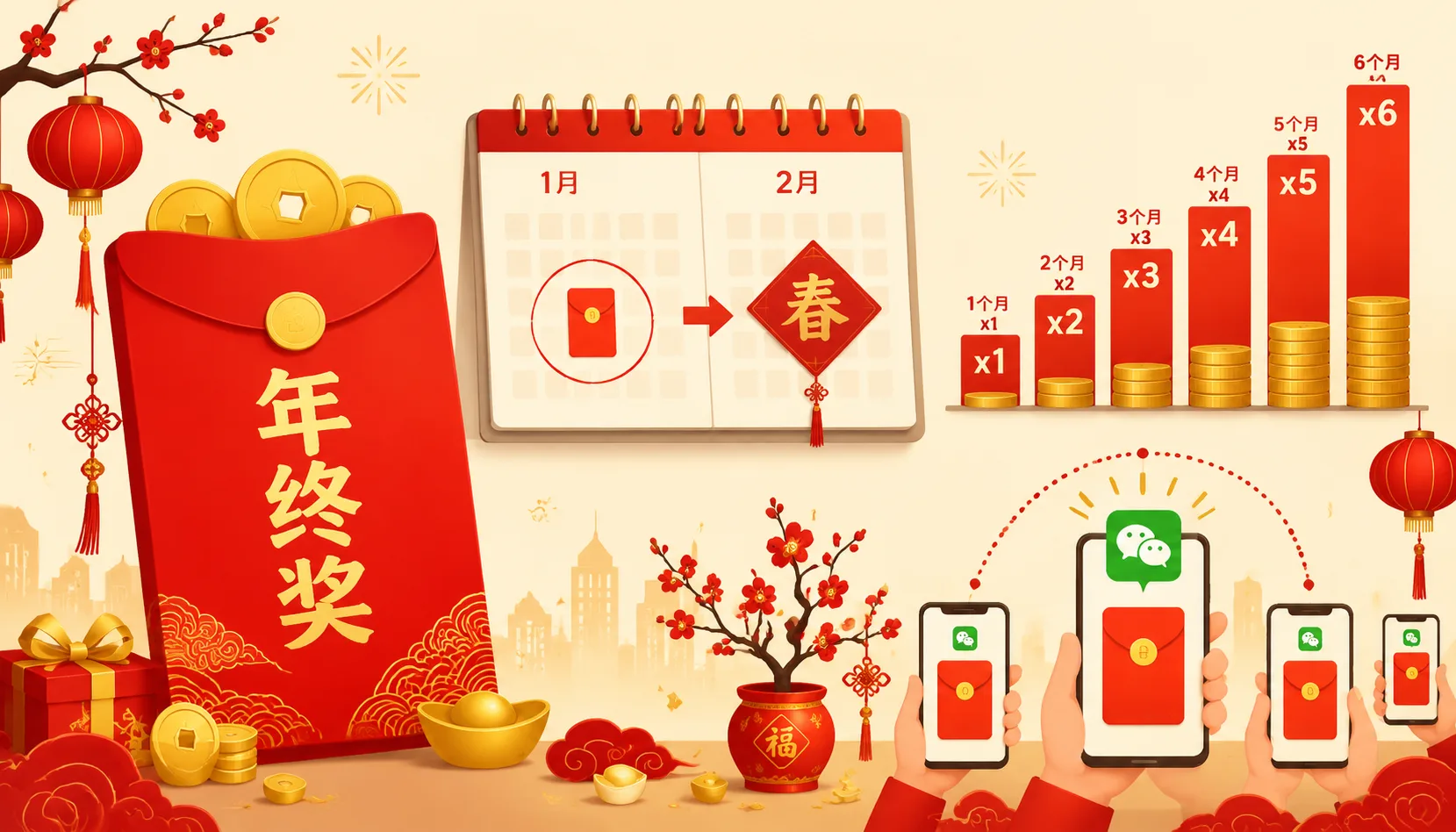
Chinese Annual Bonus (年终奖) Culture: What You Need to Know
The 年终奖 (niánzhōng jiǎng) is a culturally significant year-end bonus paid before Chinese New Year, often worth 1-6 months' salary. For expats, negotiate it in y…
Read the guide →
KTV in China Business: A Foreigner's Survival Guide to Karaoke Etiquette
Treat KTV as a relationship-building ritual, not a performance. Accept the invitation, participate enthusiastically by singing 1-2 songs (one from your home cou…
Read the guide →