Chinese Business Etiquette
Chinese business culture — meetings, hierarchy, banquets, and building relationships. (Guides coming as we verify sources.)

Chinese Business Card Etiquette: How to Exchange Cards
In China, the business card is not a contact-sharing tool. It is a formal introduction of your identity and position. Present it with both hands, Chinese side f…
Read the guide →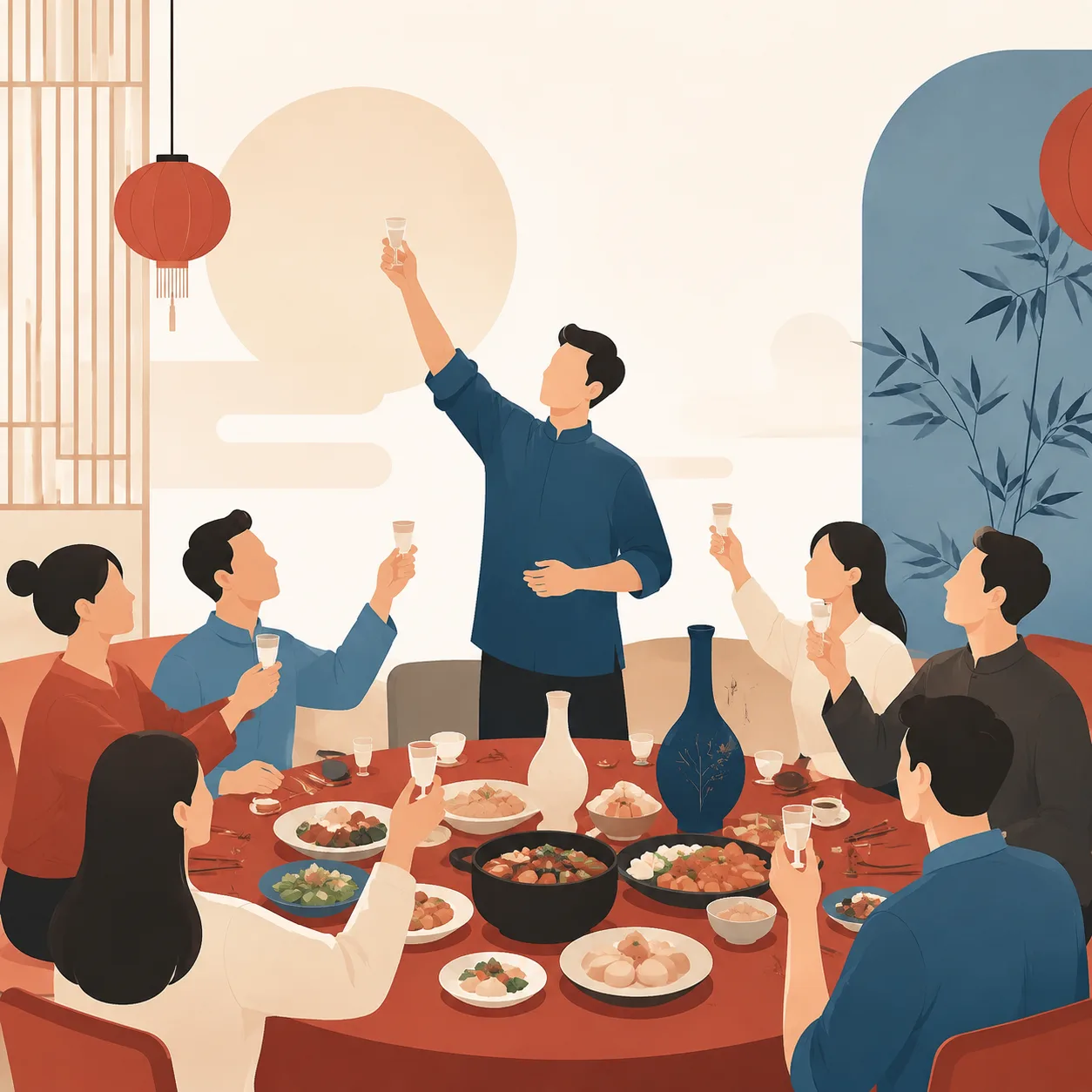 🔒 VIP
🔒 VIP18 Unwritten Rules of Chinese Drinking Dinners
A practical review of 18 drinking-dinner rules, separating useful signals from customs that depend on the host, region, generation, and level of formality.
Read the guide → 🔒 VIP
🔒 VIPWhy Showing Too Much Edge Can Hurt You in China
Showing ability does not require taking all the credit or cornering the other side. Share the benefits of success, give others a graceful way to respond, and us…
Read the guide → 🔒 VIP
🔒 VIPWhat 'Collective Success' Actually Looks Like in Chinese Team Culture
On the forty-first floor of a Hangzhou office tower, forty employees are packed around four round tables at a celebration dinner. The feature they spent eleven …
Read the guide → 🔒 VIP
🔒 VIPWhy Formality in Chinese Workplaces Is a Sign of Respect, Not Distance
The morning after the banquet, Mark Collins woke up confused. The British sourcing manager had spent the previous evening at a round table in Guangzhou — endles…
Read the guide → 🔒 VIP
🔒 VIPHow to Deliver Bad News in a Chinese Professional Context
The meeting room on the 34th floor of a Shenzhen office tower had gone very quiet. A visiting European project director had just announced — helpfully, he thoug…
Read the guide → 🔒 VIP
🔒 VIPLearning to Read the Room: Social Signals in Chinese Workplaces
The meeting had been running for eleven minutes when Chen Lu made her mistake. Fresh from three years at a Boston consulting firm and newly hired by a technolog…
Read the guide → 🔒 VIP
🔒 VIPWhy Volunteering for Extra Work Signals More Than Enthusiasm in China
It is 6:40 p.m. on a Friday in Hangzhou, and the weekly wrap-up meeting is almost over when Director Wang lets a sentence hang in the air: headquarters wants a …
Read the guide → 🔒 VIP
🔒 VIPWhat Loyalty Means in a Chinese Organization
On a Tuesday evening in Shenzhen, Li Wei, a 29-year-old product manager, turned down a job offer that would have raised his salary by forty percent. His decisio…
Read the guide → 🔒 VIP
🔒 VIPHow Chinese Professionals Say No Without Saying No
Marcus, a German engineering manager newly posted to Shenzhen, needed a test report by Friday. On Tuesday he messaged his colleague Li Wei to ask if it was poss…
Read the guide → 🔒 VIP
🔒 VIPWhy Chinese Teams Often Reach Decisions Before the Meeting Starts
The conference room on the thirty-fourth floor of a Shenzhen office tower seats fourteen. On a Tuesday morning in March, eleven people file in, pour tea, and op…
Read the guide → 🔒 VIP
🔒 VIPWhy Chinese Business Dinners Are About So Much More Than Food
The private dining room on the fourth floor of a Hefei hotel seats fourteen, and Daniel Brooks, a thirty-four-year-old procurement director from Denver, has arr…
Read the guide → 🔒 VIP
🔒 VIPGuanxi Is Not a Magic Shortcut
Guanxi can open doors, but it is not a magic shortcut. The article shows what relationships are quietly testing before access becomes trust.
Read the guide →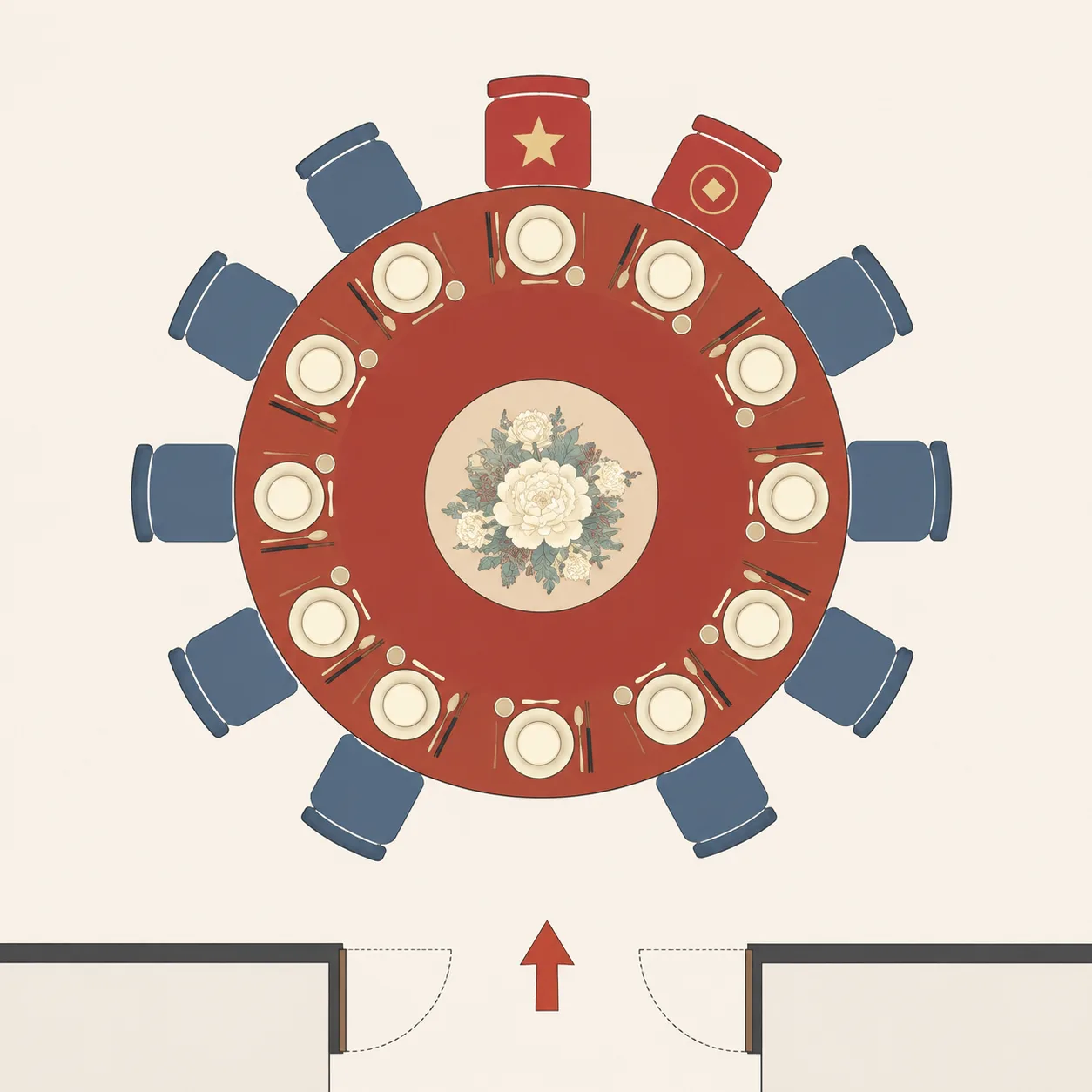 🔒 VIP
🔒 VIPWhere Do I Sit? The Chinese Business Banquet Playbook
Ask the host where to sit instead of relying on a fixed seating diagram. Follow the room’s cues for ordering, tea, shared dishes, payment, and departure. Practi…
Read the guide →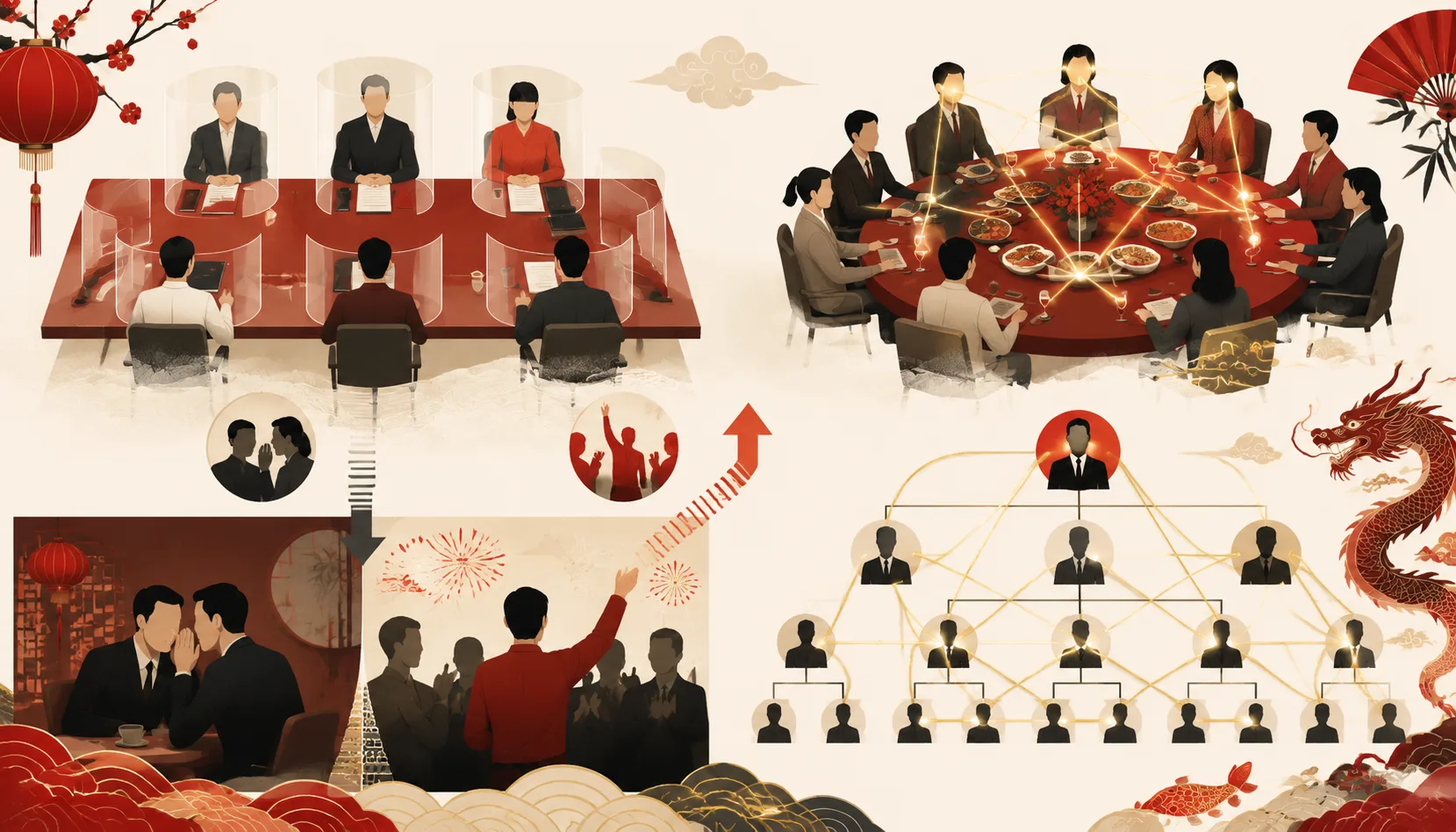 🔒 VIP
🔒 VIPWhy Smart People Don't Always Look Smart
The need to look intelligent can compete with the need to improve the decision. This guide explores correction, silence, simple questions, and useful visibility…
Read the guide →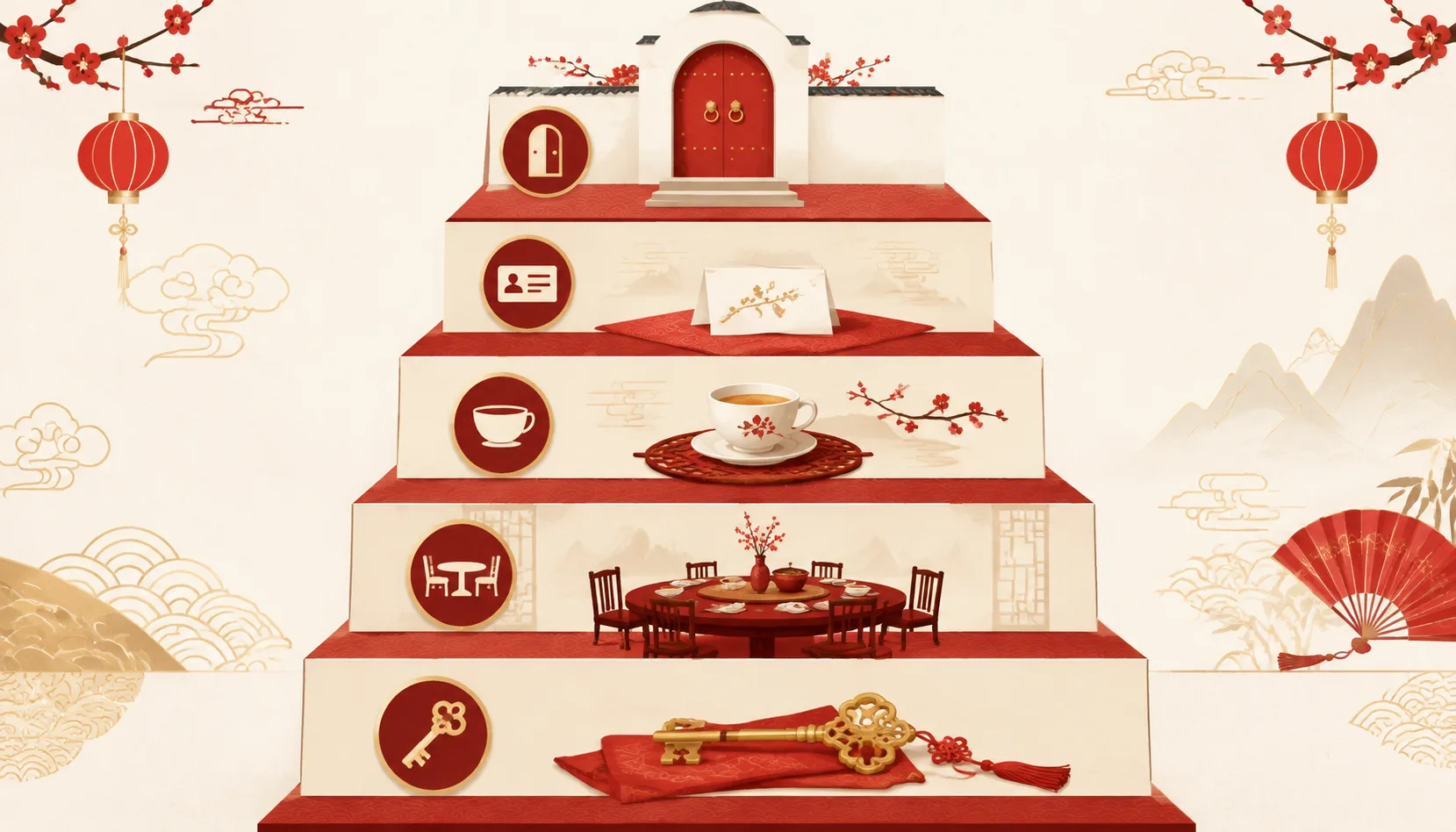 🔒 VIP
🔒 VIPYour Trust Account
Trust often changes through small deposits and withdrawals long before anyone names the problem. The article maps the signals that alter future flexibility.
Read the guide → 🔒 VIP
🔒 VIPWhen Not to Make Your Move
Fast action can capture an opportunity or bypass the checks that would change your decision. Learn what separates patience from fear and speed from recklessness…
Read the guide → 🔒 VIP
🔒 VIPSay Enough, Not Everything
Truthfulness does not decide who needs every detail or when they need it. This guide examines the judgment required between silence, disclosure, and oversharing…
Read the guide → 🔒 VIP
🔒 VIPSelf-Interest Is Not the Enemy
People can share values and still respond to different risks and rewards. This guide helps reveal incentives without treating every human motive as a transactio…
Read the guide → 🔒 VIP
🔒 VIPSquare Within, Round Without
Rigid form and firm principle are not the same thing. The article examines how people adapt wording, timing, and process without losing the standard underneath.
Read the guide → 🔒 VIP
🔒 VIPPrinciple and Profit
A good principle still needs a workable incentive structure. The article explores how to protect values while seeing the practical interests that keep cooperati…
Read the guide → 🔒 VIP
🔒 VIPFix the Problem, Not Just the Person
Replacing or criticizing one person can feel decisive while leaving the cause untouched. This guide helps distinguish a human mistake from a system that keeps r…
Read the guide → 🔒 VIP
🔒 VIPWhy Chinese People Sometimes Speak Vaguely
Vague language may hide uncertainty, preserve flexibility, or soften a refusal. The challenge is finding the missing commitment without forcing a false yes.
Read the guide →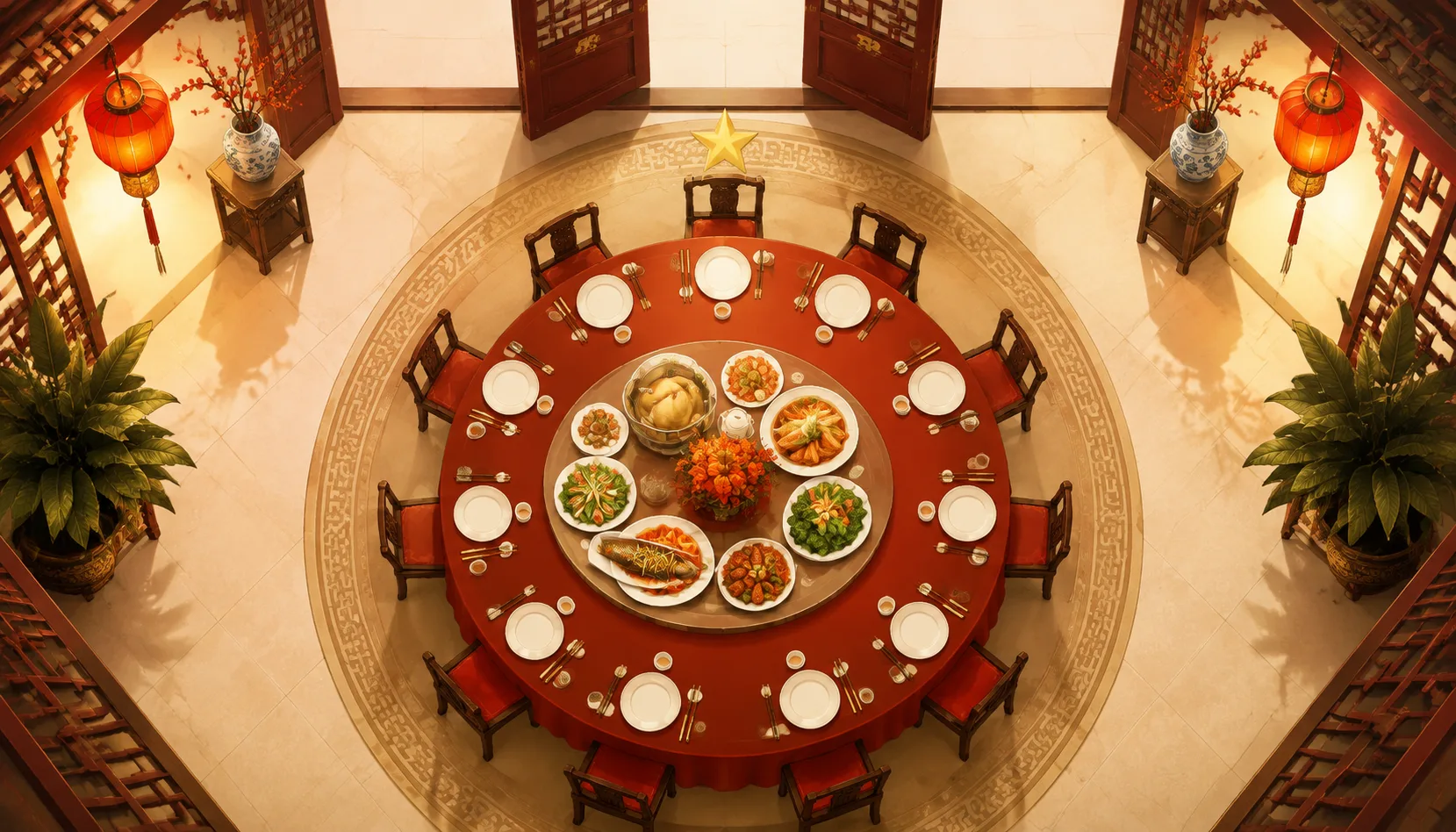 🔒 VIP
🔒 VIPChina at the Dinner Table
A Chinese business meal can carry information that never appears in the meeting. This guide maps the questions worth watching as the table changes around you.
Read the guide →