Why Showing Too Much Edge Can Hurt You in China
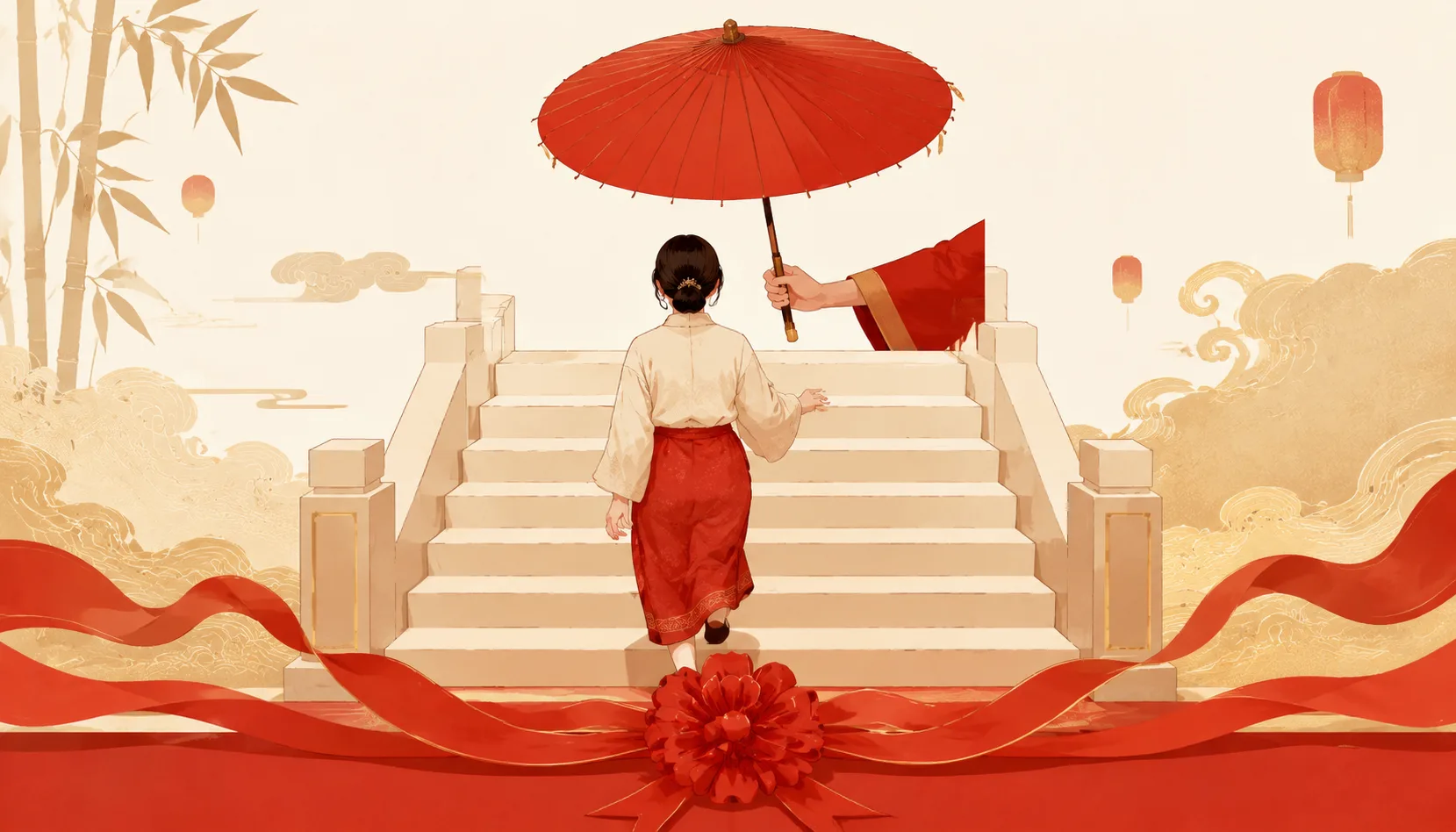
A Situation You May Recognize
A New York attorney joins a cross-border project and quickly becomes the person with the best answers. In meetings, he corrects weak arguments, finishes other people’s sentences, and makes sure the client knows which ideas were his. Soon, teammates contribute less and important conversations happen before he enters the room.
His expertise has not declined. The value other people attach to helping him has.
Share the benefit, control your brilliance, and never corner the other side
There is an old Chinese idea:
When the road is narrow, leave room for another person to pass. When the food is delicious, leave some for others to taste.
It comes from a simple view of social life:
If you take everything, eventually other people stop helping you get anything.
This is one of the most practical ideas behind traditional Chinese interpersonal strategy.
It does not mean being weak.
It means understanding that success usually involves other people.
1. Do Not Take Every Benefit for Yourself
Imagine that a team completes a successful project.
One person takes all the credit.
The bonus is his.
The praise is his.
The presentation makes it sound as if everyone else merely watched.
Technically, perhaps he really did contribute the most.
But socially, he has created a problem.
The rest of the team now thinks:
“If he succeeds, we get nothing.”
The next time he needs help, enthusiasm disappears.
This is why Chinese social wisdom repeatedly warns against 独吞 — dútūn, “swallowing everything alone.”
A better strategy is:
Make sure the people who helped create the result can also feel the result.
This can mean money.
But often it means something much smaller:
- credit,
- recognition,
- opportunity,
- information,
- a useful introduction,
- a chance to present,
- or simply a sincere thank-you in front of the right people.
You do not need to divide everything equally.
You need to avoid building a system in which your success requires everyone else to lose.
That instinct to take everything has a name in Chinese — and the price people pay for it rarely appears in the contract itself.
Continue Reading — VIP Only
The rest of this article — real patterns, recognition signals, and step-by-step guidance for foreign executives — is available for a one-time unlock.
- ✓ Full article, including every example and action step
- ✓ Written for foreign professionals, managers & business owners
- ✓ Long-term access on this browser
Article preselected · One-time payment · Instant unlock
Try our tools
Related guides
Why Smart People Still Fail in China
Renqing shigu describes understanding people, obligations, timing, and the social consequences of your actions. In Chinese professional life, technical ability …
Read the guide →
No Permanent Friends, No Permanent Enemies?
Friendship and shared interests can coexist, but circumstances and incentives change. A practical approach to Chinese business relationships is to understand bo…
Read the guide →
Be Honest, Not Naive
Honesty does not require complete disclosure. You can build trust gradually, decline intrusive questions truthfully, and protect confidential or strategic infor…
Read the guide →More in Business & Workplace
Why Long Hours Are a Statement as Much as a Schedule in China
It is 8:40 on a Tuesday evening on the twenty-third floor of a Hangzhou office tower, and Li Meng finished her work two hours ago. The quart…
Read Preview →🔒 VIPHow High Competition Shaped Communication Norms in Chinese Workplaces
Daniel had flown from Munich to Hangzhou with one question: could the engineering team deliver the software update by March? Around the conf…
Read Preview →🔒 VIPWhat New Employees in China Are Really Expected to Do
It's 8:20 on a Monday morning in Guangzhou, forty minutes before the workday officially begins, and Xiao Lin is already at her desk. She has…
Read Preview →