How does decision-making work in Chinese organizations?

The conference room on the thirty-fourth floor of a Shenzhen office tower seats fourteen. On a Tuesday morning in March, eleven people file in, pour tea, and open their notebooks. A finance director presents a plan to restructure procurement — a decision affecting sixty suppliers and several million yuan. She speaks for five minutes. The general manager surveys the table: "Does anyone have anything to add?" Six seconds of silence. Polite nods. "Then it's settled." The meeting has lasted twelve minutes. A British consultant attending as an observer checks his watch, bewildered. Where was the debate? The challenge? The devil's advocate? The debate happened — all of it. It happened the previous week, in fragments: two WeChat voice messages on Monday, a shared taxi on Wednesday, a long lunch in the staff canteen on Friday, a carefully timed elevator ride with the general manager. By the time the calendar invitation went out, everyone in the room knew the decision. More importantly, everyone knew that everyone else knew. Welcome to one of the most misunderstood rituals of the Chinese workplace: the meeting that decides nothing, because everything has already been decided.
The meeting took twelve minutes, but the decision had already been made in the days before it.
Continue Reading — VIP Only
The rest of this article — real patterns, recognition signals, and step-by-step guidance for foreign executives — is available for a one-time unlock.
- ✓ Full article, including every example and action step
- ✓ Written for foreign professionals, managers & business owners
- ✓ Long-term access on this browser
Article preselected · One-time payment · Instant unlock
Related guides
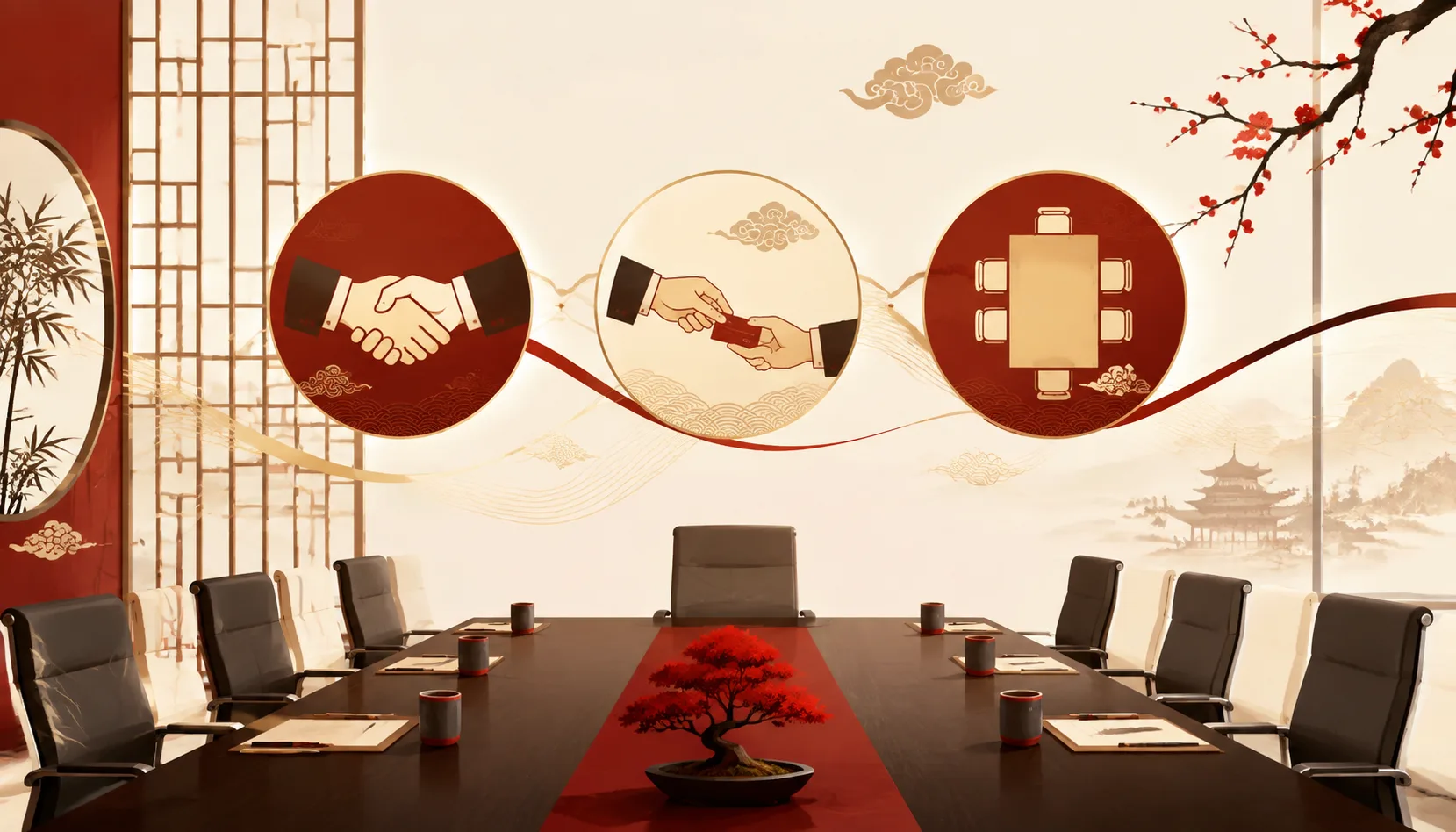
Chinese Business Etiquette Guide 2026: What You Must Know
Chinese business etiquette is easier to navigate when you watch three recurring patterns: relationship-building (guanxi), protecting dignity in public (mianzi),…
Read the guide →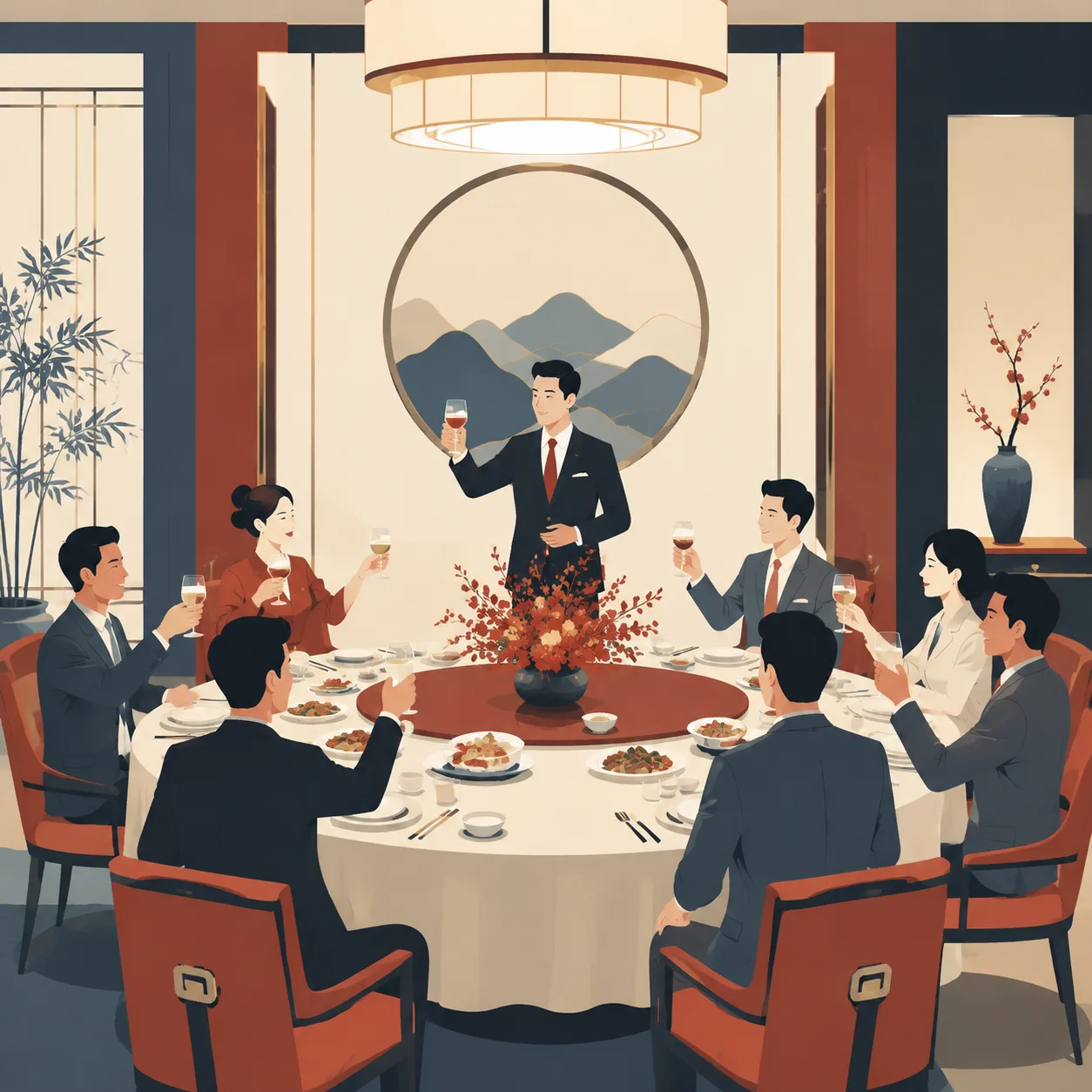
Chinese Business Banquet Protocol: Rules & What Not to Do
A Chinese business banquet is not a meal — it's a trust-building ceremony disguised as dinner. The food is secondary. The goal is to establish that you are a re…
Read the guide →
Chinese Business Communication Style: Indirect Signals
Chinese business communication is high-context: what matters is often what's not said — the tone, the timing, who said it, and what was conspicuously omitted. W…
Read the guide →More in Business & Workplace
Why Long Hours Are a Statement as Much as a Schedule in China
It is 8:40 on a Tuesday evening on the twenty-third floor of a Hangzhou office tower, and Li Meng finished her work two hours ago. The quart…
Read Preview →🔒 VIPHow High Competition Shaped Communication Norms in Chinese Workplaces
Daniel had flown from Munich to Hangzhou with one question: could the engineering team deliver the software update by March? Around the conf…
Read Preview →🔒 VIPWhat New Employees in China Are Really Expected to Do
It's 8:20 on a Monday morning in Guangzhou, forty minutes before the workday officially begins, and Xiao Lin is already at her desk. She has…
Read Preview →