Why Chinese Business Dinners Are Really Trust Tests
Quick answer
Chinese business dinners are less about food and more about gauging your character—hosts observe your manners, respect, and patience as signals of trustworthiness. The meal unfolds in stages, from formal toasts to relaxed conversation, testing your adaptability. Show genuine courtesy to everyone, and you’ll fast-track a lasting partnership.
Introduction: The Dinner That Was Never Just Dinner
You've been in China for six months. Your local partner, Mr. Wang, invites you to dinner. You assume it's a casual meal to get to know each other. But halfway through, you realize something deeper is happening. He watches how you treat the waitstaff. He notices how you handle your glass during toasts. He casually asks about your family, your hobbies, your views on a recent industry trend.
This is not small talk. This is a trust test.
In Chinese business culture, the dinner table (饭局, fànjú) is where relationships are built, evaluated, and deepened. It's not just about food—it's a social laboratory where hosts and guests assess each other's character, reliability, and long-term potential. For Westerners, understanding this hidden layer can mean the difference between closing deals and being politely kept at arm's length.
This article breaks down what's really happening at a Chinese business dinner, what behaviors are being observed, the four stages of a relationship-building meal, and how you can use these insights to accelerate trust with your Chinese counterparts.
What Is Fanju Really About?
In China, business rarely happens in the boardroom first. It happens over dinner. The term 饭局 (fànjú) literally means 'meal gathering,' but its function goes far beyond eating.
Think of fanju as a relationship accelerator. In a formal meeting, people wear masks. They stick to scripts. They protect their positions. But at a dinner table, especially after a few glasses of baijiu (白酒), people start to relax. They reveal more of their true personality. They test each other in ways that would be inappropriate in an office.
For a Chinese host, a dinner invitation is often a signal: 'I'm willing to invest time in you.' It's a chance to see if you're someone worth doing business with—not just on paper, but as a person.
For a guest, the dinner is an opportunity to demonstrate trustworthiness through actions, not just words. Every gesture, every toast, every reaction is part of an unspoken evaluation.
What Hosts Are Really Observing
During a fanju, your Chinese host is not just enjoying the meal—they're collecting data about you. Here are the key behaviors they're silently evaluating:
- How you treat the waitstaff: This is one of the most telling tests. If you're rude, dismissive, or demanding to servers, it signals that you might treat junior partners or employees the same way. A host who sees respectful treatment of staff will likely view you as someone with good character (人品, rénpǐn).
- How you handle alcohol: Drinking is a central part of many fanju. How you pace yourself, whether you know your limits, and how you handle being offered a toast all reveal self-control and social awareness. Getting sloppy drunk can be seen as a lack of discipline, while refusing to drink at all might make you seem distant or untrusting. The key is to participate gracefully, even if you're not a big drinker.
- How you handle toasts: Toasting is a ritual with rules. When someone toasts you, you should stand (if you're the junior party), make eye contact, and take at least a sip. The person of lower status typically lowers their glass slightly below the other person's glass as a sign of respect. How you navigate these nuances shows whether you understand hierarchy and respect—critical in Chinese business culture.
- Your table manners: Do you try new dishes? Do you use chopsticks correctly? Do you wait for the host to start eating? These small details signal whether you're adaptable, respectful, and willing to embrace local customs.
- Your conversation topics: In the early stages, hosts avoid heavy business talk. They steer toward personal topics—your family, your hometown, your hobbies. This is not idle chatter; it's a way to gauge your values and whether you're a 'whole person' they can relate to.
Remember: at a fanju, you are being interviewed for a long-term relationship, not just a transaction.
The 4 Stages of a Chinese Relationship Dinner
Not all fanju are the same. Depending on how well you know the host, the dinner will follow one of four stages, each with its own purpose and rules.
Stage 1: The Icebreaker (破冰, pòbīng)
This is the first meeting. The goal is purely to see if you're someone they'd like to know better. The conversation is light—industry trends, travel, food, family. Business is rarely discussed. The host is testing your basic social skills and whether you're 'easy to get along with' (好相处, hǎo xiāngchǔ).
Stage 2: The Trust Builder (建立信任, jiànlì xìnrèn)
By now, you've met once or twice. This dinner is about deepening trust. The host might share a personal story or ask about your challenges in China. They're seeing if you're genuine. You might also be introduced to other people in their network—a sign that they're starting to vouch for you.
Stage 3: The Relationship Solidifier (巩固关系, gǒnggù guānxi)
At this point, you're no longer a stranger. The dinner feels more relaxed. The host may discuss potential collaborations, but only in general terms. They're testing your attitude toward mutual benefit. This is also when you might start receiving invitations to more personal events, like a family dinner or a weekend trip.
Stage 4: The Partnership Launch (合作启动, hézuò qǐdòng)
This is the dinner where business gets real. The host brings in key decision-makers. Toasts become more formal, and specific opportunities are discussed. By this stage, you've passed the trust tests. Now it's about aligning interests and showing commitment.
Each stage is a gate. Don't try to skip ahead—it will be seen as pushy or disrespectful.
How to Accelerate Trust Through Dinners
If you want to move faster in building relationships, you need to be intentional about your behavior at every meal. Here are actionable tips:
- Arrive early: Being on time shows respect for the host's time. In China, arriving a few minutes early is a sign of seriousness.
- Let the host lead: Don't order for the table. Don't start eating before the host. Watch what they do and follow.
- Show genuine interest: Ask about the host's family, hometown, or recent achievements. People open up when you show authentic curiosity.
- Be a good guest: Compliment the food, thank the host, and offer to pour tea for others. Small courtesies go a long way.
- Handle alcohol strategically: If you don't drink, say so politely and offer an alternative (like tea). If you do drink, pace yourself. Never get drunk—it's a major red flag.
- Use the 'small favor' technique: During the dinner, ask for a small piece of advice or a minor introduction. This gives the host a chance to help you, which builds a bond. Later, you can reciprocate.
- Follow up within 24 hours: Send a WeChat message thanking them for the meal and mentioning something specific you enjoyed. This shows you were paying attention.
Remember: trust is built in small increments. Each dinner is a step forward, not a leap.
Common Mistakes Westerners Make at Fanju
Avoid these pitfalls to prevent damaging your relationship before it even starts:
- Being too transactional: If you bring up business in the first dinner, you'll seem pushy. Let the host set the pace.
- Refusing to participate in toasts: Even if you don't drink, you can raise a glass of tea or water. Refusing entirely can be seen as a rejection of the host's goodwill.
- Ignoring hierarchy: In China, seating and toasting often reflect seniority. Always let the most senior person sit in the 'seat of honor' (facing the door) and initiate toasts.
- Being rude to staff: This is an instant red flag. Treat every server with kindness.
- Eating too quickly: The meal is meant to last. Eating fast signals you're not interested in the social interaction.
If you make a mistake, don't panic. A sincere apology and a willingness to learn will often be forgiven—especially if the host sees you're making an effort.
The Bigger Picture: Fanju as a Relationship Investment
In China, business is personal. The fanju is not a distraction from work—it is the work. By investing time in these meals, you're building a foundation of trust that will pay dividends in future negotiations, referrals, and collaborations.
Think of it this way: every dinner is a deposit into a 'relationship bank account.' The more you deposit, the more you can withdraw when you need help. But withdrawals must be balanced with continued deposits, or the account goes bankrupt.
So next time you're invited to a fanju, don't just show up. Show up with intention. Watch, listen, and engage. Because while the food fills your stomach, the real nourishment is the trust you're building—one meal at a time.
What Chinese People Actually Say
What Chinese People Actually Say: Chinese business dinners are less about food and more about gauging your character—hosts observe your manners, respect, and patience as signals of trustworthiness. The meal unfolds in stages, from the initial toast to the final departure, each moment a subtle test.
- 请先敬酒 (qǐng xiān jìng jiǔ) – "Please propose a toast first." Used by the host to start the dinner, showing respect and setting the tone.
- 不要客气 (bù yào kèqi) – "Don't be polite." Encourages guests to eat freely, indicating a relaxed atmosphere.
- 我敬您一杯 (wǒ jìng nín yī bēi) – "I toast you." Used to show respect to a senior or client, often after a toast.
- 慢慢吃 (màn màn chī) – "Eat slowly." Tells guests to take their time, signaling patience and good manners.
2026 Reality Check
2026 Reality Check: In China’s 2026 business landscape, the dinner table remains a trust barometer, but the dynamics have shifted. Gen Z, now entering mid‑level management, prefers quick, data‑driven interactions and often views lengthy banquet rituals as time‑wasters. Yet, when invited to a dinner, they still read the host’s gestures as a sincerity cue—older generations see the meal as a rite of passage, while younger participants treat it as a strategic test. Tier‑1 cities like Shanghai and Beijing have embraced hybrid formats, mixing casual after‑work drinks with traditional multi‑course dinners, reflecting a more globalized expectation of efficiency. In tier‑2 and tier‑3 cities, the formal dinner remains the primary trust‑building arena; local partners still expect elaborate seating arrangements, toast sequences, and face‑saving courtesies. The bottom line: whether in a sleek Shanghai loft or a provincial restaurant, the dinner still functions as a trust test, but the script is being rewritten by generational expectations and city‑specific business cultures.
Frequently asked questions
How can I tell if a Chinese business dinner is a trust test or just a social meal?
Watch the host's behavior. If they order expensive dishes, pour your drink first, or ask personal questions about family and career, they're testing your comfort level and authenticity. A pure social meal stays surface-level. A trust test escalates gradually—if the host keeps refilling your glass or plate, they're observing how you handle generosity and pressure.
What are the 4 stages of a Chinese relationship dinner I should know?
Stage 1: seating and toasts to establish hierarchy. Stage 2: food sharing and small talk to gauge personality. Stage 3: deeper questions about values and work ethic. Stage 4: the closing toast, where the host reveals real intentions. Skipping a stage or rushing to business signals impatience and can fail the trust test.
Is it rude to refuse alcohol during a business dinner in China?
It's acceptable if you explain clearly—say you're on medication or have a medical condition. Refusing without reason looks like distrust. If you don't drink, proactively toast with tea or water and apologize sincerely. Hosts often test how you handle peer pressure, so a calm, respectful refusal can actually earn respect.
Can I bring a gift to a Chinese business dinner to build trust faster?
Yes, but keep it modest and regional. Expensive gifts can look like bribery. Good options: quality tea, local specialty snacks from your home country, or a small branded item. Present it after the meal, not during, and don't make a big show. The gesture matters more than the value—it signals you understand reciprocity.
What if I'm a vegetarian or have dietary restrictions at a Chinese business dinner?
Inform your host at least 24 hours ahead—this shows consideration, not inconvenience. When dishes arrive, eat what you can and praise the host's effort. Don't lecture about animal products or make a scene. Your host will likely order extra vegetable dishes to accommodate you, which is a sign they're investing in the relationship.
How do Chinese business dinners differ in northern vs southern cities?
In the north (Beijing, Shandong), expect heavy drinking, loud toasts, and directness—trust is built through alcohol endurance. In the south (Guangzhou, Shanghai), meals are lighter, more tea-focused, and trust builds through subtle conversation and gift exchange. Adjust your pace: northern hosts respect boldness, southern hosts prefer modesty and observation.
Try our tools
Related guides
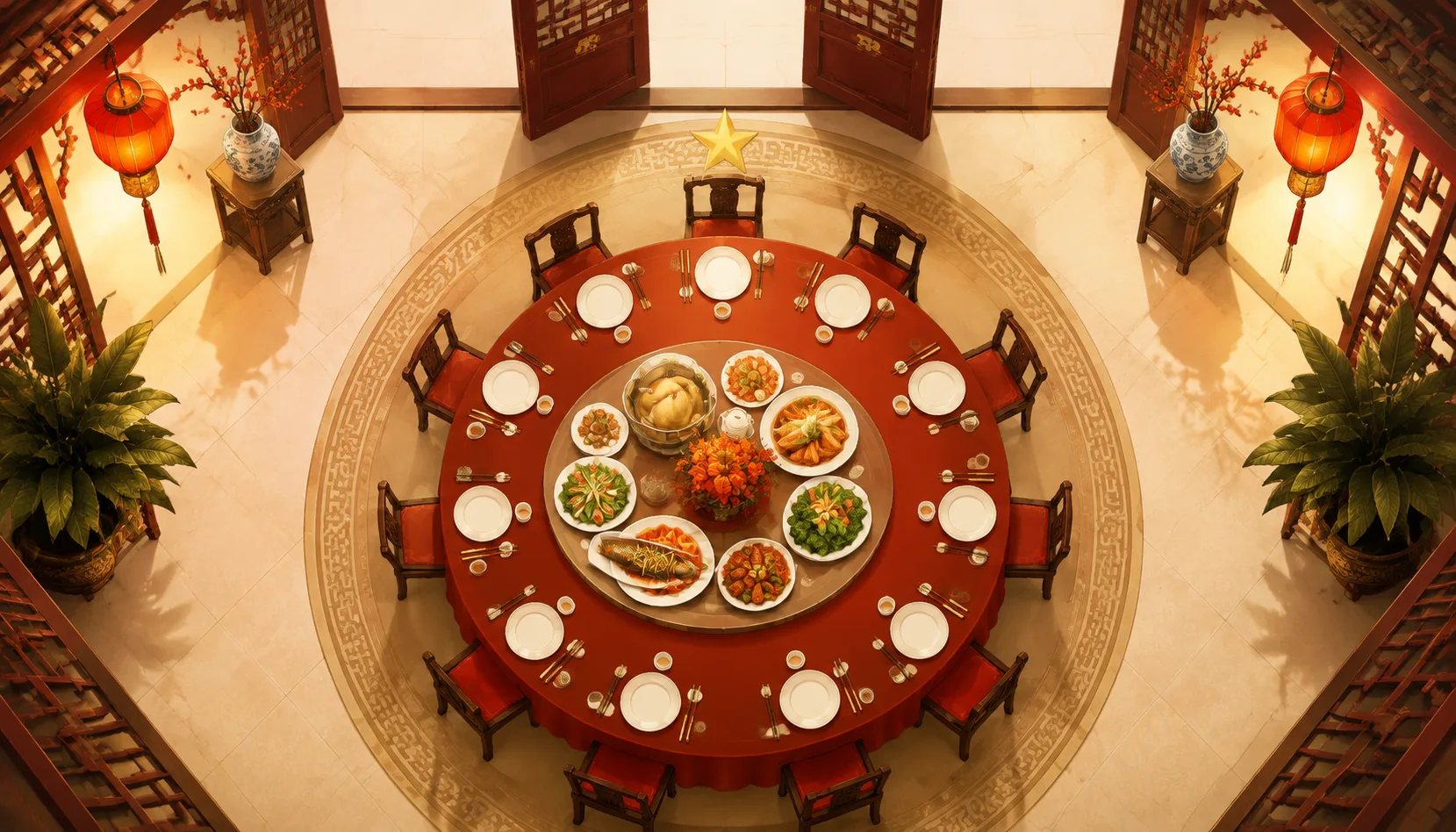
Chinese Business Dinner Strategy: The Meal IS the Meeting
In China, the business dinner (饭局 fànjú) is not a social add-on—it's the primary arena for relationship building and character assessment. Treat it as a high-st…
Read the guide →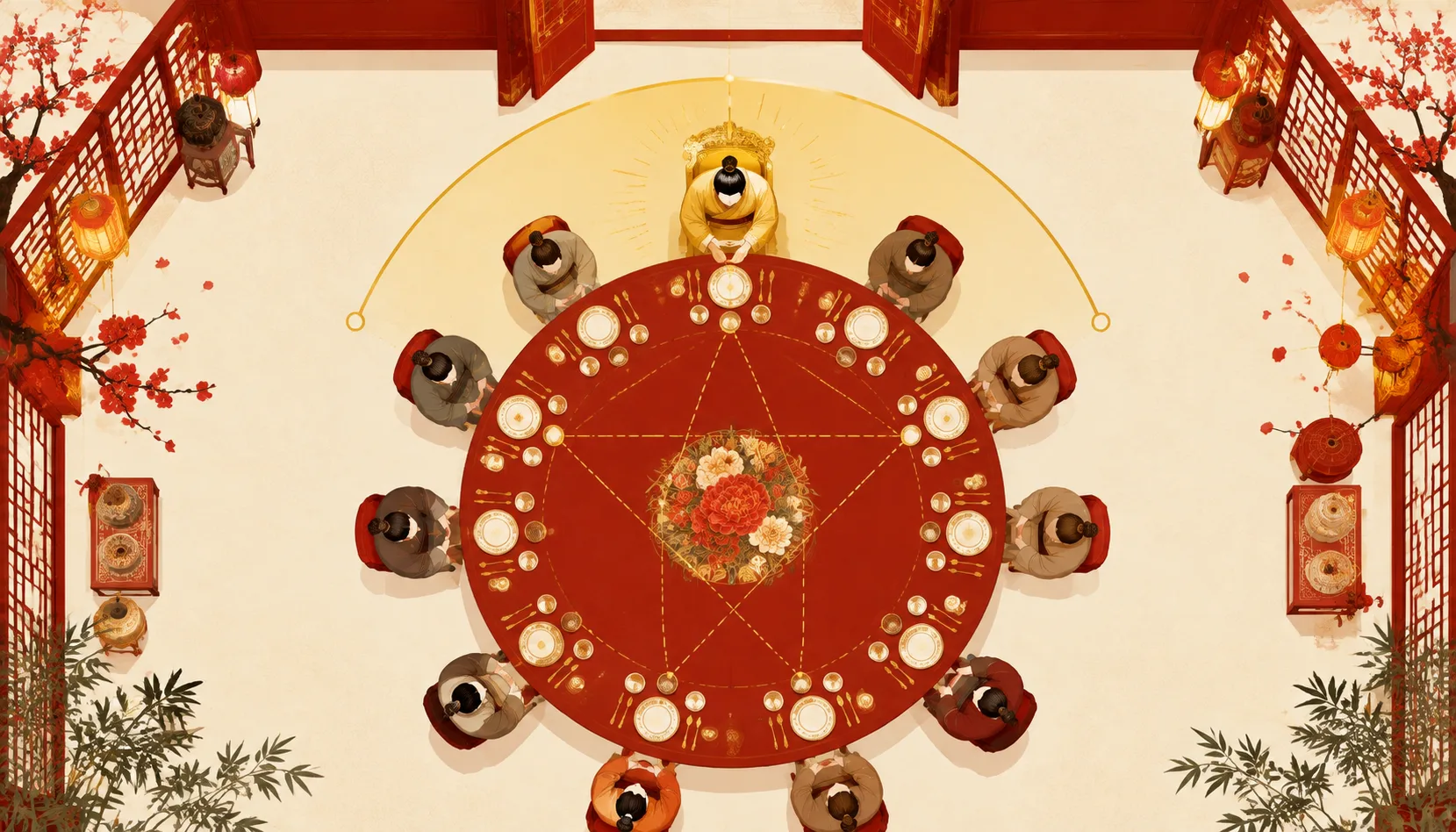
Reading the Power Map at a Chinese Business Dinner
Watch who the host seats within 90 degrees of their own chair, track who gets served and toasted first, and note any mid-dinner seat swaps. The seating chart is…
Read the guide →
Guanxi Is Not Networking: Why Transactional Thinking Fails
Guanxi isn’t a transaction—it’s a long-term trust deposit that compounds, unlike Western networking’s immediate quid pro quo. Expect months of meals and small f…
Read the guide →