How should a Western buyer conduct a professional and culturally respectful factory visit in China?
Quick answer
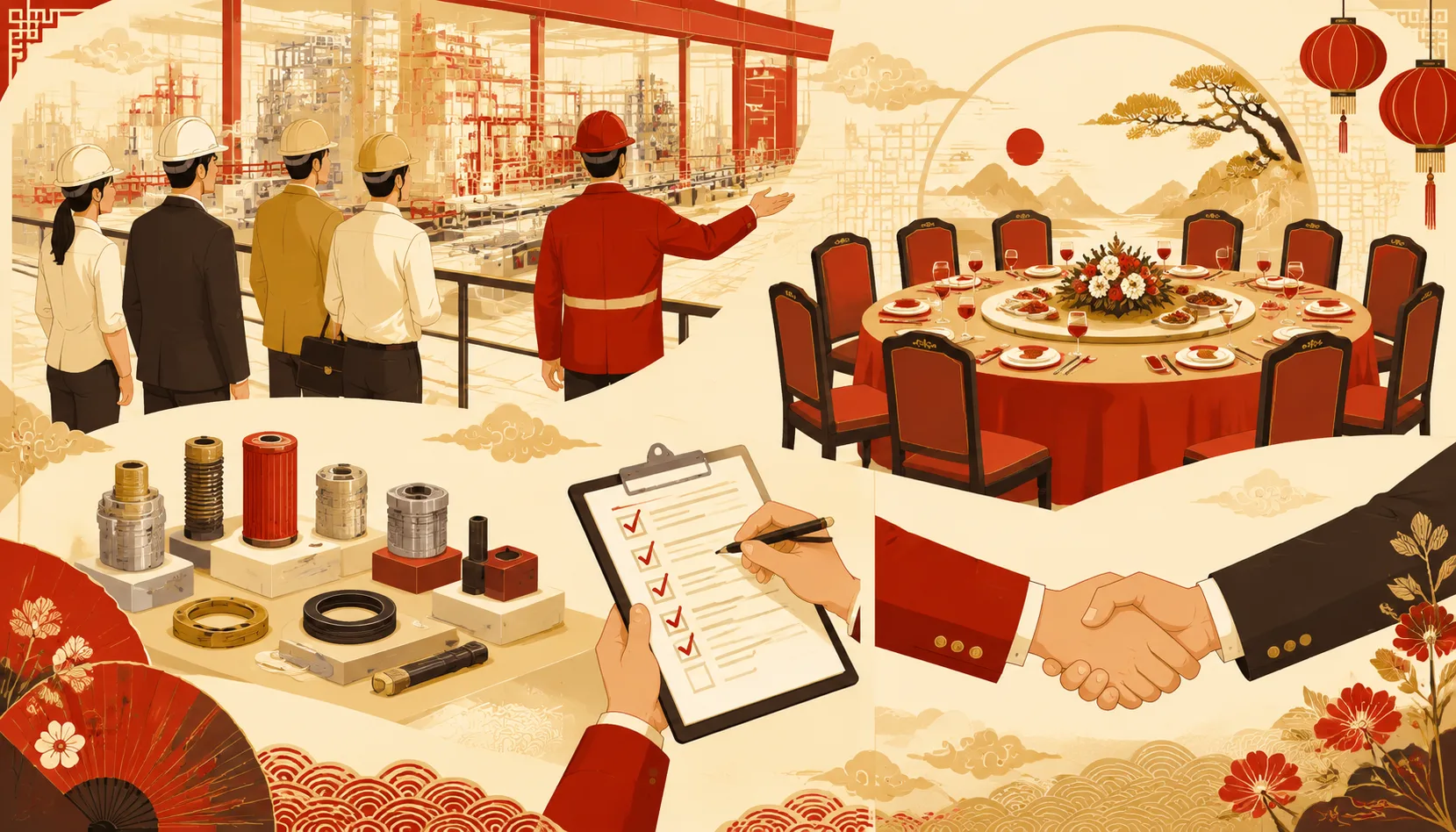
Confirm your visit multiple times, dress professionally with closed shoes, follow your host during the tour, save criticisms for a private debrief, and never skip the banquet meal—it's where the real relationship is built. Bring a small gift for the factory owner and ask specific production questions to show competence.
Before You Go: Confirm, Confirm, Confirm
Your factory visit is not a casual drop-by—it's a major event for the factory. The team will clean the floors, stage the production line, and select which managers will meet you. All of this takes time away from their daily operations. Confirm your visit at least three times: one week before, two days before, and the morning of. This shows respect and ensures you're expected.
When confirming, be specific about your arrival time and who will be present. If your schedule changes, notify them immediately—Chinese factories run on tight schedules, and a no-show can damage your relationship permanently.
Also, prepare your agenda in advance. Send a list of topics you'd like to discuss (e.g., capacity, quality control, lead times). This allows them to prepare data and have the right people available. It also signals that you're a serious, organized buyer—someone worth investing time in.
Finally, arrange your own transportation to the factory. Most factories are in industrial zones outside city centers, and your host may not have a car to pick you up. Use a ride-hailing app like Didi, or ask your hotel to arrange a driver. Arriving on time is a sign of professionalism.
Dress for the Factory Floor, Not the Boardroom
First impressions matter in China, but so does practicality. Wear business casual—slacks and a collared shirt for men, a blouse and slacks or a conservative dress for women—but always wear closed-toe shoes. You will be walking the factory floor, and open shoes are both a safety hazard and a sign that you're not taking the visit seriously.
Avoid bright colors or flashy accessories. Chinese business culture values modesty and professionalism. A dark suit jacket is fine for the meeting room, but you'll likely remove it during the tour. Bring a pair of safety glasses if you have them—many factories will provide them, but having your own shows preparedness.
Also, be mindful of your grooming. Neat hair, minimal jewelry, and no strong perfume or cologne. The factory environment is often dusty or oily, so dress in layers that you can adjust. And remember: you'll be walking a lot, so comfortable, clean shoes are a must.
If you're visiting in summer, note that factories are often not air-conditioned on the floor. Dress light but professional. In winter, the floors can be cold and drafty—bring a light jacket you can wear indoors.
The Factory Boss: Reading the Signals
The factory owner (老板 lǎobǎn) or general manager (厂长 chǎngzhǎng) may or may not appear during your visit. Their presence is a direct signal of how important you are to them. If they show up, they've prioritized you—treat this as a high honor.
If the boss appears, the first conversation will not be about business. They will ask about your journey, your family, and your impressions of China. This is not small talk—it's relationship building. Engage warmly and genuinely. Ask about their company's history, how they started, and their proudest achievements. This shows respect for their life's work.
If the boss does not appear, don't be offended. It may mean they're traveling or handling a crisis. The sales manager or production manager will host you, and that's fine. But if you're a major buyer, the boss's absence might indicate that they don't see you as a priority—use this as a cue to evaluate the relationship.
When meeting the boss, use the proper greeting: a light handshake and a slight nod. Address them as '老板' (lǎobǎn) or 'Mr./Ms. [Surname]' if you know it. Avoid using first names unless invited to do so.
The Factory Tour: Follow, Observe, Don't Judge
Your host will guide you through the factory floor. Always stay with your host—never wander off alone. This is both a safety measure and a sign of respect. The factory has areas that are off-limits for a reason, and your host has planned a specific route to show you the best of their operations.
When you see machinery, don't touch it without permission. Do not photograph machinery or production processes without asking. Many factories have proprietary techniques or client-specific products, and taking photos without permission can be seen as a breach of trust. If you need photos for your records, ask politely: '我可以拍照吗?' (Wǒ kěyǐ pāizhào ma? – May I take photos?)
Most importantly, do not speak disparagingly about what you see, even if you spot obvious problems. Criticizing the factory floor in front of workers or managers is a severe loss of face (丢脸 diū liǎn). It will damage your relationship and make the factory defensive. Instead, note your concerns mentally and save them for the private debrief with the owner or sales manager.
Ask questions that show you understand production: 'What is your monthly capacity?' (月产能是多少? Yuè chǎnnéng shì duōshǎo?) or 'How do you handle quality control?' (你们怎么控制质量? Nǐmen zěnme kòngzhì zhìliàng?). This signals that you're a competent buyer, not a tourist.
The Banquet: Where the Real Business Happens
After the tour, you'll almost certainly be invited to a banquet lunch or dinner. This is not optional—it's the most important part of the visit. The meal is where trust is built, and business is often discussed in a more relaxed atmosphere. Declining the invitation is a serious insult.
At the banquet, the host will order a variety of dishes—often more than enough for everyone. Always taste everything offered, and compliment the food. Use phrases like '很好吃' (Hěn hǎochī – Very delicious) or '味道不错' (Wèidào búcuò – The taste is good). This shows appreciation for their hospitality.
Toasting is a key ritual. The host will raise a glass (often baijiu, a strong Chinese liquor, or beer) and offer a toast. Stand up, raise your glass slightly lower than the host's, and say '干杯' (Gānbēi – Cheers/Bottoms up). You don't have to drink every time, but you should participate in the toasts. If you don't drink alcohol, politely explain and offer a non-alcoholic alternative—but be aware that this may be seen as a lack of engagement.
During the meal, ask about the host's business history and personal journey. This is the time to build a personal connection. Business topics can be introduced, but keep them light—save the hard negotiations for later.
Negotiation: Private, Specific, and Respectful
Negotiation in China is not a public spectacle. Never negotiate aggressively in front of the factory team. This causes loss of face for the owner and makes them less likely to give you a good deal. Instead, request a private meeting with the owner or the decision-maker.
When you do negotiate, show that you understand production realities. Ask specific questions about capacity (产能 chǎnnéng), lead times (交货期 jiāohuò qī), and quality control (质检 zhìjiǎn). This demonstrates that you're not just haggling over price—you're a partner who understands their challenges.
For example, instead of saying 'Your price is too high,' say 'I understand your costs, but can we look at adjusting the specifications to meet my target price?' This collaborative approach is more effective in Chinese business culture.
Be patient. Negotiations in China often take multiple rounds. Don't push for an immediate decision—the owner may need to consult with partners or family members. Show respect for their process, and you'll build trust that leads to better long-term terms.
Gifts and Key Phrases: The Finishing Touches
A small gift for the factory owner is a thoughtful gesture that strengthens your relationship. Bring something from your home country—quality whiskey, local specialty food, or a branded item like a pen or notebook. Avoid gifts that are too expensive, as this can make the recipient uncomfortable. Present the gift with both hands and a smile, and don't be surprised if they don't open it immediately—it's customary to open gifts later in private.
Learning a few key Chinese phrases will go a long way. Here's a table of essential vocabulary for your factory visit:
| English | Chinese | Pinyin |
|---|---|---|
| Sample | 样品 | yàngpǐn |
| Capacity | 产能 | chǎnnéng |
| Lead time | 交货期 | jiāohuò qī |
| Quality inspection | 质检 | zhìjiǎn |
| Price | 价格 | jiàgé |
| Contract | 合同 | hétong |
Using these terms shows respect for their language and culture, and it will make communication smoother. Even if your pronunciation isn't perfect, the effort is appreciated.
Finally, after the visit, send a thank-you message or email to your host. Express your gratitude for the tour and the meal, and reiterate your interest in a long-term partnership. This simple courtesy sets you apart from many Western buyers and cements the relationship.
What Chinese People Actually Say
What Chinese People Actually Say: Confirm your visit multiple times, dress professionally with closed shoes, follow your host during the tour, save criticisms for a private debrief, and never skip the banquet meal—it's where the real business happens.
- 请稍等 (qǐng shāo děng) – "please wait a moment" – used when the host needs a minute to gather materials or finalize arrangements.
- 这边请 (zhè biān qǐng) – "this way please" – used to guide you to the meeting room or production line.
- 来,先喝点茶 (lái, xiān hē diǎn chá) – "come, first drink some tea" – used to initiate a hospitality break and build rapport.
- 请不要客气 (qǐng bù yào kèqi) – "please don't be polite" – used to encourage you to eat freely during the banquet.
2026 Reality Check
2026 Reality Check: The China you meet today is not the one you visited five years ago. Gen Z floor managers and young engineers are comfortable with instant messaging, video calls, and data‑driven presentations; they expect buyers to be concise and tech‑savvy. Older senior staff still value face‑to‑face rapport, formal introductions, and a slow‑burn relationship building. In tier‑1 hubs like Shanghai or Shenzhen, business etiquette mirrors Western norms—punctuality, clear agendas, and English‑friendly presentations are the norm. In tier‑2/3 cities (e.g., Chengdu, Xiamen, or Zhuhai), expect more informal greetings, a heavier emphasis on personal connections, and occasional language barriers. Regardless of location, a quick WeChat follow‑up after the visit and a concise summary of next steps will signal professionalism and respect in 2026.
Frequently asked questions
What should I bring as a gift for a Chinese factory owner?
Bring a small, high-quality gift from your home country—like specialty food, a branded pen, or a book about your city. Avoid clocks, white flowers, and sharp objects, which carry negative symbolism in Chinese culture. Present it with both hands at the start of your visit. Don't overthink it; the gesture matters more than the value.
Is it rude to take photos inside a Chinese factory during a tour?
Yes, taking photos without permission can be seen as intrusive or even a security risk. Always ask your host first, and respect a 'no' without pushing. Many factories have strict rules about photographing machinery or production lines. If you need visual documentation for quality checks, request it formally during your debrief instead.
Can I skip the banquet dinner after a factory visit?
Technically yes, but it's strongly discouraged. The banquet is where trust is built and negotiations often continue informally. If you must skip due to health or schedule, inform your host well in advance with a sincere apology and send a senior colleague in your place. Cancelling last-minute without a valid reason can seriously damage the business relationship.
How do I handle a factory tour that seems overly scripted or rehearsed?
Politely ask to see areas not on the standard route, such as the shipping dock, warehouse, or quality control lab. Frame it as curiosity, not suspicion: 'I'd love to see how you manage inventory here.' If they refuse, don't push immediately—note it and raise specific concerns privately later. Scripted tours aren't always a red flag; some factories simply value order.
What's the proper way to address the factory owner during a visit?
Use their surname followed by 'Mr.' or 'Ms.' (e.g., 'Mr. Wang'), or their title plus surname, like 'General Manager Zhang.' Avoid using first names unless they invite you to. In Chinese business culture, formality signals respect. When in doubt, mirror how your host introduces them and follow their lead—it's safer to start formal than too casual.
When is the best time of year to schedule a factory visit in China?
Avoid Chinese New Year (usually late January to mid-February) and the National Day Golden Week (October 1–7), when factories shut down and staff are on holiday. Spring (April–May) and autumn (September–early October) offer mild weather and full production schedules. Also, avoid Monday mornings and Friday afternoons, when staff are less focused on visitors.
Try our tools
Related guides
Chinese Business Banquet Protocol: Rules & What Not to Do
A Chinese business banquet is not a meal — it's a trust-building ceremony disguised as dinner. The food is secondary. The goal is to establish that you are a re…
Read the guide →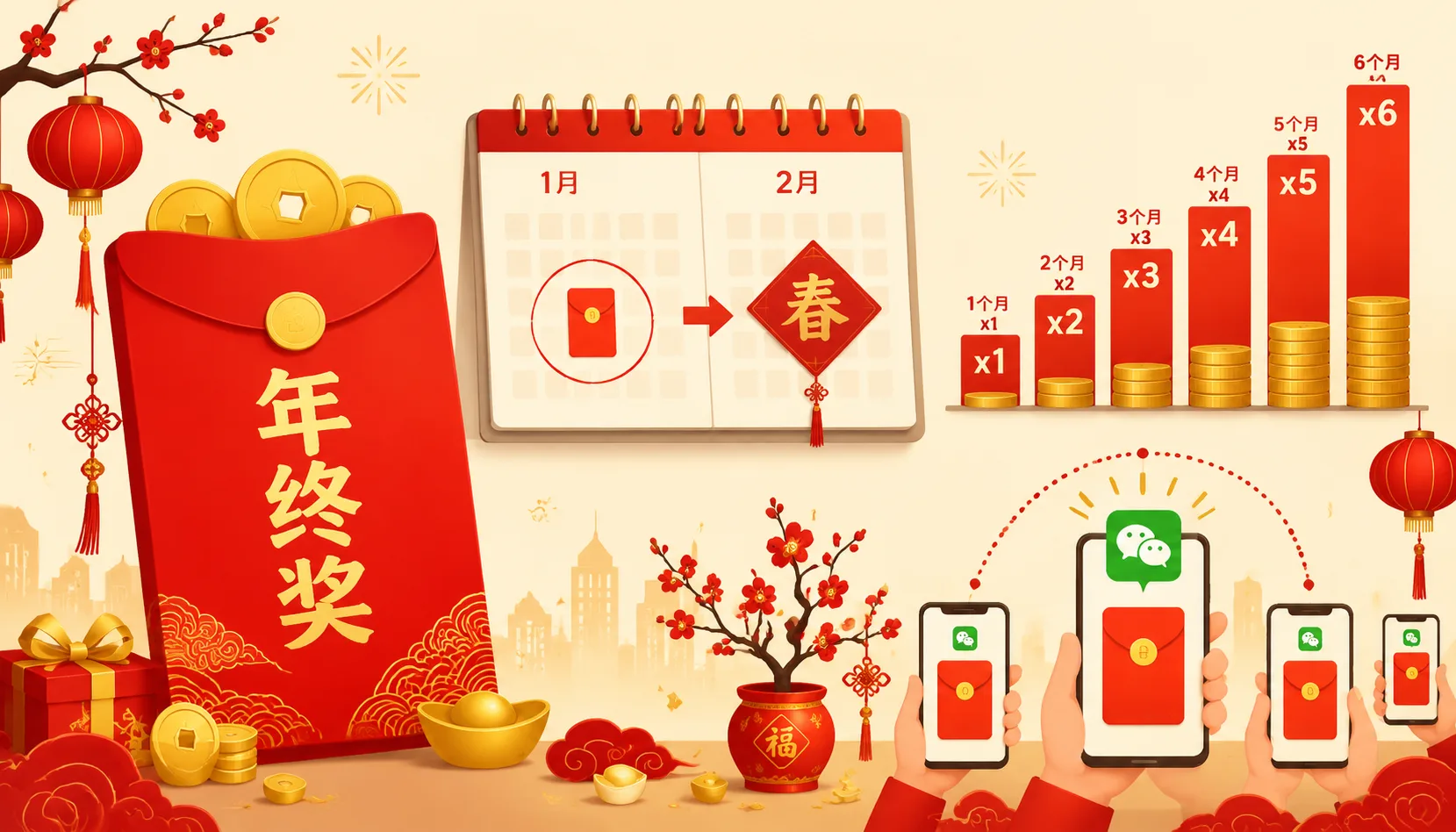
Chinese Annual Bonus (年终奖) Culture: What You Need to Know
The 年终奖 (niánzhōng jiǎng) is a culturally significant year-end bonus paid before Chinese New Year, often worth 1-6 months' salary. For expats, negotiate it in y…
Read the guide →
Why Long Hours Are a Statement as Much as a Schedule in China
It is 8:40 on a Tuesday evening on the twenty-third floor of a Hangzhou office tower, and Li Meng finished her work two hours ago. The quarterly report has been…
Read the guide →