Chinese Social Rules
Visiting homes, meeting families, friendship, and everyday social situations in China.

Late to a Chinese Drinking Gathering? Three Penalty Cups
In Chinese drinking culture, latecomers are expected to drink three cups of alcohol as a penalty and apology for their tardiness. This is a ritualized way of ap…
Read the guide →
Chinese Phrases for Visiting Someone's Home (with Pinyin)
Key phrases: 打扰了 (dǎ rǎo le) = "Thank you for having me," 一点心意 (yī diǎn xīn yì) = "Just a small token," 请留步 (qǐng liú bù) = "Please don't walk me further out." …
Read the guide →
KTV Etiquette for Non-Drinkers and Foreigners in China
Non-drinkers can thrive at Chinese KTV by ordering juice or tea, joining the energy without pressure, and politely declining alcohol while actively supporting s…
Read the guide →
WeChat Red Envelope Etiquette: Amounts, Timing, Refusing
WeChat red envelopes (hongbao 红包) are a traditional way to send money as a gift or blessing. When someone sends you one, you should usually accept it, but the a…
Read the guide →
How to Help in China Without Making Them Feel Indebted
In China, help should feel effortless, not transactional—say 举手之劳 (jǔshǒu zhī láo, "a lift of the hand") to downplay your effort. Avoid tallying favors or deman…
Read the guide →
Building Guanxi From Zero: A Foreigner's Cold-Start Guide
Building guanxi from zero starts with the zhongjianren, or intermediary—a trusted mutual contact who vouches for you. Skip cold calls; they fail. Instead, ask a…
Read the guide →
Chinese Relationship Calendar: Maintaining Guanxi All Year
Guanxi thrives on year-round attention, not just when you need a favor. Key moments are the Lunar New Year (send WeChat red packets), Mid-Autumn (gift mooncakes…
Read the guide →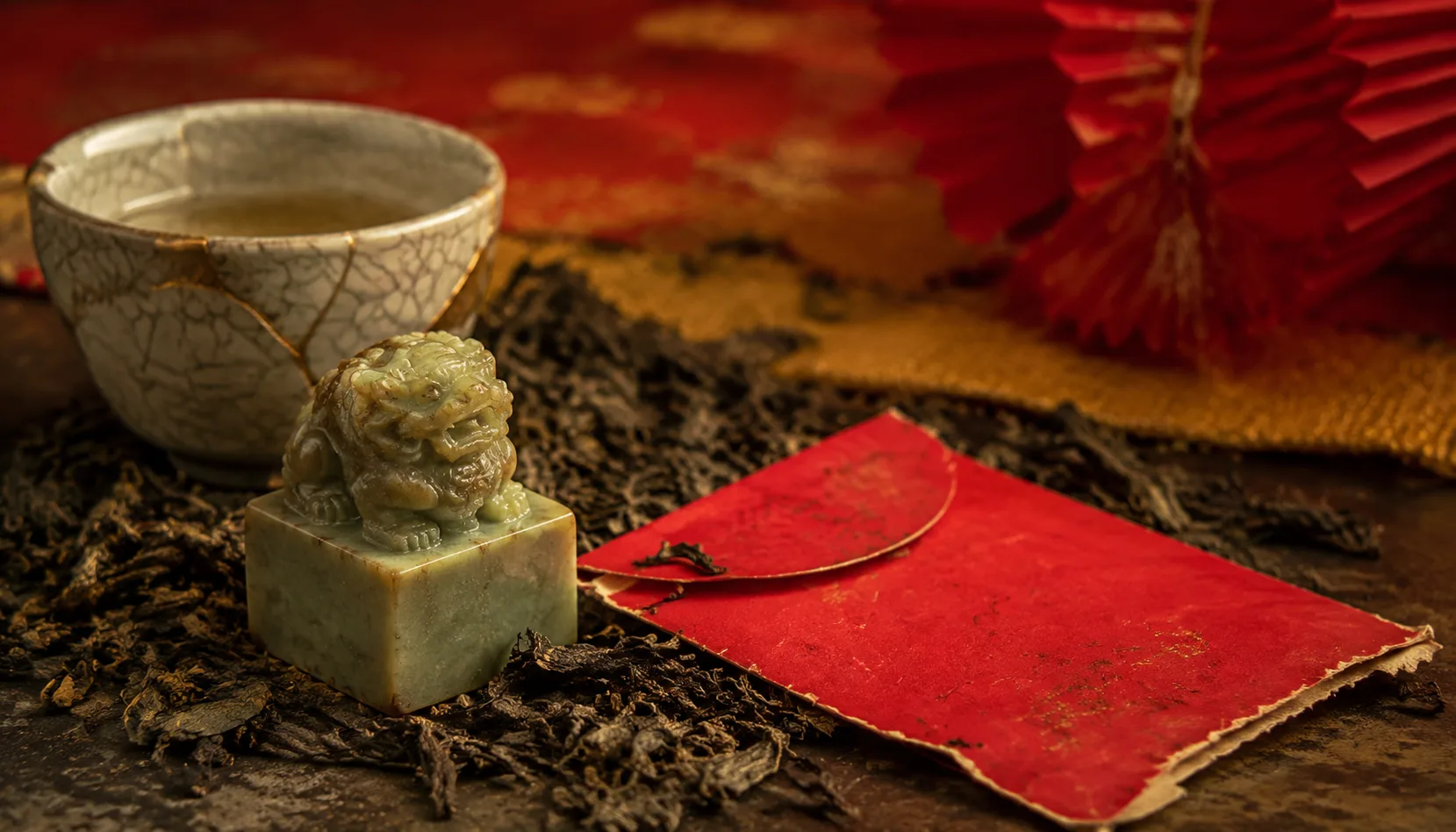
How to Revive Dormant Guanxi in China: A Practical Guide
In China, guanxi never truly dies—it just hibernates. To revive it, send a WeChat greeting tied to a shared memory or festival, then follow with a small gift li…
Read the guide →
Why Chinese People Don't Say No: Reading Indirect Refusals
In Chinese communication, direct 'no' is avoided to preserve face for both parties. Instead, you'll hear vague phrases like 'we'll look into it' (我们研究研究) or 'th…
Read the guide →
Chinese Social Debt: How 人情 (Rénqíng) Actually Works
人情 is not a favor to be repaid quickly or equally; it's a long-term relational investment. To build trust, acknowledge the debt warmly, let it 'breathe' for wee…
Read the guide →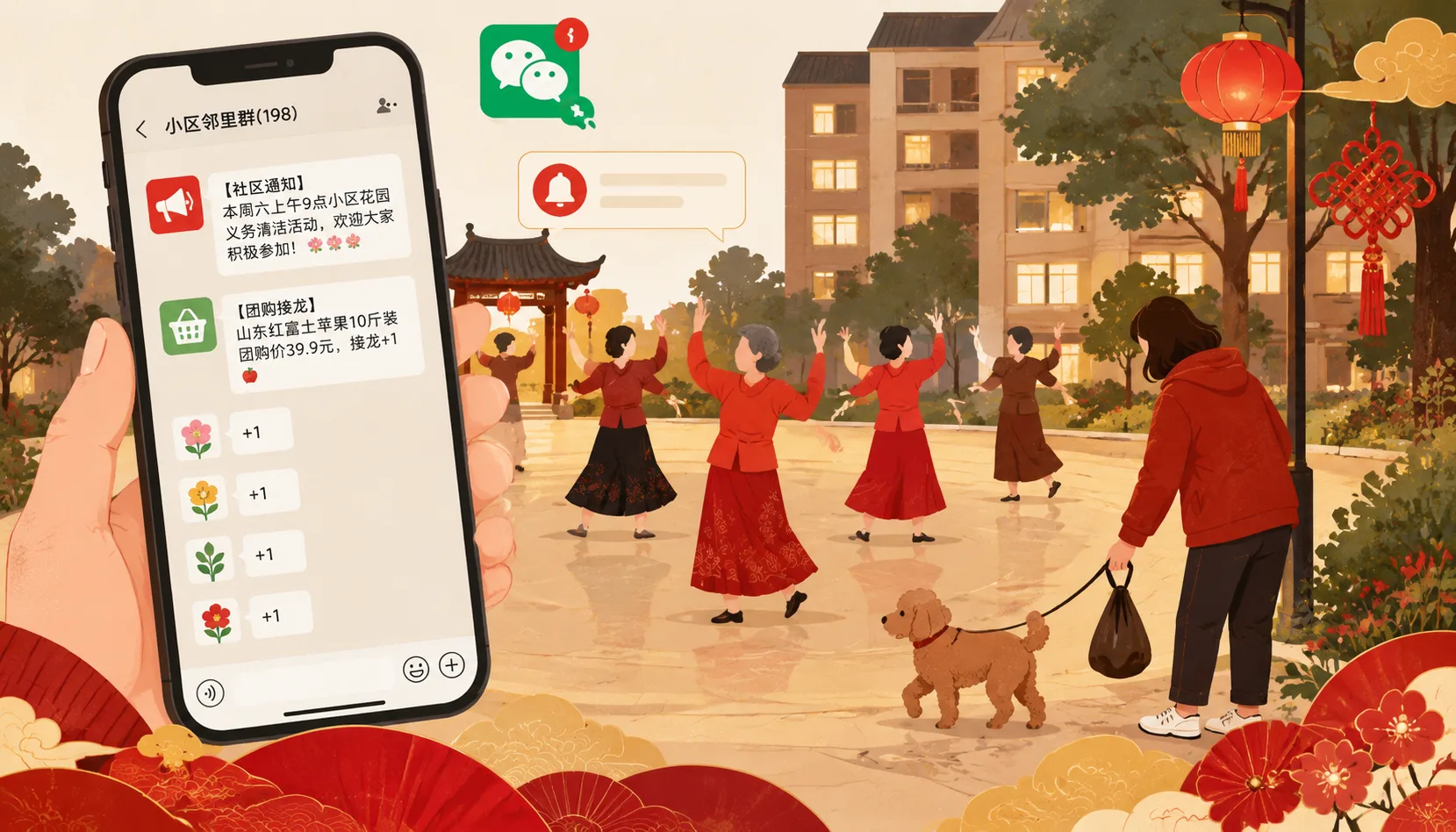
Chinese Neighborhood WeChat Groups: Expat Survival Guide
Join your compound's WeChat group via your property management office or landlord. Use it to get critical notices, participate in group buying, and connect with…
Read the guide →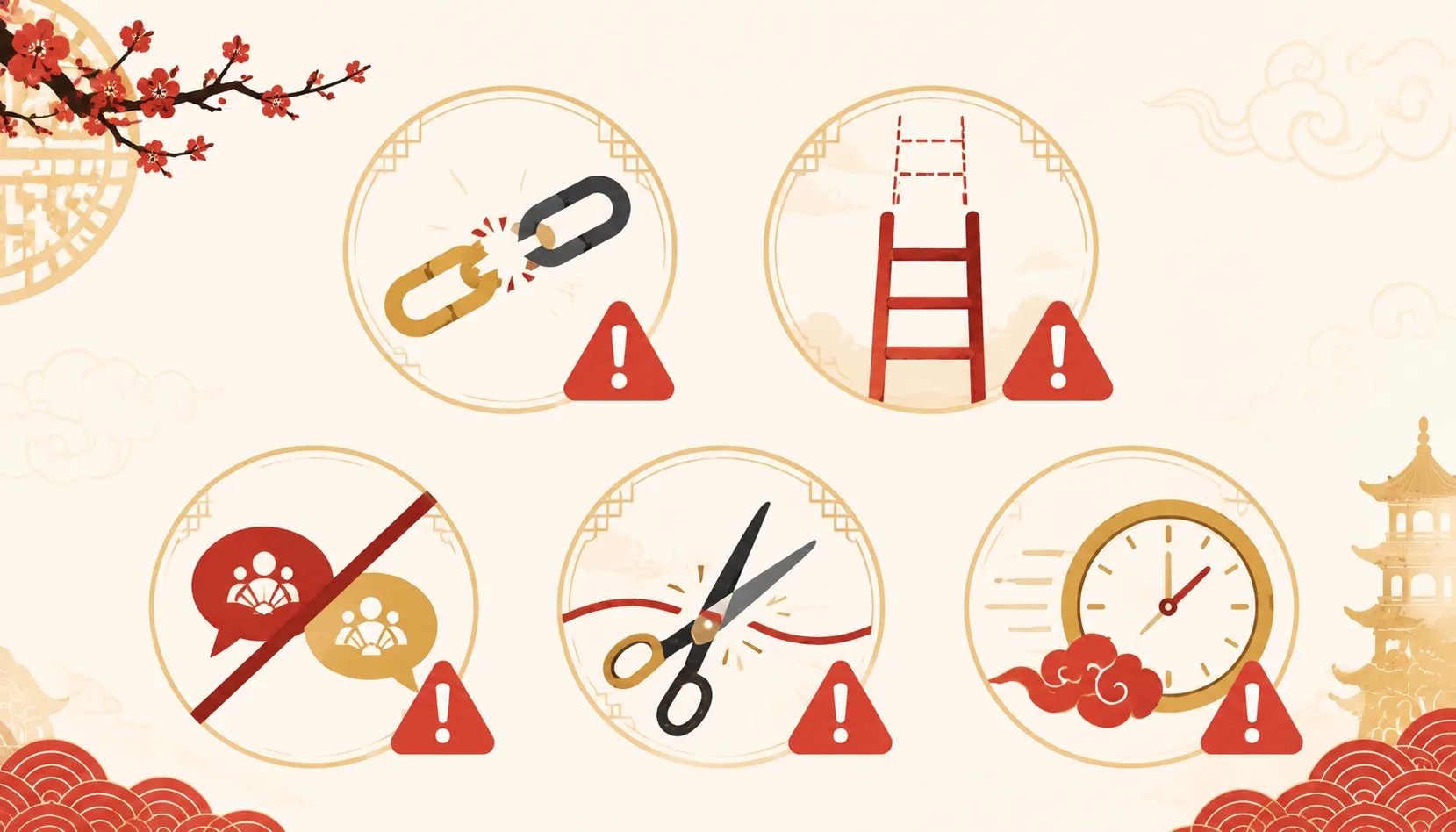
5 Guanxi Mistakes That Destroy Your Network in China
The five biggest guanxi killers are treating contacts as tools, skipping relationship levels, bragging about other connections, ghosting 'useless' contacts, and…
Read the guide →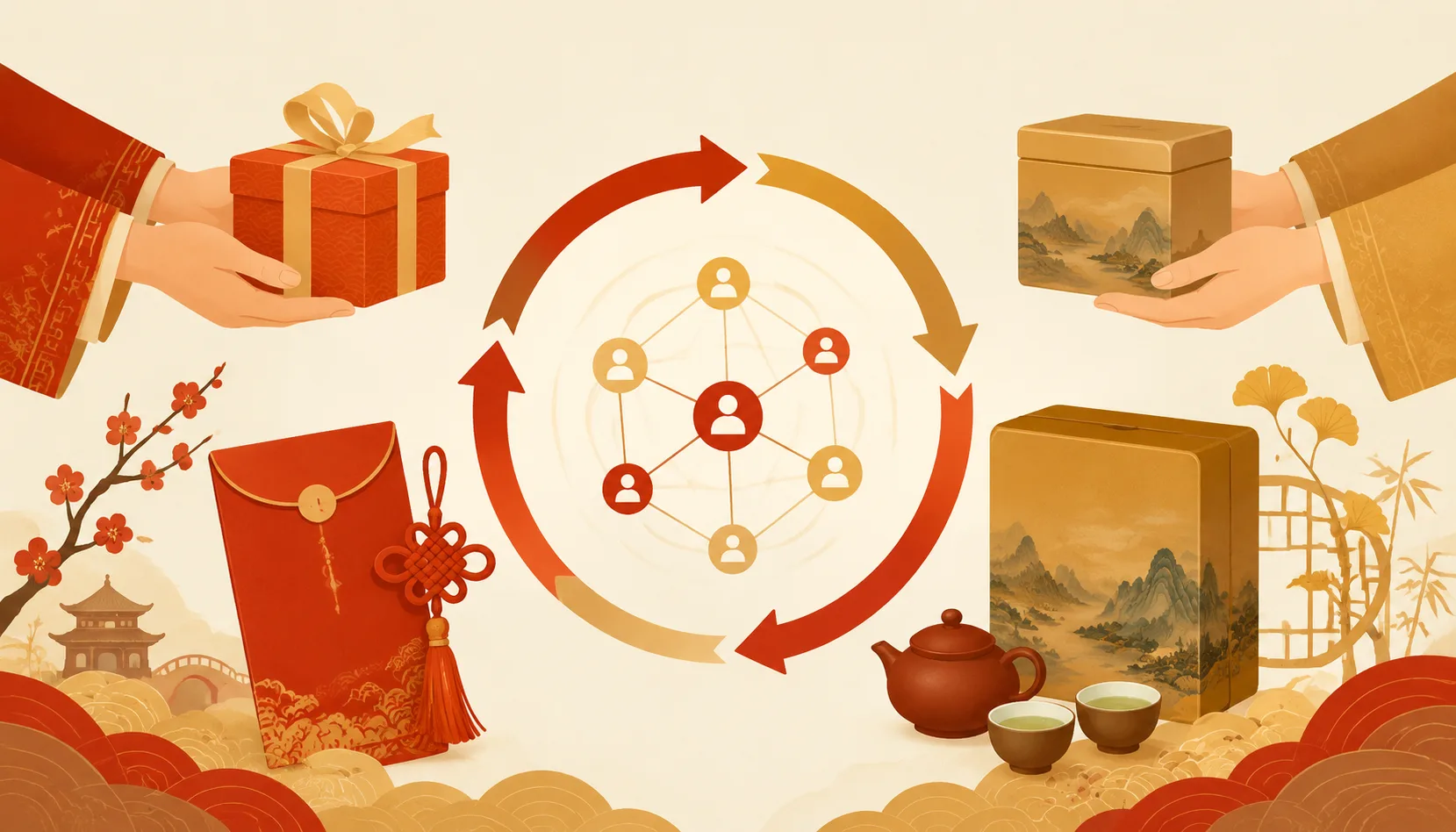
Renqing (人情): How to Navigate Favor Debt in China
Renqing is the social debt created when someone helps you in China. To handle it well, thank warmly immediately, invite them for a meal within two weeks, and re…
Read the guide →
The 5 Levels of Chinese Guanxi: What to Ask at Each Stage
Chinese relationships progress through five levels: stranger, acquaintance, familiar acquaintance, friend, and iron relationship. Each level has strict boundari…
Read the guide →
Guanxi vs Western Networking: Why LinkedIn Fails in China
Western networking is transactional and efficiency-driven, while Chinese guanxi is an emotional bank account that compounds over time. To succeed in China, stop…
Read the guide →
Understanding Mianzi (Face) in China: Rules Beneath Rules
Mianzi (面子) is social reputation and dignity — the invisible currency that governs Chinese social life. It can be given, lost, saved, or attacked. Almost every …
Read the guide →
Cross-Cultural Relationships With a Chinese Partner: Guide
The main challenges are family approval, language barriers with in-laws, different assumptions about the future (where to live, how to raise children), and mana…
Read the guide →
Dating a Chinese Person: Practical Tips for Foreigners
The biggest practical differences: who pays (men are still often expected to, though modern couples split more), how jealousy shows up (indirectly, through obse…
Read the guide →
Chinese Love Language: Why Partners Show Love Differently
Chinese partners typically express love through actions rather than words. "I saved food for you," "let me know when you get home," and "don't eat that, your st…
Read the guide →
Chinese Dating Culture: What Foreigners Need to Know
Chinese dating skips the casual "seeing each other" phase and moves directly toward a defined relationship. There is no long ambiguous gray zone — couples are e…
Read the guide →
WeChat Guide for Foreigners: It's Not Just a Messaging App
WeChat (微信 Wēixìn) is China's operating system for daily life — not a messaging app. It handles payments, work coordination, social media, news, ride-hailing, r…
Read the guide →
How to Leave a Chinese Dinner Party: Signs and Goodbyes
Your host will never directly tell you to leave. Watch for the fruit platter signal, conversations tapering off, and dishes being cleared. When you see the sign…
Read the guide →
Drinking with Chinese Friends: What to Expect at Gatherings
Drinking with Chinese friends is far more relaxed than a business banquet. Beer replaces baijiu, seating is flexible, games are common, and the general vibe is …
Read the guide → 🔒 VIP
🔒 VIPMore Than Guanxi
A large network and a deeply understood friendship serve different human needs. This guide explores how Chinese friendship grows beyond contacts and favors.
Read the guide →