What is Children's Day in China and how should parents and foreigners observe it?
Quick answer
Children's Day (六一儿童节, Liù-Yī Értóng Jié) on June 1 is a real holiday for kids up to age 12, with school performances and gifts. Parents should attend the school show, give practical gifts, and avoid scheduling meetings with Chinese colleagues who have young children.
What Is Children's Day in China?
In China, Children's Day (六一儿童节, Liù-Yī Értóng Jié) is celebrated on June 1 each year, known officially as International Children's Day. Unlike many Western countries where such days are low-key, in China it's a genuine holiday for children up to age 12 (though many middle schools also participate). Schools typically give children the day off or organize special activities, and it's a day when children are the center of attention.
For expat families, this means planning ahead: if your child attends a Chinese kindergarten or primary school, you'll likely be invited to a school performance (文艺汇演, wényì huìyǎn) — a big deal that you shouldn't miss. For childless foreigners, be aware that your Chinese colleagues with young kids will be busy and possibly distracted that day, so avoid scheduling important meetings.
Understanding the cultural weight of this day helps you navigate social and professional interactions smoothly. It's a day of joy, but also a day of expectations — for parents, teachers, and even friends without children.
School Traditions: The Performance (文艺汇演)
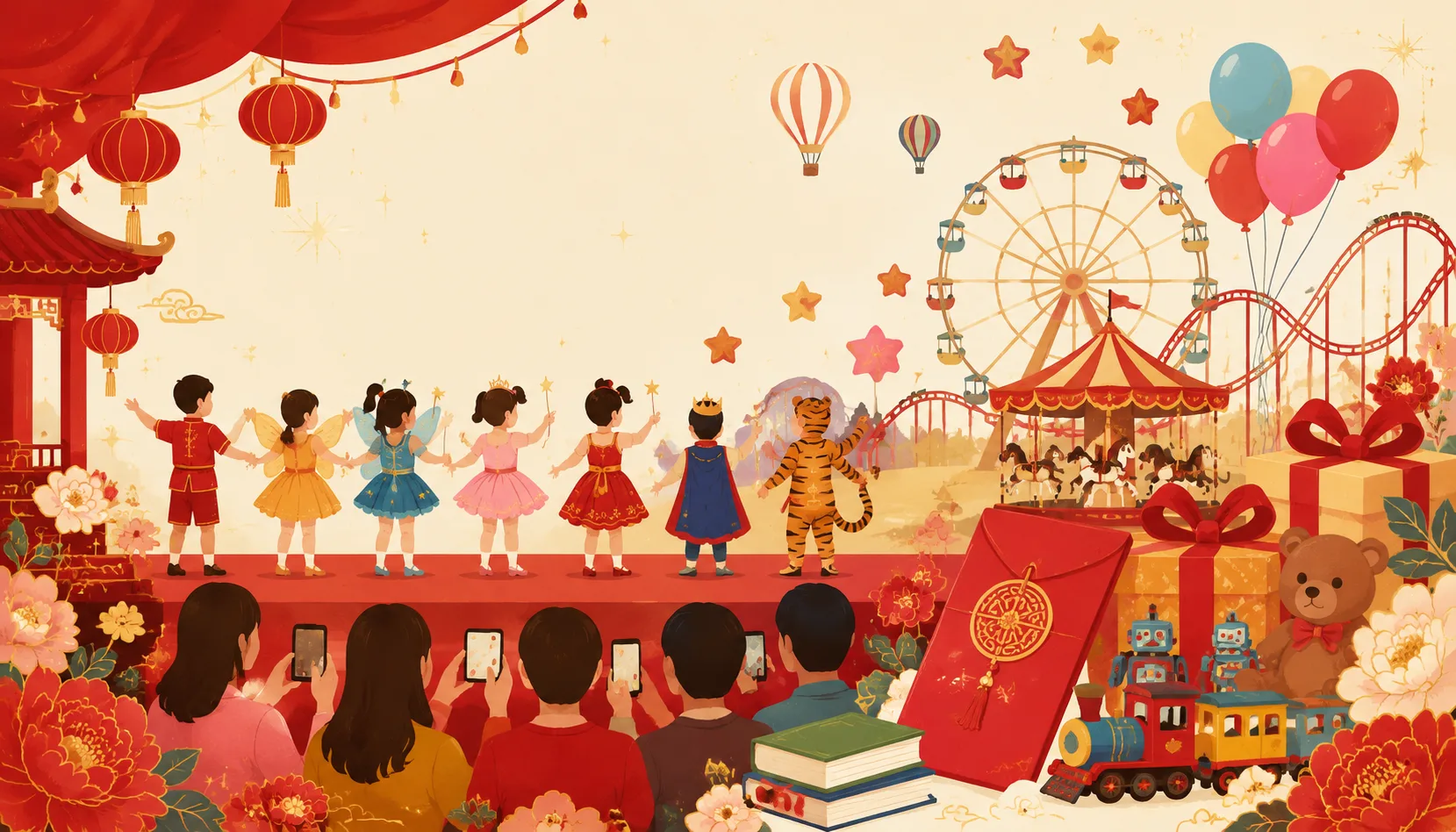
The heart of Children's Day in China is the school performance (文艺汇演, wényì huìyǎn). Kindergartens and primary schools spend weeks preparing elaborate shows where children sing, dance, recite poems, and perform skits — often in colorful costumes. Parents are expected to attend, and it's a major parenting commitment. Absence is noticed and can be seen as a lack of support for your child and the school.
Here's what to expect:
- Date and time: Usually held on the morning of June 1, but sometimes on May 31 if June 1 falls on a weekend. Check the school calendar early.
- Dress code: Parents typically dress smart-casual. Some schools provide uniforms for kids; others ask parents to bring specific outfits.
- Photography: It's common to take photos and videos, but follow the school's rules — some restrict sharing on social media.
- Gratitude: After the performance, it's polite to thank the teachers (谢谢老师, xièxie lǎoshī) for their hard work.
If your child is shy or reluctant to perform, encourage them — participation is more important than perfection. The show is a collective effort, and every child gets a role.
Gift-Giving: What to Give Your Child
Gift-giving is a core part of Children's Day. Parents typically give their children toys, books, new clothes, or a special outing. The gift doesn't need to be expensive — it's the thought that counts. Many parents also take the day off work to spend quality time with their kids, visiting theme parks or doing fun activities.
Here's a quick guide to popular gifts:
| Gift Type | Examples | Notes |
|---|---|---|
| Educational toys | Building blocks, puzzles, science kits | Popular and practical |
| Books | Picture books, storybooks | Encourages reading |
| Clothes | New outfits, shoes | Kids grow fast! |
| Experiences | Amusement park, zoo, movie | Creates memories |
Grandparents often participate by giving red envelopes (红包, hóngbāo) with money — amounts vary but typically range from ¥100 to ¥500. If you're a parent, don't feel pressured to match that; your presence and attention matter more.
What to Gift Your Child's Classmates or Friends' Kids
If you want to give gifts to your child's classmates or your friends' children, keep it practical and modest. In China, gift-giving is about showing care, not flaunting wealth. Good options include:
- Stationery — cute notebooks, pens, or pencil cases.
- Small toys — like fidget spinners or mini puzzles.
- Books — age-appropriate storybooks.
- Red envelopes — ¥50–200, depending on your closeness to the family.
For close friends, a red envelope is common, but for classmates, a small toy or book is more appropriate. Avoid giving anything too expensive, as it may cause embarrassment or create an obligation to reciprocate.
When giving a gift, say: “祝小朋友儿童节快乐” (Zhù xiǎopéngyǒu Értóng Jié kuàilè) — “Wish the little friend a happy Children's Day.” This phrase is also perfect for acknowledging your friends' kids even without a gift.
For Childless Expats: Navigating the Day
If you don't have children, Children's Day still affects your professional and social life. Chinese colleagues with young children will likely be preoccupied — they may leave early, take the day off, or be distracted by school events. Don't schedule important meetings on June 1 if you can avoid it. If you must, be understanding and flexible.
Here are practical tips:
- Check availability: Before setting a meeting, ask if colleagues with kids are available. They'll appreciate your consideration.
- Show interest: Ask about their children's plans — it's a great icebreaker and shows cultural awareness.
- Small gesture: If you're close to a colleague with kids, a small gift or a simple greeting like “祝小朋友儿童节快乐” goes a long way in building goodwill.
This day is also a chance to observe Chinese family culture. You'll see parks and malls crowded with families, and you might hear children's music everywhere. Embrace the joy — it's a positive aspect of Chinese society that values childhood.
Crowds and Promotions: What to Expect
On June 1, theme parks, children's museums, and entertainment venues run special promotions and are extremely crowded. If you plan to take your child out, arrive early and be prepared for long queues. Popular spots like Disneyland Shanghai or local amusement parks often sell out in advance.
Here's a survival guide:
- Book tickets in advance — online platforms like Meituan or Dianping often have discounts.
- Go early — gates open early, and mornings are less crowded.
- Bring snacks and water — queues can be long, and food stalls are pricey.
- Set expectations — your child might not get to ride everything; focus on fun, not checking off all attractions.
Alternatively, consider less crowded options like a local park, a picnic, or a family movie at home. The goal is to make the child feel special, not to exhaust yourself.
Key Phrases and Cultural Etiquette
Learning a few Chinese phrases can enhance your experience and show respect for the culture. Here are essential phrases for Children's Day:
| Chinese | Pinyin | English |
|---|---|---|
| 儿童节快乐 | Értóng Jié kuàilè | Happy Children's Day |
| 祝小朋友儿童节快乐 | Zhù xiǎopéngyǒu Értóng Jié kuàilè | Wish the little friend a happy Children's Day |
| 谢谢老师 | Xièxie lǎoshī | Thank you, teacher |
| 礼物 | lǐwù | Gift |
| 红包 | hóngbāo | Red envelope |
Etiquette tips:
- Always greet children — a simple “儿童节快乐” to a friend's child is polite and appreciated.
- Don't refuse a red envelope — if given, accept with both hands and say thanks.
- Be punctual for school performances — lateness is disrespectful.
By following these customs, you'll not only enjoy the day but also strengthen your relationships with Chinese friends and colleagues.
What Chinese People Actually Say
Children's Day (六一儿童节, Liù-Yī Értóng Jié) on June 1 is a holiday for kids up to age 12, marked by school performances and gifts. Parents should attend the school show, give practical gifts, and avoid over‑spending or too many sweets.
- 祝小朋友儿童节快乐! – zhù xiǎo péng yǒu ér tóng jié kuài lè – “Wish children a happy Children’s Day!” – used by parents to greet kids on the day.
- 今天我们去看表演。 – jīn tiān wǒ men qù kàn biǎo yǎn – “Today we go watch the performance.” – said when taking kids to the school event.
- 礼物要实用,别太贵。 – lǐ wù yào shí yòng, bié tài guì – “Gifts should be practical, not too expensive.” – advice to parents about gift choices.
- 别吃太多糖果。 – bié chī tài duō táng guǒ – “Don’t eat too many sweets.” – warning to kids about candy consumption.
2026 Reality Check
2026 Reality Check: In tier‑1 cities like Shanghai and Beijing, Gen Z children now expect instant‑gratification digital gifts—VR stickers, AR avatars, and in‑app red packets—while their parents, often digital natives themselves, still balance these with traditional toys and family outings. Older generations, especially grandparents, still favor tangible presents and group celebrations, but many now join video calls to watch grandchildren open virtual gifts. In tier‑2 and tier‑3 cities, the shift is slower; offline markets, community fairs, and school events dominate, though smartphone penetration means even rural kids receive short video “祝福” (blessings) from relatives abroad. For foreign parents, the key is to blend the tech‑savvy expectations of Gen Z with the cultural importance of family‑centered rituals, regardless of city tier.
Frequently asked questions
Is Children's Day in China a public holiday for adults too?
No. Only children aged 12 and under get the day off. Most adults still work, though some companies give parents a half-day. Don't assume your Chinese colleagues are free—schedule meetings as usual unless they mention otherwise.
What gift should I give a Chinese child on Children's Day?
Practical gifts win: books, stationery, educational toys, or a small amount of money in a red envelope (typically 50–200 RMB). Avoid overly Western toys or electronics—parents often prefer gifts that support learning. Ask the parents first if unsure.
Can I bring my foreign child to a Chinese school's Children's Day performance?
Usually yes, but confirm with the school in advance. Many schools welcome expat children to join or watch, especially in international divisions. Bring a small gift for the class if invited, and arrive early—shows often start at 8 or 9 AM sharp.
Why do Chinese schools make kids perform on Children's Day instead of letting them play?
Performances are a tradition to showcase children's talents and teach discipline. Kids practice for weeks, and parents attend to show support. While it may seem formal, it's a point of pride for families. Expect singing, dancing, and recitals—clap enthusiastically.
What should I do if my child is sick on Children's Day?
Don't push them to attend school events. Chinese schools are lenient about absences on this day—just notify the teacher. You can celebrate at home with a small cake or a trip to a nearby park. Many hospitals also offer free pediatric checkups on June 1.
Is Children's Day celebrated differently in rural vs. urban China?
Yes. Urban areas feature big mall events, theme park discounts, and elaborate school shows. Rural schools may have simpler gatherings, sometimes with donated gifts from local businesses. If you're in a small town, expect a more community-focused celebration, often with shared meals.
Try our tools
Related guides
Chinese New Year Survival Guide for Foreigners (2026)
Spring Festival is China’s biggest holiday, a family reunion that dwarfs Western celebrations. If invited to New Year’s Eve dinner, arrive early, bring fruit or…
Read the guide →
Mid-Autumn Festival 2026: Mooncakes & Gift Etiquette Guide
Mid-Autumn Festival is China’s second-biggest gift-giving event, blending Thanksgiving’s warmth with Christmas’s pressure around a full moon. Expect three days …
Read the guide →
Dragon Boat Festival China 2026: Zongzi & What to Know
Dragon Boat Festival (端午节, Duānwǔ Jié) falls on the 5th day of the 5th lunar month. Eat zongzi (sticky rice dumplings wrapped in bamboo leaves), watch or join d…
Read the guide →