How to Visit Chinese Clients: What to Do From Appointment to Exit (2026 Guide)
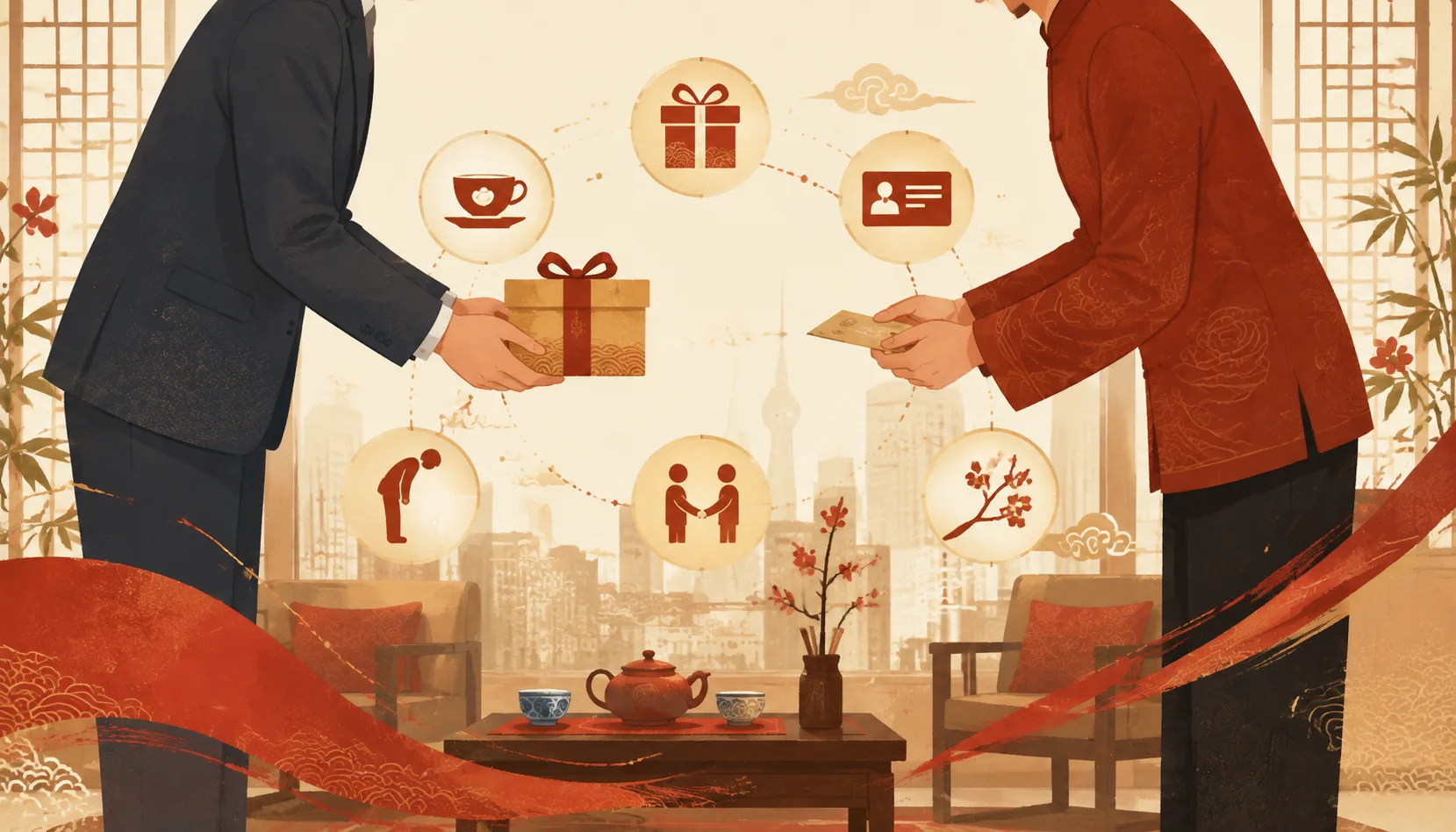
Quick answer
Never visit a Chinese client without a confirmed appointment — give 3-5 days' advance notice minimum. Bring a small gift for a first visit. Knock before entering. Greet everyone in the room. Limit the visit to 30-60 minutes unless invited to stay. Never arrive at mealtime without an explicit invitation to join the meal.
Quick Answer
Never visit a Chinese client without a confirmed appointment — give 3-5 days' advance notice minimum. Bring a small gift for a first visit. Knock before entering. Greet everyone in the room. Limit the visit to 30-60 minutes unless invited to stay. Never arrive at mealtime without an explicit invitation to join the meal.
DO
- Give 3-5 days advance notice minimum — "dropping by" is not an option in Chinese business culture
- Confirm the day before — send a brief WeChat: "Just confirming our meeting tomorrow at 2pm — looking forward to seeing you"
- Arrive 5-10 minutes early — never late; bring a signed-in visitor form if their building requires it
- Knock 2-3 times before entering any closed room
- Greet everyone in the room when you enter — don't just address your primary contact while ignoring others
- Wait to be offered a seat — don't choose your own
- Accept tea or water when offered — declining is impolite
- Offer to help if the host appears busy or distracted
- Keep to 30-60 minutes unless clearly invited to extend
DON'T
- Don't arrive unannounced — ever
- Don't enter without knocking, even if the door is open
- Don't enter any room other than where you're directed — don't explore the office
- Don't touch items on their desk or workspace without permission
- Don't continue a conversation if they begin looking at their watch or checking messages — wrap up
- Don't arrive near lunchtime (11:30am-1pm) or dinner time (5:30-7pm) without an explicit meal invitation
- Don't leave immediately without a proper farewell to everyone
WHY Unannounced Visits Are a Problem
In Western business culture, "dropping by" can signal energy and initiative — "I was in the area and thought I'd check in."
In Chinese business culture, an unannounced visit:
- Presumes on their time without permission
- May catch them in a situation (a meeting, a sensitive internal conversation) that causes them to lose face when they can't receive you properly
- Signals that you think your agenda is more important than their schedule
- Violates the principle of 礼貌 (lǐmào — courtesy and proper consideration for others)
The 3-5 day advance window is not formality. It is the minimum time that signals genuine respect for their schedule.
First Visit Protocol: What to Bring
A first visit to a client's office deserves preparation:
Business cards: Have them ready — the exchange will happen at the start.
A small gift: Not required, but appreciated on a first visit. Tea, specialty food from your region, or a branded item from your company (if quality). Keep it modest. Do not bring anything from the taboo list.
An agenda: Even a loose one. "I was hoping we could cover X and Y — does that work for you?" Chinese counterparts appreciate knowing what the conversation will cover.
Nothing you need to leave quickly for: Block your schedule around this visit. Chinese business hospitality often adds unexpected time — a longer tour of the office, an invitation to see their facilities. Don't book anything too close after.
Entering the Space: The First 90 Seconds
- Knock 2-3 times on any closed door
- Wait for a response before entering
- When the door opens: smile, make eye contact, say "您好" (Nín hǎo)
- If there are multiple people in the room: acknowledge everyone before your main conversation. A brief nod or "您好" to each person
- Wait to be offered a seat — don't pull out a chair or choose your position
- If tea or water is offered: accept. Refusing feels like rejecting their hospitality.
Managing the Visit Length
30-60 minutes is the appropriate window for a business visit unless the conversation naturally extends.
Signals that the visit should end:
- Your host begins looking at their phone or watch
- They stand up (this signals the meeting is over)
- They say "我待会儿还有个会" (I have another meeting shortly)
- Conversation goes quiet and they don't re-open new topics
When you notice these signals: Don't wait for them to ask you to leave. "I don't want to take too much of your time — shall we wrap up?" lets them save face by not having to end the meeting themselves.
The Mealtime Rule
If your visit falls near mealtime (11:30am-1pm or 5:30-7pm), the host may invite you to join them for a meal. This is a meaningful gesture — accept it.
If they don't invite you: Don't linger in hopes of being asked. Leave before mealtime. Staying past mealtime without an invitation puts the host in an awkward position — they must choose between feeding you and not feeding you, and either feels wrong.
The formula: If your visit ends around 11:15am, wrap up and say "I don't want to keep you from lunch — let's continue next time."
What to Do Inside Their Workspace
Stay in your assigned space. If they've seated you in a meeting room, don't wander into other areas. If you need to use the restroom, ask.
Don't touch anything that isn't yours. Documents, awards, items on shelves — all require an invitation. "May I look at this?" is always safer than picking something up.
If they show you around: This is a positive sign. A tour of the office or facilities means they're proud of what they've built and comfortable with you. Show genuine interest. Ask questions about the history of the company, recent projects, their team. Don't be too focused on the deal.
Leaving: The Proper Farewell
Wait for the host to stand first — this signals the meeting is ending.
Say goodbye to everyone in the room, not just your primary contact.
The farewell sequence:
- Express appreciation: "Thank you for making time today — this was very helpful."
- A brief summary of next steps: "I'll follow up with the proposal by Thursday."
- Goodbye to all attendees: a brief nod or word to each
- Back out slightly from the doorway — don't immediately turn and walk away; turn after a step back
After you leave: Send a WeChat message within an hour. Brief and warm: "Thank you for your time today. I really enjoyed our conversation. Looking forward to [next step]."
Real Scenario: The Polite Trap
A European sales manager visited a Chinese client at 4:30pm. The meeting went well, and at 5:45pm, the host hadn't ended the meeting. The sales manager, not wanting to be rude, waited for the host to close it.
The host, not wanting to seem inhospitable, also kept the conversation going.
By 6:30pm, both were trapped. The host had a family dinner at 7pm but couldn't raise it without seeming to rush out his guest. The sales manager had missed his train.
The fix: When you notice the natural ending of the conversation, offer the out yourself. "I should let you go — I know it's getting late." This gives the host permission to close without losing face.
FAQ
Q: Is it acceptable to bring my own team to a client visit? A: Yes, but match your team size to theirs. If they have two people, bringing five signals imbalance and may feel overwhelming. Brief your team on the no-first-name rule and the greeting-everyone protocol before you go in.
Q: What if the client says "come any time"? A: This is politeness, not a literal invitation for unannounced visits. Still schedule in advance. "You mentioned I could come by — would Tuesday afternoon work?"
Q: Should I bring something to every visit? A: First visit: yes, a small gift is appropriate. Subsequent visits: not necessary each time, but major holidays (CNY, Mid-Autumn) are natural occasions for gifts. Regular visits without gifts are completely normal.
Q: What if I'm kept waiting for a long time? A: Don't show impatience. Check your phone briefly if needed, but don't pace or look at your watch repeatedly. Being kept waiting sometimes happens in Chinese business — it's not always intentional. Responding with calm patience signals that you're a serious long-term partner.
What Chinese People Actually Say
- 拜访 | bài fǎng | to visit (clients) | Use when confirming or requesting a meeting: "我想到府拜访您" (I'd like to visit you)
- 久仰大名 | jiǔ yǎng dà míng | I've long heard of your great name | Classic polite greeting when meeting a client for the first time
- 请多指教 | qǐng duō zhǐ jiào | please give me your guidance | Use after presenting or at meeting end to show humility
2026 Reality Check
2026 Reality Check: Formal appointment protocols remain standard in larger cities—Beijing and Shanghai professionals still expect punctuality and advance scheduling. However, WeChat messaging has largely replaced formal phone calls for arranging meetings, especially among Gen Z.
Gen Z vs. Older Generations: Younger Chinese professionals are more casual about rigid hierarchies. Handshake intensity matters less; a slight nod is acceptable. Business card exchanges still occur but are less ceremonial—many young professionals simply share digital contacts via QR code. Older executives still expect the traditional respect markers: addressing titles, serving tea first, and allowing seniors to speak.
Big Cities vs. Smaller Cities: Beijing and Shanghai have embraced hybrid meetings and shorter, more direct sessions. Smaller cities and manufacturing hubs often retain more traditional protocols—dinners with drinking rituals remain important for relationship-building outside office settings.
Frequently asked questions
What should I do if my Chinese client is late for our appointment?
Stay calm and wait. Lateness is common in China, especially in larger cities where traffic is unpredictable. Don't check your watch repeatedly or show frustration. Give them 15-30 minutes of grace. If they're over 30 minutes late, politely ask their assistant if you should reschedule. Never leave without confirming a new time.
Can I bring my own business cards to exchange during the visit?
Yes, absolutely. Bring twice as many cards as you think you'll need. Present yours with both hands, Chinese side facing up. Receive theirs with both hands too, then study it briefly before putting it in a card case — never in your back pocket. If you run out, apologize and offer to send one by email.
Is it okay to refuse tea or water offered by the client?
Refusing is risky — it can seem dismissive. Always accept at least a small sip. If you genuinely can't drink it, hold the cup and touch it to your lips. Declining outright might signal you don't want to build a relationship. If you have dietary limits, say 'thank you, I'm fine' with a smile after the first sip.
What if the client invites me to lunch or dinner during my visit?
Consider it a strong positive signal. Accept if your schedule allows. This is where real business happens. Let them order for you if you're unsure of the menu. Eat a little of everything offered. Never start eating before the host. If they don't invite you, leave promptly at the 30-60 minute mark — don't linger hoping for a meal.
How do I handle a situation where the client suddenly has an emergency and can't meet?
This happens more than you'd expect. Don't take it personally. Ask their assistant to reschedule for another day within the week. Offer to send over any documents in advance so they can review them. If you're already at their office, ask if a colleague can see you instead. Stay flexible and patient.
Can I visit a Chinese client without a prior appointment if I'm already in the area?
No. Unannounced visits are seen as disrespectful and intrusive. Even if you're just passing by, call first. If they say they're busy, accept it gracefully and suggest a specific time later that week. Showing up without notice signals you don't value their time, which can permanently damage the relationship.
Try our tools
Related guides
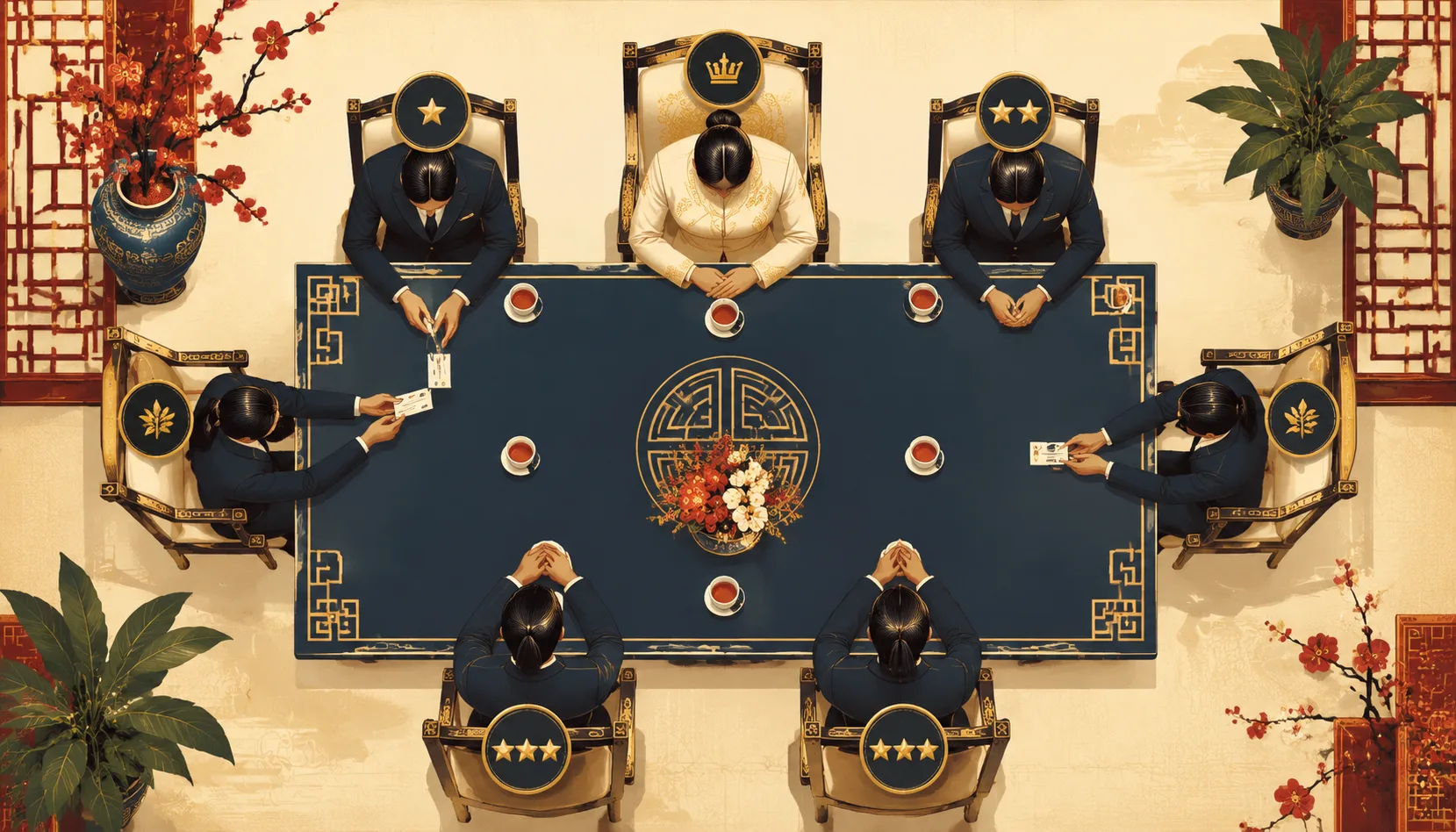
Chinese Formal Business Meeting Etiquette: Seating, Greetings, and the 5-Minute Rule
Chinese formal meetings run on hierarchy: the most senior person enters first, sits facing the door, speaks first on any topic, and leaves first. You wait to be…
Read the guide →
Chinese Business Etiquette Guide 2026: What Western Professionals Must Know
Chinese business culture runs on three invisible engines: Guanxi (relationships), Mianzi (face), and Hierarchy (rank order). Get these right and deals follow. G…
Read the guide →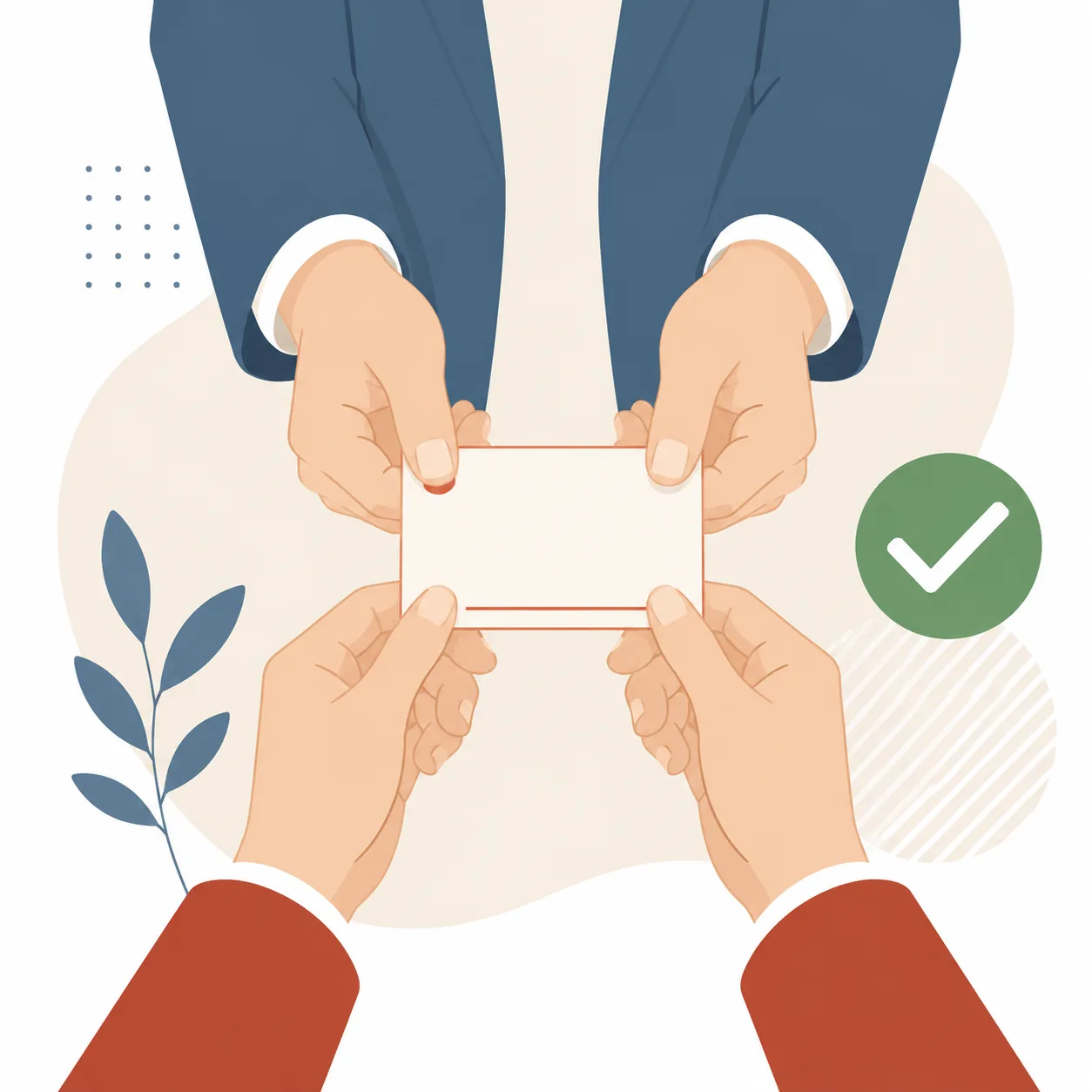
Chinese Business Card Etiquette: How to Exchange Cards in China (2026 Guide)
In China, the business card is not a contact-sharing tool. It is a formal introduction of your identity and position. Present it with both hands, Chinese side f…
Read the guide →