A Peach for a Plum
A Situation You May Recognize
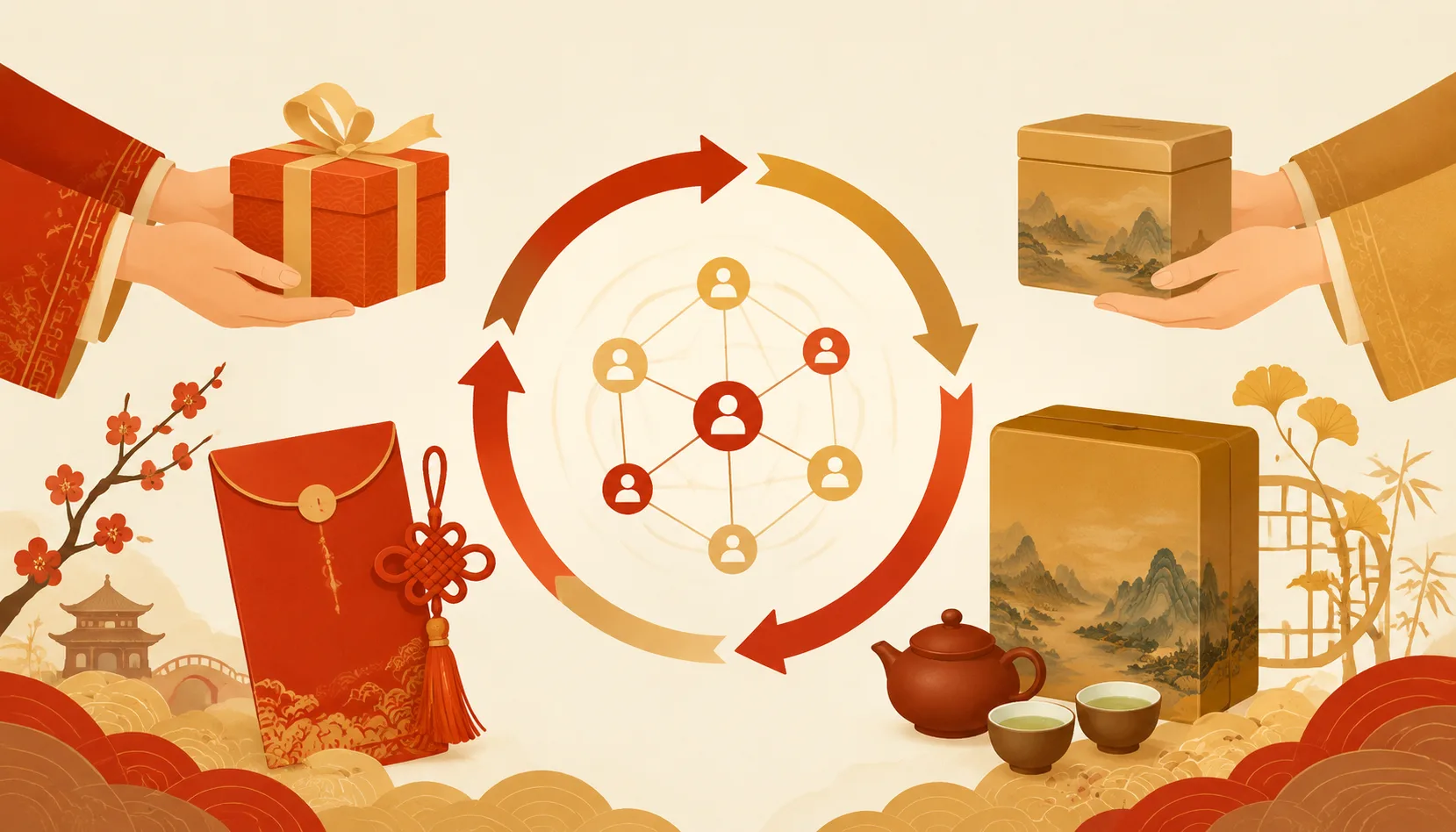
A Canadian executive becomes ill during a trip, and a Chinese acquaintance arranges a specialist appointment within hours. Grateful, the executive sends an expensive gift immediately. The acquaintance declines it twice and becomes more formal afterward.
The help created a social obligation, but repayment is not always a transaction with an obvious price. What would acknowledge the favor without turning the relationship into an invoice?
Understanding renqing, China's invisible social currency
There is an old Chinese line:
投我以桃,报之以李。 Tóu wǒ yǐ táo, bào zhī yǐ lǐ.
A simple translation is:
You give me a peach; I return a plum.
It comes from the ancient Book of Songs.
At first glance, it sounds like a lesson about exchanging gifts.
But it points toward something much larger in Chinese social life:
人情 — rénqíng
Renqing is one of those Chinese words that becomes less clear the more literally you translate it.
It can involve:
human feeling,
consideration,
favor,
social obligation,
empathy,
reciprocity,
and the accumulated memory of how people have treated one another.
If guanxi is the relationship,
then renqing is often what moves through that relationship.
And understanding it explains a great deal about Chinese social life.
1. Renqing Is Not Simply “A Favor”
Imagine you move to a new city.
A colleague spends Saturday helping you find an apartment.
You offer to pay.
They refuse.
Six months later, their parents visit from another city and need help with something you know well.
You volunteer.
Did you “repay the debt”?
Perhaps.
But Chinese people may see something slightly richer:
You remembered the relationship.
That is renqing.
2. Relationships Have Memory
Money has a ledger.
Relationships usually do not.
But they still remember.
Who helped when things were difficult?
Who disappeared?
Who remembered an important moment?
Who took credit?
Who defended you when you were absent?
Who always accepted generosity but never returned any?
No spreadsheet records these things.
Yet people remember them.
This is one of the easiest ways to understand renqing:
Renqing is social memory with emotional weight.
3. It Is Not Precise Accounting
You gave me dinner worth ¥600.
Therefore I owe you exactly ¥600.
That is not how healthy renqing works.
Maybe you buy dinner next time.
Maybe I help you move.
Maybe you introduce me to someone.
Maybe five years later I help your child find an internship.
The exchanges may differ in:
time,
form,
and monetary value.
What matters is not numerical equality.
It is whether the relationship feels reciprocal.
4. “I Remember” Matters More Than “We're Even”
This creates an important difference between transactional exchange and relational exchange.
A transaction says:
“You gave me X. I gave you X. Finished.”
Renqing often says:
“You treated me well. I remember.”
There may never be a perfect point at which both people announce:
“Our accounts are now exactly balanced.”
And that is partly why the relationship continues.
5. The Best Renqing Does Not Feel Like Debt
Imagine your closest friend drives you to the hospital at 2 a.m.
The next morning you calculate:
fuel,
parking,
hourly labor,
emotional inconvenience.
Absurd.
Some forms of help lose meaning if converted too quickly into money.
This does not mean they have no value.
Quite the opposite.
Their value may be greater because they cannot be easily priced.
That is part of what renqing captures.
6. But Renqing Can Feel Like Pressure
Now we need the uncomfortable side.
Someone helps you.
You did not ask for the help.
Months later they say:
“Remember what I did for you?”
Now the favor has become leverage.
Healthy renqing says:
“I helped because our relationship matters.”
Manipulative renqing says:
“I helped so I could own part of your future behavior.”
Those are completely different.
Continue Reading — VIP Only
The rest of this article — real patterns, recognition signals, and step-by-step guidance for foreign executives — is available for a one-time unlock.
- ✓ Full article, including every example and action step
- ✓ Written for foreign professionals, managers & business owners
- ✓ Long-term access on this browser
Article preselected · One-time payment · Instant unlock
Try our tools
Related guides
Your Trust Account
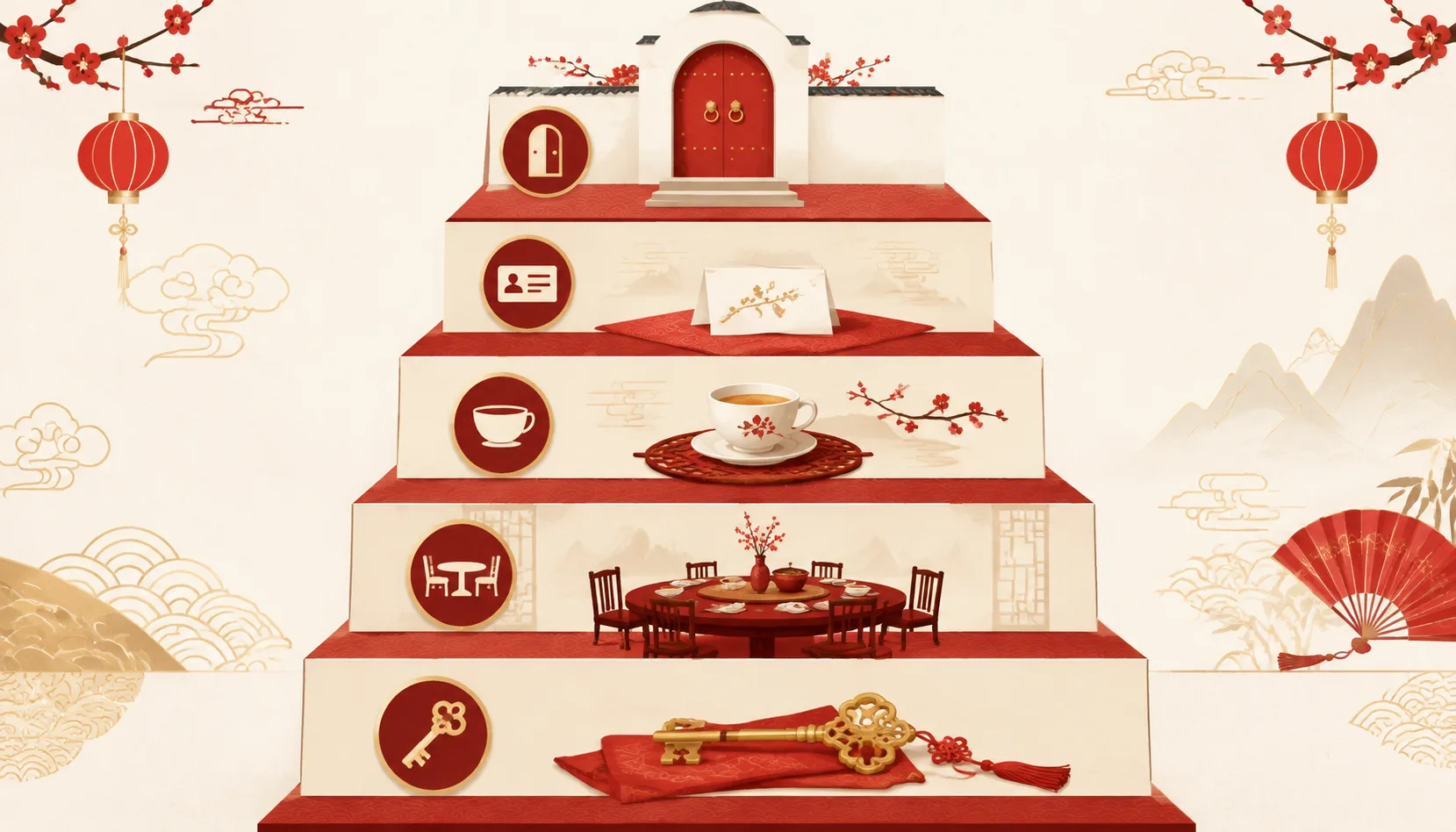
Trust often changes through small deposits and withdrawals long before anyone names the problem. The article maps the signals that alter future flexibility.
Read the guide →
Li: The Chinese Art of Making Other People Feel Properly Respected
Chinese etiquette is easier to understand when you stop memorizing isolated rules and start watching how an action locates each person in the situation.
Read the guide →
Why Nobody Laughed
Humor depends on shared signals about permission, relationship, and risk. This guide explains what to observe when nobody laughs—or when you miss the joke entir…
Read the guide →More in Build Real Relationships
Guanxi: Why Relationships Are China's Most Powerful Professional Currency
In a village in Henan province, a grandmother keeps a red clothbound notebook in a drawer beside the television. Inside, in careful columns,…
Read Preview →🔒 VIPWhy Smart People Still Fail in China
Renqing shigu describes understanding people, obligations, timing, and the social consequences of your actions. In Chinese professional life…
Read Preview →🔒 VIPWin-Win Is the Highest Form of Social Intelligence
A durable deal gives both sides a reason to continue. Understand each side’s benefits, contributions, and risks; share credit and keep promi…
Read Preview →