What does 'don't hit the face, don't expose the short' mean in Chinese culture?
Quick answer
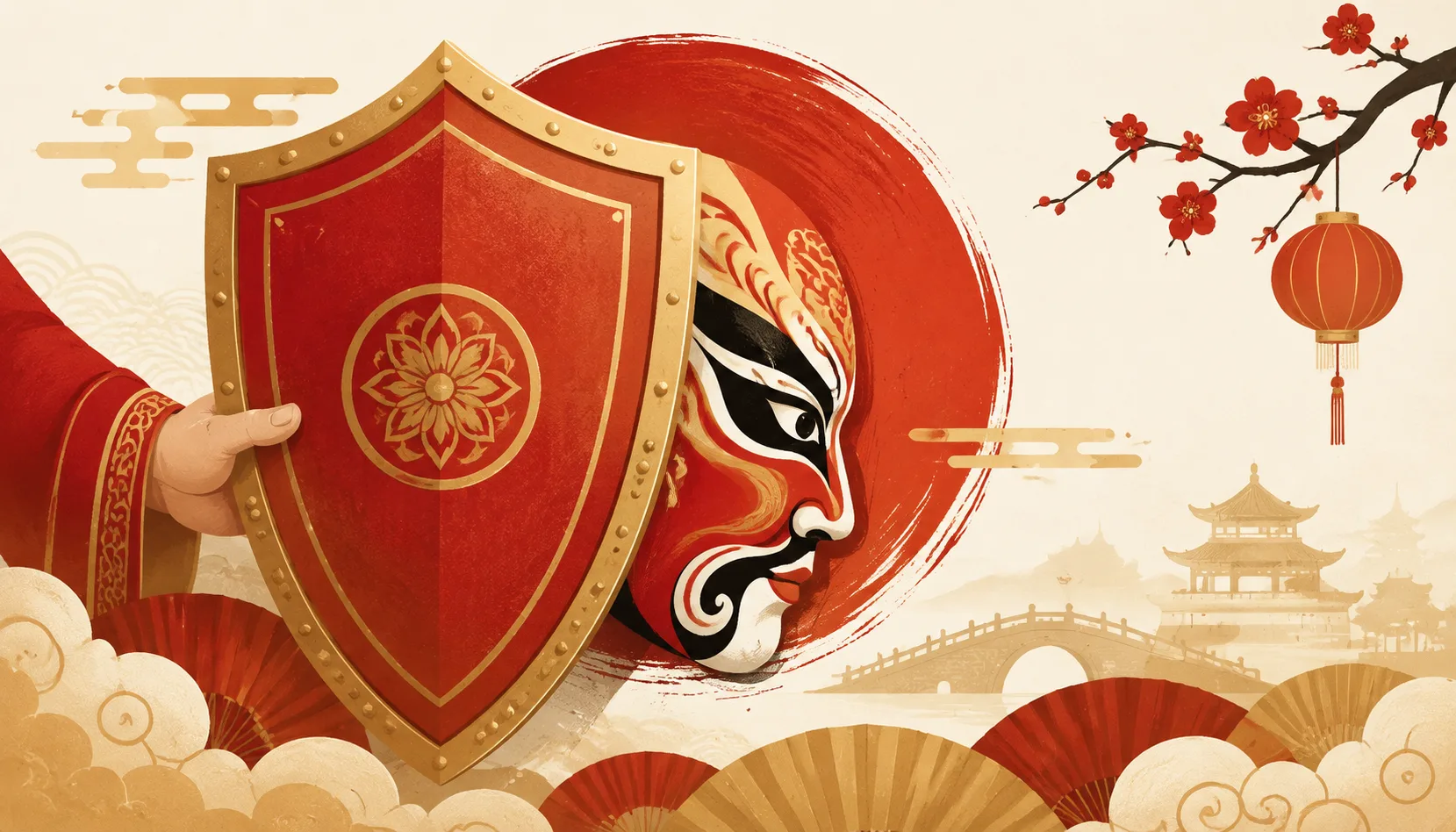
Even in conflict, attacking someone's face (dignity) or deliberately exposing their personal flaws and past failures is considered a serious breach of ethics. The Chinese rule: 'dǎ rén bù dǎ liǎn, jiē rén bù jiē duǎn' (打人不打脸,揭人不揭短).
Why This Rule Matters
Face (面子, miànzi) is among the most important social currencies in Chinese culture. Publicly destroying someone's face — by targeting their appearance, past mistakes, or private life — is an extreme act that turns ordinary conflict into permanent enmity. The Chinese saying 'rénqíng liú yī xiàn, rìhòu hǎo xiāngjiàn' (人情留一线,日后好相见, leave one thread of goodwill, so you can meet well later) reinforces this.
What You Should Do
- Address specific behaviors or actions in conflicts, not personal character attacks
- Give people a way to save face even when you are right
- Resolve conflicts with the goal of preserving the relationship, not winning completely
What You Shouldn't Do
- Publicly humiliate someone even if they wronged you
- Bring up someone's past failures, physical limitations, or private struggles to win an argument
- Push a conflict until the other person has no way out and no face left
Practical Tips for Foreigners
This rule is strongest in northern cities and among older generations from Fujian, Zhejiang, or rural areas, while younger tech professionals in Shenzhen and Guangzhou tolerate more open debate—though exposing past failures or personal weaknesses still crosses a line everywhere. When in doubt, watch what your Chinese host or senior colleague does and follow their lead. Breaking this rule once is forgivable — breaking it repeatedly signals a lack of cultural awareness.
Why Face is Currency in Chinese Workplaces
In Chinese corporate culture, face isn't vanity — it's operational capital. A manager who loses face in front of subordinates loses authority to enforce decisions. An engineer who gets publicly corrected may stop flagging real risks just to avoid embarrassment. This is why even tough bosses in Shenzhen or Beijing will pull someone aside for a 'private chat' rather than dressing them down in a meeting. <a href="/holidays/minor-chinese-holidays-guide/">Foreigners often</a> mistake this for avoidance or lack of directness. It's actually a sophisticated system for preserving functional relationships. When you attack someone's face, you're not just hurting feelings — you're breaking the machinery that makes teams cooperate.
Real Scenarios: What Happens When You Expose Someone's Weakness
- A Canadian project manager in Shanghai pointed out a colleague's calculation error in a team meeting, saying 'This is wrong, let me show you the correct method.' The colleague smiled but said nothing. For the next three months, the manager found that his requests for data were delayed, and he was the last to learn about schedule changes.
- During a dinner in Chengdu, a German engineer joked about a Chinese supplier's poor English pronunciation of a technical term. The supplier laughed along, but the next day he 'mysteriously' couldn't accommodate a rush order that was previously agreed upon, citing 'unforeseen scheduling conflicts.'
- A French marketing executive in Guangzhou corrected a junior designer's work in front of the whole team, saying 'This layout is unprofessional, I'll fix it myself.' The designer became quiet and withdrawn. Within two weeks, the designer submitted a resignation, and the team's creative output dropped noticeably as others became hesitant to share ideas.
- At a business dinner in Beijing, an Australian manager mentioned that a Chinese colleague had missed a deadline the previous week, as a way to explain why he was checking progress more closely. The colleague, who valued his reputation for reliability, felt deeply embarrassed. He never directly confronted the manager, but from then on, he provided only minimal cooperation and stopped offering insider knowledge about local market practices.
Regional and Generational Differences You Should Know
The rule isn't uniform across China. In northern cities like Beijing and Tianjin, face is heavily tied to social hierarchy — criticizing a senior person publicly is almost unforgivable. In southern business hubs like Shenzhen or Guangzhou, younger professionals (under 35, especially in tech) are more direct and tolerate open debate. But even there, never expose someone's past failures or personal weaknesses — that crosses a line regardless of age. The older generation, especially from Fujian, Zhejiang, or rural areas, holds the rule almost sacred. If you're managing a mixed team, default to private feedback unless you're certain the person welcomes public discussion.
The Unspoken Contract: What They Think But Won't Say
When a foreigner attacks someone's face, the Chinese counterpart rarely reacts openly. They'll smile, nod, and remember. What they think: 'This person doesn't understand how to work with people.' What they won't say: 'You've just made an enemy for life.' In cross-cultural teams, this silence is dangerous — you may think the issue is resolved when it's actually festering. If you realize you've crossed the line, a sincere private apology that acknowledges the other person's dignity can often repair the damage. But it's a one-time card — use it twice and you're permanently branded as someone who doesn't respect Chinese culture.
What Chinese People Actually Say
- 给人留面子 | gěi rén liú miànzi | to give someone face/save their dignity | Use when advising not to embarrass someone publicly.
- 揭短 | jiē duǎn | to expose someone's weaknesses/shortcomings | Avoid this action; it damages relationships.
- 给人台阶下 | gěi rén tái jiē xià | to give someone a way out/face-saving exit | Use in conflicts to let the other person retreat gracefully.
2026 Reality Check
2026 Reality Check: The face-saving rule still exists but eroding fast. Social media dragged conflicts into public view, normalizing exposure.
Gen Z vs Older Generations: Boomers and Gen X still practice restraint in face-to-face disputes—saving "mianzi" matters to them. Gen Z, raised on online feuds, sees "exposing weaknesses" as accountability or entertainment. They mock "snowflakes" who demand face-saving, calling it performative politeness.
Beijing/Shanghai vs Smaller Cities: Tier-1 cities show mixed results. Young professionals in Beijing/Shanghai still observe face-etiquette in formal settings but rip into each other online. Smaller cities? Traditional rules hold stronger in family/neighbor disputes. Younger folks there mimic urban attitudes, but elders still enforce the old code.
Bottom line: The rule survives as performance, not principle. It's now situational—useful in business, meaningless in rage.
Frequently asked questions
What does 'don't hit the face, don't expose the short' mean in Chinese culture?
It means that even during a conflict, you should avoid attacking someone's dignity (their 'face') or deliberately revealing their personal flaws, past mistakes, or embarrassing secrets. This is seen as a serious breach of social ethics and can permanently damage relationships.
How can I avoid 'exposing someone's short' in everyday conversations in China?
Refrain from bringing up a person's past failures, physical weaknesses, family issues, or financial troubles, especially in group settings. If you must address a problem, do it privately and focus on the issue, not the person's character.
What should I do if someone publicly exposes my weaknesses in China?
Stay calm and avoid an immediate emotional reaction, as that may escalate the situation. Later, address the matter privately with the person, explaining how their words affected you, and try to resolve it without making it a public confrontation.
Is it okay to criticize a colleague's work performance in China if it involves pointing out their mistakes?
Yes, but do it constructively and privately, focusing on the work result rather than the person's ability. Avoid using harsh words or bringing up unrelated past errors, as that would be seen as 'exposing the short' and could cause resentment.
What are common situations where 'hitting the face' happens unintentionally in China?
Common situations include joking about someone's weight, age, income, or marital status, or reminding them of a failed business deal or exam in front of others. Even if meant humorously, these can be perceived as attacks on dignity and should be avoided.
How does 'not hitting the face' apply when negotiating or resolving a dispute in China?
In negotiations or disputes, always leave room for the other party to 'save face' by offering compromises or solutions that don't make them look defeated. Avoid ultimatums or public humiliation, as this can derail the entire process and make future cooperation impossible.
Try our tools
Related guides

Chinese Face-Saving Language: Compliments, Refusals & More
Face-saving language in Chinese runs through compliments (always deflect, never accept directly), refusals (always indirect), and farewells (longer and more rit…
Read the guide →
Understanding Mianzi (Face) in China: Rules Beneath Rules
Mianzi (面子) is social reputation and dignity — the invisible currency that governs Chinese social life. It can be given, lost, saved, or attacked. Almost every …
Read the guide →
More Social Mistakes Foreigners Make in China (Advanced)
Beyond the obvious chopstick and shoe rules, more subtle mistakes include: assuming silence means comfortable, taking 'good, good' as feedback, using one finger…
Read the guide →